Best Animated TV Series
Animated television has evolved far beyond Saturday morning cartoons into some of the most inventive, emotionally rich storytelling on screen, spanning slapstick comedy, epic fantasy, and razor-sharp satire. From long-running icons to genre-defining newcomers, fans have passionately debated which series truly reigns supreme. Cast your vote and help settle the debate on the best animated TV series of all time.
What counts: Ranked by cultural impact, critical acclaim, longevity, and audience love. Ratings are subjective out of 10; years and episode counts are approximate.
When Bart's 'eat my shorts' became a t-shirt empire in 1990, animated TV stopped being kid stuff overnight, and three decades later Springfield has outlasted every prediction of its demise, aging past 700 episodes and 35 seasons. It invented the modern adult cartoon template, predicted Trump's presidency, Disney buying Fox, and a hundred other 'Simpsons did it' moments — no show has shaped comedy writing rooms or pop culture's vocabulary more."Worst episode ever" jokes aside, its first decade remains the gold standard of sitcom writing, animated or otherwise.
Premiere Year: 1989Total Episodes: 780Seasons: 35Critic Score: 8.7/10Audience Score: 8/10Cultural Impact: 10/10Still Airing: ✓Emmy Wins: 34 awards
added by Yourlist Editorialin 13 rankingsThe Simpsons
0Cartman's fart jokes hid one of the sharpest satire machines TV has ever built, capable of turning around a fully animated episode responding to the week's news in six days flat. Parker and Stone weaponized construction-paper crudeness into cultural commentary that skewered everyone equally — Scientology, Kanye, COVID, cancel culture — and never once flinched from a controversy. Twenty-plus seasons in, it's proven that ugliness and immediacy can be a genuine art form.
Premiere Year: 1997Total Episodes: 327Seasons: 26Critic Score: 8.5/10Audience Score: 8.6/10Cultural Impact: 9/10Still Airing: ✓Emmy Wins: 5 awards
added by Yourlist Editorialin 8 rankingsSouth Park
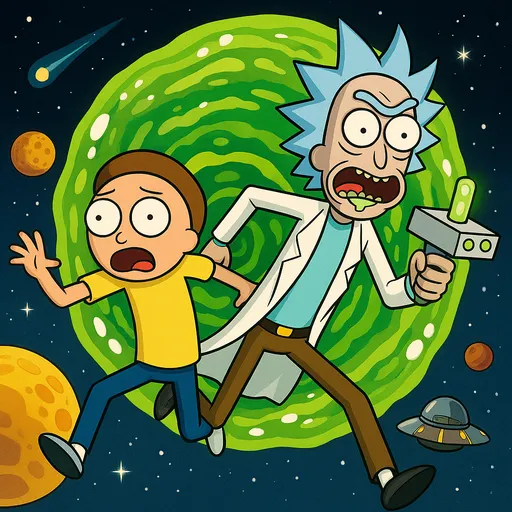
0"Wubba lubba dub dub" masked genuine existential despair, and that tension between nihilist sci-fi comedy and real emotional gut-punches (looking at you, Pickle Rick's therapy monologue) made this the defining animated show of the 2010s internet era. It turned interdimensional cable and Szechuan sauce into full-blown cultural events, spawning a rabid, sometimes toxic fandom that proved animation could dominate discourse like nothing since South Park. Behind-the-scenes turmoil complicates its legacy, but its influence on adult animation's ambition is undeniable.
Premiere Year: 2013Total Episodes: 71Seasons: 7Critic Score: 9.1/10Audience Score: 9/10Cultural Impact: 8.5/10Still Airing: ✓Emmy Wins: 5 awards
added by Yourlist Editorialin 6 rankingsRick and Morty
0A kids' show that made Zuko's redemption arc one of the most quietly devastating character journeys on television, Avatar proved Western animation could do serialized, mythologically rich storytelling as well as anything from Japan. The Agni Kai duels, the fall of Ba Sing Se, Aang's pacifist crisis in the finale — every beat earned its emotional weight through years of patient buildup. It remains the north star for "animation isn't just for kids" arguments, beloved equally by the eight-year-olds who grew up on it and the adults who rediscovered it on Netflix.
Premiere Year: 2005Total Episodes: 61Seasons: 3Critic Score: 9.2/10Audience Score: 9.3/10Cultural Impact: 9/10Still Airing: —Emmy Wins: 3 awards
added by Yourlist Editorialin 8 rankingsAvatar: The Last Airbender
0Peter Griffin fighting a chicken for ten straight minutes is either the dumbest or most gleefully anarchic thing on television, and Family Guy built an empire on not caring which. Its cutaway-gag structure rewired sitcom pacing and made random pop-culture non-sequiturs a comedy language of their own, for better or worse influencing a generation of internet humor. Canceled and revived by fan demand, it's the ultimate proof that audiences will fight for shows that make them laugh even when critics roll their eyes.
Premiere Year: 1999Total Episodes: 420Seasons: 22Critic Score: 7.5/10Audience Score: 7.8/10Cultural Impact: 7.5/10Still Airing: ✓Emmy Wins: 1 awards
added by Yourlist Editorialin 2 rankingsFamily Guy
0Nobody expected a sponge who lives in a pineapple to become one of the most quotable, meme-generating characters in television history, but "Ripped Pants," the Krusty Krab pizza jingle, and "Is mayonnaise an instrument?" are permanently lodged in the culture. Its surreal, joke-dense humor works on kids and stoned college students in equal measure, a rare trick that's kept it running for over 25 years and counting. Bikini Bottom isn't just a setting, it's a shared reference point across generations.
Premiere Year: 1999Total Episodes: 300Seasons: 14Critic Score: 8.2/10Audience Score: 8.5/10Cultural Impact: 9/10Still Airing: ✓Emmy Wins: 2 awards
added by Yourlist Editorialin 5 rankingsSpongeBob SquarePants
0A washed-up horse sitcom actor drowning in Hollywoo excess turned into the most searingly honest depiction of depression and addiction animation has ever produced, with the underwater silence of "Fish Out of Water" standing as one of TV's greatest single episodes, period. It used talking-animal absurdity as a Trojan horse to sneak in genuinely devastating meditations on trauma, fame, and whether people can actually change. Few shows have made viewers laugh and then immediately feel like they'd been punched in the chest quite like this one.
Premiere Year: 2014Total Episodes: 77Seasons: 6Critic Score: 8.7/10Audience Score: 8.7/10Cultural Impact: 8/10Still Airing: —Emmy Wins: 0 awards
added by Yourlist Editorialin 8 rankingsBoJack Horseman
0"Good news, everyone!" launched a thousand tears once "Jurassic Bark" revealed what happened to Fry's dog Seymour, proof that a show ostensibly about a pizza-delivery guy frozen into the future could deliver emotional devastation alongside its Bender-fueled absurdism. Matt Groening and David X. Cohen packed it with real science and math jokes that rewarded rewatching, giving it a nerdier, more melancholic soul than its Simpsons sibling. Canceled and revived multiple times, its cult devotion refuses to die, much like Fry himself.
Premiere Year: 1999Total Episodes: 176Seasons: 11Critic Score: 8.5/10Audience Score: 8.5/10Cultural Impact: 7.5/10Still Airing: ✓Emmy Wins: 6 awards
added by Yourlist Editorialin 3 rankingsFuturama
0Mark Hamill's Joker cackle redefined the character for a generation, and the show's noir-soaked, Art Deco visual style became the definitive aesthetic through which most fans now picture Gotham. It gave Harley Quinn to the world, treated its child audience with unusual moral complexity, and proved a network cartoon could have the gravity of prestige drama. Every subsequent Batman adaptation, animated or live-action, still lives in its shadow.
Premiere Year: 1992Total Episodes: 85Seasons: 4Critic Score: 8.9/10Audience Score: 9/10Cultural Impact: 8.5/10Still Airing: —Emmy Wins: 3 awards
added by Yourlist Editorialin 8 rankingsBatman: The Animated Series
0Alex Hirsch buried a decades-spanning cryptogram in the credits of every episode, turning Gravity Falls into a genuine puzzle box that had fans decoding ciphers in real time, a level of audience engagement almost unheard of for a Disney kids' show. Beneath the Mystery Twins' summer adventures with gnomes and shapeshifters sat one of animation's tightest, most satisfying mystery plots, paying off Bill Cipher's menace with a finale that actually stuck the landing. Its cult status has only grown since ending, a rare show that never overstayed its welcome.
Premiere Year: 2012Total Episodes: 40Seasons: 2Critic Score: 8.9/10Audience Score: 9.2/10Cultural Impact: 7/10Still Airing: —Emmy Wins: 2 awards
added by Yourlist Editorialin 2 rankingsGravity Falls
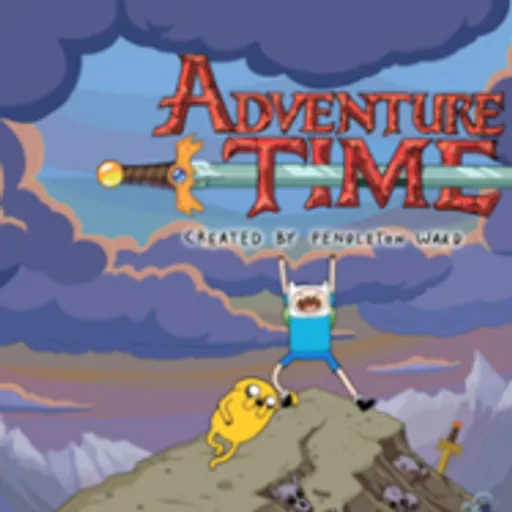
0What started as a goofy Finn-and-Jake romp through the Land of Ooo slowly revealed itself to be a heartbreaking post-apocalyptic saga about grief, identity, and love, culminating in one of animation's most quietly perfect series finales. Its willingness to get genuinely weird — mushroom wars, Marceline's vampire backstory, Fionna and Cake — expanded what a kids' show was allowed to be emotionally and narratively. It helped kick off the 2010s renaissance of ambitious, art-driven cartoons that followed in its wake.
Premiere Year: 2010Total Episodes: 283Seasons: 10Critic Score: 8.6/10Audience Score: 8.7/10Cultural Impact: 8/10Still Airing: —Emmy Wins: 1 awards
added by Yourlist Editorialin 2 rankingsAdventure Time
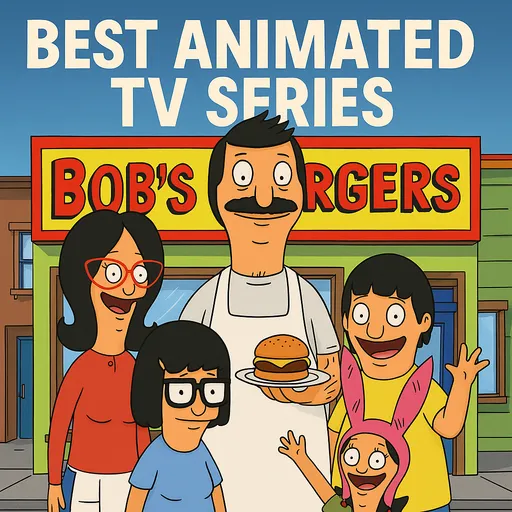
0Tina Belcher's awkward butt-obsessed horniness turned into an unlikely icon of teenage weirdness embraced wholeheartedly, part of why this low-key family sitcom has quietly become one of the most beloved comfort-watch shows on television. Its improvised, character-first humor and genuine family warmth — the Belchers actually like each other, a rarity in animated sitcoms — set it apart from its raunchier Fox stablemates. Now well past 250 episodes and a movie deep, it's proven that gentle, specific comedy can have real staying power.
Premiere Year: 2011Total Episodes: 280Seasons: 14Critic Score: 8.3/10Audience Score: 8.2/10Cultural Impact: 6.5/10Still Airing: ✓Emmy Wins: 1 awards
added by Yourlist Editorialin 2 rankingsBob's Burgers
0A show about a boy who inherits his mother's magical gem became a groundbreaking vehicle for queer representation, with Ruby and Sapphire's wedding standing as a landmark moment for kids' television. Its musical numbers, from "Stronger Than You" to the tear-jerking "It's Over, Isn't It," carried genuine emotional and narrative weight rare for the format. Rebecca Sugar built a sprawling mythology about trauma, found family, and forgiveness that expanded what Cartoon Network was willing to say out loud.
Premiere Year: 2013Total Episodes: 160Seasons: 5Critic Score: 8.5/10Audience Score: 8.5/10Cultural Impact: 7.5/10Still Airing: —Emmy Wins: 1 awards
added by Yourlist Editorialin 2 rankingsSteven Universe
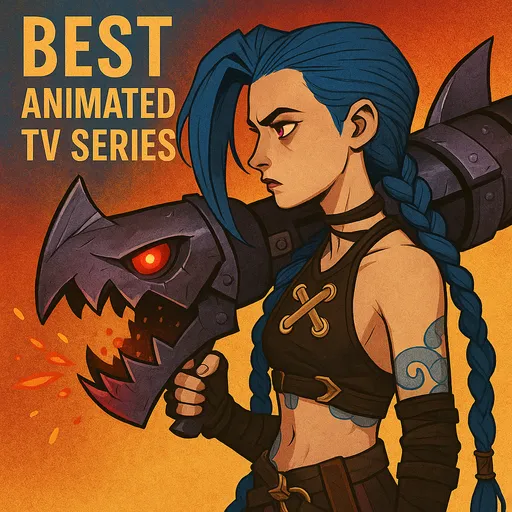
0Arcane took a League of Legends video game license, the lowest of pop-culture-adaptation expectations, and turned it into a visually staggering, emotionally brutal tragedy about two sisters torn apart by class warfare and circumstance. Jinx's spiral into madness, rendered in a painterly animation style that mixed 2D, 3D, and mixed-media techniques nobody had quite seen before, redefined what "animation for adults" could look like on a prestige budget. It proved a video game story could out-act, out-write, and out-devastate most live-action prestige drama.
Premiere Year: 2021Total Episodes: 18Seasons: 2Critic Score: 9.4/10Audience Score: 9.3/10Cultural Impact: 8/10Still Airing: —Emmy Wins: 1 awards
added by Yourlist EditorialArcane
0Aaron McGruder brought his uncompromising comic strip to Adult Swim and used Huey and Riley Freeman to say things about race, class, and Black American culture that basically no other television show, animated or otherwise, was willing to touch. The "Return of the King" episode imagining Martin Luther King Jr. surviving his assassination into the 2000s remains one of the boldest, most quotable half-hours in TV history. Its satire cut deeper and angrier than its adult-cartoon contemporaries, and its influence on Black comedic voices that followed is immense.
Premiere Year: 2005Total Episodes: 55Seasons: 4Critic Score: 8.4/10Audience Score: 8.5/10Cultural Impact: 6.5/10Still Airing: —Emmy Wins: 0 awards
added by Yourlist Editorialin 2 rankingsThe Boondocks
0Goku screaming through his first Super Saiyan transformation over Frieza's murder of Krillin is the moment that taught an entire generation of Western kids what anime could be, arriving via syndicated TV to spark obsessions that built today's anime industry. Its endless power-scaling and stretched-out fight sequences became memes, but also a genuine blueprint for shonen storytelling that every subsequent battle anime still follows. Without DBZ's cultural beachhead, there's no Naruto, no One Piece, arguably no anime boom at all in the West.
Premiere Year: 1989Total Episodes: 291Seasons: 9Critic Score: 8.5/10Audience Score: 8.8/10Cultural Impact: 9/10Still Airing: —Emmy Wins: 0 awards
added by Yourlist Editorialin 3 rankingsDragon Ball Z
0A ninja outcast dreaming of being Hokage turned believing in yourself and your bonds into a genuine global philosophy, with the Naruto-Sasuke rivalry becoming one of anime's most iconic and emotionally loaded relationships. Its ninja-run pose became a real-world meme practiced by millions who never watched a single episode, a sign of just how deep its cultural penetration runs. Between Jiraiya's death, the Pain arc, and the sheer scale of the Fourth Shinobi War, it delivered enough iconic moments to anchor an entire generation's anime fandom.
Premiere Year: 2002Total Episodes: 720Seasons: 21Critic Score: 8.2/10Audience Score: 8.6/10Cultural Impact: 8.5/10Still Airing: —Emmy Wins: 0 awards
added by Yourlist Editorialin 2 rankingsNaruto
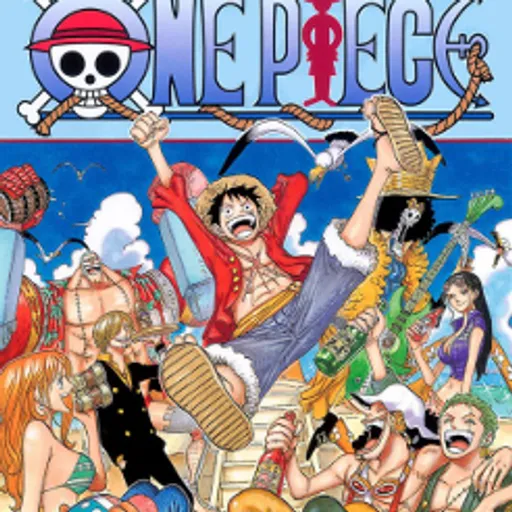
0Eiichiro Oda's pirate epic has run for over 1,000 episodes and somehow only gotten better, with the Marineford war arc and Luffy's Gear 5 awakening standing among the most purely joyous, cathartic moments modern animation has produced. Its unmatched commitment to worldbuilding and long-game payoffs — plot threads planted decades ago still paying off today — rewards patience like almost nothing else on this list. It's not just the best-selling manga of all time, it's arguably peak serialized storytelling, full stop.
Premiere Year: 1999Total Episodes: 1,080Seasons: 20Critic Score: 8.7/10Audience Score: 8.9/10Cultural Impact: 8.5/10Still Airing: ✓Emmy Wins: 0 awards
added by Yourlist Editorialin 7 rankingsOne Piece
0Fullmetal Alchemist: Brotherhood
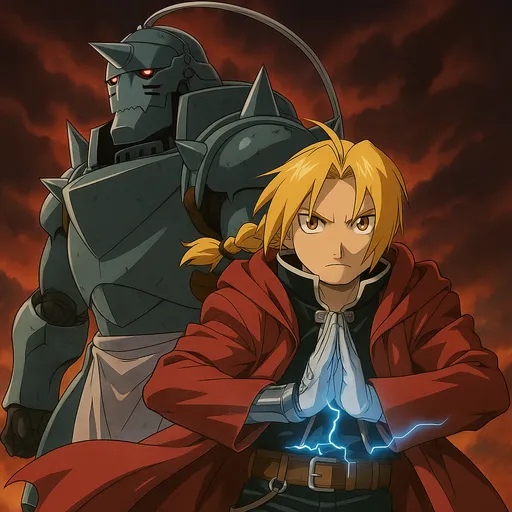
Edward and Alphonse Elric's failed human transmutation, the show's gut-wrenching cold open, sets up a story about the price of ambition that pays off with maybe the most structurally satisfying ending in anime history. Brotherhood corrected its predecessor's rushed pacing by adapting Hiromu Arakawa's manga in full, delivering political intrigue, philosophical weight, and genuine warmth without a single wasted arc. Consistently topping "best anime ever" polls isn't hype, it's the show simply not having a bad stretch across 64 episodes.
Premiere Year: 2009Total Episodes: 64Seasons: 1Critic Score: 9.1/10Audience Score: 9.2/10Cultural Impact: 7.5/10Still Airing: —Emmy Wins: 0 awards
added by Yourlist Editorialin 7 rankingsFullmetal Alchemist: Brotherhood
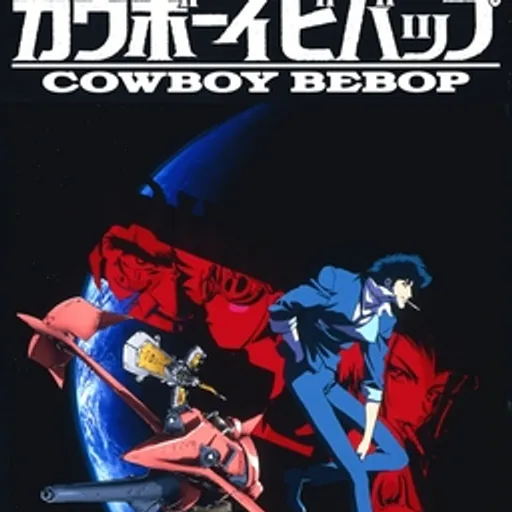
0"See you space cowboy" closed out one of anime's most stylish, melancholic works, a jazz-scored bounty-hunter noir that treated its episodic sci-fi capers as vehicles for real loneliness and regret. Shinichiro Watanabe's genre-blending direction and Yoko Kanno's iconic score made it a crossover hit with Western audiences who'd never touched anime before, opening doors that Toonami then walked through. Its influence on style-conscious, adult-aimed animation, from The Matrix to a dozen imitators since, far outstrips its short 26-episode run.
Premiere Year: 1998Total Episodes: 26Seasons: 1Critic Score: 8.9/10Audience Score: 8.9/10Cultural Impact: 7.5/10Still Airing: —Emmy Wins: 0 awards
added by Yourlist Editorialin 6 rankingsCowboy Bebop
0