Best Anime Series of All Time
Anime has exploded from a niche hobby into a global cultural force, with passionate fans debating for decades over which series truly deserves the crown as the greatest of all time. From epic sagas of ninjas and pirates to mind-bending psychological thrillers and heartfelt slice-of-life stories, the medium offers something for everyone, making the 'best ever' title fiercely contested. Now it's your turn to settle the debate — cast your vote for the anime series you believe stands above all the rest.
What counts: Ranked by overall cultural impact, critical acclaim, and fan popularity. 'Best' blends storytelling, animation quality, and legacy. Episode counts, years, and scores are approximate and sourced from general consensus (e.g., MyAnimeList community averages).
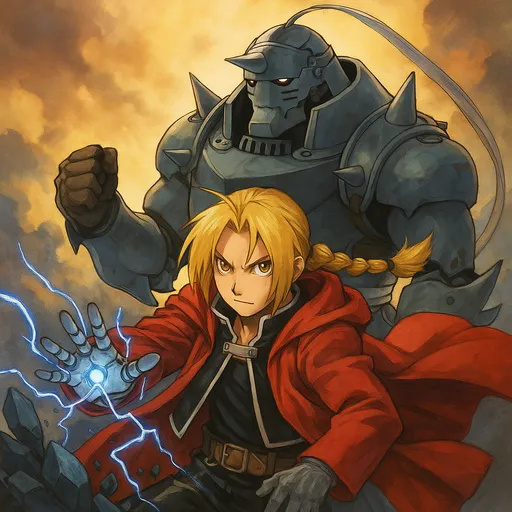
Fullmetal Alchemist: Brotherhood
The Elric brothers' quest to reclaim their bodies through equivalent exchange delivers arguably the most satisfying finale in anime history, with every Chekhov's gun from episode one firing perfectly by the end. It's the rare adaptation that fixed a flawed predecessor by simply following the manga, proving that tight plotting and thematic payoff can turn a shonen into a masterpiece. Consistently sitting atop MyAnimeList's rankings, it's the gold standard fans point to when arguing anime can be 'literature.'
Year Aired: MAL Score: 9.1/10Episode Count: 64 episodesAnimation Studio: Story Completed: ✓MAL Popularity Rank: 1 rankCultural Impact: 9.5/10
added by Yourlist Editorialin 7 rankingsFullmetal Alchemist: Brotherhood
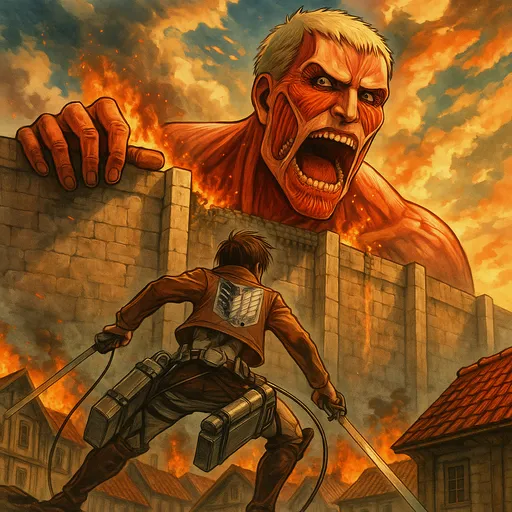
0That basement reveal and the Colossal Titan smashing through Wall Maria rewired what mainstream anime could look like, turning a horror-tinged mystery box into a global phenomenon that dominated Western pop culture conversations for a decade. Isayama's willingness to burn his own cast and morality to the ground for a brutal endgame divided fans, but the sheer ambition of its politics and scale is undeniable. It's the series most responsible for anime's 2010s crossover into mainstream Western fandom.
Year Aired: MAL Score: 8.5/10Episode Count: 94 episodesAnimation Studio: Story Completed: ✓MAL Popularity Rank: 2 rankCultural Impact: 9.7/10
added by Yourlist Editorialin 5 rankingsAttack on Titan
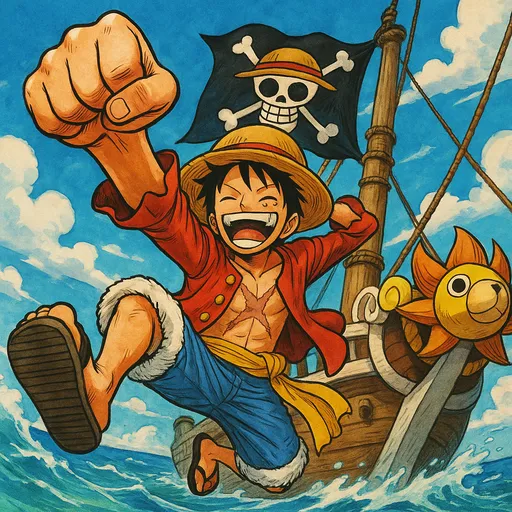
0Luffy's Gum-Gum fist has been throwing punches since 1999, and the Marineford war and Wano arc prove that Oda's decades-long world-building patience pays off in emotional gut-punches few shows can match at this scale. Its sheer size — over a thousand episodes — is both a punchline and the point, a living monument to serialized storytelling that never stopped growing its cast, lore, or heart. No series better argues that shonen anime can be art sustained across a generation.
Year Aired: MAL Score: 8.7/10Episode Count: 1,120 episodesAnimation Studio: Story Completed: —MAL Popularity Rank: 3 rankCultural Impact: 9.8/10
added by Yourlist Editorialin 7 rankingsOne Piece
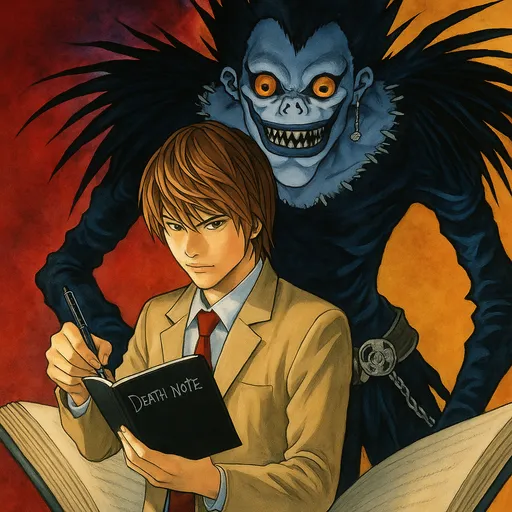
0Light Yagami writing names in a notebook and smirking into the camera became one of anime's most iconic images, a cat-and-mouse thriller between a god-complex killer and the potato-chip-eating detective L that redefined psychological anime for Western audiences. The Kira-versus-L chess match, especially before L's exit, is peak tension-as-entertainment, engineered scene by scene like a legal thriller with supernatural stakes. It remains the gateway anime for countless fans precisely because it never slows down to catch its breath.
Year Aired: MAL Score: 8.6/10Episode Count: 37 episodesAnimation Studio: Story Completed: ✓MAL Popularity Rank: 4 rankCultural Impact: 9.3/10
added by Yourlist Editorialin 4 rankingsDeath Note
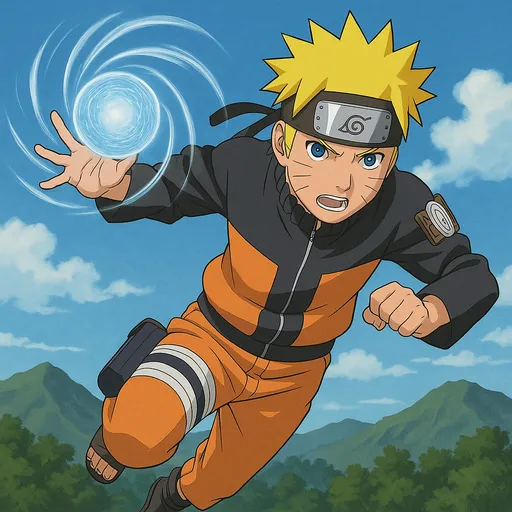
0From the lonely orphan yelling 'Believe it!' to the reformed jinchuriki ending centuries of hatred, Naruto's journey became a cultural shorthand for perseverance, friendship, and the found-family shonen formula copied endlessly since. The Pain invasion arc, where Naruto chooses empathy over vengeance against the man who destroyed his village, is the series' emotional peak and its clearest statement of theme. Its influence on global pop culture — memes, merchandise, an entire generation's vocabulary of 'nindo' — cements it as an untouchable pillar of the medium.
Year Aired: MAL Score: 8.2/10Episode Count: 720 episodesAnimation Studio: Story Completed: ✓MAL Popularity Rank: 5 rankCultural Impact: 9.6/10
added by Yourlist EditorialNaruto
0Shinji Ikari refusing to get in the robot, then getting in it anyway out of trauma rather than heroism, shattered the mecha genre's power fantasy and turned it into a psychological excavation of depression and isolation. The infamous, budget-crunched finale — abstract, confrontational, deliberately anticlimactic — remains one of anime's most argued-over endings, proof the show cared more about interiority than spectacle. Everything from Gurren Lagann to Darling in the Franxx exists in conversation with Eva's DNA; it didn't just influence anime, it reprogrammed it.
Year Aired: MAL Score: 8.4/10Episode Count: 26 episodesAnimation Studio: Story Completed: ✓MAL Popularity Rank: 40 rankCultural Impact: 9.7/10
added by Yourlist EditorialNeon Genesis Evangelion
0The Chimera Ant arc alone — Meruem's slow, devastating humanization opposite Komugi — is a masterclass in subverting shonen expectations, turning a 'strongest villain' arc into a meditation on empathy and mortality. Togashi's Nen system remains the most rigorously logical power system in the genre, rewarding viewers who think several chess moves ahead of the characters. Its infamous hiatuses only deepen the cult reverence: fans treat every returning chapter like scripture because the storytelling craft is simply that dense.
Year Aired: MAL Score: 9/10Episode Count: 148 episodesAnimation Studio: Story Completed: —MAL Popularity Rank: 6 rankCultural Impact: 9.2/10
added by Yourlist Editorialin 2 rankingsHunter × Hunter
0Spike Spiegel's slow-motion gunfights set to jazz define 'cool' in anime, but it's the show's melancholic ache — bounty hunters drifting through space, haunted by pasts they can't outrun — that gives it staying power beyond style. 'See you space cowboy...' closing out Spike's story with tragic inevitability rather than triumph was a bold, genre-defying choice for late-90s action anime. It became the blueprint for Western anime fandom's entry point, proving genre-blending and mood could carry a show as much as plot.
Year Aired: MAL Score: 8.75/10Episode Count: 26 episodesAnimation Studio: Story Completed: ✓MAL Popularity Rank: 50 rankCultural Impact: 9.4/10
added by Yourlist Editorialin 6 rankingsCowboy Bebop
0Demon Slayer: Kimetsu no Yaiba
Tanjiro's Water Breathing forms rendered in ufotable's liquid-smooth animation turned a fairly conventional shonen into a visual event, with the Mugen Train film becoming the highest-grossing anime film ever and a genuine mainstream box-office story. It's less about narrative innovation than about craft: the sound design, the fluid choreography, the way animation itself becomes spectacle worth theater tickets. Its commercial explosion single-handedly proved anime could dominate global box offices, not just streaming charts.
Year Aired: MAL Score: 8.5/10Episode Count: 47 episodesAnimation Studio: Story Completed: —MAL Popularity Rank: 7 rankCultural Impact: 9/10
added by Yourlist Editorialin 2 rankingsDemon Slayer: Kimetsu no Yaiba
0Deku catching a falling Bakugo with nothing but broken bones and willpower crystallized the show's core promise: anyone, quirkless or not, can be a hero if they refuse to give up. It revived the 'legacy hero' shonen formula for a new generation, wrapping it in a superhero-comic aesthetic that felt fresh against the ninja/pirate status quo of the 2010s. Its cultural footprint — conventions, cosplay, crossover memes — made it the defining mainstream shonen debut of its decade.
Year Aired: MAL Score: 7.9/10Episode Count: 159 episodesAnimation Studio: Story Completed: —MAL Popularity Rank: 8 rankCultural Impact: 8.5/10
added by Yourlist Editorialin 2 rankingsMy Hero Academia
0Sukuna's fingers, the Shibuya Incident massacre, and Gojo's unbothered dominance turned Jujutsu Kaisen into the genre's new commercial juggernaut, proving MAPPA's animation could make even a mid-arc fight scene feel like an event. Gege Akutami's willingness to kill major characters mid-story injected real stakes back into modern shonen, making fans genuinely afraid to get attached. It's the series that currently holds the title JoJo and Demon Slayer used to: the one dominating merch shelves and Twitter trends simultaneously.
Year Aired: MAL Score: 8.6/10Episode Count: 47 episodesAnimation Studio: Story Completed: —MAL Popularity Rank: 9 rankCultural Impact: 8.8/10
added by Yourlist Editorialin 2 rankingsJujutsu Kaisen
0Okabe Rintarou's D-Mail experiments spiraling into an inescapable time-loop tragedy make Steins;Gate the sci-fi anime that actually earns its emotional devastation through rigorous, meticulously plotted causality. Watching 'Hououin Kyouma' slowly break, losing Mayuri over and over in different timelines, elevates visual novel-derived storytelling into genuinely literary tragedy. It's the show time-travel anime fans cite as untouchable, precisely because its structure never cheats the rules it sets for itself.
Year Aired: 2011MAL Score: 9/10Episode Count: 24 episodesAnimation Studio: Story Completed: ✓MAL Popularity Rank: 15 rankCultural Impact: 8.9/10
added by Yourlist Editorialin 2 rankingsSteins;Gate
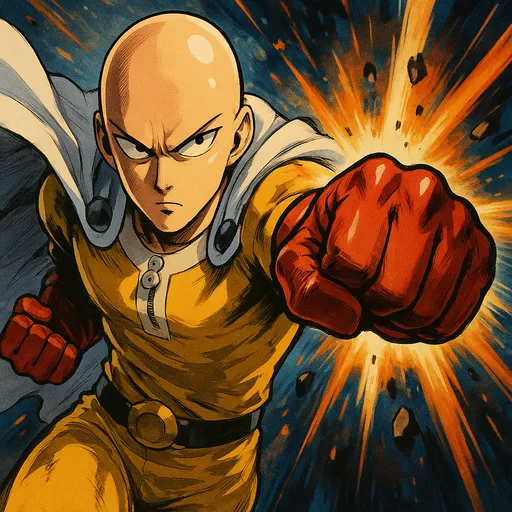
0Saitama ending every fight in a single punch is the joke, but the show's real genius is mining existential boredom from having no worthy opponent, turning superhero deconstruction into deadpan comedy. Genos worshipping Saitama's absurd nonchalance while the animation (in its S1 peak) delivers some of the smoothest fight choreography ever drawn made it an instant genre satire classic. It proved parody anime could still deliver A-tier spectacle, not just jokes about spectacle.
Year Aired: MAL Score: 8.5/10Episode Count: 24 episodesAnimation Studio: Story Completed: —MAL Popularity Rank: 10 rankCultural Impact: 8.6/10
added by Yourlist Editorialin 2 rankingsOne-Punch Man
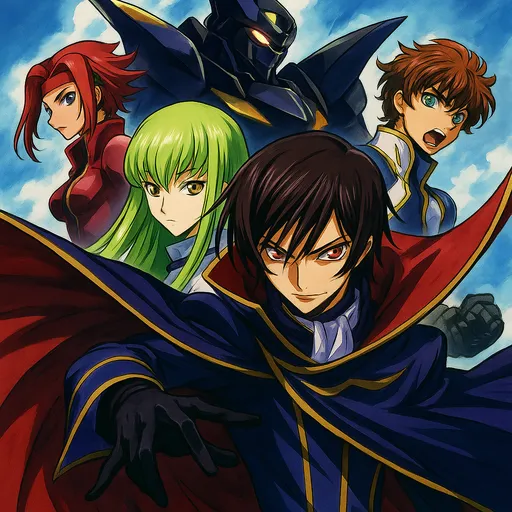
0Lelouch commanding his own father to die with the Geass eye blazing is the kind of operatic, chess-match villain-protagonist storytelling that made Code Geass the mecha-political-thriller benchmark of the 2000s. Its finale — Lelouch's staged assassination sacrificing himself to unite a fractured world under shared hatred of him — is one of anime's most audacious, tragic endgames. Few shows balance giant robots, political intrigue, and Shakespearean tragedy this confidently.
Year Aired: MAL Score: 8.7/10Episode Count: 50 episodesAnimation Studio: Story Completed: ✓MAL Popularity Rank: 12 rankCultural Impact: 9.1/10
added by Yourlist EditorialCode Geass
0Goku powering up into Super Saiyan over Frieza's murder of Krillin didn't just create a meme template used for forty years, it invented the modern shonen power escalation formula wholesale. Every 'training arc,' every scream-charged transformation, every rival-turned-ally trope in anime traces its lineage back to Toriyama's Z-era. It's less a show you critique for pacing than a cultural bedrock everyone after it had to build on top of.
Year Aired: MAL Score: 8.2/10Episode Count: 291 episodesAnimation Studio: Story Completed: ✓MAL Popularity Rank: 11 rankCultural Impact: 9.8/10
added by Yourlist Editorialin 3 rankingsDragon Ball Z
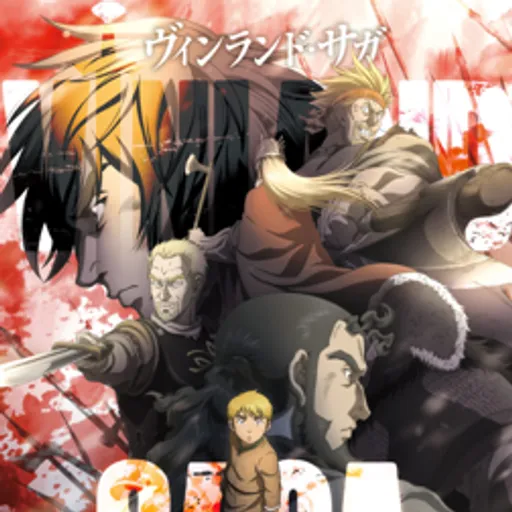
0Thorfinn's transformation from vengeance-consumed child soldier to a man seeking a sword-free path is anime's most convincing anti-violence arc, achieved without ever losing the brutal, historically grounded Viking spectacle that hooked viewers initially. Askeladd's death and Thorfinn's subsequent hollow victory recontextualize the entire first arc as tragedy rather than triumph, a rare bait-and-switch that actually deepens the story. It's the series critics point to as proof seinen action can carry real philosophical weight without sacrificing craft.
Year Aired: MAL Score: 8.75/10Episode Count: 48 episodesAnimation Studio: Story Completed: —MAL Popularity Rank: 40 rankCultural Impact: 8.7/10
added by Yourlist EditorialVinland Saga
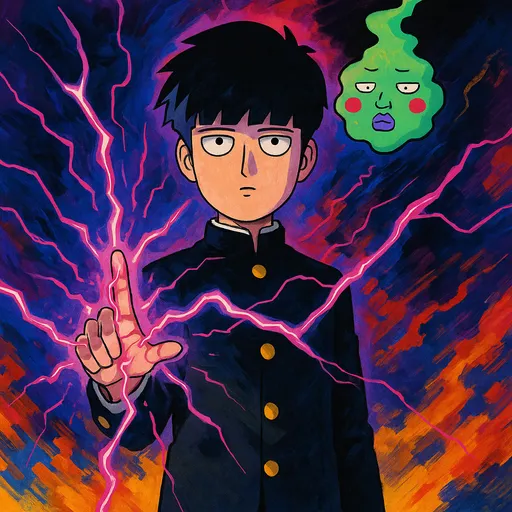
0Mob's explosive psychic breakdowns, rendered through Bones' wildly experimental, sketchbook-loose animation, make internal emotional turmoil literally reshape the frame in ways few shows dare attempt. Reigen's utterly fraudulent con-man mentor turning out to be a genuine source of moral guidance flips the show's central joke into its emotional backbone. ONE and studio Bones crafted something that's simultaneously anime's funniest, most tender, and most visually inventive coming-of-age story.
Year Aired: MAL Score: 8.5/10Episode Count: 37 episodesAnimation Studio: Story Completed: ✓MAL Popularity Rank: 25 rankCultural Impact: 8.6/10
added by Yourlist Editorialin 2 rankingsMob Psycho 100
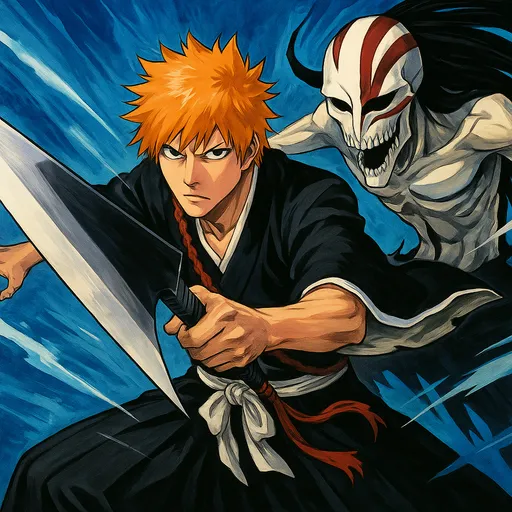
0Ichigo Kurosaki's Bankai reveal against Byakuya remains one of shonen's most iconic power-up sequences, and the Soul Society arc's blend of samurai aesthetics and Shinigami mythology gave 2000s anime one of its most quotable, coolest casts. Despite later filler-plagued stretches, its Thousand-Year Blood War finale finally delivered the animation and stakes fans waited over a decade for, reviving the franchise's legacy on modern terms. Its soundtrack and character designs alone earned it a permanent seat at anime's cultural table.
Year Aired: MAL Score: 7.9/10Episode Count: 418 episodesAnimation Studio: Story Completed: —MAL Popularity Rank: 13 rankCultural Impact: 9/10
added by Yourlist Editorialin 2 rankingsBleach
0Re:Zero − Starting Life in Another World
Subaru's scream discovering his own corpse in episode one signaled that this wasn't another power-fantasy isekai — it was a psychological horror show about a useless protagonist forced to loop through death until he earns competence. Return by Death as a curse rather than a cheat code deconstructed a genre that had grown lazy, making failure and trauma central rather than incidental. It single-handedly revitalized isekai's critical reputation right when the genre risked becoming a punchline.
Year Aired: MAL Score: 8.3/10Episode Count: 50 episodesAnimation Studio: Story Completed: —MAL Popularity Rank: 20 rankCultural Impact: 8.3/10
added by Yourlist Editorialin 2 rankingsRe:Zero
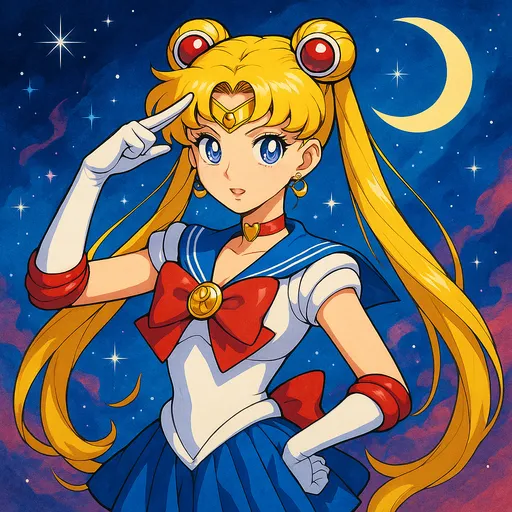
0Usagi Tsukino transforming from a crybaby schoolgirl into a tiara-throwing guardian of love and justice didn't just define magical-girl anime, it created the template — transformation sequences, sailor-suited teams, villain-of-the-week structure — that every mahou shoujo since has answered to. Its embrace of female friendship, queer subtext, and unabashed emotional sincerity made it a landmark for representation decades ahead of its time. Without Sailor Moon, there's no Madoka, no Precure, arguably no modern anime targeted at reclaiming girlhood as heroic.
Year Aired: MAL Score: 7.4/10Episode Count: 200 episodesAnimation Studio: Story Completed: ✓MAL Popularity Rank: 60 rankCultural Impact: 9.3/10
added by Yourlist Editorialin 2 rankingsSailor Moon
0