Best music artists of the 1990s
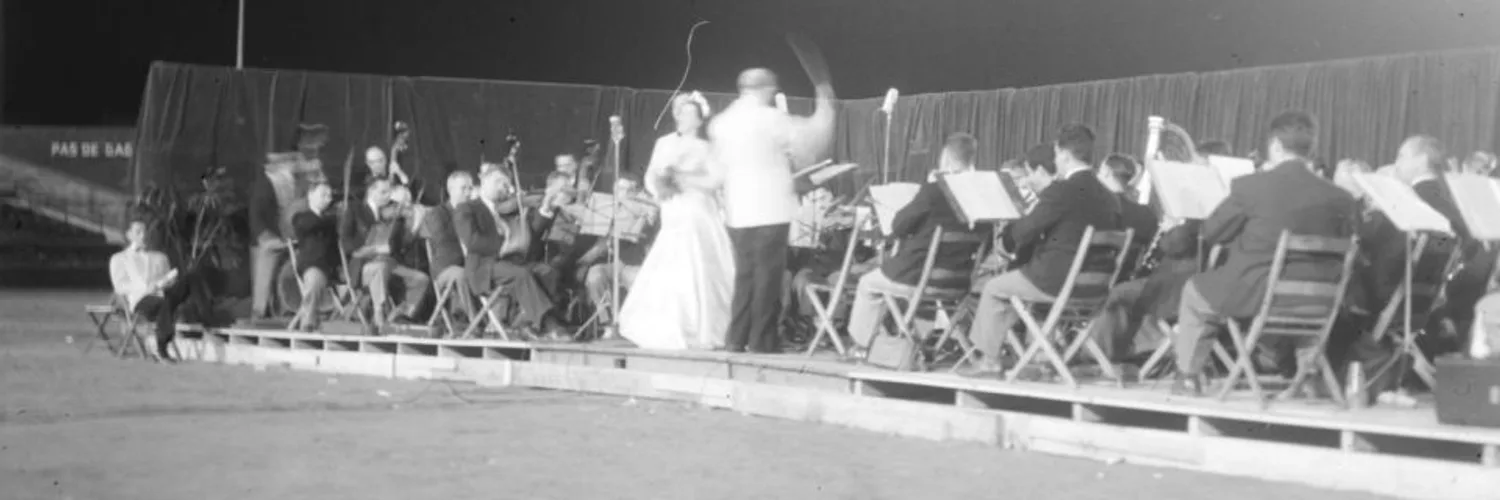
The 1990s gave us grunge, gangsta rap, boy bands, and pop divas all colliding in one wildly diverse decade of music history. From Nirvana's raw angst to Mariah Carey's soaring vocals to Tupac's lyrical fire, the era produced icons whose influence still shapes music today. Who truly reigned supreme? Cast your vote and help crown the best music artist of the 1990s.
What counts: Seeded with approximate figures where shown — the crowd's votes decide the order.
Nirvana▲ Rising
'Smells Like Teen Spirit' landed on MTV in September 1991 and by January Nevermind had bumped Michael Jackson from No. 1, dragging grunge and indie sensibility into the mainstream overnight. Kurt Cobain's death in 1994 froze the band at their rawest, unresolved peak, which only cemented their myth as the decade's defining rupture between hair-metal excess and something more honest and wounded.},{
Debut/Breakthrough Year: 1989 (breakout 1991)Primary Genre: Grunge/Alternative RockSignature Album: Nevermind (1991)Albums Sold (millions, worldwide est.): 75 MGrammy Awards Won: 0Critical Acclaim: 9.5/10Cultural Impact & Legacy: 10/10
added by IJRin 3 rankings
65
Pearl Jam▲ Rising
Ten turned Eddie Vedder's baritone ache into the sound of early-90s stadiums, and 'Jeremy''s video made grunge feel like literature instead of noise. They spent the rest of the decade fighting Ticketmaster and dodging their own fame, which cost them some commercial altitude but bought them credibility as the movement's most stubbornly principled survivors.
Debut/Breakthrough Year: 1991Primary Genre: Grunge/Alternative RockSignature Album: Ten (1991)Albums Sold (millions, worldwide est.): 85 MGrammy Awards Won: 1Critical Acclaim: 8.5/10Cultural Impact & Legacy: 8.5/10
added by IJRin 2 rankings
47
Radiohead▲ Rising
'Creep' made them one-hit alt-rock also-rans until OK Computer in 1997 blew that narrative apart, turning millennial anxiety, tech dread, and 'Paranoid Android''s prog sprawl into the decade's most prophetic rock statement. They ended the 90s not as a grunge leftover but as the band every serious act after them would be measured against.
Debut/Breakthrough Year: 1993Primary Genre: Alternative/Art RockSignature Album: OK Computer (1997)Albums Sold (millions, worldwide est.): 30 MGrammy Awards Won: 3Critical Acclaim: 9.5/10Cultural Impact & Legacy: 9/10
added by IJRin 2 rankings
37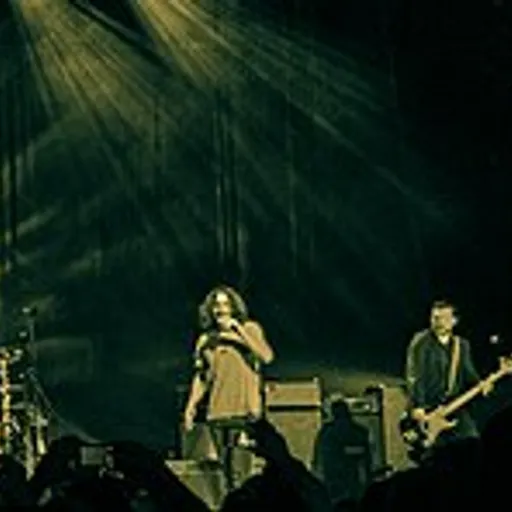
Soundgarden▲ Rising
Superunknown's 'Black Hole Sun' turned a surreal, sun-bleached nightmare into a radio smash in 1994, proving Seattle's sound could be both heavier and weirder than its peers. Chris Cornell's four-octave howl and the band's Sabbath-via-art-rock riffs gave grunge its most technically ferocious edge, the missing link between metal chops and alt-rock songcraft.
Debut/Breakthrough Year: 1988Primary Genre: Grunge/Hard RockSignature Album: Superunknown (1994)Albums Sold (millions, worldwide est.): 20 MGrammy Awards Won: 2Critical Acclaim: 8/10Cultural Impact & Legacy: 7.5/10
added by IJRin 2 rankings
36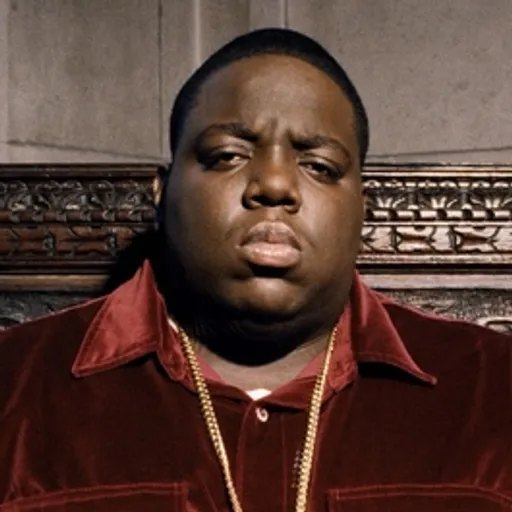
The Notorious B.I.G.▲ Rising
Ready to Die in 1994 turned Brooklyn survivor's guilt into some of rap's most vivid, unhurried storytelling, and Biggie's flow made menace sound like silk. Killed in 1997 just as Life After Death dropped, he became the East Coast's fallen king in a coastal war that reshaped hip-hop's entire power structure.
Debut/Breakthrough Year: 1994Primary Genre: Hip Hop/RapSignature Album: Ready to Die (1994)Albums Sold (millions, worldwide est.): 50 MGrammy Awards Won: 0Critical Acclaim: 9.5/10Cultural Impact & Legacy: 9.5/10
added by IJRin 4 rankingsThe Notorious B.I.G.
22
Oasis▲ Rising
(What's the Story) Morning Glory? sold by the truckload in 1995 and turned Britpop's Blur rivalry into tabloid blood sport, with 'Wonderwall' becoming the decade's most inescapable singalong. Liam and Noel's swagger and Beatles worship gave Britain a working-class rock anthem machine right when American grunge was collapsing into its own ashes.
Debut/Breakthrough Year: 1994Primary Genre: Britpop/RockSignature Album: (What's the Story) Morning Glory? (1995)Albums Sold (millions, worldwide est.): 75 MGrammy Awards Won: 0Critical Acclaim: 8/10Cultural Impact & Legacy: 8.5/10
added by IJRin 2 rankings
18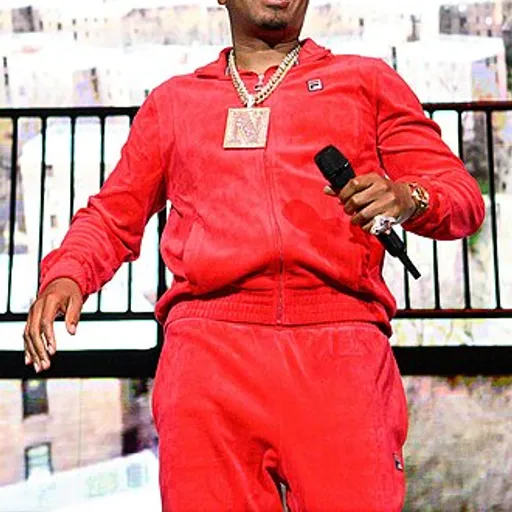
Nas▲ Rising
Illmatic arrived in 1994 as a ten-track, no-filler blueprint for lyrical rap, with 'N.Y. State of Mind' painting Queensbridge in cinematic, unforgiving detail. It set a critical bar so high that Nas spent much of the decade being measured against his own 20-year-old self, which is its own kind of legendary burden.
Debut/Breakthrough Year: 1994Primary Genre: Hip Hop/RapSignature Album: Illmatic (1994)Albums Sold (millions, worldwide est.): 25 MGrammy Awards Won: 1Critical Acclaim: 9.5/10Cultural Impact & Legacy: 8.5/10
added by IJRin 5 rankingsNas
16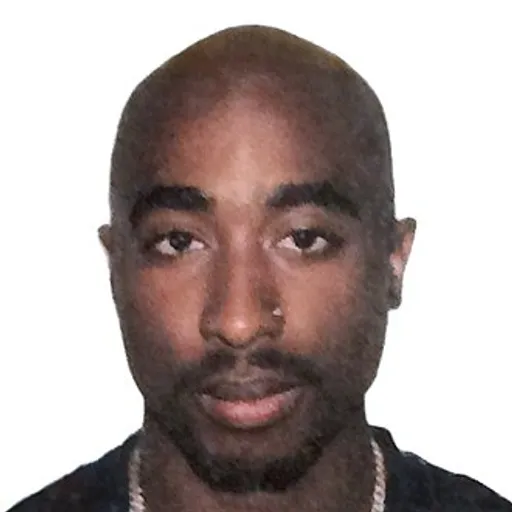
Tupac Shakur▲ Rising
Between prison, gunshot wounds, and a Death Row deal, Tupac turned his own chaos into scripture—'Dear Mama' and 'California Love' showed a poet and a party-starter in the same body. His 1996 murder mid-feud with the East Coast made him hip-hop's martyr, the voice whose posthumous albums still outsold rappers who were alive to promote them.
Debut/Breakthrough Year: 1991Primary Genre: Hip Hop/RapSignature Album: All Eyez on Me (1996)Albums Sold (millions, worldwide est.): 75 MGrammy Awards Won: 0Critical Acclaim: 9/10Cultural Impact & Legacy: 10/10
added by IJRin 4 rankingsTupac Shakur
6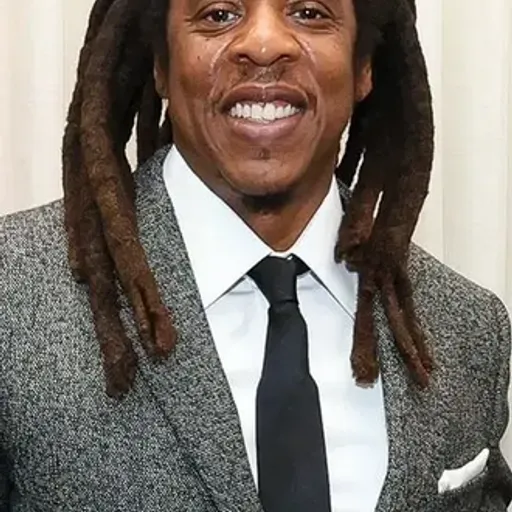
Jay-Z▲ Rising
Reasonable Doubt in 1996 established him as hip-hop's coolest hustler-narrator, but it was the run through Vol. 2...Hard Knock Life in 1998 that turned street mythology into pop chart dominance. By decade's end he'd built the template for rapper-as-mogul, the guy who'd outlast and out-earn nearly everyone he came up with.
Debut/Breakthrough Year: 1996Primary Genre: Hip Hop/RapSignature Album: Reasonable Doubt (1996)Albums Sold (millions, worldwide est.): 140 MGrammy Awards Won: 24Critical Acclaim: 9/10Cultural Impact & Legacy: 9.5/10
added by IJRin 4 rankingsJay-Z
1
Dr. Dre▼ Falling
The Chronic in 1992 didn't just launch G-funk, it rewired West Coast rap into a smooth, synth-heavy menace that dominated radio for years. As producer and talent scout he built Death Row's empire and then Aftermath's, making him the decade's most influential architect even when he wasn't the one rapping.
Debut/Breakthrough Year: 1992Primary Genre: Hip Hop/Rap/G-FunkSignature Album: The Chronic (1992)Albums Sold (millions, worldwide est.): 50 MGrammy Awards Won: 6Critical Acclaim: 9/10Cultural Impact & Legacy: 9.5/10
added by IJRin 5 rankingsDr. Dre
-18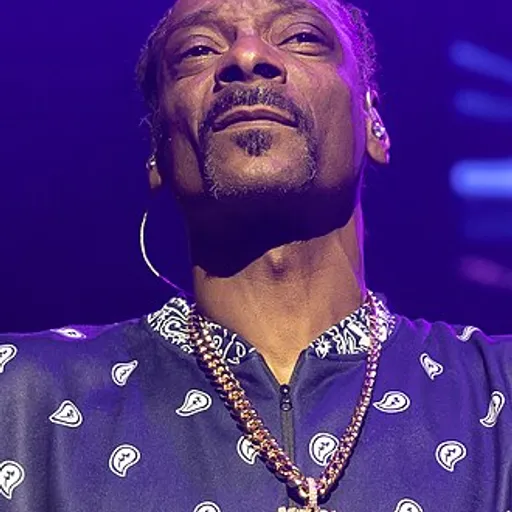
Snoop Dogg▼ Falling
Doggystyle debuted at No. 1 in 1993 off the strength of a laid-back drawl that made gangsta rap sound almost conversational, effortlessly cool where his peers were combative. He became Dre's perfect vocal instrument and hip-hop's most recognizable ambassador, the guy whose voice alone signaled the G-funk era had arrived.
Debut/Breakthrough Year: 1993Primary Genre: Hip Hop/G-FunkSignature Album: Doggystyle (1993)Albums Sold (millions, worldwide est.): 35 MGrammy Awards Won: 0Critical Acclaim: 8.5/10Cultural Impact & Legacy: 8.5/10
added by IJRin 5 rankingsSnoop Dogg
-24
Wu-Tang Clan▼ Falling
Enter the Wu-Tang (36 Chambers) in 1993 turned nine Staten Island MCs and RZA's grimy kung-fu-sampling beats into an entire mythology, then splintered into solo classics from Method Man, Raekwon, and GZA that dominated mid-decade rap. No group did more to prove hip-hop collectives could be both brand and battalion, flooding the culture from a dozen angles at once.
Debut/Breakthrough Year: 1993Primary Genre: Hip Hop/RapSignature Album: Enter the Wu-Tang (36 Chambers) (1993)Albums Sold (millions, worldwide est.): 40 MGrammy Awards Won: 0Critical Acclaim: 9/10Cultural Impact & Legacy: 9/10
added by IJRin 3 rankings
-26
Keep ranking
Comments (10)
Free account · your comment posts right after signup
The crowd is sleeping on the bottom half of this list.
This order is closer to right than any editor would've gotten.
Voted — and the gap between #1 and #2 should be bigger.
Exactly the kind of argument the internet was built for.