🏃Best Athletic Brands Ranked
Athletic brands shape performance gear, cultural trends, and sustainability efforts that athletes and everyday users rely on daily. Rankings hinge on innovation, market impact, and real-world results rather than hype. Vote to reorder the list based on your priorities.
What counts: Best means highest combined innovation, sustainability, popularity and revenue impact; figures are approximate estimates only.
Nike
Nike turned a garage startup into the dominant force by betting early on athlete endorsements and groundbreaking cushioning tech. Its 1980s Air Jordan campaign cemented cultural dominance while ongoing R&D keeps it ahead in running and basketball. The brand earns the top spot through unmatched scale and consistent product leaps.
Founded: 1964Innovation: 9.5/10Sustainability: 7.5/10Popularity: 9.8/10Revenue: 46 B$
- Massive athlete roster
- Pioneering cushioning tech
- Global retail presence
- Past labor controversies
- High price points
- Sustainability lags behind smaller rivals
added by Yourlist Editorialin 3 rankings
24Puma
Puma carved its niche with bold design and motorsport partnerships that Nike largely ignored. The brand's 1990s revival and recent running and soccer lines keep it culturally relevant. Fourth place reflects clever marketing and consistent but smaller-scale innovation.
Founded: 1948Innovation: 7.8/10Sustainability: 7.8/10Popularity: 7.5/10Revenue: 8.5 B$
- Stylish lifestyle-athletic crossover
- Strong motorsport and soccer ties
- Solid sustainability progress
- Less running tech depth
- Smaller R&D budget
- Weaker U.S. market share
added by Yourlist Editorialin 2 rankings
18Under Armour started with moisture-wicking shirts for football players and scaled into full performance apparel and connected fitness. Its rapid 2000s rise challenged Nike in the U.S. before facing recent market share pressure. It holds third for early connected-tech bets and domestic athletic focus.
Founded: 1996Innovation: 8/10Sustainability: 6.5/10Popularity: 7.8/10Revenue: 5.7 B$
- Early connected fitness push
- Strong U.S. team sports presence
- Durable training gear
- Slower international expansion
- Lower sustainability scores
- Recent revenue stagnation
added by Yourlist Editorialin 3 rankingsUnder Armour
17Adidas leveraged its soccer roots and 1970s innovation streak to challenge Nike head-on with Boost foam and Stan Smith classics. Recent 3D-printed and recycled lines show renewed push for performance and eco-progress. It secures second place via strong European heritage and steady tech advances.
Founded: 1949Innovation: 8.8/10Sustainability: 8.2/10Popularity: 9/10Revenue: 23 B$
- Strong soccer and lifestyle crossover
- Boost cushioning success
- Growing recycled materials use
- Fewer U.S. basketball wins
- Slower digital sales growth
- Inconsistent running dominance
added by Yourlist Editorialin 3 rankingsAdidas AG
15New Balance built loyalty through wide-fit running shoes and domestic manufacturing that competitors abandoned. Its 2010s retro revival and athlete signings broadened appeal without losing performance roots. It earns fifth for authentic running heritage and fit innovation.
Founded: 1906Innovation: 7.5/10Sustainability: 7/10Popularity: 7.2/10Revenue: 6.5 B$
- U.S. factory ownership
- Wide-fit expertise
- Growing lifestyle momentum
- Limited basketball presence
- Slower tech marketing
- Smaller global footprint
added by Yourlist Editorialin 2 rankingsNew Balance
14Brooks doubled down on running-only focus when conglomerates diversified, earning cult status among distance runners. DNA cushioning and gait-analysis tools deliver measurable comfort gains. It ranks seventh for pure running dedication and community trust.
Founded: 1914Innovation: 8/10Sustainability: 7.2/10Popularity: 6.8/10Revenue: 1.8 B$
- Runner-centric R&D
- Strong community engagement
- Reliable cushioning
- Minimal lifestyle presence
- Smaller brand awareness
- Limited non-running lines
added by Yourlist EditorialBrooks Sports
11Fila
Fila leveraged tennis and basketball heritage for retro-modern lifestyle-athletic hybrids that resonate with younger buyers. Recent court and training lines refresh its 1990s peak. Sixteenth for nostalgic yet updated appeal.
Founded: 1911Innovation: 6.5/10Sustainability: 5.5/10Popularity: 5.8/10Revenue: 2.8 B$
- Strong retro styling
- Affordable price points
- Tennis and basketball roots
- Lower performance innovation
- Weaker sustainability
- Limited running presence
added by Yourlist Editorialin 2 rankings
10ASICS focused on Japanese engineering precision to dominate marathon and stability categories for decades. Gel cushioning and consistent runner feedback loops keep it trusted by serious athletes. Sixth place stems from quiet reliability rather than flashy campaigns.
Founded: 1949Innovation: 8.2/10Sustainability: 6.8/10Popularity: 6.5/10Revenue: 4.8 B$
- Proven marathon performance
- Stability shoe leadership
- Durable construction
- Weaker lifestyle appeal
- Limited marketing buzz
- Narrower sport coverage
added by Yourlist Editorialin 2 rankingsASICS
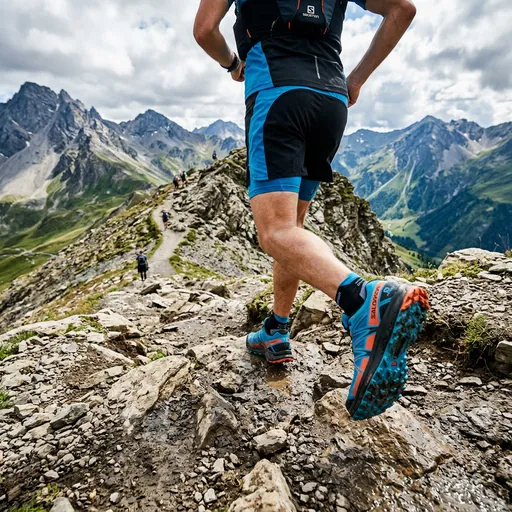
8Salomon translated alpine expertise into trail-running dominance with aggressive outsoles and quick-lace systems that became trail standards. Its 2010s growth under Amer Sports proved technical credibility translates across sports. Tenth place reflects trail-specific leadership.
Founded: 1947Innovation: 8.3/10Sustainability: 7/10Popularity: 5.8/10Revenue: 2.1 B$
- Trail running innovation
- Durable technical construction
- Strong European roots
- Road running weaker
- Less mainstream recognition
- Higher price segment
added by Yourlist Editorialin 2 rankingsSalomon
8Columbia scaled from Pacific Northwest roots to offer affordable, weather-ready athletic and outdoor layers for broad audiences. Omni-Tech and heat-reflective tech deliver practical performance. Fifteenth for value-oriented innovation.
Founded: 1938Innovation: 6.8/10Sustainability: 6.5/10Popularity: 6/10Revenue: 3.4 B$
- Accessible pricing
- Practical weather protection
- Wide distribution
- Less technical prestige
- Weaker athlete endorsements
- Slower sustainability gains
added by Yourlist Editorialin 2 rankingsColumbia Sportswear Company
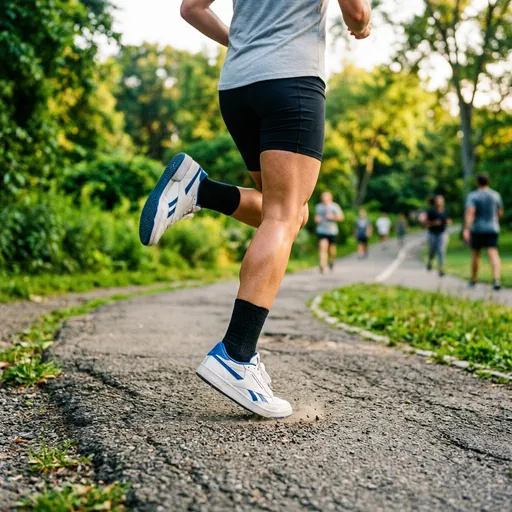
8Reebok pioneered aerobics and cross-training shoes in the 1980s before shifting to CrossFit partnerships that revived its performance image. Recent Adidas ownership brings scale to its training lines. Twenty-first for training niche strength.
Founded: 1958Innovation: 6.8/10Sustainability: 6.5/10Popularity: 5.5/10Revenue: 1.5 B$
- CrossFit training heritage
- Affordable pricing
- Strong functional fitness
- Smaller overall scale
- Limited running tech
- Lower global visibility
added by Yourlist Editorialin 2 rankingsReebok
6Skechers captured walking and casual athletic markets with memory-foam comfort at accessible prices, outpacing many performance brands in volume. Its 2010s growth proved comfort sells broadly. Seventeenth for volume-driven accessibility.
Founded: 1992Innovation: 6.2/10Sustainability: 5/10Popularity: 6.5/10Revenue: 8 B$
- High-volume comfort sales
- Wide retail availability
- Low price entry
- Lower performance credibility
- Minimal athlete partnerships
- Basic sustainability
added by Yourlist Editorialin 2 rankingsSkechers
4Patagonia
Patagonia combined environmental activism with durable outdoor athletic wear, turning customers into advocates. Its Worn Wear program and recycled materials push set industry standards. Fourteenth for values-driven performance.
Founded: 1973Innovation: 7/10Sustainability: 9.5/10Popularity: 6.8/10Revenue: 1.5 B$
- Industry-leading sustainability
- Repair and resale programs
- Strong environmental stance
- Less competitive athletics focus
- Premium pricing
- Smaller running selection
added by Yourlist Editorialin 4 rankings
2The North Face
The North Face leveraged expedition credibility to dominate outdoor athletic and cold-weather performance gear. Its 1990s technical outerwear boom still influences modern layering systems. Twelfth for authentic exploration heritage.
Founded: 1966Innovation: 7/10Sustainability: 7.8/10Popularity: 7.5/10Revenue: 3.2 B$
- Expedition-grade durability
- Strong sustainability commitments
- Versatile outdoor-athletic crossover
- Less running specialization
- Slower fashion cycles
- Limited court sports
added by Yourlist Editorialin 3 rankings
-1Wilson
Wilson dominates team sports equipment with NFL, NBA and MLB partnerships while expanding into performance apparel. Its heritage in balls and racquets gives authentic athletic credibility. Nineteenth for equipment-to-apparel bridge.
Founded: 1913Innovation: 6.8/10Sustainability: 5.5/10Popularity: 6/10Revenue: 1 B$
- Team sports equipment leadership
- Strong league partnerships
- Durable construction
- Limited running lines
- Lower apparel innovation
- Narrow lifestyle appeal
added by Yourlist Editorial
-1Lululemon
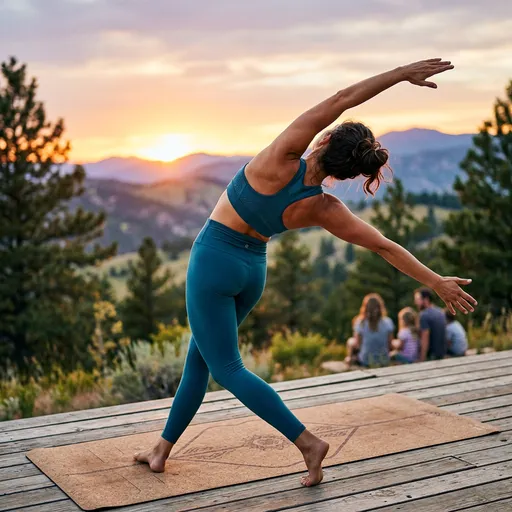
Lululemon shifted athletic apparel from gym-only to everyday wear with buttery-soft fabrics and community yoga events. Its 2010s expansion into men’s and running created a lifestyle-athleisure hybrid. Eleventh for redefining comfort and retail experience.
Founded: 1998Innovation: 7.2/10Sustainability: 7.5/10Popularity: 8/10Revenue: 9.6 B$
- Premium fabric feel
- Strong community events
- Growing men’s line
- Less performance sport focus
- Higher prices
- Past quality controversies
added by Yourlist Editorialin 2 rankings
-3Arc'teryx applied climbing precision to create minimalist, high-performance shells that athletes adopted for trail and ski. Its quiet technical reputation drives premium loyalty. Thirteenth for uncompromising construction quality.
Founded: 1989Innovation: 8.8/10Sustainability: 7.5/10Popularity: 5.5/10Revenue: 1.1 B$
- Exceptional build quality
- Technical innovation leader
- Growing trail running line
- Very high prices
- Narrow brand awareness
- Limited lifestyle options
added by Yourlist EditorialArc'teryx
-3Mizuno
Mizuno applied Japanese baseball and running precision to deliver lightweight, responsive shoes trusted by elite track athletes. Its Wave technology offers distinct cushioning feel. Eighteenth for quiet technical excellence.
Founded: 1906Innovation: 7.5/10Sustainability: 6/10Popularity: 4.8/10Revenue: 1.4 B$
- Elite track performance
- Responsive cushioning
- Baseball heritage
- Limited brand visibility
- Narrow sport focus
- Smaller marketing reach
added by Yourlist Editorialin 2 rankings
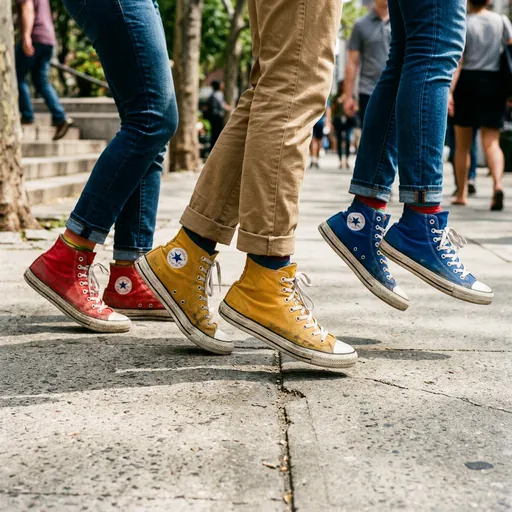
-4Converse leveraged basketball origins and Chuck Taylor legacy into cultural staple status, later adding performance lines under Nike ownership. Its canvas heritage remains iconic. Twenty-third for timeless court style.
Founded: 1908Innovation: 5.5/10Sustainability: 5/10Popularity: 7.8/10Revenue: 2 B$
- Iconic court heritage
- Mass cultural recognition
- Affordable entry
- Minimal performance innovation
- Basic athletic features
- Lower sustainability
added by Yourlist Editorialin 3 rankingsConverse
-4Hoka introduced maximalist stack heights that upended traditional running shoe norms and quickly captured trail and road runners seeking protection. Its rapid growth under Deckers shows the power of comfort-first design. Eighth place comes from disruptive cushioning that forced industry response.
Founded: 2009Innovation: 8.5/10Sustainability: 6/10Popularity: 7/10Revenue: 1.6 B$
- Maximal cushioning trendsetter
- Fast growth trajectory
- Strong trail and road crossover
- Newer brand with less heritage
- Lower sustainability focus
- Premium pricing criticism
added by Yourlist Editorialin 2 rankingsHoka
-5Athleta carved a women-focused athletic niche under Gap Inc. with inclusive sizing and yoga-to-run versatility. Its 2010s expansion emphasized community and sustainability messaging. Twenty-fifth for targeted demographic strength.
Founded: 1998Innovation: 6/10Sustainability: 7.8/10Popularity: 5.8/10Revenue: 1.7 B$
- Inclusive sizing and fit
- Strong sustainability messaging
- Yoga-to-run versatility
- Narrower sport coverage
- Lower performance innovation
- Less athlete endorsements
added by Yourlist EditorialAthleta
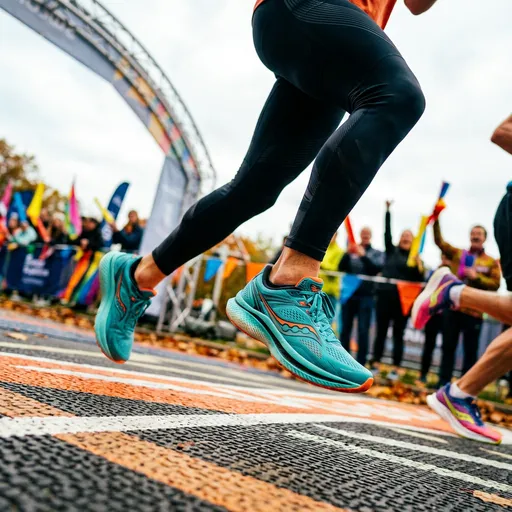
-5Saucony stayed true to its Pennsylvania running roots while delivering speed and everyday trainers that serious runners praise. Kinvara and Triumph lines repeatedly earn race-day and daily-mile awards. Ninth for consistent performance without overhyping.
Founded: 1898Innovation: 7.8/10Sustainability: 6.5/10Popularity: 6.2/10Revenue: 1.2 B$
- Speed shoe excellence
- Loyal runner following
- Lightweight designs
- Limited brand visibility
- Narrow sport range
- Smaller marketing spend
added by Yourlist Editorialin 2 rankingsSaucony
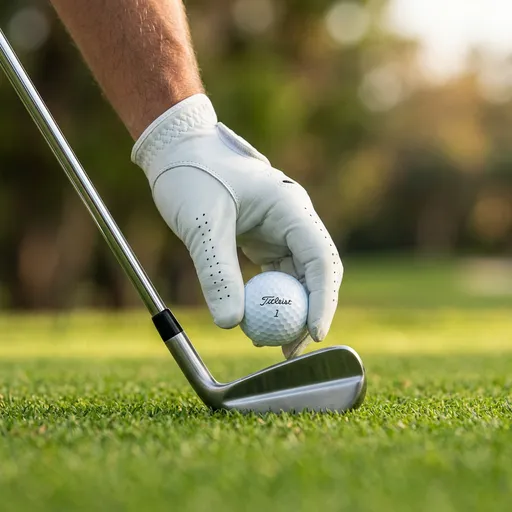
-7Titleist built unmatched golf trust through tour-proven balls and clubs, then expanded into performance apparel for serious golfers. Its fitting and data-driven approach sets standards. Twentieth for golf-specific excellence.
Founded: 1932Innovation: 7/10Sustainability: 5/10Popularity: 5.2/10Revenue: 1.8 B$
- Golf tour dominance
- Data-driven fitting
- Premium quality
- Golf-only focus
- High prices
- Minimal broader athletics
added by Yourlist EditorialTitleist
-10Vans turned skate roots into action-sports credibility with durable vulcanized shoes adopted by BMX and surfing athletes. Its 2000s lifestyle surge broadened reach. Twenty-second for skate authenticity.
Founded: 1966Innovation: 6/10Sustainability: 5.8/10Popularity: 7/10Revenue: 2.5 B$
- Skate and action-sports roots
- Durable vulcanized construction
- Strong youth culture
- Limited running performance
- Basic cushioning tech
- Lower sustainability focus
added by Yourlist Editorialin 3 rankingsVans
-11Gymshark built a direct-to-consumer fitness apparel brand through influencer partnerships and community events targeting younger lifters. Rapid 2010s growth proved social media power. Twenty-fourth for modern digital-first approach.
Founded: 2012Innovation: 6.5/10Sustainability: 5.5/10Popularity: 6.8/10Revenue: 0.6 B$
- Influencer-driven growth
- Strong community events
- Trendy training fits
- Newer brand with less heritage
- Limited performance tech
- Smaller revenue base
added by Yourlist EditorialGymshark
-12