🎸Best Bass Lines of All Time
Iconic bass lines have anchored hits across rock, funk, and metal for decades, turning simple grooves into unforgettable hooks. They showcase players who drive the band and define the song's energy. Vote to rank your favorites.
What counts: Best means most memorable, influential, and groove-defining bass lines with strong cultural impact. Lengths and dates are approximate.
Another One Bites the Dust (Queen)
John Deacon's minimal four-note riff became the backbone of Queen's 1980 hit and a dance-floor staple. Its staccato punch and relentless repetition made it instantly recognizable worldwide. The line's simplicity hides how perfectly it locks with the drums to create unstoppable momentum.
Year: 1980Artist: QueenAlbum: The GameLength: 3:35Impact: 9.7/10
- Instantly recognizable hook
- Perfect dance groove
- Massive cultural reach
- Very repetitive
- Low technical complexity
- Relies heavily on production
added by Yourlist EditorialAnother One Bites the Dust
19Chris Wolstenholme's intricate, high-register bass line carries the 2003 single almost alone. It blends classical influence with rock energy in a technically demanding performance. The track proved bass could headline a modern rock hit.
Year: 2003Artist: MuseAlbum: AbsolutionLength: 3:47Impact: 9.1/10
- Technically impressive
- Melodic throughout
- Carries the whole song
- Difficult to play live
- Can feel busy
- Less groove-focused
added by Yourlist EditorialHysteria
16Sting's pulsing reggae-inflected bass anchors the 1978 hit with steady, hypnotic repetition. The line supports the vocal while adding subtle movement. It helped introduce reggae bass feel to mainstream rock.
Year: 1978Artist: The PoliceAlbum: Outlandos d'AmourLength: 3:12Impact: 8.2/10
- Steady hypnotic pulse
- Reggae-rock blend
- Vocal support
- Minimal melodic content
- Repetitive
- Song is short
added by Yourlist EditorialRoxanne
12Bernard Edwards' funky, syncopated line from 1979 became one of the most sampled bass parts ever. It bridges disco and hip-hop with effortless cool. The groove directly inspired Rapper's Delight and countless tracks.
Year: 1979Artist: ChicAlbum: RisquéLength: 8:13Impact: 9/10
- Highly influential sample source
- Smooth disco-funk blend
- Timeless dance floor filler
- Very long original
- Studio-polished sound
- Often reduced to samples
added by Yourlist EditorialGood Times
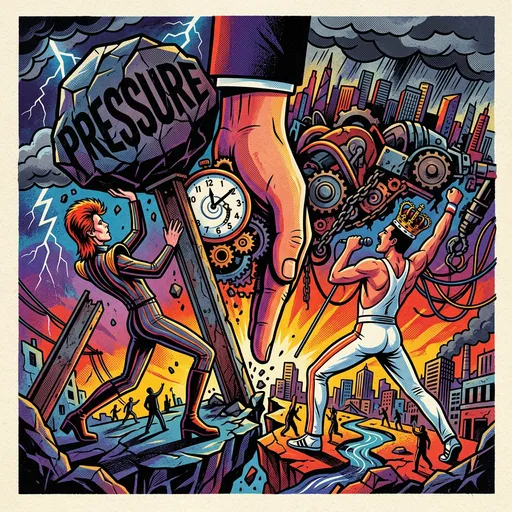
11Under Pressure (Queen & David Bowie)
John Deacon's walking bass line carries the 1981 duet with graceful movement and tension. It builds alongside the piano and vocals into anthemic release. The groove remains instantly recognizable.
Year: 1981Artist: Queen & David BowieAlbum: Hot SpaceLength: 4:08Impact: 8.1/10
- Elegant walking line
- Builds tension perfectly
- Iconic collaboration
- Piano often dominates
- Less aggressive
- Tied to vocal hook
added by Yourlist EditorialUnder Pressure
7Roger Waters crafted a 7/4 time-signature groove that opens the 1973 classic and never lets go. The cash-register sound effects and walking bass line set an unforgettable mood. It proved bass could carry both rhythm and conceptual weight.
Year: 1973Artist: Pink FloydAlbum: The Dark Side of the MoonLength: 6:22Impact: 9.4/10
- Unusual time signature mastery
- Atmospheric and thematic
- Instant album opener
- Long and slow build
- Not danceable
- Requires precise band timing
added by Yourlist EditorialMoney
6Jack Bruce's heavy, descending riff opens the 1967 classic and defines psychedelic blues rock. The line's weight and simplicity made it a riff everyone learned. It showed bass could be the main hook.
Year: 1967Artist: CreamAlbum: Disraeli GearsLength: 4:08Impact: 8.7/10
- Heavy memorable riff
- Blues-rock foundation
- Easy to learn and play
- Very repetitive
- Minimal variation
- Long solos dominate
added by Yourlist EditorialSunshine of Your Love
6Louis Johnson's popping, melodic bass drives the 1982 thriller single from start to finish. The line weaves around the vocal and synths while staying locked to the beat. It turned a pop track into a masterclass in bass as lead instrument.
Year: 1982Artist: Michael JacksonAlbum: ThrillerLength: 4:54Impact: 9.5/10
- Melodic and rhythmic at once
- Signature popping tone
- Elevates the entire arrangement
- Studio-heavy production
- Hard to replicate live
- Often buried in mixes
added by Yourlist EditorialBillie Jean
4John McVie's driving bass powers the 1977 Rumours closer and its famous outro build. The line shifts from steady verses into an explosive, anthemic section. It became a concert staple and sports-arena favorite.
Year: 1977Artist: Fleetwood MacAlbum: RumoursLength: 4:28Impact: 9.2/10
- Explosive dynamic shift
- Arena-ready power
- Memorable outro riff
- Song is long
- Bass less prominent in verses
- Tied to band drama
added by Yourlist EditorialThe Chain
4Mike Dirnt's bouncy, melodic bass opens the 1994 Dookie hit and never stops moving. It gives the punk track an unexpected funk undertone. The line helped define 90s pop-punk bass playing.
Year: 1994Artist: Green DayAlbum: DookieLength: 3:59Impact: 8.9/10
- Catchy melodic hook
- Punk energy with funk feel
- Great live energy
- Simple chord structure
- Can feel repetitive
- Tied to specific era sound
added by Yourlist EditorialLongview
4John Entwistle's aggressive, distorted bass leads the 1965 mod anthem with raw power. It pushes the band into new territory and foreshadows punk. The line helped redefine what bass could do in rock.
Year: 1965Artist: The WhoAlbum: My GenerationLength: 3:18Impact: 8.8/10
- Aggressive distorted tone
- Pioneering rock bass
- High energy
- Short and raw
- Less melodic
- Era-specific production
added by Yourlist EditorialMy Generation
4I Want You Back (The Jackson 5)
Wilton Felder's tight, melodic bass drives the 1969 Motown classic with youthful bounce. The line supports the vocal hooks while adding its own movement. It became a blueprint for pop bass.
Year: 1969Artist: The Jackson 5Album: Diana Ross Presents The Jackson 5Length: 2:59Impact: 7.9/10
- Youthful energetic bounce
- Perfect Motown support
- Highly melodic
- Short song
- Production dated
- Bass shares spotlight
added by Yourlist EditorialI Want You Back
3Paul McCartney's swampy, syncopated line anchors the 1969 Abbey Road opener with hypnotic repetition. It blends blues feel with rock energy in a way few have matched. The bass becomes the song's central character.
Year: 1969Artist: The BeatlesAlbum: Abbey RoadLength: 4:20Impact: 9.3/10
- Iconic swampy tone
- Perfect vocal support
- Timeless groove
- Minimal variation
- Hard to hear on some systems
- Song structure is loose
added by Yourlist EditorialCome Together
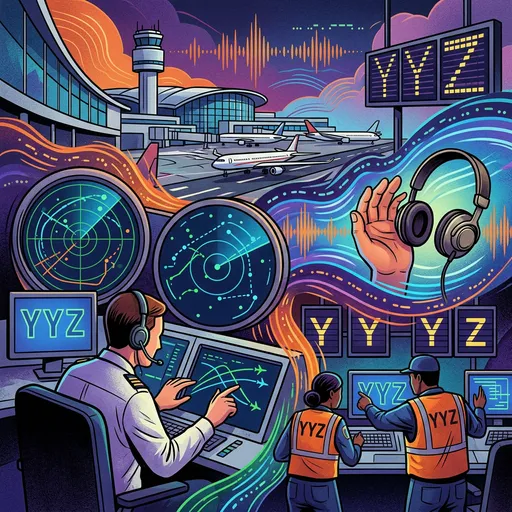
1Geddy Lee's intricate, Morse-code-inspired bass opens the 1981 instrumental and showcases technical mastery. The line weaves through odd time signatures with precision. It became a benchmark for prog bass playing.
Year: 1981Artist: RushAlbum: Moving PicturesLength: 4:24Impact: 8.6/10
- Technical showcase
- Unique thematic idea
- Prog benchmark
- Instrumental only
- Complex for casual listeners
- Less groove-oriented
added by Yourlist EditorialYYZ
1The laid-back, cruising bass line on the 1975 hit defines the song's cool, low-slung vibe. It became synonymous with car culture and 70s funk. The groove is instantly transportive.
Year: 1975Artist: WarAlbum: Why Can't We Be Friends?Length: 3:11Impact: 7.8/10
- Cool cruising feel
- Cultural icon status
- Relaxed yet tight
- Very repetitive
- Minimal variation
- Tied to specific image
added by Yourlist EditorialLow Rider
1The bouncing, rubbery bass line on the 2005 hit gives the track its infectious bounce. It mixes hip-hop and rock with playful energy. The groove became a defining 2000s bass hook.
Year: 2005Artist: GorillazAlbum: Demon DaysLength: 3:42Impact: 8.3/10
- Playful and bouncy
- Cross-genre appeal
- Highly danceable
- Short and simple
- Relies on production
- Not technically flashy
added by Yourlist EditorialFeel Good Inc.
0Justin Chancellor's deep, grinding bass drives the 2001 single through shifting time signatures. The line creates tension and release that matches the song's emotional arc. It proved bass could carry progressive metal.
Year: 2001Artist: ToolAlbum: LateralusLength: 6:47Impact: 8.5/10
- Heavy emotional weight
- Complex rhythmic shifts
- Signature Tool sound
- Very long
- Dark and dense
- Requires focused listening
added by Yourlist EditorialSchism
-1White Rabbit (Jefferson Airplane)
Jack Casady's rumbling, Eastern-influenced bass builds the 1967 psychedelic classic with hypnotic depth. The line adds menace and movement beneath the vocal. It helped define acid-rock bass.
Year: 1967Artist: Jefferson AirplaneAlbum: Surrealistic PillowLength: 2:31Impact: 7.4/10
- Hypnotic Eastern influence
- Adds menace and depth
- Psychedelic benchmark
- Short track
- Production is raw
- Less distinct melody
added by Yourlist EditorialWhite Rabbit
-4Orion (Metallica)
Cliff Burton's melodic bass solo and main riff elevate the 1986 instrumental into a metal classic. The line blends classical phrasing with thrash aggression. It remains one of metal's most revered bass moments.
Year: 1986Artist: MetallicaAlbum: Master of PuppetsLength: 8:27Impact: 8.4/10
- Iconic melodic solo
- Emotional depth
- Metal bass benchmark
- Long instrumental
- Tied to Burton's legacy
- Dense arrangement
added by Yourlist Editorial
-5Thank You (Sly and the Family Stone)
Larry Graham's pioneering slap bass opens the 1969 track and helped invent the technique. The line's percussive punch changed how bass could sound in funk. It remains a foundational moment.
Year: 1969Artist: Sly and the Family StoneAlbum: Stand!Length: 4:48Impact: 7.6/10
- Pioneered slap technique
- Percussive innovation
- Funk foundation
- Early slap tone is raw
- Song is long
- Less melodic focus
added by Yourlist Editorial
-5The funky, syncopated bass on the 1981 hit became a staple sample and dance classic. It locks tight with the drums and horns for maximum party energy. The line helped define 80s funk bass.
Year: 1981Artist: Rick JamesAlbum: Street SongsLength: 3:24Impact: 8/10
- Funky and danceable
- Widely sampled
- High party energy
- Era-specific sound
- Simple structure
- Often reduced to samples
added by Yourlist EditorialSuper Freak
-6George Porter Jr.'s tight, syncopated New Orleans funk line powers the 1969 instrumental classic. It blends second-line rhythms with rock energy. The track became a bass player's study piece.
Year: 1969Artist: The MetersAlbum: The MetersLength: 3:02Impact: 7.7/10
- Authentic New Orleans funk
- Tight rhythmic pocket
- Study-piece status
- Instrumental only
- Short and repetitive
- Regional appeal
added by Yourlist EditorialCissy Strut
-8The Real Thing (Faith No More)
Billy Gould's thick, grinding bass drives the 1989 title track with industrial weight. The line anchors the band's eclectic sound. It showed how bass could add heaviness to alternative rock.
Year: 1989Artist: Faith No MoreAlbum: The Real ThingLength: 7:54Impact: 7.2/10
- Heavy industrial tone
- Anchors eclectic band
- Strong dynamic range
- Long track
- Can feel buried
- Tied to specific genre
added by Yourlist EditorialThe Real Thing
-8Stevie Wonder's own clavinet dominates but the bass locks the 1972 funk groove with precision. The line supports the iconic riff while adding its own punch. It became a funk essential.
Year: 1972Artist: Stevie WonderAlbum: Talking BookLength: 4:26Impact: 7.3/10
- Tight funk pocket
- Supports iconic riff
- High dance energy
- Clavinet overshadows bass
- Not a pure bass showcase
- Repetitive structure
added by Yourlist EditorialSuperstition
-10Walk on the Wild Side (Lou Reed)
Herbie Flowers' double bass and electric bass combo creates the iconic 1972 walking line. The simple two-note motif supports the storytelling perfectly. It became one of rock's most quoted bass parts.
Year: 1972Artist: Lou ReedAlbum: TransformerLength: 4:12Impact: 7.5/10
- Iconic simple motif
- Perfect storytelling support
- Widely quoted
- Very minimal
- Double bass may not translate
- Tied to vocal narrative
added by Yourlist EditorialWalk on the Wild Side
-15