Best BBQ styles
From the smoky pits of the Carolinas to the fiery brisket temples of Texas, BBQ styles have sparked friendly rivalries and heated debates for generations. Each region swears by its own blend of wood, sauce, rub, and cooking time, turning barbecue into a delicious battleground of tradition and taste. Which style truly reigns supreme? Cast your vote and defend your favorite!
What counts: Seeded with approximate figures where shown — the crowd's votes decide the order.
Texas brisket▲ Rising
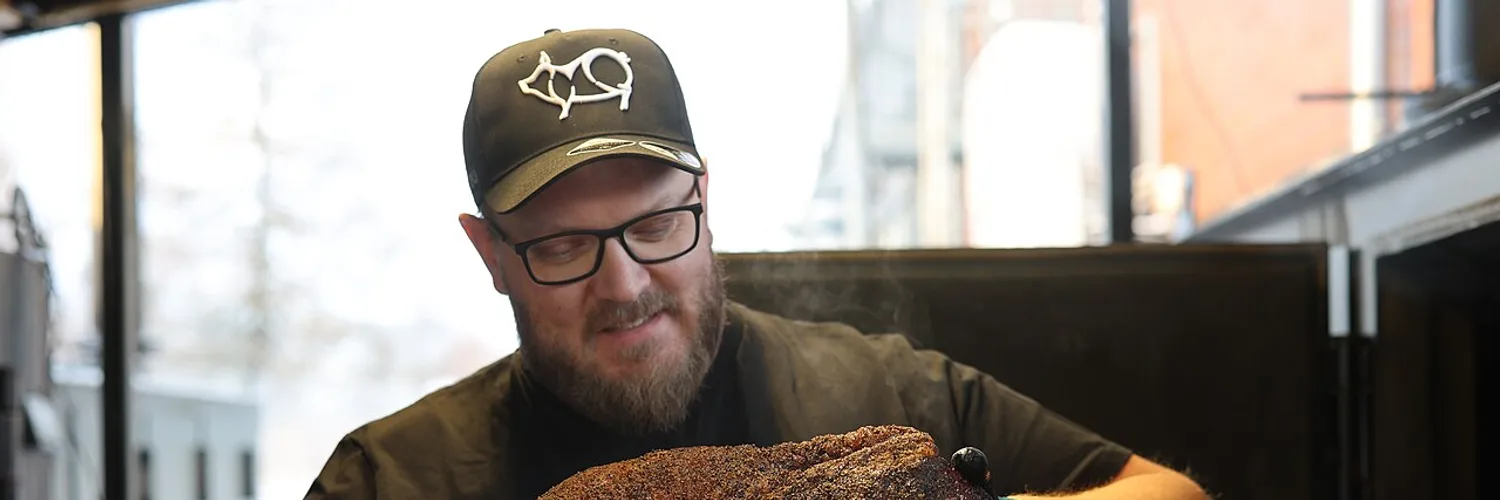
Central Texas meat markets turned a tough, cheap cut into the genre's Mount Everest: nothing but salt, pepper, smoke, and a dozen patient hours until the fat renders into something silky. It shifted the entire national conversation from sauce-first to smoke-first, proving restraint could be the boldest flavor of all. No ranking of BBQ styles works without the cut that made pitmasters into celebrities and lines-before-dawn a competitive sport.
added by IJR
63Carolina pulled pork▲ Rising
Whole-hog cookery split into warring camps — Eastern NC's vinegar-pepper tang versus the Midlands' mustard-based 'Carolina gold' — but both agree the payoff is meat so tender it falls apart under a fork. It's the style that made 'pulled' a verb everyone understands and turned hush puppies and slaw into required side dishes. The argument for its ranking: it's arguably America's oldest true barbecue tradition, predating the smoke-ring obsession by centuries.
added by IJR
56Memphis dry rub▲ Rising
Memphis said no to sauce and yes to a paprika-cayenne-brown-sugar crust so good it crackles before you even reach the meat, with the sauce served on the side like an afterthought. Rendezvous made 'dry ribs' a pilgrimage destination, proving flavor could come from the rub and the pit, not a bottle. It earns its spot for pioneering the idea that barbecue could be a seasoning philosophy as much as a sauce recipe.
added by IJR
39Kansas City ribs
KC took Memphis's dry-rub backbone and Texas's smoke, then drowned it all in a thick, molasses-sweet tomato sauce that basically became the default 'barbecue sauce' on every grocery shelf in America. The city's stockyards and rail lines made it a melting pot of styles, and Arthur Bryant's turned that fusion into legend. It belongs here because it's the style that most Americans, whether they know it or not, picture when they hear the word 'barbecue.'
added by IJR
17Alabama white sauce▲ Rising
Big Bob Gibson dunked smoked chicken into a mayonnaise-vinegar-black-pepper sauce in the 1920s, and the result was so counterintuitive it basically created its own subcategory of American barbecue. It flipped the script on what 'sauce' even meant — tangy and cool instead of sweet and red — and gave poultry its first real seat at the barbecue table. It ranks here as the ultimate insider's move: the sauce regulars swear by once they've had it, and outsiders can't quite believe works.
added by IJR
11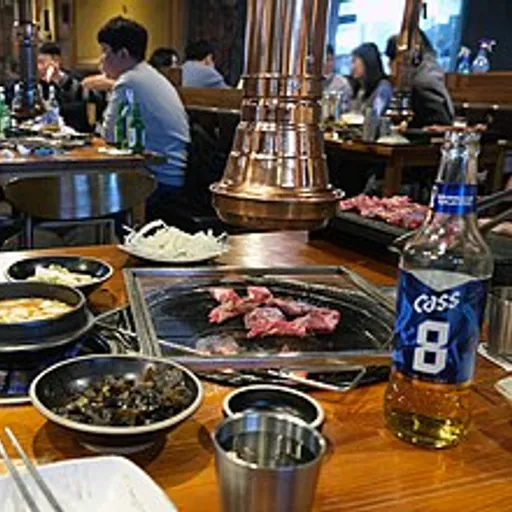
Korean BBQ▼ Falling
Tabletop grills turned dinner into theater: thin-sliced galbi and bulgogi marinated in soy, sugar, and garlic, cooked communally, wrapped in lettuce with ssamjang and garlic cloves. It globalized the idea that barbecue could be interactive rather than a pit-master's solo performance, exploding into a worldwide restaurant category from Seoul to Los Angeles's K-town. Its place on this list is earned by redefining 'barbecue' entirely — proving smoke isn't required, just fire, meat, and a crowd.
added by IJR
-28St. Louis ribs▼ Falling
St. Louis took the spare rib, trimmed off the cartilage and rib tips for a cleaner, rectangular cut, then slathered it in a sweet-tangy sauce that became the shape every grocery-store rack now imitates. It's the style that solved barbecue's presentation problem — uniform, easy to sauce, easy to eat — turning ribs into the crowd-pleaser centerpiece of backyard cookouts everywhere. It ranks here for quietly becoming the default rib shape of American barbecue without ever needing the spotlight.
added by IJR
-34Santa Maria tri-tip▼ Falling
California ranchers in the 1950s took a triangular cut nobody wanted, threw it over red oak coals on a rotating grill, and rubbed it with nothing but salt, pepper, and garlic — creating the West Coast's answer to brisket. It's fast where Texas is slow, direct-heat where others smoke low, proving barbecue doesn't have to take all day to earn its place at a Central Coast fairground cook-off. Its ranking case: it's the underdog cut that built an entire regional identity around simplicity and open flame.
added by IJR
-48
Keep ranking
Comments (8)
Free account · your comment posts right after signup
This order is closer to right than any editor would've gotten.
Voted — and the gap between #1 and #2 should be bigger.
The crowd is sleeping on the bottom half of this list.
- LLena ReyesJul 28, 2026
Exactly the kind of argument the internet was built for.