
🎸Best Beatles Songs of All Time
The Beatles' catalog shaped modern music with hooks, experimentation, and emotional range that still dominate playlists and debates. Rankings hinge on chart dominance, studio innovation, and lasting cultural resonance rather than nostalgia alone. Compare the contenders and vote for your top picks.
What counts: Best means enduring popularity plus artistic ambition, measured by original chart peaks, album context, and influence; figures are approximate chart positions.
Lennon's 1967 psychedelic single fused tape loops and backward effects into a dreamlike meditation on childhood and identity. It paired with Penny Lane to signal the band's experimental peak during the Sgt. Pepper sessions. The track's sonic ambition redefined what pop records could contain.
Year: 1967Album: SingleUK Peak: 2US Peak: 8Legacy: 9.6/10
- Revolutionary production
- Deep lyrical introspection
- Influenced art-rock
- Did not top UK charts
- Dense arrangement can alienate
- Less immediate than hits
added by Yourlist EditorialStrawberry Fields Forever
15Harrison's 1969 contribution to Abbey Road showcased his maturing songwriting with a tender love song that became the first Beatles single led by him. Its elegant guitar line and subtle orchestration highlighted the band's late-era polish. The track proved Harrison could match Lennon-McCartney at their peak.
Year: 1969Album: Abbey RoadUK Peak: 4US Peak: 1Legacy: 9.4/10
- Harrison's breakthrough
- Smooth melodic craft
- Frequent cover favorite
- Overshadowed by other tracks
- Lacks raw energy
- Sometimes dismissed as filler
added by Yourlist Editorialin 2 rankingsSomething
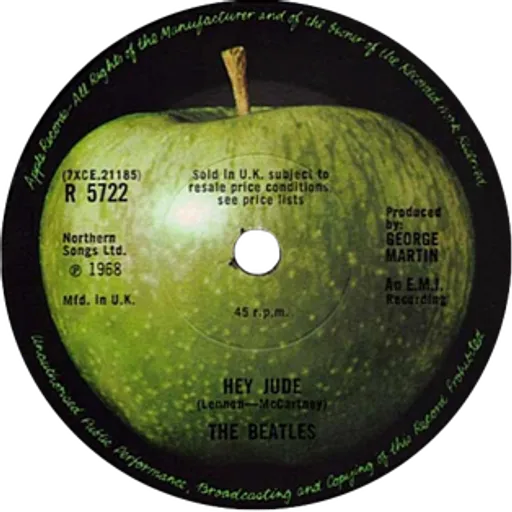
14Released as a single in 1968, the song stretched to seven minutes with a soaring coda that turned radio conventions upside down. Its anthemic build captured the band's shift from pop to expansive statements. The track's universal sing-along appeal secured its place at the top of every retrospective.
Year: 1968Album: SingleUK Peak: 1US Peak: 1Legacy: 9.8/10
- Massive sing-along coda
- Chart-topping longevity
- Emotional universality
- Overexposed in media
- Lacks the edge of earlier work
- Extended length can drag
added by Yourlist Editorialin 4 rankingsHey Jude
12Harrison's acoustic gem from Abbey Road captured a sense of relief after the band's business troubles with a bright melody and Moog touches. Its simple joy contrasted the era's heavier rock. The song became one of the most streamed Beatles tracks decades later.
Year: 1969Album: Abbey RoadUK Peak: —US Peak: —Legacy: 9.1/10
- Uplifting melody
- Harrison showcase
- Modern streaming staple
- Never a single
- Short and slight
- Overly optimistic tone
added by Yourlist Editorialin 2 rankingsHere Comes the Sun
12Written in 1965 and released on Help!, the acoustic ballad marked McCartney's first solo credit and introduced string arrangements to the band's sound. Its simple melody and regretful lyrics became a template for introspective pop. The song's worldwide covers cemented its status as the most recorded Beatles track.
Year: 1965Album: Help!UK Peak: 8US Peak: 1Legacy: 9.7/10
- Iconic string arrangement
- Universal lyrical theme
- Spawned countless covers
- McCartney-only recording
- Feels slight compared to rock peers
- Overplayed at events
added by Yourlist EditorialYesterday
10Opening Abbey Road in 1969, Lennon's bluesy groove and cryptic lyrics created an instantly recognizable riff that defined late-period swagger. The track's funky bass and studio polish showed the band still pushing boundaries. Its enduring use in media keeps it culturally prominent.
Year: 1969Album: Abbey RoadUK Peak: 4US Peak: 1Legacy: 9/10
- Iconic opening riff
- Strong groove
- Frequent licensing
- Lyrical nonsense
- Lennon plagiarism suit
- Less melodic than peers
added by Yourlist EditorialCome Together
10Recorded in 1970 amid band tensions, the title track offered a gospel-tinged message of acceptance that became the group's farewell statement. Its organ solo and choral backing elevated it beyond standard balladry. The song's calm resolve made it an enduring comfort anthem.
Year: 1970Album: Let It BeUK Peak: 2US Peak: 1Legacy: 9.5/10
- Soaring gospel feel
- Timeless reassurance theme
- Strong chart performance
- Recorded during breakup
- Overly sentimental to some
- Production disputes
added by Yourlist Editorialin 2 rankingsLet It Be
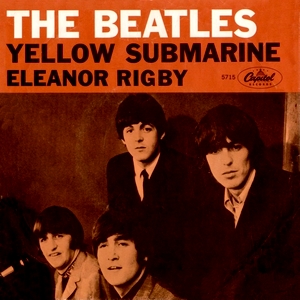
9From 1966's Revolver, the string-quartet driven track delivered a bleak portrait of loneliness that contrasted sharply with the band's upbeat image. McCartney's narrative and the double-tracked vocals created an austere atmosphere. Its stark arrangement pushed the Beatles further into mature territory.
Year: 1966Album: RevolverUK Peak: 1US Peak: 11Legacy: 9.3/10
- Bold string arrangement
- Mature lyrical themes
- Influenced baroque pop
- Dark tone limits replay
- No band instruments
- Charted lower in US
added by Yourlist EditorialEleanor Rigby
9The 1965 title track revealed Lennon's personal anxiety beneath the upbeat surface, marking a shift toward confessional songwriting. Its urgent rhythm and harmonica gave it immediate drive. The song's honesty foreshadowed the band's deeper later work.
Year: 1965Album: Help!UK Peak: 1US Peak: 1Legacy: 8.7/10
- Personal lyrical turn
- Strong chart success
- Catchy urgent hook
- Title track overshadowed
- Film tie-in dated
- Less complex arrangement
added by Yourlist Editorialin 2 rankingsHelp!
7The 1967 companion single to Strawberry Fields painted a nostalgic Liverpool street scene with brass and inventive production touches. McCartney's detailed storytelling balanced Lennon's psychedelic side. Together the pair marked the height of the band's creative confidence.
Year: 1967Album: SingleUK Peak: 2US Peak: 1Legacy: 9.2/10
- Vivid storytelling
- Brass-band creativity
- Strong double-A side
- Paired with superior B-side
- Nostalgia can feel twee
- Less experimental
added by Yourlist EditorialPenny Lane
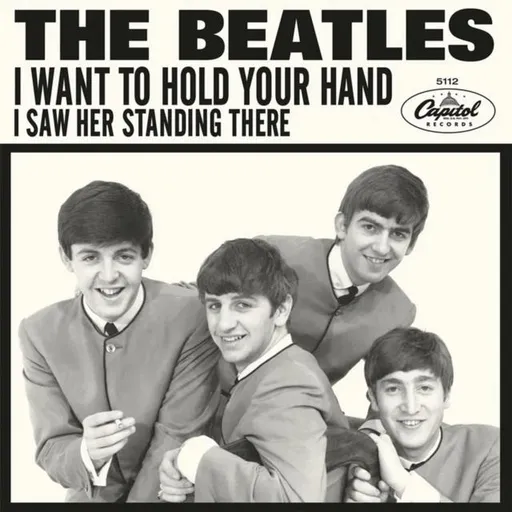
6The 1963 single that ignited Beatlemania in America with its hand-clap energy and direct chorus. It topped charts on both sides of the Atlantic and launched the British Invasion. The track's raw enthusiasm remains the purest distillation of early Beatles appeal.
Year: 1963Album: SingleUK Peak: 1US Peak: 1Legacy: 8.9/10
- Historic breakthrough
- Instant sing-along hook
- Captured youthful energy
- Early simple style
- Dated production
- Overshadowed by later work
added by Yourlist Editorialin 3 rankingsI Want to Hold Your Hand
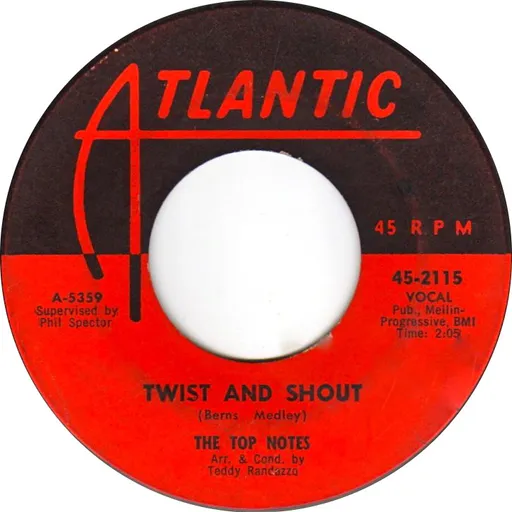
6The 1963 cover that closed their debut album with Lennon's rawest vocal performance and a building intensity that still thrills. Its live versions became legendary set-closers. The track proved the band's ability to transform covers into signature moments.
Year: 1963Album: Please Please MeUK Peak: 4US Peak: 2Legacy: 8.8/10
- Explosive vocal delivery
- Live staple energy
- Perfect album closer
- Cover not original
- Early raw sound
- Vocals strained in takes
added by Yourlist Editorialin 5 rankingsTwist and Shout
6The 1964 single delivered an upbeat, horn-driven declaration of independence that topped charts worldwide during the height of Beatlemania. Its straightforward joy and tight performance exemplified early peak energy. The track's commercial dominance remains unmatched.
Year: 1964Album: SingleUK Peak: 1US Peak: 1Legacy: 8.2/10
- Instant chart smash
- Upbeat energy
- Perfect pop structure
- Simple lyrics
- Early formulaic sound
- Less artistic depth
added by Yourlist EditorialCan't Buy Me Love
4Closing Sgt. Pepper in 1967, the track wove Lennon's news-inspired verses with McCartney's middle-eight into a symphonic collage that summed up the album's ambition. The famous orchestral crescendo and final piano chord delivered a dramatic finale. It remains the band's most critically acclaimed single piece.
Year: 1967Album: Sgt. Pepper'sUK Peak: —US Peak: —Legacy: 9.9/10
- Orchestral innovation
- Narrative depth
- Perfect album closer
- Not released as single
- Requires full listen
- Too avant-garde for some
added by Yourlist Editorialin 2 rankingsA Day in the Life
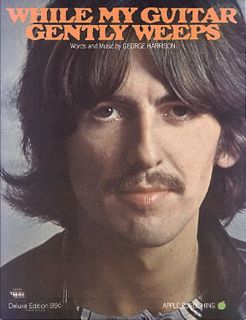
1Harrison's 1968 White Album epic featured Clapton's guest solo and a brooding atmosphere that highlighted his growing songwriting voice. The track's layered production and emotional weight gave it classic status. It remains one of the band's most covered deep cuts.
Year: 1968Album: The BeatlesUK Peak: —US Peak: —Legacy: 8.5/10
- Clapton guitar solo
- Harrison's strongest
- Atmospheric production
- Album track only
- Can feel overlong
- Less hook-driven
added by Yourlist EditorialWhile My Guitar Gently Weeps
1McCartney's 1970 ballad from Let It Be featured Spector strings that sparked controversy yet delivered a cinematic farewell. Its melancholic melody summed up the band's dissolution. The track's dramatic arrangement ensured emotional impact.
Year: 1970Album: Let It BeUK Peak: 2US Peak: 1Legacy: 8/10
- Cinematic strings
- Strong chart finish
- Poignant closer
- Spector production fight
- Overly sentimental
- Band tension evident
added by Yourlist EditorialThe Long and Winding Road
-3The 1967 Our World broadcast single became a global peace anthem with its simple refrain and orchestral backing during the Summer of Love. Lennon's message song captured the band's idealistic moment. Its cultural timing amplified its lasting resonance.
Year: 1967Album: SingleUK Peak: 1US Peak: 1Legacy: 8.1/10
- Global broadcast moment
- Universal message
- Orchestral grandeur
- Overly simplistic
- Dated hippie vibe
- Lacks musical complexity
added by Yourlist EditorialAll You Need Is Love
-4From 1965's Rubber Soul, the sitar-driven track introduced Indian sounds and a story of fleeting romance that expanded the band's sonic palette. Lennon's cryptic narrative and Harrison's sitar created an atmospheric first. It signaled the start of their world-music explorations.
Year: 1965Album: Rubber SoulUK Peak: —US Peak: —Legacy: 8.6/10
- Introduced sitar
- Storytelling innovation
- Pivotal album track
- Never a single
- Sitar can feel gimmicky
- Ambiguous ending
added by Yourlist EditorialNorwegian Wood
-5The 1965 single introduced heavier drums and a descending riff that signaled the band's move toward more complex arrangements on Help!. Its driving rhythm and ambiguous lyrics added edge. The track bridged early pop and later experimentation.
Year: 1965Album: Help!UK Peak: 1US Peak: 1Legacy: 7.7/10
- Heavy drum sound
- Memorable riff
- Transitional power
- Lyrical vagueness
- Less melodic
- Early fade
added by Yourlist Editorialin 3 rankingsTicket to Ride
-6McCartney's 1968 solo acoustic piece from the White Album offered a simple fingerpicked melody paired with civil-rights-inspired lyrics. Its sparse beauty and hopeful message stood out amid the double album's sprawl. The track's intimacy continues to resonate in live covers.
Year: 1968Album: The BeatlesUK Peak: —US Peak: —Legacy: 8.4/10
- Minimalist elegance
- Social message
- Acoustic showcase
- Very short
- Lacks band dynamic
- Easily overlooked
added by Yourlist EditorialBlackbird
-7The 1966 single showcased McCartney's witty character study and the band's evolving vocal harmonies with a driving riff. Its B-side Rain further highlighted studio experimentation. The track marked their transition from teen idols to studio innovators.
Year: 1966Album: SingleUK Peak: 1US Peak: 1Legacy: 7.8/10
- Clever lyrics
- Tight harmonies
- Strong riff
- Less emotional
- B-side often preferred
- Short-lived chart run
added by Yourlist EditorialPaperback Writer
-8The 1969 single's bluesy jam and rooftop performance captured the band's final live spark with a return-to-roots feel. McCartney's playful lyrics and Billy Preston's keys added fresh energy. It served as a fitting near-finale.
Year: 1969Album: SingleUK Peak: 1US Peak: 1Legacy: 7.5/10
- Live rooftop legacy
- Bluesy groove
- Strong chart return
- Jam-like structure
- Less innovative
- Band fatigue evident
added by Yourlist EditorialGet Back
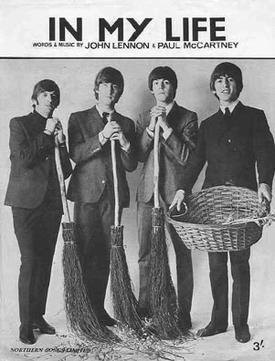
-8Lennon's 1965 nostalgic reflection on Rubber Soul blended personal memory with a baroque middle section that became a fan favorite. Its warm melody and reflective tone captured maturing perspectives. The song's emotional clarity keeps it a wedding and memorial staple.
Year: 1965Album: Rubber SoulUK Peak: —US Peak: —Legacy: 8.3/10
- Reflective lyrics
- Baroque harpsichord
- Emotional resonance
- Never single
- Sentimental to critics
- Middle section divisive
added by Yourlist EditorialIn My Life
-10The 1966 children's sing-along from Revolver became a massive hit with its playful narrative and sound effects that broadened the band's appeal. Ringo's lead vocal added charm. Its whimsical style made it a cultural touchstone for all ages.
Year: 1966Album: RevolverUK Peak: 1US Peak: 2Legacy: 7.6/10
- Universal sing-along
- Playful effects
- Family friendly
- Novelty track
- Less serious
- Ringo vocal limits depth
added by Yourlist Editorialin 2 rankingsYellow Submarine
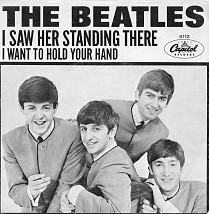
-11Opening their 1963 debut with a count-in and driving bass, the track announced the band's live-wire energy and songwriting promise. Its youthful excitement set the tone for Beatlemania. The song's raw power remains a concert opener archetype.
Year: 1963Album: Please Please MeUK Peak: —US Peak: 14Legacy: 7.9/10
- Explosive opener
- Classic count-in
- Live energy captured
- Early raw production
- Simple chord structure
- Less known today
added by Yourlist EditorialI Saw Her Standing There
-13