Best Breakfast Cereals of All Time
From sugary cartoon-mascot classics to wholesome pantry staples, which box truly reigns supreme at the breakfast table? Cast your vote and rearrange this list to crown the ultimate cereal.
What counts: Ranked by a blend of overall taste, cultural staying power, and nostalgia factor; sugar content and launch years are approximate industry figures gathered from public packaging and archival sources.
Tony the Tiger didn't just sell a cereal, he sold an identity—'They're Gr-r-reat!' became shorthand for confidence itself since 1952. The sugar-glazed corn flake proved that sometimes the sequel really is better than the original, turning a bland breakfast staple into a childhood rite of passage. Six decades later, it's still the gold standard for what frosting can do to a flake.
Year Introduced: 1952Sugar per Serving: 11 gTaste Rating: 8.5/10Nostalgia Factor: 9/10
added by Yourlist Editorialin 2 rankingsFrosted Flakes
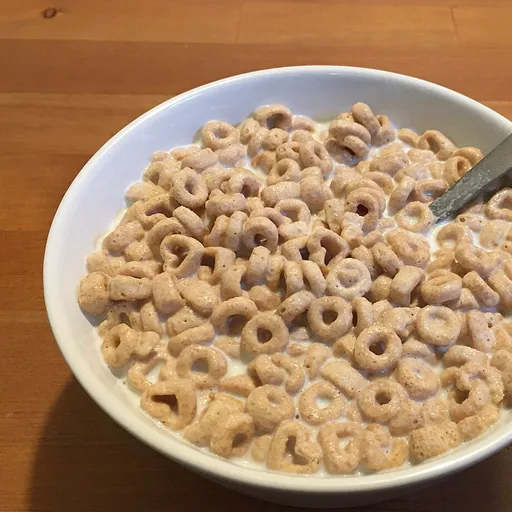
0The little oat donut that's been in production since 1941 has quietly become the first solid food for generations of American babies, dissolved into Ziploc bags in every diaper bag in the country. It never needed mascots or marshmallows—just whole grain honesty that doctors and moms alike could trust. Its staying power isn't nostalgia, it's infrastructure.
Year Introduced: 1941Sugar per Serving: 1 gTaste Rating: 7/10Nostalgia Factor: 8/10
added by Yourlist EditorialCheerios
0Toucan Sam's psychedelic rainbow rings from 1963 committed the greatest lie in cereal history: every loop is actually the same flavor, just different food coloring. Nobody has ever cared, because eating a bowl felt like inhaling a bag of Skittles for breakfast and getting away with it. It's the platonic ideal of pure, unapologetic sugar theater.
Year Introduced: 1963Sugar per Serving: 12 gTaste Rating: 7.5/10Nostalgia Factor: 8.5/10
added by Yourlist Editorialin 2 rankingsFroot Loops
0Launched in 1984, this cereal solved a problem nobody knew existed: what if toast could be a cereal, and what if the milk left behind tasted like cinnamon-sugar dessert soup. The Crazy Squares mascots got murdered by their own cereal in commercials, which is somehow the most 90s marketing decision imaginable. The leftover milk alone justifies a top-tier ranking.
Year Introduced: 1984Sugar per Serving: 9 gTaste Rating: 8.5/10Nostalgia Factor: 8/10
added by Yourlist Editorialin 2 rankingsCinnamon Toast Crunch
01964 gave us the first cereal with actual candy pieces mixed into the grain, and marshmallow shapes became a currency kids traded and fought over in the bowl. 'They're magically delicious' wasn't just a slogan, it was a promise that breakfast could feel like Christmas morning any day of the week. The leprechaun mascot's eternal battle to protect his stash from children remains one of advertising's great running jokes.
Year Introduced: 1964Sugar per Serving: 10 gTaste Rating: 8/10Nostalgia Factor: 9/10
added by Yourlist Editorialin 2 rankingsLucky Charms
0Sonny the Cuckoo Bird's manic catchphrase 'I'm cuckoo for Cocoa Puffs!' since 1958 captured exactly what chocolate cereal does to a child's nervous system at 7 AM. It turned milk into chocolate milk as a side effect, which felt like getting away with dessert for breakfast. Few cereals have ever married branding and payoff so perfectly.
Year Introduced: 1958Sugar per Serving: 11 gTaste Rating: 7.5/10Nostalgia Factor: 7.5/10
added by Yourlist Editorialin 2 rankingsCocoa Puffs
0Kellogg's 1894 invention is the Adam and Eve of the entire cereal aisle, born from a health sanitarium experiment that accidentally created an American breakfast institution. It's the plain t-shirt of cereals—unglamorous, sometimes mocked, but foundational to everything that came after. Without this bowl of humble flakes, there is no cereal industry to rank at all.
Year Introduced: 1894Sugar per Serving: 2 gTaste Rating: 6/10Nostalgia Factor: 7/10
added by Yourlist Editorialcorn flakes
0Snap, Crackle, and Pop turned a bowl of cereal into a sound effect in 1928, giving kids an auditory reason to love breakfast before they even tasted it. Its true immortality, though, comes from the Rice Krispies Treat, a spinoff so successful it arguably eclipsed the cereal itself. Few products can claim to have birthed a more famous dessert than their own original form.
Year Introduced: 1928Sugar per Serving: 3 gTaste Rating: 6.5/10Nostalgia Factor: 7.5/10
added by Yourlist EditorialRice Krispies
0Debuting in 1963, this cereal weaponized crunch itself, engineering a corn-and-oat formula so aggressively textured it famously shredded the roofs of children's mouths nationwide. The Cap'n's crimefighting battles against Soggy the Sea Monster gave sugar cereal an actual narrative universe. Crunch Berries later proved the franchise could innovate without ever softening its edges, literally.
Year Introduced: 1963Sugar per Serving: 12 gTaste Rating: 8/10Nostalgia Factor: 8.5/10
added by Yourlist Editorialin 3 rankingsCap'n Crunch
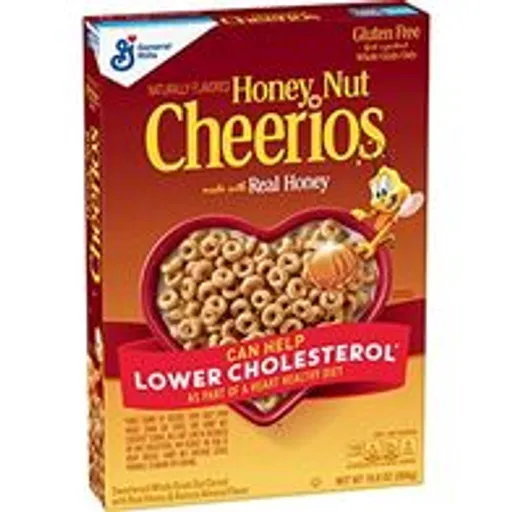
0The 1979 spinoff that dared to sweeten the healthy original became so dominant it eventually outsold its own parent cereal, an almost unheard-of coup in branding history. Buzz the Bee's arrival gave Cheerios a personality it never had, proving that sometimes the remix becomes the standard. It's the rare 'healthy' cereal kids actually asked for by name.
Year Introduced: 1979Sugar per Serving: 9 gTaste Rating: 8/10Nostalgia Factor: 8/10
added by Yourlist Editorialin 2 rankingsHoney Nut Cheerios
0The 1971 Flintstones tie-in turned rice cereal into confetti, delivering a fruity crunch so vivid it looked more like craft supplies than food. It rode Saturday morning cartoon culture better than almost any competitor, cementing itself as the cereal equivalent of a cartoon crossover episode. Its Post-Malone-approved resurgence decades later proves the loyalty never actually faded.
Year Introduced: 1971Sugar per Serving: 10 gTaste Rating: 7.5/10Nostalgia Factor: 8/10
added by Yourlist Editorialin 2 rankingsPebbles cereal
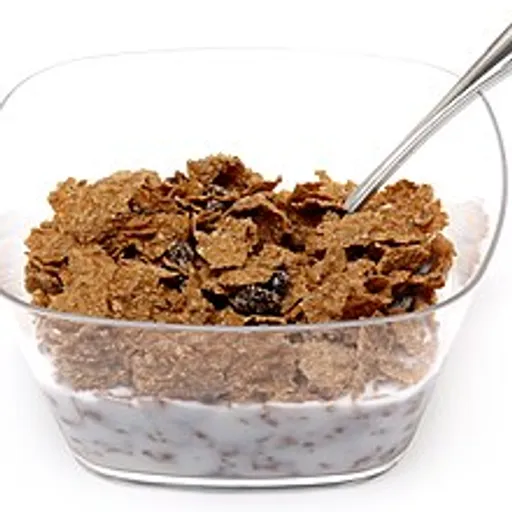
0Kellogg's 1926 'two scoops of raisins' promise made this the cereal parents felt virtuous serving and kids tolerated for the sweet chewy payoff buried in the bran flakes. It occupies a strange, respected middle ground—too healthy to be nostalgic candy, too tasty to be dismissed as pure fiber punishment. It's the responsible older sibling of the cereal aisle, and every family needs one.
Year Introduced: 1942Sugar per Serving: 18 gTaste Rating: 6.5/10Nostalgia Factor: 6.5/10
added by Yourlist Editorialraisin bran
0Introduced in 1955 and rebranded hard in the 90s as the diet-culture cereal of choice, its red box became shorthand for New Year's resolutions and swimsuit season anxiety. It never tasted like a treat, and that was precisely the point—it sold restraint as a lifestyle. Its cultural footprint is less about flavor and more about how deeply it embedded itself into a specific era's obsession with control.
Year Introduced: 1955Sugar per Serving: 4 gTaste Rating: 6/10Nostalgia Factor: 6/10
added by Yourlist EditorialSpecial K
0Trix
The 1954 cereal cursed its own rabbit mascot with an eternal, unwinnable quest to taste his own product, a decades-long joke that outlasted most sitcoms. Fruity, crunchy, and shaped like tiny colored balls, it captured kids' imaginations by making the marketing itself a form of entertainment. 'Silly rabbit, Trix are for kids' became one of the most quoted lines in advertising history.
Year Introduced: 1954Sugar per Serving: 10 gTaste Rating: 7.5/10Nostalgia Factor: 8/10
added by Yourlist Editorial
0Launched in 1965 with a flavor profile that inspired the eternal childhood debate 'why don't they taste like apples or cinnamon,' this cereal thrived on being a lovable enigma. The orange-and-green rings carved out cult loyalty precisely because nobody could quite explain what they tasted like, only that it worked. It's proof that mystery flavor can be its own kind of magic.
Year Introduced: 1965Sugar per Serving: 12 gTaste Rating: 7/10Nostalgia Factor: 7.5/10
added by Yourlist EditorialApple Jacks
0Honeycomb
Debuting in 1965 with oversized, golden hexagonal flakes, this cereal understood that bigger pieces meant a more satisfying crunch per handful, a genius textural gambit. Its jingle ('Honeycomb's big, yeah yeah yeah!') is embedded permanently in the brains of anyone who grew up in the 70s or 80s. It never needed marshmallows or gimmicks—just architecture and honey.
Year Introduced: 1965Sugar per Serving: 11 gTaste Rating: 6.5/10Nostalgia Factor: 7/10
added by Yourlist Editorial
0The 1994 mashup of peanut butter cup candy and breakfast cereal was a genuinely audacious idea that somehow worked flawlessly, turning milk into a chocolate-peanut butter slurry worth drinking straight from the bowl. It became a hip-hop culture darling decades later, immortalized in memes and lyrics as the ultimate comfort food. Few cereals have aged into internet-era cool quite this effortlessly.
Year Introduced: 1994Sugar per Serving: 9 gTaste Rating: 8/10Nostalgia Factor: 7/10
added by Yourlist Editorialin 2 rankingsReese's Puffs
0Launched in 1969, this cereal literally split the difference between virtuous whole wheat and sugary frosting, giving kids and parents a rare item they could both agree on. The 'Two scoops... I mean two sides of your brain' ad campaign turned a shredded wheat biscuit into a smarter-kid marketing pitch. It remains the closest thing cereal has to a genuine health-and-indulgence truce.
Year Introduced: 1969Sugar per Serving: 10 gTaste Rating: 7/10Nostalgia Factor: 6.5/10
added by Yourlist EditorialFrosted Mini-Wheats
0Since 1976, this cereal has delivered the specific joy of eating a bowl of tiny graham crackers that somehow gets sweeter and more caramel-like the longer it sits in milk. It never had the flashiest mascot or campaign, but it built devoted loyalty on flavor alone, the honey-graham taste doing all the heavy lifting. It's the underrated sleeper hit of the cereal aisle.
Year Introduced: 1976Sugar per Serving: 10 gTaste Rating: 7/10Nostalgia Factor: 6.5/10
added by Yourlist EditorialGolden Grahams
0Life
The 1961 cereal's biggest coup was an ad campaign starring skeptical little Mikey, whose grudging approval ('He likes it! Hey Mikey!') became one of the most quoted commercials in American history. It managed to be wholesome and oat-based while still tasting like something kids genuinely wanted, straddling the healthy-treat divide before that was even a category. Few cereals owe their legend so entirely to a single unforgettable ad.
Year Introduced: 1961Sugar per Serving: 6 gTaste Rating: 6.5/10Nostalgia Factor: 6.5/10
added by Yourlist Editorialin 4 rankings
0