Best Cover Songs Better Than the Original
Every cover song sparks the same heated debate: did the artist just pay homage, or did they actually outdo the original? Some musicians have taken someone else's song and completely transformed it into something so iconic that many fans forget it wasn't theirs to begin with. Now it's your turn to settle the score — vote up the covers you think truly surpassed the originals.
What counts: Ranking reflects cultural impact, chart/critical success relative to the original, and the degree to which the cover became the definitive version. Years, chart peaks, and sales figures are approximate and drawn from public consensus, not exact certified data.
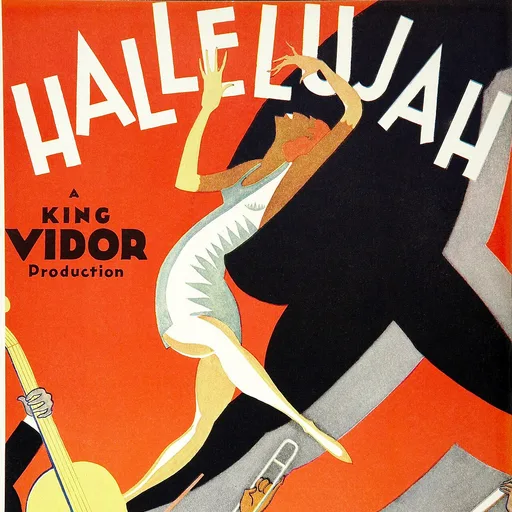
Leonard Cohen wrote it and buried it on a poorly promoted 1984 album, but Jeff Buckley's 1994 falsetto-drenched reading turned it into a modern hymn covered at funerals and weddings alike. Buckley's version now outstrips the original in nearly every metric of cultural memory.
Covering Artist: Jeff BuckleyOriginal Artist: Leonard CohenCover Release Year: 1994Peak US/UK Chart Position: #1 UK (2008 reissue)Definitive Version Rating: 10/10
added by Yourlist Editorialin 3 rankingsHallelujah
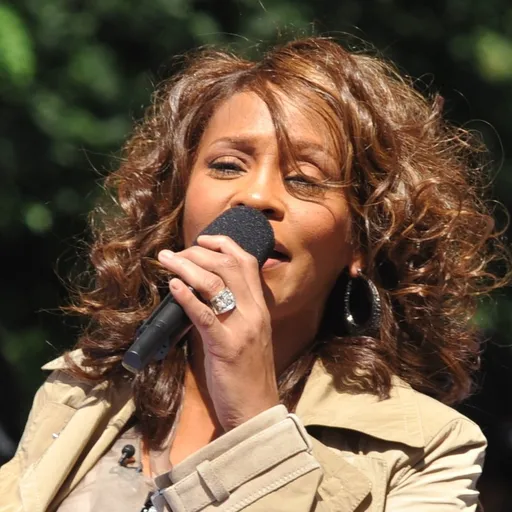
0Dolly Parton wrote this as a tender goodbye to Porter Wagoner, but Whitney Houston's 1992 Bodyguard powerhouse turned it into one of the best-selling singles ever, complete with the a cappella opening that became instantly iconic. Even Parton has said Whitney's version is definit
Covering Artist: Whitney HoustonOriginal Artist: Dolly PartonCover Release Year: 1992Peak US/UK Chart Position: #1 USDefinitive Version Rating: 10/10
added by Yourlist Editorialin 4 rankingsI Will Always Love You
0Bob Dylan wrote it as a sparse folk parable, but Jimi Hendrix electrified it into a psychedelic rock masterpiece just months later. Dylan himself admitted he now performs it Hendrix's way, the ultimate artist concession.
Covering Artist: Jimi HendrixOriginal Artist: Bob DylanCover Release Year: 1968Peak US/UK Chart Position: #20 USDefinitive Version Rating: 10/10
added by Yourlist EditorialAll Along the Watchtower
0Prince wrote and recorded it with his side project The Family in 1985 to little notice, but Sinéad O'Connor's stark 1990 video and aching vocal made it a global smash and her signature song. The close-up crying shot remains one of music video history's defining images.
Covering Artist: Sinéad O'ConnorOriginal Artist: The Family (Prince)Cover Release Year: 1990Peak US/UK Chart Position: #1 US/UKDefinitive Version Rating: 9/10
added by Yourlist Editorialin 3 rankingsNothing Compares 2 U
0Otis Redding wrote and recorded a modest R&B hit about a man demanding respect at home, but Aretha Franklin flipped the perspective and power dynamic in 1967, adding the spelled-out chorus and turning it into a feminist and civil rights anthem. It won two Grammys and defines her
Covering Artist: Aretha FranklinOriginal Artist: Otis ReddingCover Release Year: 1967Peak US/UK Chart Position: #1 USDefinitive Version Rating: 9/10
added by Yourlist EditorialRespect
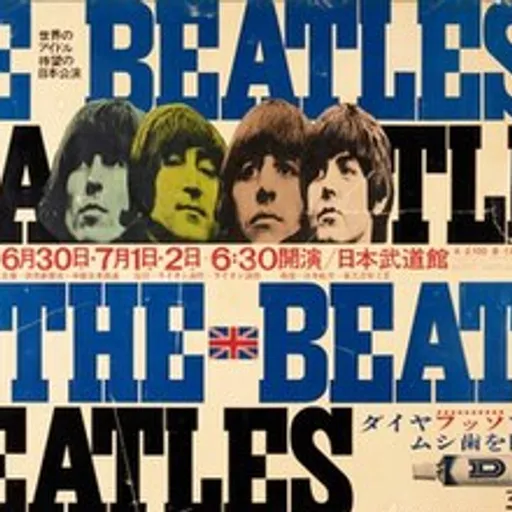
0The Isley Brothers had a solid hit in 1962, but the Beatles' raw, throat-shredding 1963 version (recorded in one live take as John Lennon's voice gave out) became the more frequently referenced and beloved rendition. It's the closing track of their debut album and a live show sta
Covering Artist: The BeatlesOriginal Artist: The Isley BrothersCover Release Year: 1963Peak US/UK Chart Position: #2 USDefinitive Version Rating: 8/10
added by Yourlist Editorialin 5 rankingsTwist and Shout
0Nine Inch Nails' Trent Reznor wrote a nihilistic industrial confession in 1994, but Johnny Cash's stripped-down 2002 rendition, recorded near the end of his life with a haunting video, transformed it into a meditation on mortality. Reznor called it no longer his song.
Covering Artist: Johnny CashOriginal Artist: Nine Inch NailsCover Release Year: 2002Peak US/UK Chart Position: did not chart top 40Definitive Version Rating: 9/10
added by Yourlist Editorialin 2 rankingsHurt
0Tears for Fears made an upbeat-sounding 80s synth hit with dark lyrics in 1982, but Gary Jules and Michael Andrews' spare piano version for the Donnie Darko soundtrack in 2001 stripped it to its melancholic core. It shot to UK Christmas #1 in 2003, outselling the original by mile
Covering Artist: Gary JulesOriginal Artist: Tears for FearsCover Release Year: 2001Peak US/UK Chart Position: #1 UKDefinitive Version Rating: 8/10
added by Yourlist EditorialMad World
0Bruce Springsteen's tongue-twisting original from 1973 barely charted, but Manfred Mann's Earth Band reworked it into a synth-rock anomaly in 1976, complete with a famously misheard lyric, and took it to #1 in the US—Springsteen's only #1 as a writer via someone else's version.
Covering Artist: Manfred Mann's Earth BandOriginal Artist: Bruce SpringsteenCover Release Year: 1976Peak US/UK Chart Position: #1 USDefinitive Version Rating: 7/10
added by Yourlist EditorialBlinded by the Light
0The Crickets recorded the original in 1959 as a minor rockabilly tune, but The Clash's 1979 punk rendition became the version everyone knows, injected with rebellious energy that fit their image perfectly. It's now a punk standard covered by countless bands citing The Clash, not
Covering Artist: The ClashOriginal Artist: The CricketsCover Release Year: 1979Peak US/UK Chart Position: #22 UKDefinitive Version Rating: 7/10
added by Yourlist EditorialI Fought the Law
0Carl Perkins wrote and had a hit with it in 1955, but Elvis Presley's version released the same year, with his charisma and TV performances, became the one most associated with rock and roll's birth. Perkins never fully escaped Elvis's shadow on his own song.
Covering Artist: Elvis PresleyOriginal Artist: Carl PerkinsCover Release Year: 1956Peak US/UK Chart Position: #20 USDefinitive Version Rating: 7/10
added by Yourlist Editorialin 2 rankingsBlue Suede Shoes
0Erma Franklin scored a solid R&B hit in 1967, but Janis Joplin's ferocious, gut-wrenching performance with Big Brother and the Holding Company in 1968 became a defining moment of rock's raw emotional possibilities and cemented Joplin's legend.
Covering Artist: Janis JoplinOriginal Artist: Erma FranklinCover Release Year: 1968Peak US/UK Chart Position: #12 USDefinitive Version Rating: 8/10
added by Yourlist EditorialPiece of My Heart
0The Zutons wrote and released a fine indie-rock tune in 2006, but Amy Winehouse and producer Mark Ronson reimagined it with soul horns and her unmistakable voice in 2007, turning it into a career-defining hit that far eclipsed the original's reach.
Covering Artist: Amy WinehouseOriginal Artist: The ZutonsCover Release Year: 2007Peak US/UK Chart Position: #2 UKDefinitive Version Rating: 8/10
added by Yourlist Editorialin 2 rankingsValerie
0I Love Rock 'n' Roll
The Arrows released the original in 1975 with modest UK success, but Joan Jett & the Blackhearts' 1981 version, with its snarling guitar riff and attitude, turned it into an era-defining rock anthem and her signature hit.
Covering Artist: Joan Jett & the BlackheartsOriginal Artist: The ArrowsCover Release Year: 1981Peak US/UK Chart Position: #1 USDefinitive Version Rating: 7/10
added by Yourlist Editorial
0Robert Hazard wrote and recorded a leering demo in 1979 that never got released properly, but Cyndi Lauper flipped its perspective into an empowering feminist anthem in 1983, making it entirely her own and a defining 80s pop moment.
Covering Artist: Cyndi LauperOriginal Artist: Robert HazardCover Release Year: 1983Peak US/UK Chart Position: #2 USDefinitive Version Rating: 7/10
added by Yourlist EditorialGirls Just Want to Have Fun
0Ednaswap released the original alt-rock version in 1995 to little notice, but Natalie Imbruglia's 1997 cover became a massive worldwide hit and one of the most inescapable songs of the late 90s, arguably outselling every prior version combined.
Covering Artist: Natalie ImbrugliaOriginal Artist: EdnaswapCover Release Year: 1997Peak US/UK Chart Position: #42 US, #2 UKDefinitive Version Rating: 6/10
added by Yourlist Editorialin 3 rankingsTorn
0Take Me to the River
Al Green delivered a smooth soul original in 1974, but Talking Heads' jittery, art-punk 1978 rendition introduced the song to a new generation and became a college radio and new wave staple, showing how far a cover could bend a song's genre.
Covering Artist: Talking HeadsOriginal Artist: Al GreenCover Release Year: 1978Peak US/UK Chart Position: #26 USDefinitive Version Rating: 6/10
added by Yourlist Editorial
0Feeling Good
Originally from the 1964 musical 'The Roar of the Greasepaint,' the song found little fame until Nina Simone's definitive, brooding 1965 recording turned it into a soul-jazz standard now used in countless films, ads, and covers referencing her arrangement specifically.
Covering Artist: Nina SimoneOriginal Artist: Cast of Roar of the GreasepaintCover Release Year: 1965Peak US/UK Chart Position: did not chartDefinitive Version Rating: 8/10
added by Yourlist Editorial
0Gloria Jones recorded the original Northern Soul stomper in 1964 which was a minor club hit, but Soft Cell's synth-pop reinvention in 1981 became a global smash and one of the defining songs of the new wave era, far surpassing the original's reach.
Covering Artist: Soft CellOriginal Artist: Gloria JonesCover Release Year: 1981Peak US/UK Chart Position: #1 US Dance, #8 US Hot 100Definitive Version Rating: 7/10
added by Yourlist EditorialTainted Love
0