Best Cuisines in the World
From street-side stalls to Michelin-starred kitchens, the world's great cuisines have sparked passionate debates for generations, each nation defending its flavors, techniques, and traditions as the pinnacle of culinary art. With globalization bringing these diverse food cultures into direct comparison like never before, the question of which cuisine truly reigns supreme has never been more relevant. Now it's your turn to weigh in—cast your vote and help settle the ultimate food fight!
What counts: ‘Best’ blends global popularity, flavor diversity, and reputation among food lovers; all ratings are approximate and meant as a starting point for debate, not gospel.
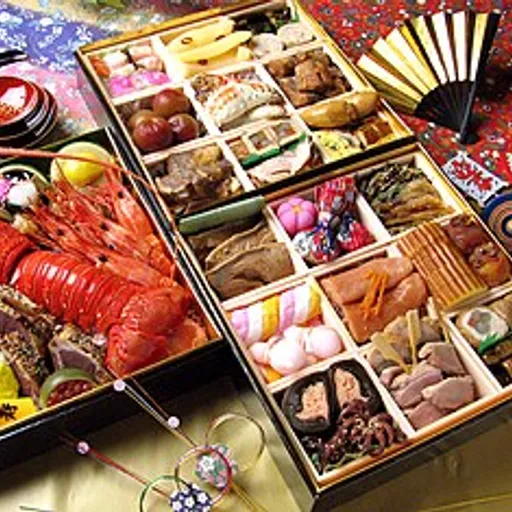
Japanese▲ Rising
Sushi's global takeover is the headline, but the deeper flex is umami itself — Japan gave the world the fifth taste and the dashi, miso, and soy fermentation systems to deliver it with surgical precision. From a $3 bowl of ramen to a 20-course kaiseki meal, the range in discipline and detail is what keeps chefs everywhere bowing toward Tokyo.
Global Popularity: 9.2/10Flavor & Dish Diversity: 8/10Perceived Healthiness: 8.5/10Signature Dish: Sushi
added by IJRin 2 rankings
19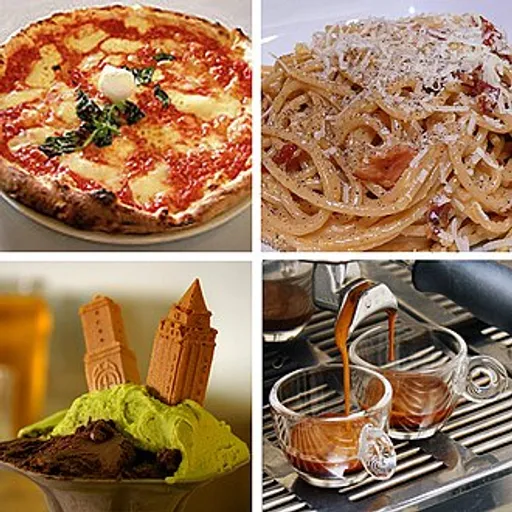
Italian▲ Rising
It won global domination with the simplest trick in the book: three or four perfect ingredients, no more, no less. Pizza and pasta became the planet's comfort-food lingua franca, but the real genius is regional — the ragù of Bologna has nothing to do with the seafood of Sicily. No cuisine has been so thoroughly copied and so rarely equaled.
Global Popularity: 9.5/10Flavor & Dish Diversity: 8.5/10Perceived Healthiness: 7/10Signature Dish: Margherita Pizza
added by IJRin 2 rankings
18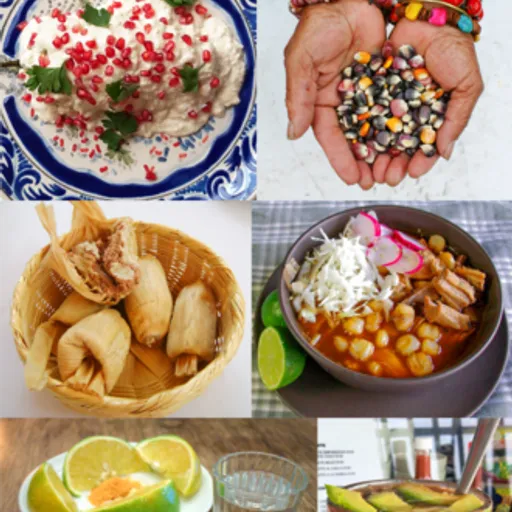
Mexican▲ Rising
UNESCO gave it cultural heritage status because a cuisine built on corn, chile, and centuries of Indigenous technique deserves the honor — mole alone, with its 20-plus ingredients simmered into dark alchemy, proves the sophistication doo often flattened into 'tacos and salsa.' Street-cart tacos al pastor, born from Lebanese immigrants meeting Mexican spit-roasting, show a cuisine still restlessly inventing itself.
Global Popularity: 8.7/10Flavor & Dish Diversity: 8.5/10Perceived Healthiness: 6.5/10Signature Dish: Tacos al Pastor
added by IJRin 2 rankings
17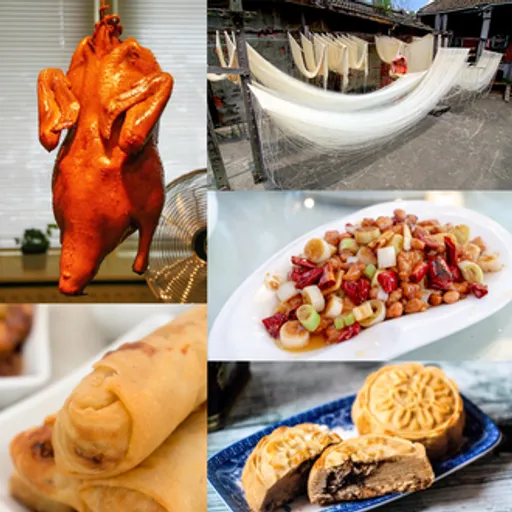
Chinese▲ Rising
Eight regional cuisines, thousands of years, and techniques (wok hei, dumpling folding, whole-animal butchery) so foundational that half the world's kitchens borrow from them without credit. Peking duck's lacquered skin and Sichuan's numbing mala heat are two ends of a spectrum so vast that 'Chinese food' is really shorthand for an entire culinary universe.
Global Popularity: 9.3/10Flavor & Dish Diversity: 9.5/10Perceived Healthiness: 6.5/10Signature Dish: Peking Duck
added by IJR
17Indian▲ Rising
A billion-plus people and a spice cabinet deep enough to make a single word — masala — mean a thousand different things depending on the state, the family, the season. Biryani alone has more regional civil wars fought over its 'correct' version than most cuisines have dishes, and that argument is exactly the point: depth, not uniformity, is the flex.
Global Popularity: 8.8/10Flavor & Dish Diversity: 9.5/10Perceived Healthiness: 7/10Signature Dish: Butter Chicken
added by IJRin 2 rankings
11Thai▲ Rising
Thai cooking figured out how to make sweet, sour, salty, spicy, and bitter argue and agree in the same spoonful, and tom yum goong is the proof — a soup that slaps you awake and comforts you in the same sip. It went from Bangkok street stalls to a fixture on every Western city's takeout app in a generation, a speed-run few cuisines can match.
Global Popularity: 8.5/10Flavor & Dish Diversity: 8/10Perceived Healthiness: 7.5/10Signature Dish: Pad Thai
added by IJRin 2 rankings
9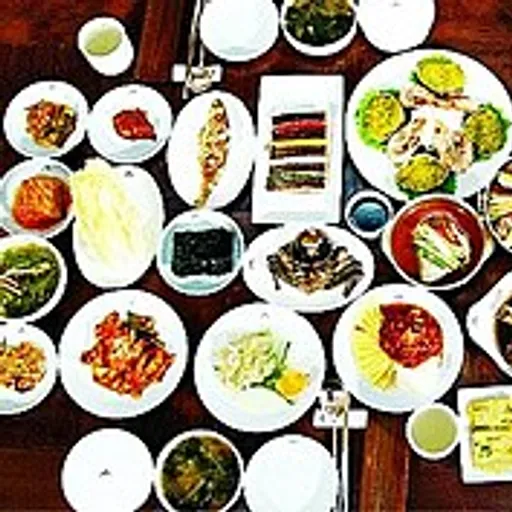
Korean▲ Rising
Kimchi fermented in earthenware for millennia turned out to be the ultimate flex once K-culture went global and the world discovered gochujang could do to a dish what bass drops do to a song. Korean BBQ's tableside sizzle and the sour-funk complexity of banchan spreads made 'more side dishes than the entrée' a selling point instead of an excuse.
Global Popularity: 8.3/10Flavor & Dish Diversity: 7.5/10Perceived Healthiness: 7.5/10Signature Dish: Korean BBQ
added by IJRin 2 rankings
6
Vietnamese▲ Rising
Phở did more diplomatic work for Vietnam abroad than most embassies, turning a bowl of beef broth and rice noodles into a global comfort-food icon in barely two generations. The cuisine's real trick is balance — fish sauce funk, fresh herbs, lime, chile — proving that 'light and clean' can still hit as hard as anything drowning in butter.
Global Popularity: 8/10Flavor & Dish Diversity: 7.5/10Perceived Healthiness: 8.5/10Signature Dish: Pho
added by IJRin 2 rankings
5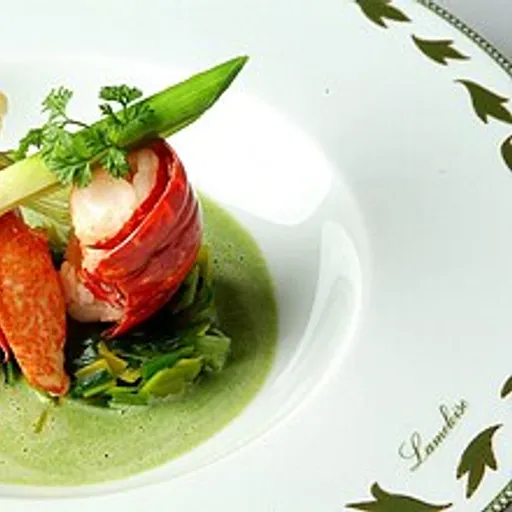
French
It literally invented the grammar of modern cooking — the mother sauces, the brigade system, the tasting menu — and then spent centuries convincing the rest of the world that a soufflé rising is a moral achievement. Escoffier codified it, Michelin canonized it, and every fine-dining kitchen on Earth still speaks with a French accent whether it admits it or not.
Global Popularity: 9/10Flavor & Dish Diversity: 8.5/10Perceived Healthiness: 6.5/10Signature Dish: Coq au Vin
added by IJR
0
Sitting at the literal crossroads of Europe and Asia, Turkish cuisine absorbed Ottoman court cooking, Central Asian grilling, and Mediterranean produce into one of history's great culinary syntheses — the kebab is just the tip of an iceberg that includes baklava's paper-thin pastry mastery and meze spreads that rival any in the region. Few cuisines can claim to have fed an empire and still feel this alive on a street cart.
Global Popularity: 7.5/10Flavor & Dish Diversity: 8/10Perceived Healthiness: 7/10Signature Dish: Kebab
added by IJRin 2 rankingsTurkish
0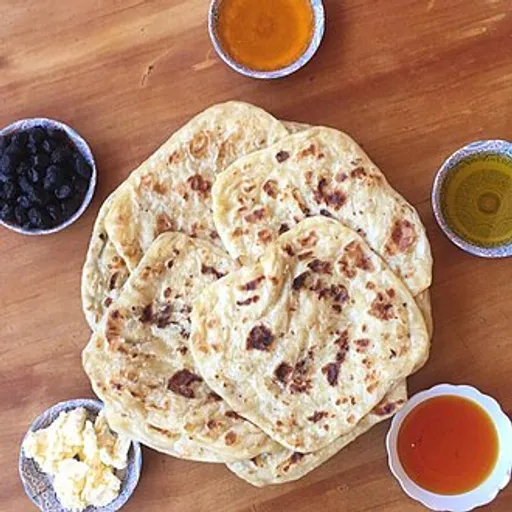
Moroccan
The tagine turned slow-cooking into theater, sealing spice, fruit, and meat under a cone-shaped lid until sweet and savory stop being opposites. Ras el hanout's blend of a dozen-plus spices and the ritual of mint tea poured from a height show a cuisine obsessed with sensory generosity — nothing here is simple, and nothing wants to be.
Global Popularity: 6.8/10Flavor & Dish Diversity: 7/10Perceived Healthiness: 7/10Signature Dish: Tagine
added by IJR
0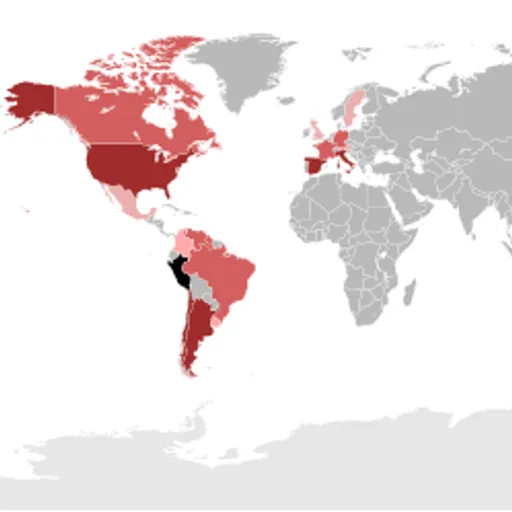
Peruvian
Ceviche's citrus-cured fish became the calling card of a cuisine that fuses Indigenous Andean ingredients (quinoa, potatoes in the thousands of varieties) with Japanese, Chinese, and Spanish influence into something genuinely singular — chifa and nikkei cooking prove fusion doesn't have to be a dirty word. Lima's rise as a global food-capital darling over the last two decades wasn't hype; it was overdue recognition.
Global Popularity: 6.5/10Flavor & Dish Diversity: 7.5/10Perceived Healthiness: 7.5/10Signature Dish: Ceviche
added by IJR
0
Injera isn't just bread, it's the plate, the utensil, and the communal ritual all at once — tearing off a piece to scoop up berbere-spiced stews is one of the most genuinely social ways to eat on the planet. A cuisine built almost entirely around shared platters and hand-to-mouth eating rewired what 'dinner with friends' even means for everyone who's tried it.
Global Popularity: 6/10Flavor & Dish Diversity: 6.5/10Perceived Healthiness: 7.5/10Signature Dish: Doro Wat
added by IJRin 2 rankingsEthiopian
0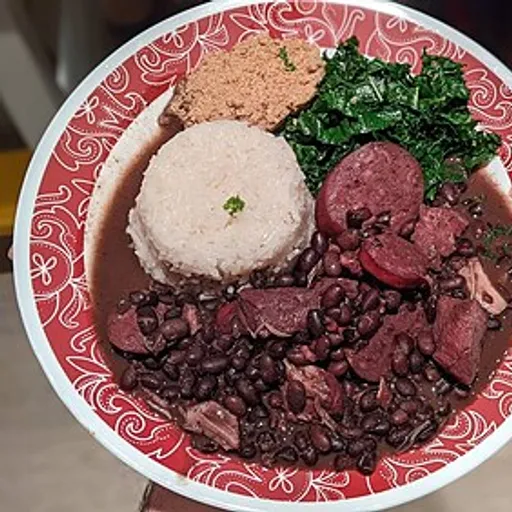
Brazilian
Churrasco turned meat-on-a-sword into a genuine dining format, with rodízio service keeping the picanha coming until you physically surrender, but the deeper story is feijoada — a slow-simmered black bean and pork stew with roots in African, Portuguese, and Indigenous cooking colliding under colonialism. It's a cuisine of scale and soul in equal measure, loud in the best way.
Global Popularity: 6.7/10Flavor & Dish Diversity: 7/10Perceived Healthiness: 6/10Signature Dish: Feijoada
added by IJR
0American (Regional)
Forget the fast-food caricature — this is a patchwork of Southern soul food, Tex-Mex, Louisiana Cajun-Creole gumbo, Pacific Northwest seafood, and New York deli culture, each one a distinct culinary tradition born from immigration and improvisation. Barbecue alone splits into warring regional religions (Kansas City vs. Texas vs. Carolina), proof that America's food story is really fifty different food stories wearing one flag.
Global Popularity: 7/10Flavor & Dish Diversity: 8/10Perceived Healthiness: 5.5/10Signature Dish: BBQ Ribs
added by IJR
0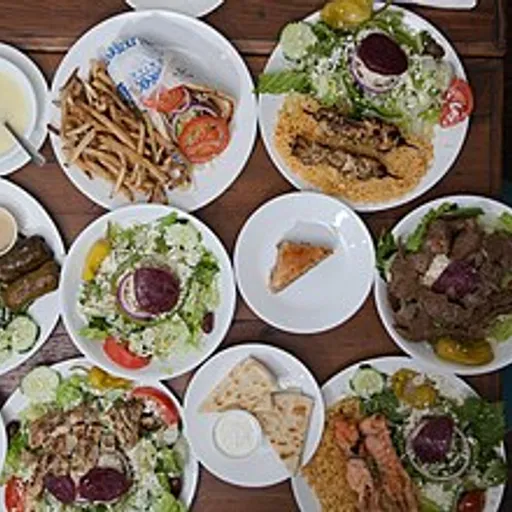
Greek▼ Falling
Olive oil, lemon, and grilled fish have been quietly running the healthy-eating narrative for decades before 'Mediterranean diet' became a buzzword doctors actually prescribe. Souvlaki and moussaka get the tourist attention, but it's the humble Greek salad — no lettuce, all conviction — that's the cuisine's real manifesto.
Global Popularity: 7.8/10Flavor & Dish Diversity: 7/10Perceived Healthiness: 8.5/10Signature Dish: Moussaka
added by IJRin 2 rankings
-10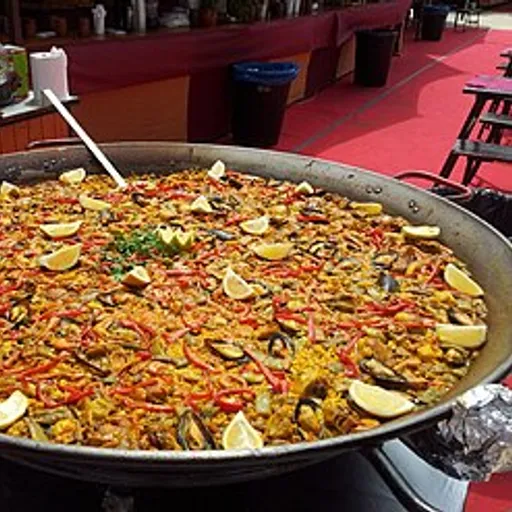
Spanish▼ Falling
Tapas rewired how the world thinks about a meal, turning eating into a social sport of small plates, shared bites, and no shame in ordering six things at once. Paella's saffron-stained rice and jamón ibérico's cult-level curing traditions show a cuisine that treats patience as a core ingredient, not an inconvenience.
Global Popularity: 8/10Flavor & Dish Diversity: 7.5/10Perceived Healthiness: 7.5/10Signature Dish: Paella
added by IJR
-10
Lebanese▼ Falling
Mezze turned the appetizer course into the whole point of dinner, with hummus and baba ghanoush becoming so globally ubiquitous that people forget they're eating a specific, ancient Levantine tradition rather than 'Mediterranean food' in the abstract. Lebanon's diaspora spread it everywhere, and it conquered supermarket shelves worldwide without losing its garlic-and-lemon soul.
Global Popularity: 7.3/10Flavor & Dish Diversity: 7.5/10Perceived Healthiness: 8/10Signature Dish: Hummus & Falafel
added by IJR
-26
Keep ranking
Comments (9)
Free account · your comment posts right after signup
The crowd is sleeping on the bottom half of this list.
Voted — and the gap between #1 and #2 should be bigger.
This order is closer to right than any editor would've gotten.
- SSarah JohnsonJul 29, 2026
Exactly the kind of argument the internet was built for.