Best grocery chains
Grocery shopping is a weekly ritual for nearly everyone, yet not all supermarkets are created equal — some win us over with unbeatable prices, others with quality produce, friendly service, or that irresistible bakery smell. With so much loyalty (and rivalry) tied to where we buy our food, the debate over which chain truly reigns supreme is far from settled. Cast your vote and help crown the best grocery chain around!
What counts: Seeded with approximate real-world figures — the crowd's votes decide the order from here.
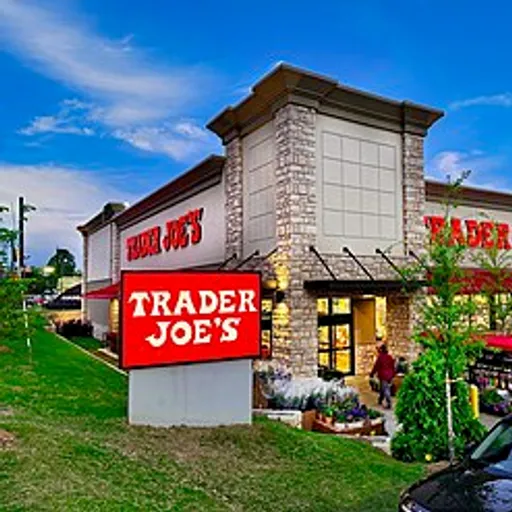
Trader Joe's▲ Rising
A converted convenience store chain that discovered its superpower was disappearing 80% of the SKUs a normal supermarket carries and replacing them with Hawaiian-shirted employees, private-label everything, and cult snacks like Everything But the Bagel seasoning. It turned grocery shopping into a treasure hunt with no loyalty card, no endless aisles, and prices that somehow stayed low even as it became a genuine cultural phenomenon. The argument for its spot here is simple: no chain has ever made 'small and weird' feel more essential than 'big and complete.'
Value: $8Overall: 9/10
added by IJRin 4 rankings
91
H-E-B▲ Rising
Texans don't just shop here, they defend it like a birthright, and the chain earned that loyalty by out-cooking, out-pricing, and out-disaster-relief-ing everyone else in the state, famously mobilizing its own supply chain faster than FEMA during hurricanes. Its H-E-B brand products routinely beat national names in blind taste tests, and the stores flex from taquerias to central markets to True Texas BBQ counters depending on the neighborhood. It's the proof that hyper-local devotion can beat national scale, which is exactly why it belongs near the top of any honest list.
Value: $8Overall: 9/10
added by IJRin 3 rankings
56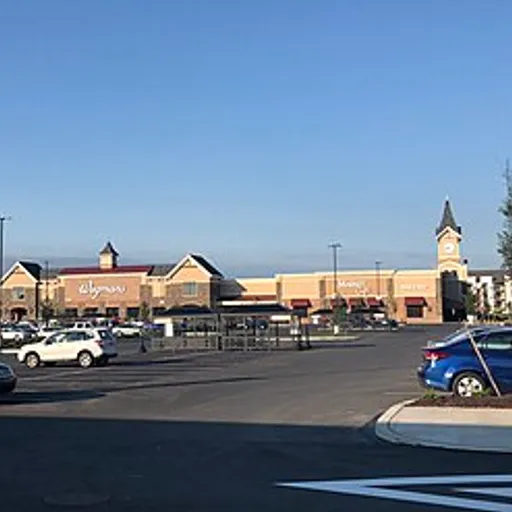
Wegmans▲ Rising
The chain that turned grocery shopping into a destination activity, with prepared-food halls, wine bars, and cheese counters so ambitious that college students have named it a top reason to pick a school nearby. Employee-first culture (Fortune's 'Best Companies to Work For' regular) translates directly into famously helpful staff and a shopping experience that feels curated rather than transactional. Its slow, deliberate expansion out of upstate New York only fueled the mythology, making every new store opening feel like a regional event.
Value: $8Overall: 9/10
added by IJRin 4 rankings
32
Costco▲ Rising
The $1.50 hot dog combo has stayed the same price since 1985 out of sheer stubborn philosophy, and that's the whole Costco ethos in a nutshell: sell things absurdly cheap, pay workers well above retail average, and let membership fees do the profit work instead of markup. The Kirkland Signature private label became so trusted it now out-sells actual name brands it once imitated, and the treasure-hunt pallet aisles turn bulk toilet paper runs into impulse-buy adventures. It reshaped what 'value' means in retail, which is why it's inseparable from any best-of conversation.
Value: $9Overall: 9/10
added by IJRin 3 rankings
23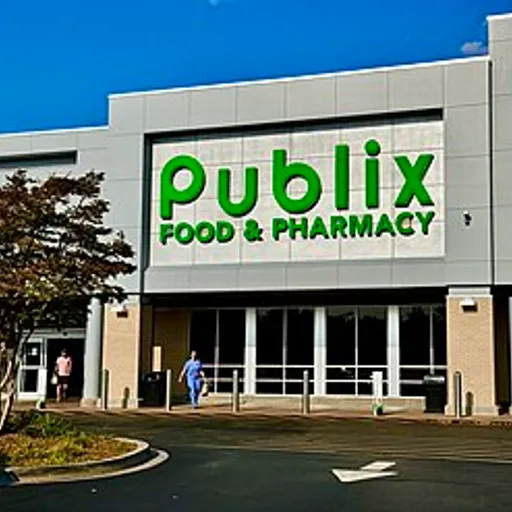
Publix▲ Rising
The 'Where Shopping Is a Pleasure' slogan isn't just marketing— it's backed by an employee-ownership model that's made the Southeastern chain a Fortune 'Most Admired' regular and its subs into a regional obsession with actual fan clubs. Publix quietly became one of the largest employee-owned companies in America while keeping stores immaculate and staff genuinely happy, a rare combo in retail. Its expansion has been deliberate rather than reckless, building loyalty street by street across Florida and the Southeast rather than chasing every market at once.
Value: $6Overall: 8/10
added by IJRin 4 rankings
10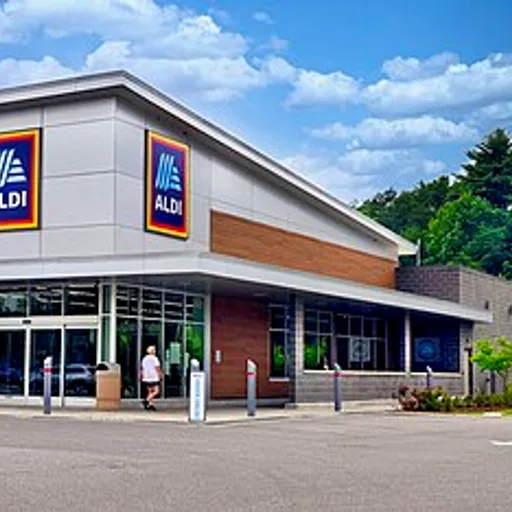
Aldi▼ Falling
A no-frills German import that turned grocery minimalism into a religion — quarter-deposit carts, bring-your-own-bags, and a curated 90% private-label selection that somehow undercuts every competitor on price while frequently matching or beating them on quality. Its rapid U.S. expansion, fueled by the same family that also owns Trader Joe's parent company, proved Americans would trade brand names and endless choice for genuinely lower bills. Aldi's rise is the ultimate rebuke to bloated supermarket excess, and that's exactly the argument for its place here.
Value: $9Overall: 8/10
added by IJRin 2 rankings
-9Whole Foods▼ Falling
Once mocked as 'Whole Paycheck,' it single-handedly made organic and natural foods mainstream long before it was cool, then got swallowed by Amazon in 2017 for $13.7 billion in a deal that sent shockwaves through the entire retail industry. That acquisition brought Prime discounts and delivery lockers but also diluted some of the crunchy, independent soul that built its cult following in Austin decades earlier. It still belongs on this list for changing what shoppers expect a 'healthy' grocery store to look like, even as purists argue it sold its identity to the highest bidder.
Value: $4Overall: 7/10
added by IJRin 2 rankings
-11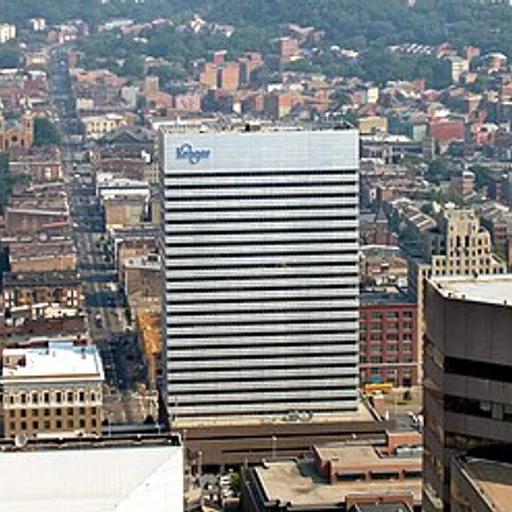
Kroger▼ Falling
America's largest pure grocery chain by revenue, operating under two dozen regional banners like Ralphs, Fred Meyer, and Harris Teeter while most shoppers never even realize they're all the same company. Its massive scale funds aggressive fuel points programs and one of the industry's most sophisticated data-driven personalization engines, though its attempted mega-merger with Albertsons became a cautionary tale about antitrust overreach when it collapsed in 2024. Kroger's spot here is earned through sheer footprint and infrastructure — the quiet giant that keeps the whole industry's pricing h
Value: $6Overall: 7/10
added by IJRin 2 rankings
-52
Keep ranking
Comments (7)
Free account · your comment posts right after signup
Battery numbers on the box never survive real use, trust the crowd.
Wait for the refresh cycle before buying anything on this list.
- BBianca NovakJul 27, 2026
Owned three of these — the ranking tracks my experience almost exactly.