Best MLB ballparks
From ivy-covered walls to stunning waterfront views, MLB ballparks are as much a part of the game as the players themselves. Each stadium offers its own unique blend of history, atmosphere, and quirky charm that shapes the fan experience. Which ballpark reigns supreme? Cast your vote and help settle the debate!
What counts: The crowd's votes decide the order — seeded neutral.
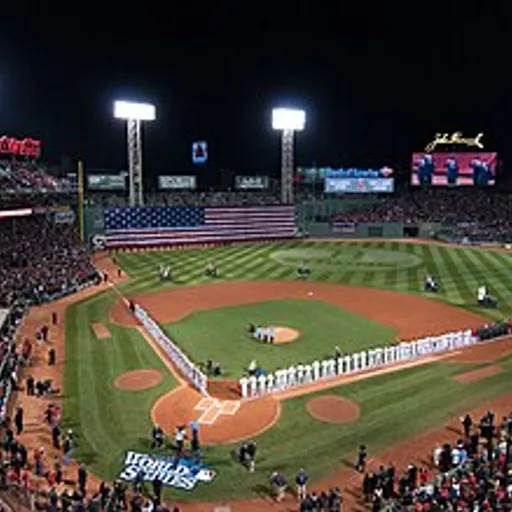
Fenway Park▲ Rising
The Green Monster has been looming over left field since 1912, turning routine fly balls into off-the-wall adventures and Manny Ramirez into a part-time spelunker among its quirky nooks. It's the oldest park in the majors, a cramped, asymmetrical cathedral that survived wrecking-ball threats in the 2000s because fans simply refused to let it die. No park drips more history from its bones, from the Curse of the Bambino to the 2004 exorcism that finally ended it.
added by IJRin 2 rankings
46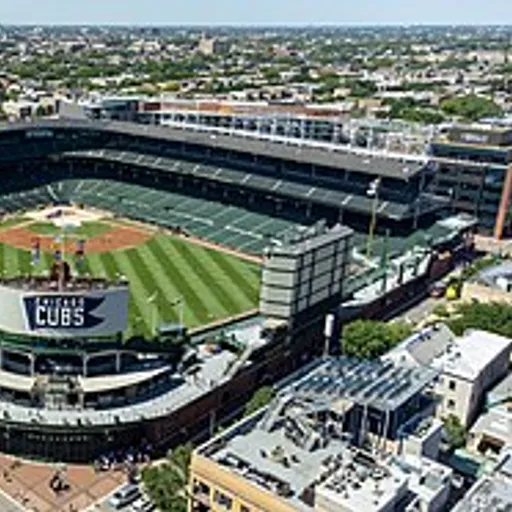
Wrigley Field▲ Rising
Ivy-covered brick, a hand-turned scoreboard, and rooftop bleachers across Waveland Avenue make Wrigley feel like a time capsule from 1914 that somehow still works perfectly. The Bartman game, the goat curse lore, and finally the 2016 World Series title gave this lovable loser a storybook ending that only made the park more mythic. Day baseball, no lights until 1988, and a neighborhood that wraps around the stadium like a warm blanket — it's the definition of ballpark romance.
added by IJRin 2 rankings
41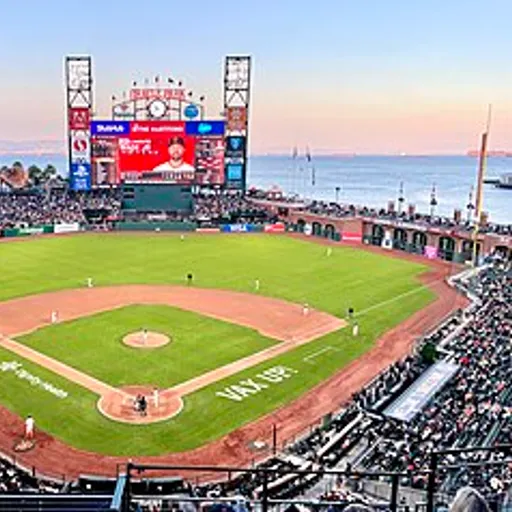
Oracle Park▲ Rising
Splash Hits into McCovey Cove turned Barry Bonds' home runs into literal kayak-chasing events, giving San Francisco a signature that no other park can claim. The waterfront views of the Bay Bridge, the giant Coke bottle slide, and the crab sandwiches at the concession stands make it a sensory experience as much as a ballgame. It's the park that proved a stadium could be both a civic postcard and a genuinely great place to watch baseball.
added by IJR
32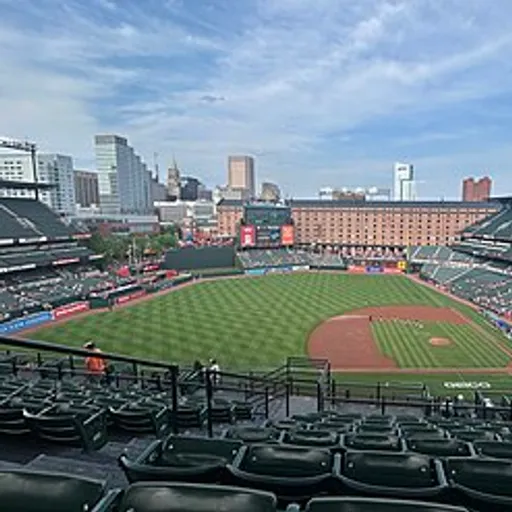
Camden Yards▲ Rising
When it opened in 1992, Camden Yards single-handedly reset what a ballpark could be, ditching the concrete donut era for brick warehouses, asymmetry, and old-school charm melted into modern amenities. The B&O Warehouse looming beyond right field became an instant icon, and every retro-classic park built since — Coors, PNC, Petco — owes it a debt. This is the blueprint, the park that started the renaissance.
added by IJR
15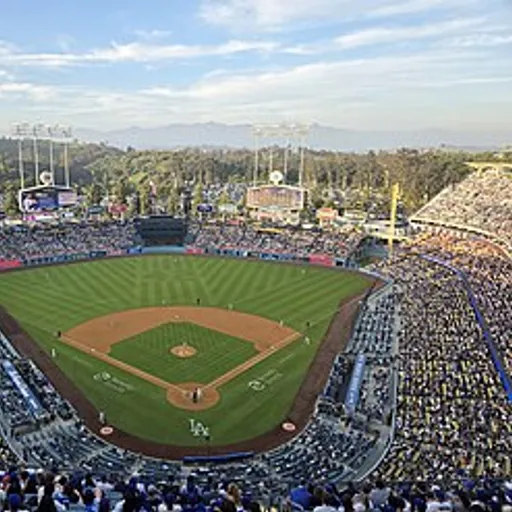
Dodger Stadium
Nestled in Chavez Ravine with the San Gabriel Mountains rising behind the outfield, Dodger Stadium has hosted Koufax's perfecto, Kirk Gibson's limping walk-off homer in '88, and six decades of Dodger blue sunsets without ever needing a major facelift. It's the third-oldest park in the majors yet still feels timeless, with palm trees and pastel seats that scream vintage Los Angeles. Few parks blend continuity and glamour like this one.
added by IJR
7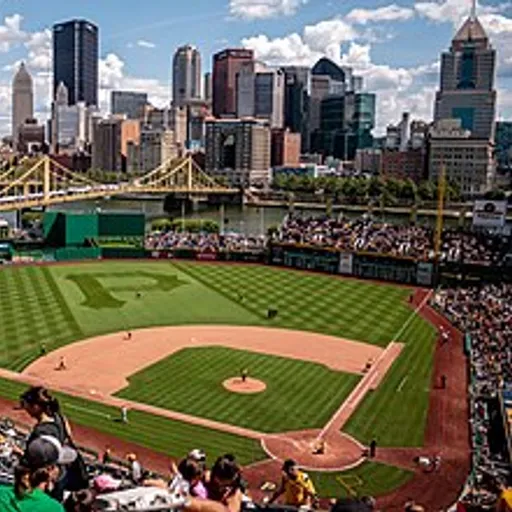
PNC Park▲ Rising
Built with the Roberto Clemente Bridge stretching toward downtown Pittsburgh's skyline, PNC Park delivers arguably the single best sightline in the sport — the Allegheny River, yellow bridges, and city skyscrapers framing every pitch. Even through lean Pirates years, this park kept national panels naming it the most beautiful in baseball, a testament to architecture outshining the standings. It's proof that a small-market team can still build something transcendent.
added by IJR
3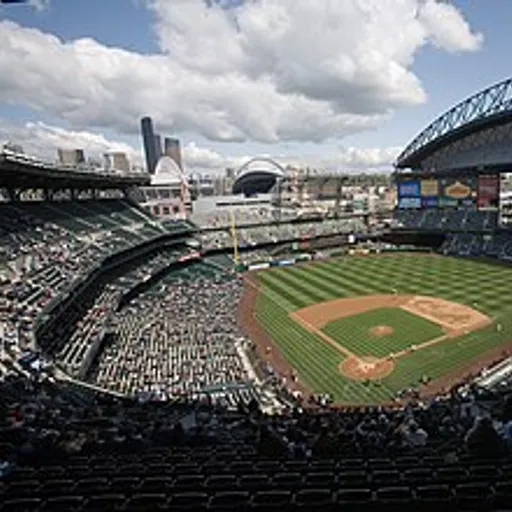
T-Mobile Park
A retractable roof solves Seattle's rain problem while still letting fresh air pour in on the good days, making this one of the most functional parks in baseball without sacrificing charm. Ichiro's Hall of Fame-caliber career unfolded largely on this stage, and the sweeping views of downtown Seattle and Mount Rainier on clear days give it a quietly stunning backdrop. It's the park that proved practical engineering and beauty aren't mutually exclusive.
added by IJR
-7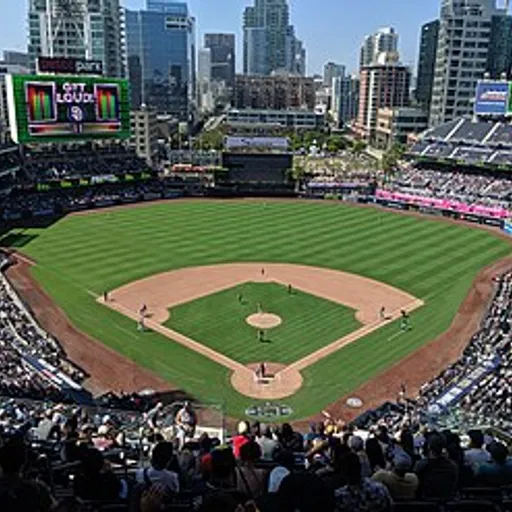
Petco Park
Petco Park folded the old Western Metal Supply Co. building right into left field, letting fans watch from windows and a rooftop perch built into a century-old brick facade. San Diego's downtown skyline and bay breezes give it a laid-back energy, while the deep power alleys once made it a pitcher's paradise before the fences got a friendlier makeover. It's a park that manages to feel both intimate and expansive at once.
added by IJR
-11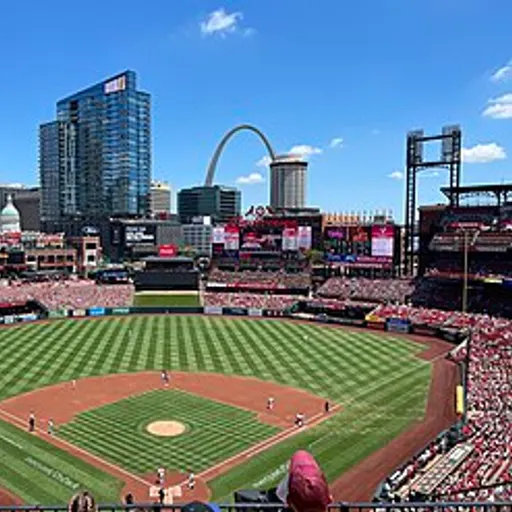
Busch Stadium▼ Falling
Opened in 2006 just in time for a World Series championship season, Busch Stadium replaced its predecessor with a design that frames the Gateway Arch perfectly beyond right field, turning every game into a postcard of downtown St. Louis. Cardinals Nation — famously among the most devoted fanbases in the sport — fills this park with a red-clad intensity that feels like a Sunday church service for baseball. It balances modern comfort with the gravity of Cardinals tradition better than almost any park built in its era.
added by IJR
-18
Coors Field▼ Falling
At 5,280 feet above sea level, Coors Field turned thin mountain air into a hitter's playground, with the purple row of seats marking the exact mile-high mark and baseballs flying like they're jet-propelled. The Blake Street Bombers era in the '90s made this the game's most unapologetic launching pad, and the Rocky Mountain backdrop beyond center field remains one of the sport's great visual flexes. It's baseball science and scenery colliding in the best way.
added by IJR
-22
Keep ranking
Comments (10)
Free account · your comment posts right after signup
You can't compare eras like this, but here we are, and I love it.
Longevity has to count for more than peak. This order underrates it.
The eye test and the stats finally agree on this one.
Put some respect on the defensive end of this argument.