Best movies of all time
Cinema has given us a century of unforgettable stories, from silent classics to modern blockbusters, and everyone has a personal pick for the greatest film ever made. The debate over the best movies of all time never really ends—it just evolves with each new generation of viewers and filmmakers. Cast your vote and help decide which films truly stand the test of time.
What counts: Craft, influence, and rewatchability. All eras compete. IMDb figures are the community rating, approximate.
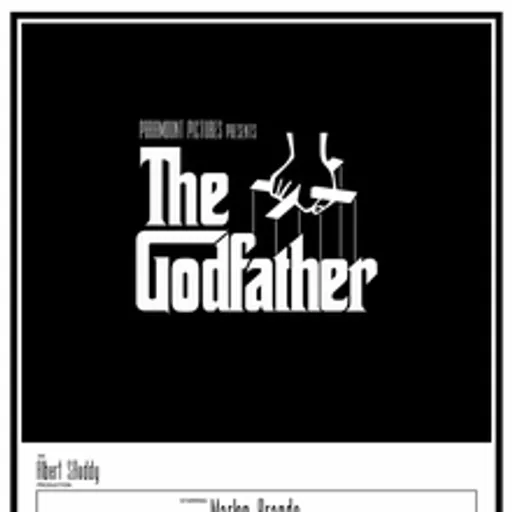
An orange rolls off a fruit stand and Vito Corleone crumples in the street, and suddenly a genre built on tommy guns becomes American opera. Coppola's masterstroke was slowing the gangster picture down into a family tragedy, making Michael's descent from war-hero outsider to ice-veined don feel both inevitable and devastating. Every mob story since — Scarface, Goodfellas, The Sopranos — is working in its shadow, which is the whole argument for its throne.
Year: 1972Director: Oscar wins: 3IMDb: 9.2/10Runtime: 175 min
added by Yourlist Editorialin 14 rankingsThe Godfather
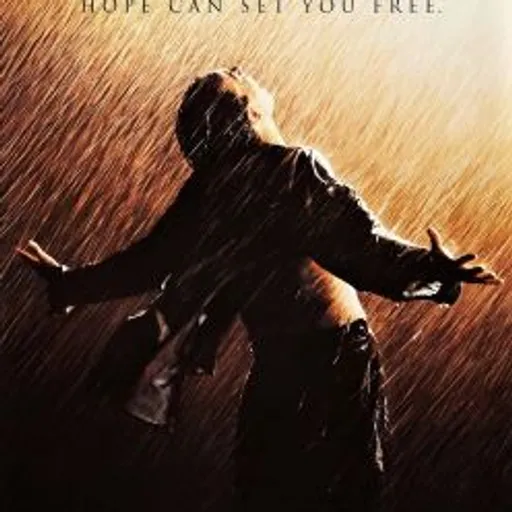
76A box-office flop that became the most beloved film on IMDb through sheer word-of-mouth stubbornness, it turns a Stephen King prison story into a patient, decades-long hymn to hope. Andy Dufresne crawling through a river of sewage to freedom during a thunderstorm is the release valve for two hours of quiet suffering, and it lands like a gut-punch every single time. Its rewatchability is almost freakish — it's comfort food and catharsis in the same breath, which is why it keeps topping polls two decades on.
Year: 1994Director: Oscar wins: 0IMDb: 9.3/10Runtime: 142 min
added by Yourlist Editorialin 9 rankingsThe Shawshank Redemption
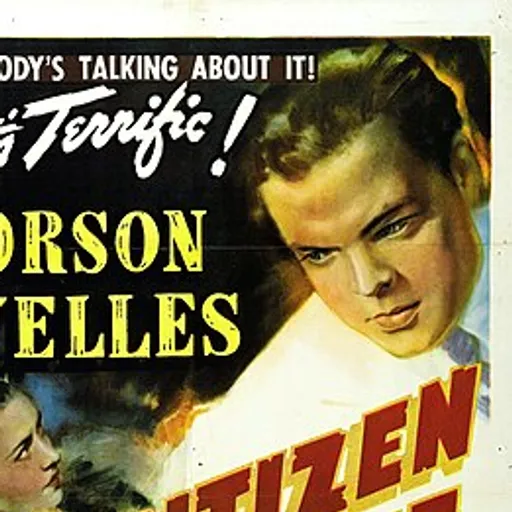
59Orson Welles was twenty-five and had never made a movie, so he broke every rule of how one was supposed to look — deep focus, ceiling shots, fractured chronology, a newsreel structure chasing the meaning of a dying man's last word. 'Rosebud' turns out to be a punchline and a heartbreak at once, a critique of American ambition wrapped in a mystery box. Nearly every technical trick in modern cinema's vocabulary traces back to this one film, which is why film schools still treat it as the Rosetta Stone.
Year: 1941Director: Oscar wins: 1IMDb: 8.3/10Runtime: 119 min
added by Yourlist Editorialin 3 rankingsCitizen Kane
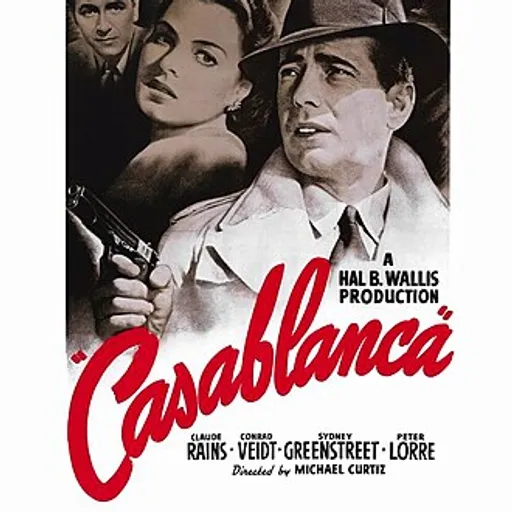
42Made on the fly during wartime with a script barely finished as they shot it, Casablanca somehow produced the most quotable dialogue in movie history and the most romantic ending Hollywood ever allowed itself to lose. Bogart putting Bergman on that plane, choosing cause over love, is the moment classic Hollywood proved it could be both cynical and swooningly sincere. It's the template for star-crossed romance and morally weary heroism that studios have chased, and rarely matched, ever since.
Year: 1942Director: Oscar wins: 3IMDb: 8.5/10Runtime: 102 min
added by Yourlist Editorialin 7 rankingsCasablanca
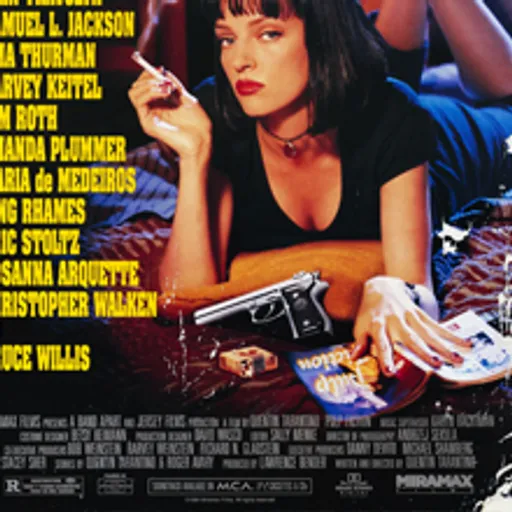
20Tarantino took pulp paperback plotting, shuffled the timeline like a deck of cards, and let two hitmen debate foot massages and Big Macs before a hit — and independent cinema was never the same. The needle-drop soundtrack, the nonlinear structure, the mix of extreme violence and comic digression rewired what a 'cool' movie could look like for the entire '90s and beyond. It's infinitely rewatchable because it's really a hangout movie disguised as a crime epic, all voice and attitude and endlessly quotable menace.
Year: 1994Director: Oscar wins: 1IMDb: 8.9/10Runtime: 154 min
added by Yourlist Editorialin 12 rankingsPulp Fiction
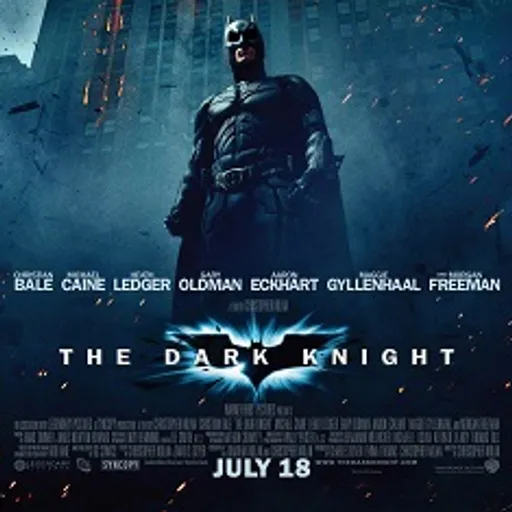
6Heath Ledger's Joker, licking his lips and burning a mountain of cash, proved a comic-book movie could carry the moral weight and craft of a crime epic, and it dragged the entire superhero genre out of camp and into seriousness overnight. The interrogation-room scene where Batman and Joker trade philosophies about chaos versus order is the ideological core of modern blockbuster filmmaking. It's the rare franchise film that critics and audiences both crown a masterpiece, and its DNA is in every 'grounded' comic adaptation that followed.
Year: 2008Director: Oscar wins: 2IMDb: 9/10Runtime: 152 min
added by Yourlist Editorialin 11 rankingsThe Dark Knight
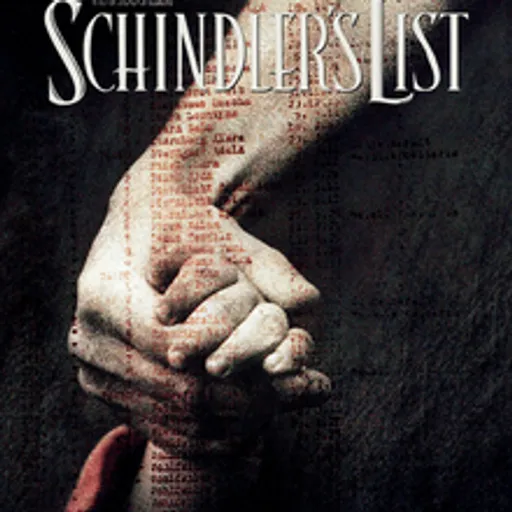
-30Spielberg shot the Holocaust in stark black-and-white and let one girl's red coat cut through the monochrome like an accusation, refusing to let atrocity become abstraction. Oskar Schindler's transformation from opportunist to desperate savior, and his final breakdown over the ring he could've sold to save one more life, turns historical horror into unbearable, specific human stakes. It's not a film people rewatch for pleasure but one that reset what mainstream cinema owed to historical truth and moral seriousness.
Year: 1993Director: Oscar wins: 7IMDb: 9/10Runtime: 195 min
added by Yourlist Editorialin 14 rankingsSchindler's List
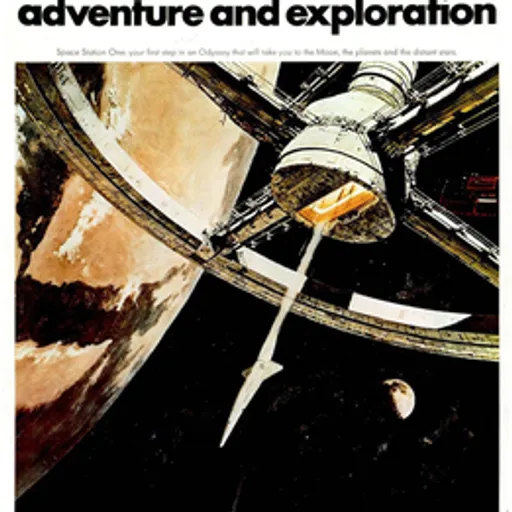
-36Kubrick threw out conventional narration and let a black monolith, a murderous computer named HAL, and a wordless stargate sequence tell an evolutionary story spanning from apes to star-children. 'I'm sorry, Dave, I'm afraid I can't do that' remains cinema's coldest villain line, delivered by a machine with no face at all. It invented the modern science-fiction epic's visual grammar — from Star Wars to Interstellar — and its hypnotic, meditative pacing rewards rewatching precisely because it refuses to explain itself.
Year: 1968Director: Oscar wins: 1IMDb: 8.3/10Runtime: 149 min
added by Yourlist Editorialin 7 rankings2001: A Space Odyssey
-46