Best Mythological Creatures Ranked
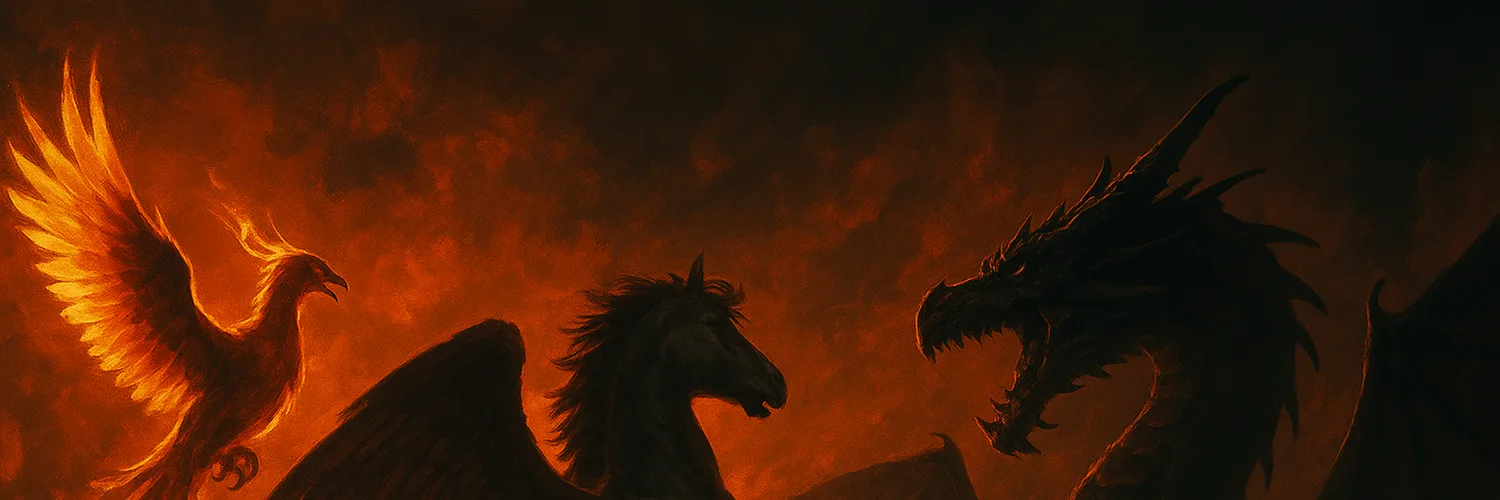
From fire-breathing dragons to shape-shifting tricksters, mythological creatures have haunted our imaginations and campfire stories for thousands of years across every culture on Earth. Some inspire awe, others terror, and a few just make us laugh — but which legendary beast truly deserves the crown? Cast your vote and help settle the debate once and for all.
What counts: Best is judged by a mix of raw mythic power, cultural staying power/fame, and sheer legendary weight across civilizations; power and fame are subjective ratings (0-10), and 'first recorded' dates are rough approximations since oral traditions predate written records.
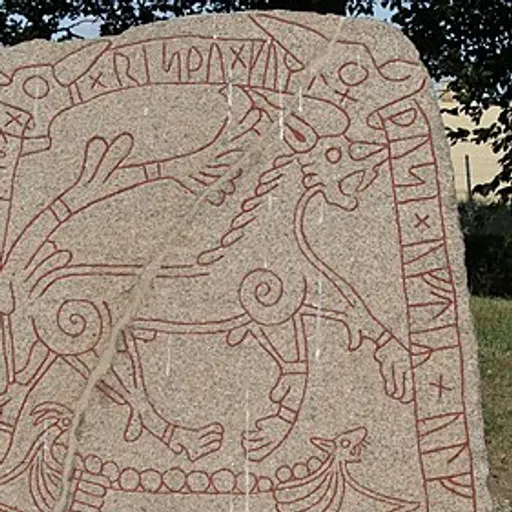
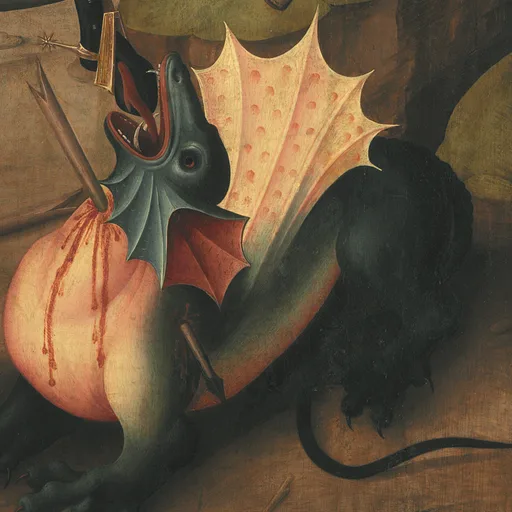
The undisputed heavyweight of world mythology, dragons guard treasure in Europe, embody imperial power in China, and terrorize kingdoms everywhere in between. From Fafnir to Smaug to Chinese lung deities controlling rain, no creature has been reinvented across more cultures while
Origin Culture: Global (Europe/Asia)Power Level: 10/10Cultural Fame: 10/10First Recorded: ~4000 years ago
added by Yourlist Editorialdragon
0Dying in flame only to rise reborn from its own ashes, the phoenix became humanity's ultimate symbol of resurrection and renewal. Its signature moment—self-immolation followed by rebirth—has made it a go-to metaphor from ancient Egypt to modern pop culture.
Origin Culture: Ancient Greece/EgyptPower Level: 8/10Cultural Fame: 9/10First Recorded: ~2500 years ago
added by Yourlist Editorialin 6 rankingsphoenix
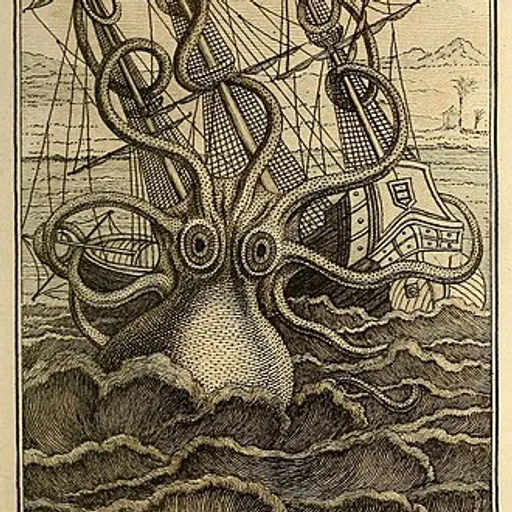
0This colossal sea monster dragged entire ships to the depths off the coast of Norway and Iceland, terrifying sailors for centuries. Its legend surged again in the 19th century and cemented itself in pop culture with 'release the Kraken,' proving old sea terror never really dies.
Origin Culture: Norse/ScandinavianPower Level: 9/10Cultural Fame: 8/10First Recorded: ~800 years ago
added by Yourlist Editorialkraken
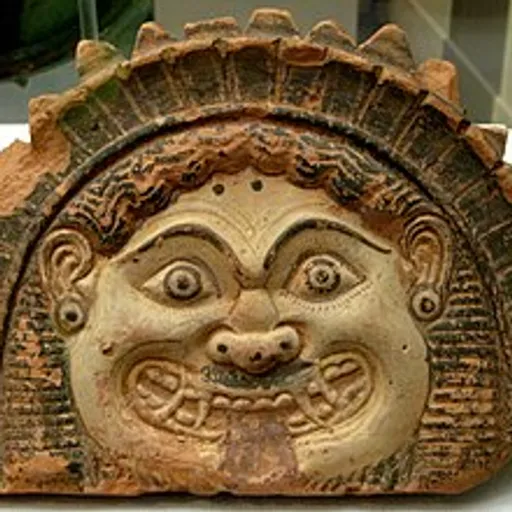
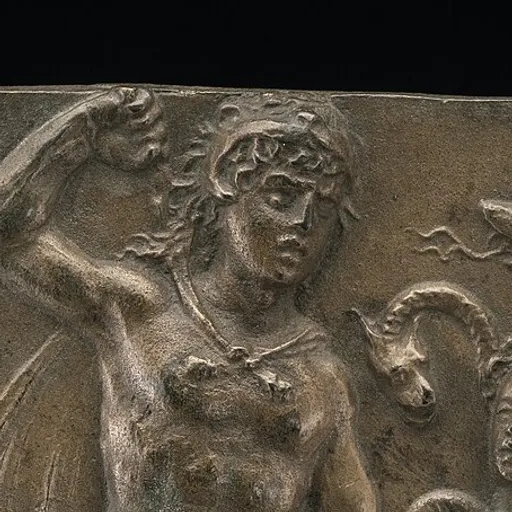
0Cursed with serpent hair and a gaze that turns men to stone, Medusa's tragic transformation from beauty to monster is one of mythology's most haunting arcs. Perseus's decapitation of her using a mirrored shield remains one of the most iconic hero-versus-monster showdowns ever tol
Origin Culture: Ancient GreecePower Level: 7/10Cultural Fame: 9/10First Recorded: ~2700 years ago
added by Yourlist EditorialMedusa
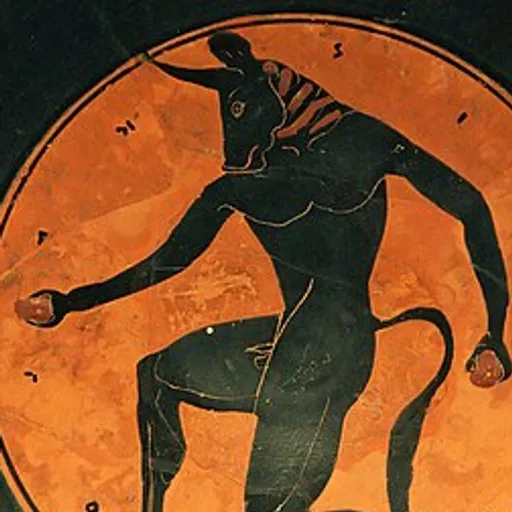
0Half-man, half-bull, and trapped in Daedalus's inescapable labyrinth, the Minotaur is the ultimate symbol of monstrous imprisonment and hidden shame. Theseus's thread-guided defeat of the beast is the archetype every 'hero enters the maze' story since has borrowed from.
Origin Culture: Ancient Greece (Crete)Power Level: 7/10Cultural Fame: 8/10First Recorded: ~2700 years ago
added by Yourlist EditorialMinotaur
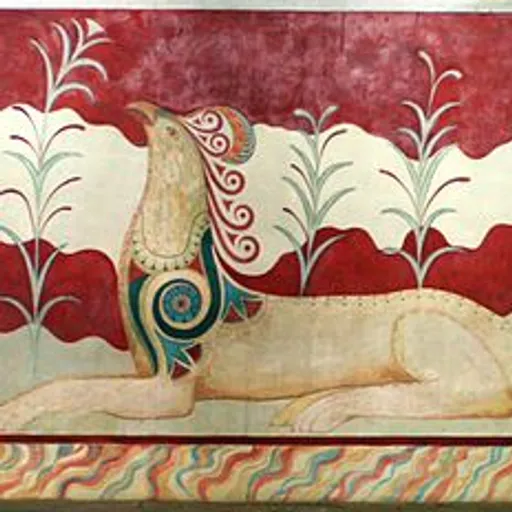
0Part eagle, part lion, the griffin combined the king of the skies with the king of beasts to guard gold and royal treasure across ancient Persia, Greece, and medieval heraldry. Its majestic hybrid design made it a favorite emblem of nobility and power for millennia.
Origin Culture: Ancient Near East/GreecePower Level: 8/10Cultural Fame: 8/10First Recorded: ~4000 years ago
added by Yourlist Editorialgriffin
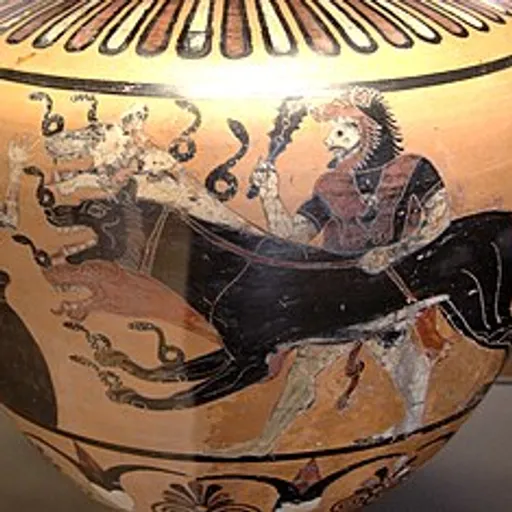
0The three-headed hound guarding the gates of the Underworld made sure nothing living entered and nothing dead escaped. Hercules's twelfth labor—dragging Cerberus up from Hades itself—remains one of the boldest feats in all of Greek myth.
Origin Culture: Ancient GreecePower Level: 7/10Cultural Fame: 8/10First Recorded: ~2700 years ago
added by Yourlist EditorialCerberus
0Cut off one head and two more grow back—the Hydra turned a simple monster fight into a lesson about escalating problems. Hercules's clever solution of cauterizing each stump to stop regrowth made this creature synonymous with seemingly unsolvable threats.
Origin Culture: Ancient GreecePower Level: 8/10Cultural Fame: 7/10First Recorded: ~2700 years ago
added by Yourlist EditorialHydra
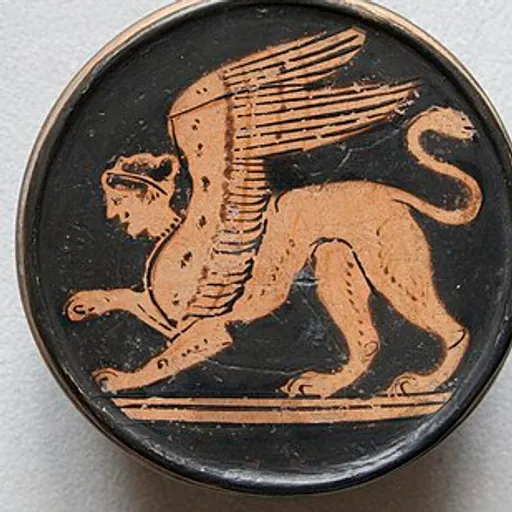
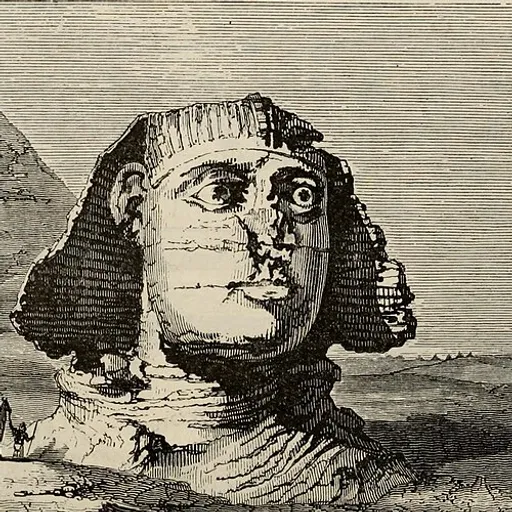
0Guarding the road to Thebes with a riddle that doomed anyone who failed it, the Sphinx turned monster-slaying into a battle of wits rather than swords. Oedipus's correct answer to her riddle is one of mythology's great intellectual triumphs, and her Egyptian statues cemented her
Origin Culture: Ancient Egypt/GreecePower Level: 6/10Cultural Fame: 8/10First Recorded: ~4500 years ago
added by Yourlist Editorialsphinx
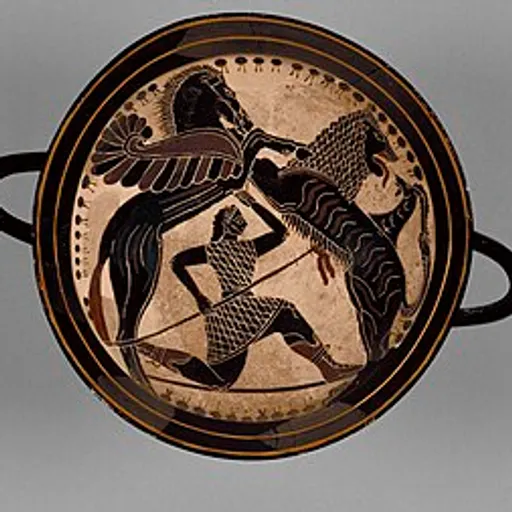
0Born from Medusa's severed neck, this winged horse carried heroes like Bellerophon into the sky to slay the Chimera itself. Pegasus turned a simple horse into a symbol of poetic inspiration and soaring heroism that still graces flags and logos today.
Origin Culture: Ancient GreecePower Level: 6/10Cultural Fame: 8/10First Recorded: ~2700 years ago
added by Yourlist EditorialPegasus
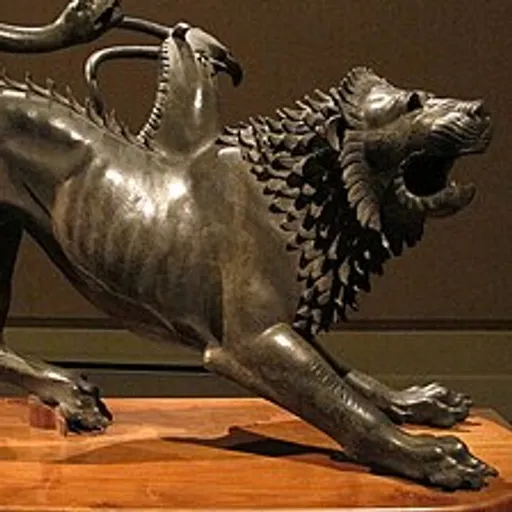
0Lion, goat, and serpent fused into one fire-breathing nightmare, the Chimera was so unnatural that its name became the English word for any wild genetic hybrid. Bellerophon's aerial defeat of the beast atop Pegasus is peak mythological spectacle.
Origin Culture: Ancient GreecePower Level: 7/10Cultural Fame: 6/10First Recorded: ~2700 years ago
added by Yourlist Editorialchimera
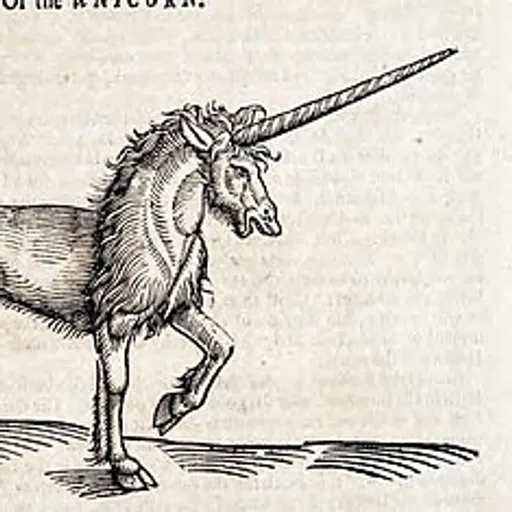
0A single horn capable of purifying poison made the unicorn one of the most desired and mysterious beasts in medieval bestiaries. Its untamable nature—said to be calmed only by a virgin's presence—turned it into a lasting symbol of purity and grace.
Origin Culture: Ancient Greece/Medieval EuropePower Level: 5/10Cultural Fame: 9/10First Recorded: ~2400 years ago
added by Yourlist Editorialunicorn
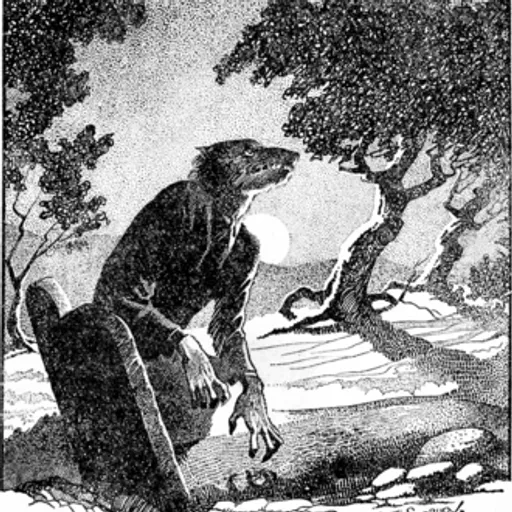
0The curse of the full moon transforming man into beast has haunted European folklore for centuries, blending fear of the wild with fear of losing one's own humanity. From medieval witch trials to modern horror franchises, the werewolf's tragic duality never stopped resonating.
Origin Culture: European folklorePower Level: 6/10Cultural Fame: 8/10First Recorded: ~2000 years ago
added by Yourlist Editorialin 3 rankingswerewolf
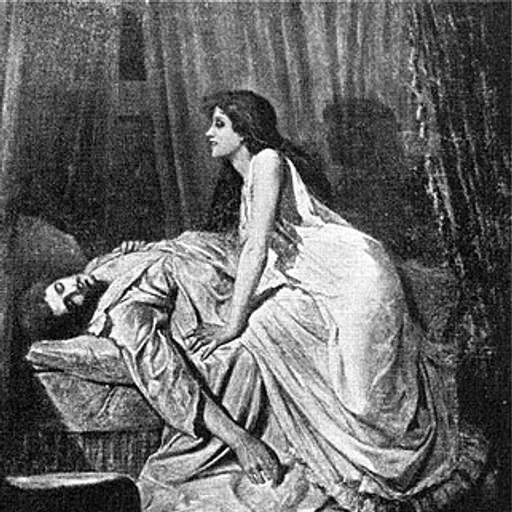
0Rising from the grave to feed on the living, the vampire evolved from Slavic peasant folklore into the aristocratic seducer popularized by Bram Stoker's Dracula. Few creatures have been so thoroughly rebranded from horrifying corpse to romantic anti-hero.
Origin Culture: Slavic/European folklorePower Level: 6/10Cultural Fame: 9/10First Recorded: ~1000 years ago
added by Yourlist Editorialin 3 rankingsvampire
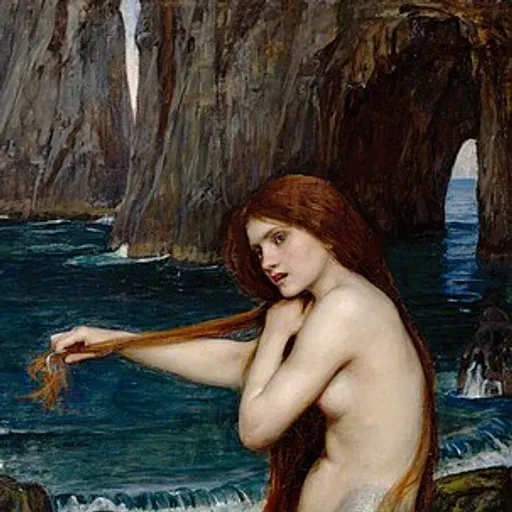
0Half-woman, half-fish, the mermaid lured sailors to their doom with an irresistible song long before she became a beloved Disney princess. Her dual nature as both seductive danger and tragic romantic figure has kept her swimming through folklore worldwide.
Origin Culture: Global (Near East/Europe)Power Level: 4/10Cultural Fame: 9/10First Recorded: ~3000 years ago
added by Yourlist Editorialmermaid
0This monstrous wolf was prophesied to kill Odin himself during Ragnarök, and the gods feared him so much they chained him with a magical ribbon made from impossible ingredients. Fenrir's inevitable escape and role in ending the world make him Norse mythology's ultimate apocalypti
Origin Culture: Norse mythologyPower Level: 9/10Cultural Fame: 6/10First Recorded: ~1000 years ago
added by Yourlist EditorialFenrir
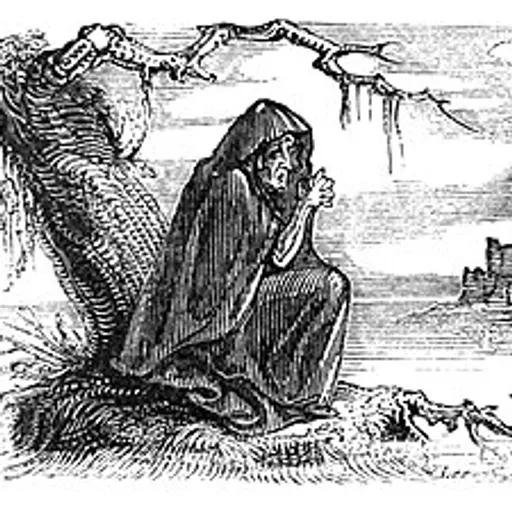
0Her mournful wail outside a house was said to foretell an imminent death, making the banshee less a monster to fight and more an omen to dread. Rooted deep in Irish folklore, she remains one of the few mythological figures whose power is purely psychological terror.
Origin Culture: Irish folklorePower Level: 3/10Cultural Fame: 6/10First Recorded: ~800 years ago
added by Yourlist Editorialbanshee
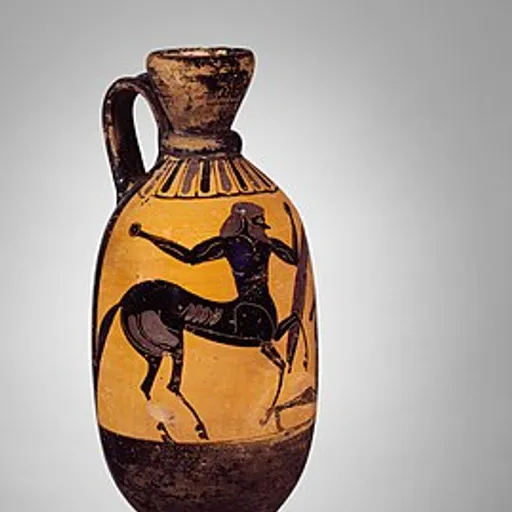
0Half-human, half-horse, centaurs embodied the tension between civilization and wild instinct in Greek myth, most famously in the drunken brawl at the Lapith wedding. The wise centaur Chiron, mentor to heroes like Achilles, gave the species an unexpected noble reputation.
Origin Culture: Ancient GreecePower Level: 5/10Cultural Fame: 7/10First Recorded: ~2700 years ago
added by Yourlist Editorialcentaur
0