

🖼️Best Paintings of All Time
Great paintings shape how generations see the world, from Renaissance breakthroughs to modern icons that define culture. Their influence, technique, and lasting public resonance set them apart in endless debates. Vote to rank your favorites and settle the argument.
What counts: Best means most influential, technically masterful, and culturally enduring; figures are approximate.
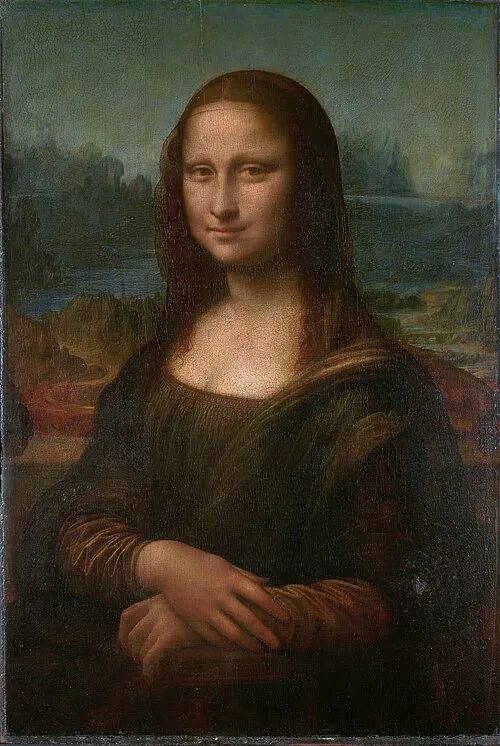
Mona Lisa▲ Rising
Leonardo's subtle smile and revolutionary sfumato turned a portrait into the world's most recognized image. Its 1911 theft and return cemented its mythic status. No other painting matches its combination of mystery and technical innovation.
Year: 1503Artist: Leonardo da VinciMedium: Oil on poplarCurrent Location: LouvreFame Rating: 10/10
added by IJRMona Lisa
24The Scream▲ Rising
Munch distilled modern anxiety into a single distorted figure against a blood-red sky. Its raw emotion and simplified forms prefigured Expressionism. Few images capture existential dread so directly.
Year: 1893Artist: Edvard MunchMedium: Oil, tempera, pastel on cardboardCurrent Location: National Gallery, OsloFame Rating: 9.4/10
added by IJRThe Scream
22Girl with a Pearl Earring▲ Rising
Vermeer turned a simple portrait into an enigmatic masterpiece with luminous light and mysterious gaze. The painting's intimate scale and technical perfection make it timeless. It now defines Dutch Golden Age portraiture for millions.
Year: 1665Artist: Johannes VermeerMedium: Oil on canvasCurrent Location: MauritshuisFame Rating: 9.2/10
added by IJRGirl with a Pearl Earring
18The Starry Night▲ Rising
Van Gogh painted swirling skies from his asylum window, transforming personal turmoil into universal emotion. The bold color and rhythmic brushwork defined Post-Impressionism. It remains the archetype of expressive modern painting.
Year: 1889Artist: Vincent van GoghMedium: Oil on canvasCurrent Location: MoMAFame Rating: 9.7/10
added by IJRThe Starry Night
15Klimt's gold-leaf embrace turned intimacy into opulent pattern and symbol. Its decorative splendor and erotic charge made it Vienna Secession's signature work. The painting still dominates popular imagination of romantic art.
Year: 1908Artist: Gustav KlimtMedium: Oil and gold leaf on canvasCurrent Location: Belvedere MuseumFame Rating: 8.7/10
added by IJRThe Kiss
9Monet captured a single bird in snow with delicate color and light that defined Impressionist winter scenes. The painting's quiet observation and subtle palette showed nature's poetry. It remains one of the movement's most beloved works.
Year: 1868Artist: Claude MonetMedium: Oil on canvasCurrent Location: Musée d'OrsayFame Rating: 7.6/10
added by IJRThe Magpie
8The Night Watch▲ Rising
Rembrandt transformed a standard militia portrait into a dynamic, theatrical scene with dramatic lighting and movement. Its huge scale and storytelling ambition set new standards for group portraiture. The painting's restoration history adds to its legend.
Year: 1642Artist: Rembrandt van RijnMedium: Oil on canvasCurrent Location: RijksmuseumFame Rating: 9.1/10
added by IJRThe Night Watch
7The Last Supper▲ Rising
Leonardo captured the exact moment Christ announces betrayal, using perspective to focus drama on the table. The experimental technique caused rapid deterioration yet the image endures everywhere. It redefined narrative painting.
Year: 1495Artist: Leonardo da VinciMedium: Tempera on plasterCurrent Location: Santa Maria delle GrazieFame Rating: 9.5/10
added by IJRThe Last Supper
5Wood's stern couple before a Gothic farmhouse captured Depression-era American values and tensions. The painting's precise style and ambiguous tone sparked immediate national conversation. It became shorthand for rural America.
Year: 1930Artist: Grant WoodMedium: Oil on beaverboardCurrent Location: Art Institute of ChicagoFame Rating: 8.8/10
added by IJRin 2 rankingsAmerican Gothic
3A Sunday on La Grande Jatte
Seurat's pointillist masterpiece froze Parisian leisure into scientific color dots and rigid geometry. The huge canvas proved theory could produce monumental art. It remains the ultimate demonstration of methodical modernism.
Year: 1886Artist: Georges SeuratMedium: Oil on canvasCurrent Location: Art Institute of ChicagoFame Rating: 8.4/10
added by IJR
3Water Lily Pond
Monet's late series transformed his garden into endless explorations of light and reflection. The large canvases dissolve form into pure color and atmosphere. They redefined landscape painting's possibilities.
Year: 1904Artist: Claude MonetMedium: Oil on canvasCurrent Location: Musée d'OrsayFame Rating: 8.6/10
added by IJR
1Dalí's melting clocks in a barren landscape made Surrealism visually unforgettable. The small canvas packs philosophical questions about time into dreamlike imagery. It remains the defining image of 20th-century irrationality.
Year: 1931Artist: Salvador DalíMedium: Oil on canvasCurrent Location: MoMAFame Rating: 8.9/10
added by IJRThe Persistence of Memory
0Velázquez placed the viewer in the royal studio, blurring reality and representation with mirrors and gazes. The painting questions the nature of art itself centuries before modernism. Its spatial complexity still fascinates scholars and visitors.
Year: 1656Artist: Diego VelázquezMedium: Oil on canvasCurrent Location: Museo del PradoFame Rating: 9/10
added by IJRLas Meninas
-1The Arnolfini Portrait
Van Eyck packed a marriage contract with symbolic objects and unprecedented detail. The convex mirror and inscription made viewers part of the scene. It established oil painting's potential for realism.
Year: 1434Artist: Jan van EyckMedium: Oil on oak panelCurrent Location: National Gallery, LondonFame Rating: 8.3/10
added by IJR
-1Hopper captured urban loneliness in a stark diner under harsh light. The painting's empty streets and isolated figures defined mid-century American alienation. Its cinematic composition made it instantly iconic.
Year: 1942Artist: Edward HopperMedium: Oil on canvasCurrent Location: Art Institute of ChicagoFame Rating: 8.2/10
added by IJRNighthawks
-1Goya dramatized Spanish resistance with a lantern-lit firing squad and defiant victim. The painting's raw emotion and political clarity made it the model for modern war art. Its moral force still resonates.
Year: 1814Artist: Francisco GoyaMedium: Oil on canvasCurrent Location: Museo del PradoFame Rating: 8.1/10
added by IJRThe Third of May 1808
-1Raphael assembled classical thinkers in perfect Renaissance architecture to celebrate human reason. The fresco's balanced composition and ideal figures embodied High Renaissance harmony. It remains the ultimate statement of intellectual aspiration.
Year: 1511Artist: RaphaelMedium: FrescoCurrent Location: Vatican MuseumsFame Rating: 8/10
added by IJRThe School of Athens
-1Picasso's monumental response to the bombing of Guernica used fractured forms and monochrome palette to indict war. Its exhibition at the 1937 World's Fair made it an instant anti-war emblem. The work remains unmatched in political painting.
Year: 1937Artist: Pablo PicassoMedium: Oil on canvasCurrent Location: Museo Reina SofíaFame Rating: 9.3/10
added by IJRGuernica
-3Turner showed a great warship towed to its end in glowing sunset colors. The painting mourned the age of sail while celebrating industrial change. Its luminous atmosphere defined Romantic landscape.
Year: 1839Artist: J. M. W. TurnerMedium: Oil on canvasCurrent Location: National Gallery, LondonFame Rating: 7.8/10
added by IJRThe Fighting Temeraire
-3Wyeth painted a disabled woman crawling across a barren field, turning personal struggle into universal isolation. The stark composition and muted palette created haunting emotional tension. It became the defining image of mid-century American realism.
Year: 1948Artist: Andrew WyethMedium: Tempera on panelCurrent Location: MoMAFame Rating: 7.7/10
added by IJRChristina's World
-3Whistler reduced portraiture to tonal harmony and geometric restraint. The painting's quiet dignity and famous subtitle elevated formal arrangement over likeness. It became an American icon despite the artist's British roots.
Year: 1871Artist: James McNeill WhistlerMedium: Oil on canvasCurrent Location: Musée d'OrsayFame Rating: 7.9/10
added by IJRWhistler's Mother
-4Botticelli's graceful goddess emerging from the sea revived classical ideals with linear elegance and delicate color. The painting became the visual definition of Renaissance beauty. Its mythological calm still captivates.
Year: 1485Artist: Sandro BotticelliMedium: Tempera on canvasCurrent Location: UffiziFame Rating: 8.5/10
added by IJRThe Birth of Venus
-5Van Gogh painted peasant life with earthy tones and awkward figures to honor honest labor. The painting's raw sincerity and social message marked his early breakthrough. It shows the roots of his later expressive power.
Year: 1885Artist: Vincent van GoghMedium: Oil on canvasCurrent Location: Van Gogh MuseumFame Rating: 7.5/10
added by IJRThe Potato Eaters
-11The Dance▼ Falling
Matisse reduced figures to pure color and rhythm in a circle that celebrated life and movement. The huge canvas's simplicity and joy defined Fauvism's decorative power. It remains the ultimate expression of modernist vitality.
Year: 1910Artist: Henri MatisseMedium: Oil on canvasCurrent Location: Hermitage MuseumFame Rating: 7.3/10
added by IJRThe Dance
-12Olympia▼ Falling
Manet shocked Paris with a direct gaze and modern nude that rejected classical idealization. The painting's flat space and confrontational stare launched modern art's break with tradition. Its scandal cemented its historical importance.
Year: 1863Artist: Édouard ManetMedium: Oil on canvasCurrent Location: Musée d'OrsayFame Rating: 7.4/10
added by IJROlympia
-20
