
Best sitcom characters ever
Sitcoms have given us decades of laugh-out-loud moments, and the characters at the center of them are often why we keep coming back episode after episode. From lovable goofballs to razor-sharp wits, these personalities have shaped television comedy and become cultural icons in their own right. Now it's your turn to settle the debate — cast your vote for the best sitcom character ever.
What counts: The crowd's votes decide the order — seeded neutral.
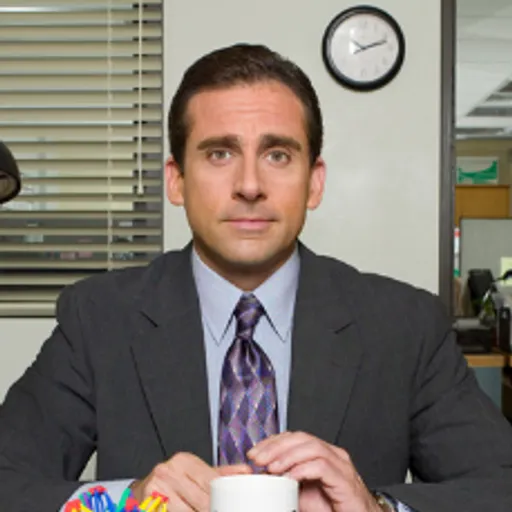
He faxed a birthday party invitation to a dead man's memorial, called Toby's presence at his own party "the worst," and somehow made "That's what she said" into a philosophy of life. Michael's genius was turning cringe into pathos — you laughed at Threat Level Midnight while quietly aching for a man who just wanted everyone in that office to be his family. No sitcom character has ever made secondhand embarrassment feel this much like love.
added by Yourlist EditorialMichael Scott
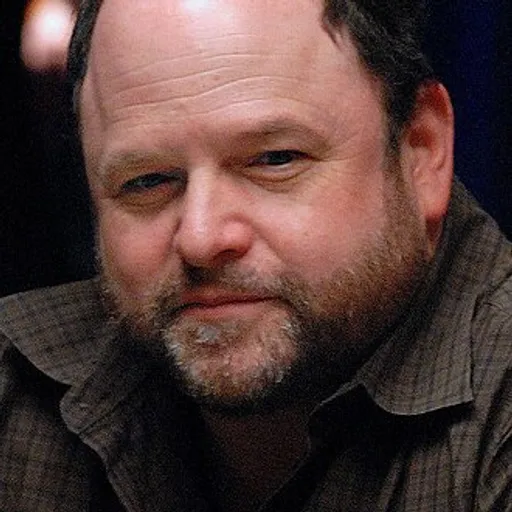
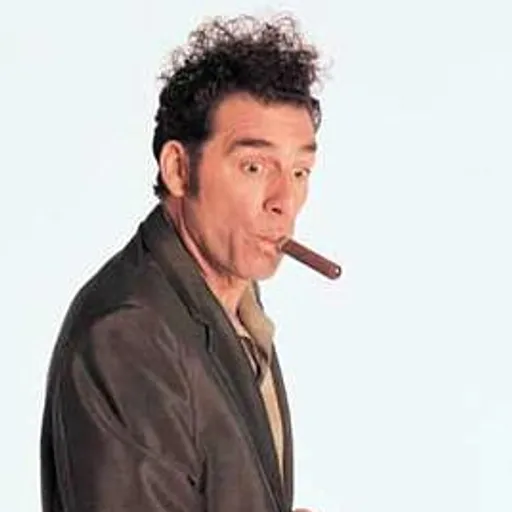
43He slid through Jerry's door sideways like a human pratfall and somehow turned a bootleg peephole scheme, a bucket of golf balls whacked into the ocean, and a car with a horse's head hood ornament into high art. Kramer never explained himself because he didn't need to — the man had a coffee table book about coffee tables and a business plan to sell peeing Bud Man dolls, and it all tracked. He's the purest chaos agent sitcoms ever produced, proof that a character can have zero interiority and still be a towering comic invention.
added by Yourlist Editorial
30A libertarian bureaucrat who built his own furniture, ate whole steaks in one sitting, and once described breakfast foods as "the only thing I like more than breakfast food is more breakfast food," Ron turned stoicism into slapstick. The reveal that he's secretly Duke Silver, saxophone-playing lounge lizard, cracked open a softer core underneath the mustache and the government-hating growl. He's the rare character whose entire bit is refusing to have a bit, and it never once got old.
added by Yourlist EditorialRon Swanson
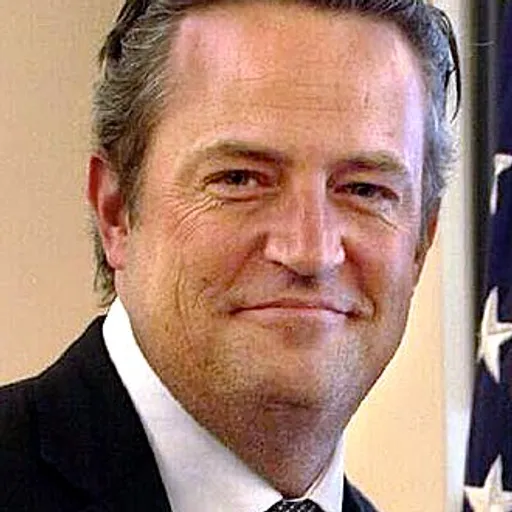
24He wore suits like armor, kept a Playbook of increasingly deranged seduction schemes, and turned "legendary" into a personal brand before that was a thing anyone did on purpose. But it was the slow reveal of his broken childhood and the wedding-day collapse of his cool-guy shell that gave the catchphrases weight — Barney worked because the writers let the laser tag and the suits be a shield, not just a joke. Few sitcom characters managed to be this loud and this wounded at once.
added by Yourlist EditorialBarney Stinson
17He deflected every real feeling with a joke so reflexively that even he lampshaded it — "Could I BE wearing any more clothes?" — and somehow that defense mechanism became the show's emotional Rosetta Stone. Watching him actually let Monica in, panic in the fertility doctor's office, and grow into fatherhood gave the sarcasm a payoff it earned. Chandler proved that being the funny friend and being the most quietly insecure person in the room could be the exact same performance.
added by Yourlist EditorialChandler Bing
2Beet farmer, volunteer sheriff's deputy, black-belt survivalist who kept a bobblehead of himself and a loaded crossbow under his desk, Dwight turned workplace weirdness into an art of total, unblinking sincerity. The fire drill where he set actual smoke loose in the office to test everyone's survival instincts is the platonic ideal of his brand: absurd, terrifying, and somehow completely in character. He's the best kind of sitcom weirdo — never winking at the camera, just fully, insanely committed.
added by Yourlist EditorialDwight Schrute
-6Short, stocky, slow-witted, bald — his words — George turned petty, cowardly self-sabotage into an art form, whether he was faking being a marine biologist or trying to get fired to collect severance. "The Opposite" episode is basically his thesis statement: everything he'd normally do is wrong, so doing the opposite makes him a success, which is the funniest possible indictment of a human being ever aired. No sitcom character has made failure this specific, this hilarious, or this weirdly relatable.
added by Yourlist EditorialGeorge Costanza
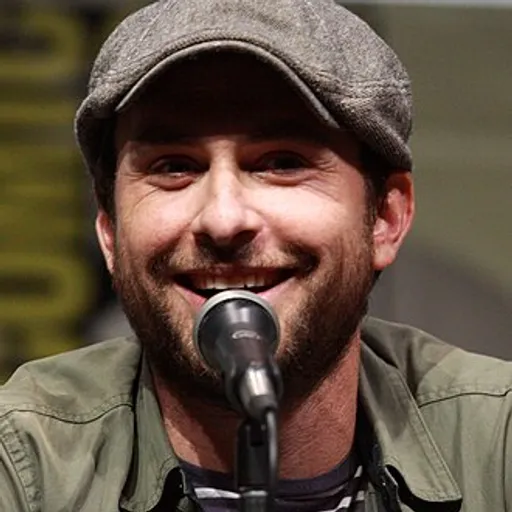
-9He can't read, huffs glue and spray paint, lives off cat food, and once turned a wall covered in scribbled conspiracy theories about Pepe Silvia into one of TV's most iconic meltdowns — and somehow he's still the closest thing the Gang has to a soul. Charlie Work showed a hidden competence buried under all the squalor, proving there's a tragic, almost lovable person flickering beneath the Kitten Mittons and the rat-infested apartment. He's chaos with a wounded heart, and Sunny wouldn't function without him.
added by Yourlist EditorialCharlie Kelly
-17She loved waffles, breakfast food, her friends, and the Parks Department with an intensity that could have been insufferable but instead became the show's beating heart — building a park out of a literal pit through sheer bureaucratic stubbornness and hand-written binders of love. Her friendship with Ron, her Galentine's Day, her refusal to ever stop believing government could do good — Leslie made earnestness a comedic engine instead of a liability. She's the rare sitcom lead whose defining joke is that she's actually, unironically, the best person in the room.
added by Yourlist EditorialLeslie Knope
-18A pompous psychiatrist who moved home to Seattle only to be constantly undone by his ex-cop father, his lobster-obsessed brother Niles, and his own towering ego, Frasier turned highbrow pretension into pratfall material for eleven seasons. The door-slamming farce of an episode like "The Ski Lodge," where every romantic overture crosses wires in the next room, showed how precisely his wounded vanity could be engineered into comedy. He's proof a spinoff character can eclipse the original, carrying an entire show on the strength of his own insufferable, lovable self-regard.
added by Yourlist EditorialFrasier Crane
-33