Best streaming-era miniseries
The streaming era unleashed a golden age of limited series, giving auteur directors and A-list actors the freedom to tell complete, cinematic stories in just a handful of episodes without the pressure of multiple seasons. From gripping true-crime dramas to genre-bending fantasy epics, these miniseries have redefined prestige television and dominated award ceremonies. Now it's time to settle the debate once and for all — cast your vote for the best one!
What counts: The crowd's votes decide the order — seeded neutral.
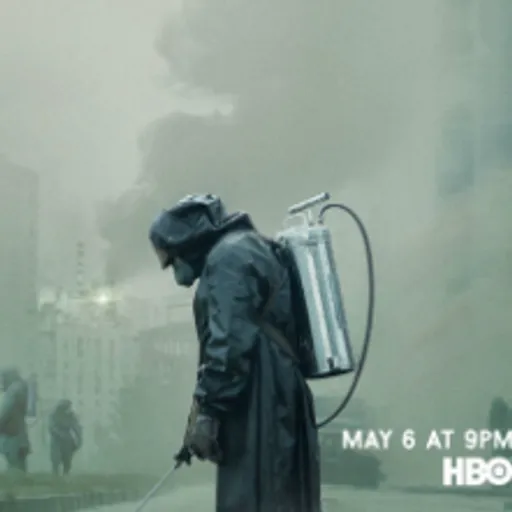
The bridge of death scene alone should be taught in horror classes — villagers watching a beautiful blue light that's actually killing them. Craig Mazin turned a Soviet bureaucratic disaster into the tensest thing on television, with Jared Harris's courtroom monologue landing like a thesis statement on truth itself. It set the bar so high that 'the Chernobyl of X' became shorthand for prestige miniseries done right.
added by Yourlist Editorialin 7 rankingsChernobyl
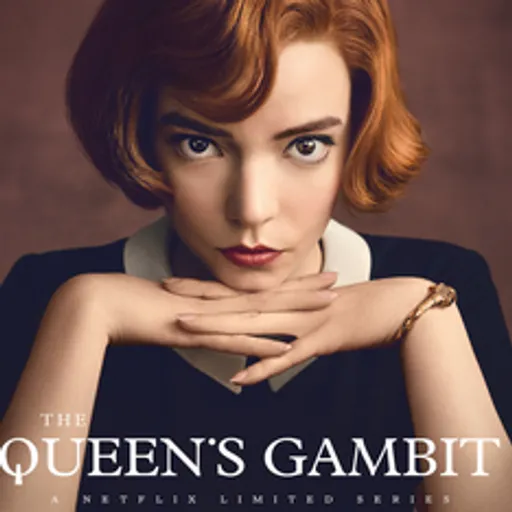
83Anya Taylor-Joy staring down a chessboard made a niche, silent, cerebral game feel like the sexiest sport on Earth — sales of chess sets and Netflix's own numbers proved it wasn't just critics who felt that. It turned a Walter Tevis novel nobody optioned for decades into a global phenomenon almost overnight. Its case for the crown is pure crossover alchemy: it made prestige TV feel like popcorn.
added by Yourlist Editorialin 7 rankingsThe Queen's Gambit
70Included honorarily because it basically invented the format everyone here is competing in — Spielberg and Hanks proved a limited series could have theatrical scale, an ensemble worth memorizing, and the moral weight of a decade-defining war epic. Easy Company jumping into Normandy under 'Deliverance' isn't just a great episode, it's the template. It sits outside the modern ranking because it predates streaming, but every entry on this list owes it rent.
added by Yourlist EditorialBand of Brothers
27A road-rage incident between a failing contractor and a wealthy artist spirals into the most gloriously unhinged portrait of American rage ever filmed, and Steven Yeun and Ali Wong play it like a two-person symphony of resentment. The finale's psychedelic detour into shared consciousness is the kind of swing only a limited series could get away with. It belongs here because it proved a genre-blurring dark comedy could hit as hard, emotionally, as any 'serious' drama.
added by Yourlist Editorialin 2 rankingsBeef
-3Riz Ahmed's Naz walking into a Queens holding cell a scared kid and coming out the other side of the season hardened, tattooed, transformed — that visual arc is the whole show in one image. HBO's slow-burn true-crime-adjacent drama got there before the podcast boom made wrongful-conviction stories a cottage industry, and did it with more procedural patience than almost anything since. Its case is that it's the blueprint everyone copied and rarely equaled.
added by Yourlist Editorialin 3 rankingsThe Night Of
-9Ava DuVernay's four-part reckoning with the Central Park Five ends with Jharrel Jerome playing Korey Wise at every age, alone in solitary, aging in real time on screen — a performance that rewired how the industry thought about what a miniseries could carry emotionally and politically. It didn't just dramatize a miscarriage of justice, it forced a real-world reconsideration of the case and the men's names. Its place here is non-negotiable: rarely has a limited series changed the actual conversation happening outside the TV.
added by Yourlist Editorialin 3 rankingsWhen They See Us
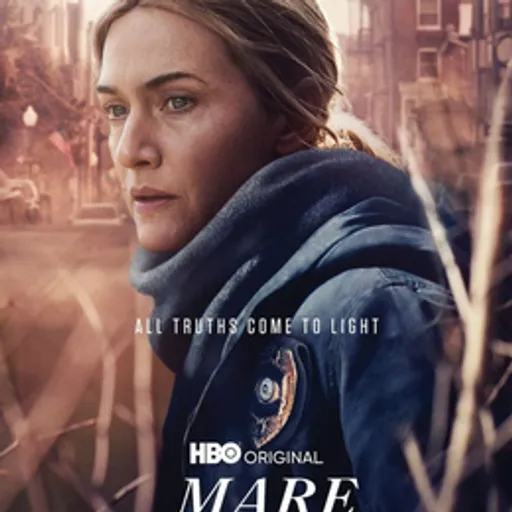
-11Kate Winslet in a Delco fleece, dragging herself up basement stairs after a shootout, embodies a specific exhausted-American-town grief that the show never cheapens for twists. The finale's gut-punch reveal about who actually killed Erin McMenamin recontextualizes every episode without feeling like a cheat. It earns its spot by proving 'small town mystery' could still be about class, motherhood, and grief first, plot second.
added by Yourlist Editorialin 3 rankingsMare of Easttown
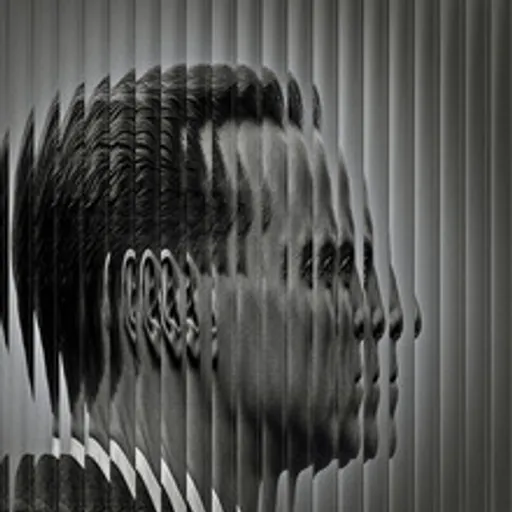
-33Andrew Scott's Tom Ripley slithering through black-and-white Italian villas, disposing of a body with the patient calm of a man doing chores, turns Highsmith's sociopath into pure cinematic menace. Steven Zaillian shoots it like a Caravaggio painting come to life, all shadow and stone stairs, betting that style itself could be the plot's engine. It belongs on this list as proof the genre can still be reinvented purely through form — mood as narrative.
added by Yourlist EditorialRipley
-43