
Best time-travel movies
Time travel has long been one of cinema's most mind-bending playgrounds, letting filmmakers twist cause and effect into thrilling, thought-provoking knots. From paradox-filled thrillers to time-hopping comedies, these films challenge us to question fate, memory, and what it truly means to change the past or future. Which time-travel movie do you think reigns supreme? Cast your vote and help settle the debate!
What counts: The crowd's votes decide the order — seeded neutral.
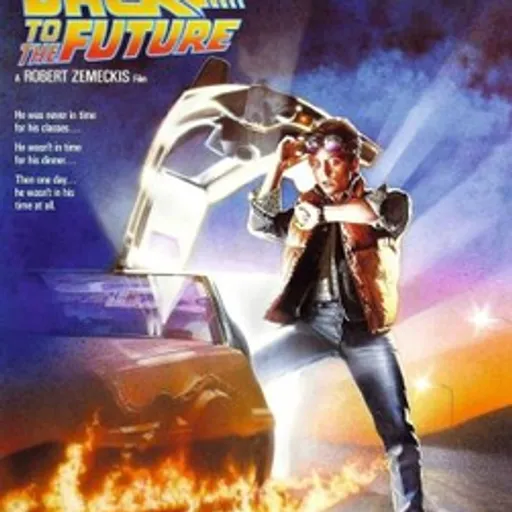
Marty McFly shreds 'Johnny B. Goode' in front of his future parents' classmates and accidentally invents rock and roll a few years early, the kind of causality joke that turns paradox into pure pleasure. The DeLorean became shorthand for time travel itself, and Doc Brown's chalkboard science made the genre feel playful rather than headache-inducing. It sits at the top of most ballots because it's the rare film that's both a flawless machine and just plain fun to watch.},
added by Yourlist Editorialin 9 rankingsBack to the Future
88A T-800 gives a solemn thumbs-up before descending into molten steel, sacrificing itself so a killing machine can choose to save a boy's future — the moment sci-fi action got a soul. James Cameron used the time-loop premise not for cleverness but for tragedy, turning John Connor's protector into the emotional center of a genre usually obsessed with plot mechanics. It ranks here because it proved time travel could carry real pathos alongside liquid-metal spectacle.},
added by Yourlist Editorialin 2 rankings
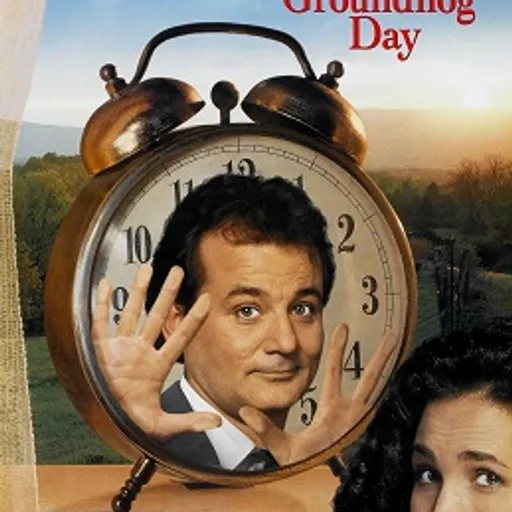
65Phil Connors wakes to 'I Got You Babe' for what feels like the ten-thousandth time, and that alarm clock became the universal shorthand for being stuck — no machine, no paradox talk, just a man forced to become decent through repetition. It reinvented time travel as a moral crucible rather than a mechanical puzzle, spawning an entire subgenre of loop movies that owe it tribute. It belongs near the top because it's the rare time-travel film that's actually about becoming a better person, disguised as a comedy.},
added by Yourlist Editorialin 7 rankingsGroundhog Day
45Cooper floats behind a bookshelf, realizing he's been his own daughter's ghost the whole time, and the film collapses relativity, love, and grief into one gutting reveal. Nolan swapped clever loops for cosmic scale, using time dilation on Miller's planet to make decades vanish in an afternoon and turn distance itself into the villain. Its place on this list comes from ambition: few films make wormholes and tesseracts feel like a father's apology.},
added by Yourlist Editorialin 11 rankingsInterstellar
41Joe stares down the barrel at his older self, and the film's willingness to just shoot first and sort out the timeline later gives it a nervy, propulsive confidence most loop movies lack. Rian Johnson grounds the sci-fi in blue-collar grit and a genuinely upsetting Rainmaker twist, then earns its ending with a sacrifice that rewires the whole plot in one clean stroke. It earns its spot for style and nerve — a film that dares you to stop asking 'but how does that work?' and just watch the consequences land.},
added by Yourlist Editorialin 2 rankingsLooper
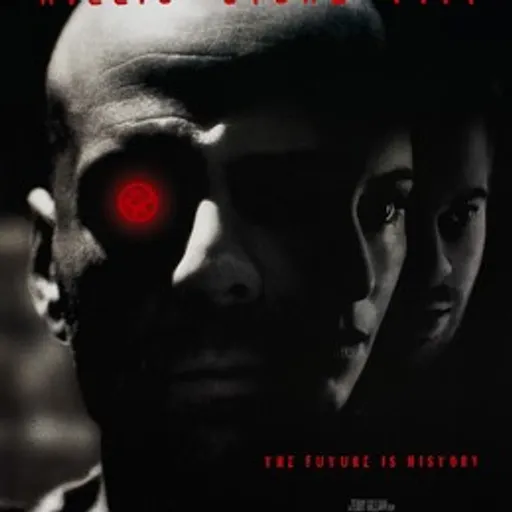
6James Cole, strapped to a chair as a child, watches a man die in an airport and doesn't understand he's watching his own death — a memory that recontextualizes the entire movie the instant it repeats at the end. Terry Gilliam turns the loop into a fatalistic nightmare, where trying to fix the future only cements the past, making free will feel like a cruel joke. It ranks here for treating time travel as existential horror, proving the genre could be as bleak as it is clever.},
added by Yourlist Editorialin 3 rankings12 Monkeys
-6Cage dies on the beach for what feels like the hundredth time, and each reset sharpens Tom Cruise from cowardly PR flack into a soldier who's memorized the enemy's every move — a video-game structure that somehow builds real character. The film weaponizes repetition for both comedy and dread, making death itself a training montage. It's on this list because it's the slickest, most purely entertaining use of the loop mechanic since Murray's Punxsutawney purgatory.},
added by Yourlist Editorialin 4 rankingsEdge of Tomorrow
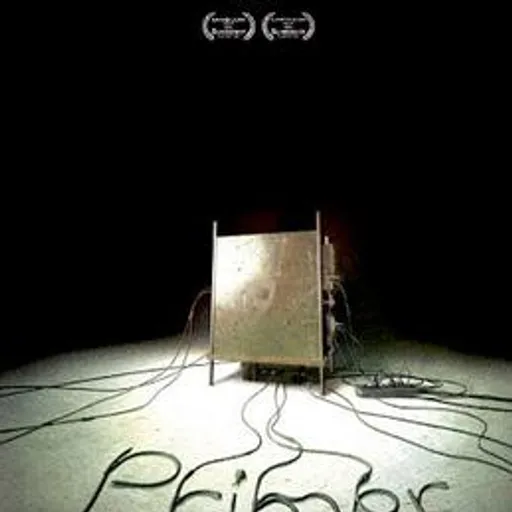
-28Two engineers build a time machine in a garage almost by accident, and by the third act even they can't track how many versions of themselves are running around — a deliberate, dizzying opacity that turned the film into a puzzle box fans still argue over on whiteboards. Shane Carruth strips away spectacle entirely, treating time travel as a business problem that spirals into paranoia and betrayal. It earns its place for rigor: no film makes the mechanics of time travel feel more terrifyingly, believably real.
added by Yourlist Editorialin 3 rankingsPrimer
-63