
Best TV dramas of all time
Television drama has evolved from simple weekly episodics into some of the most ambitious storytelling of our time, rivaling cinema in scope, complexity, and cultural impact. From sprawling crime sagas to intimate character studies, these series have redefined what the small screen can achieve and sparked endless debates among fans about which truly stands above the rest. Now it's your turn to weigh in—cast your vote and help crown the greatest TV drama of all time.
What counts: Writing, acting, and staying power across a full run. Emmy counts are Primetime wins and IMDb figures the community rating, both approximate.
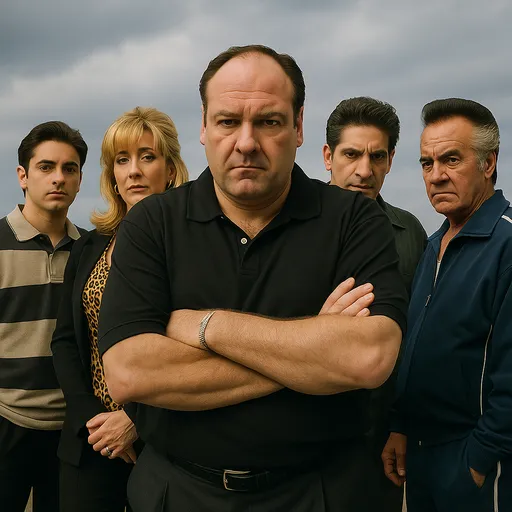
David Chase took the mob genre and turned it inward, making Tony's therapy couch as tense as any hit, and the cut-to-black finale at Holsten's remains the single most argued-over ending in TV history. It proved prestige drama could be literary, morally murky, and unresolved on purpose, essentially inventing the template every antihero show since has copied. Nothing before it made you root for a monster while making you hate yourself for doing so this thoroughly.
Premiered: 1999Seasons: 6Emmys: 21IMDb: 9.2/10
added by Yourlist Editorialin 9 rankingsThe Sopranos
89Walter White's transformation from mild chemistry teacher to Heisenberg is the most complete character arc television has ever executed, with Vince Gilligan's 'Mr. Chips to Scarface' pitch delivered exactly as promised. The Ozymandias episode alone is a masterclass in escalating dread, and Bryan Cranston and Aaron Paul turned a meth-cooking procedural into Shakespearean tragedy. Its finale actually stuck the landing, which alone separates it from half the shows on this list.
Premiered: 2008Seasons: 5Emmys: 16IMDb: 9.5/10
added by Yourlist Editorialin 12 rankingsBreaking Bad
50David Simon's Baltimore was never about cops and dealers so much as institutions eating the people inside them, and its refusal to hand out easy villains or resolutions still feels radical two decades later. It won zero major Emmys and was barely watched live, yet its influence on how writers structure serialized drama — patient, novelistic, unconcerned with hooks — is incalculable. Omar Little alone justifies its spot among the greats, but it's the systemic rot of schools, docks, and newsrooms across five seasons that makes it arguably the smartest show ever aired.
Premiered: 2002Seasons: 5Emmys: 0IMDb: 9.3/10
added by Yourlist Editorialin 12 rankingsThe Wire
49Don Draper's pitch for the Kodak Carousel is the show's thesis in miniature: nostalgia as a product, identity as a construction, and Jon Hamm delivering it all with devastating stillness. Matthew Weiner used advertising as a lens to dissect postwar American self-invention, and Peggy Olson's rise gave the era's gender politics a genuine, earned arc rather than a lecture. It's the rare drama where the silences do as much work as the dialogue, which is why it still rewards rewatching more than almost anything else here.
Premiered: 2007Seasons: 7Emmys: 16IMDb: 8.7/10
added by Yourlist Editorialin 8 rankingsMad Men
34For six seasons it was the most ambitious thing on television, killing Ned Stark and then the entire Stark wedding party to prove no one, including the audience's comfort, was safe. The Battle of the Bastards and 'The Rains of Castamere' are all-time TV moments, but the final season's rushed collapse remains the most spectacular self-immolation in the medium's history. It belongs on this list for what it achieved at its peak and as a permanent cautionary tale about sticking the landing.
Premiered: 2011Seasons: 8Emmys: 59IMDb: 9.2/10
added by Yourlist Editorialin 12 rankingsGame of Thrones
0Peter Morgan's decade-spanning chronicle of the Windsors treated the monarchy as a slow-motion tragedy of duty crushing personhood, with Claire Foy's early seasons setting an impossibly high bar for stateliness and repressed pain. Recasting the entire ensemble every two seasons was a gamble that mostly paid off, giving the show a generational sweep few dramas attempt. It's less thrilling than its peers here, but its craft, scale, and willingness to humanize institutions we love to mock earns it a real seat at the table.
Premiered: 2016Seasons: 6Emmys: 21IMDb: 8.6/10
added by Yourlist Editorialin 8 rankingsThe Crown
-24A prequel-slash-sequel that had no business being this good, Better Call Saul turned Jimmy McGill's slide into Saul Goodman into something sadder and more patient than its predecessor ever attempted. The black-and-white Gene sequences and Kim Wexler's devastating late-series reckoning gave the Breaking Bad universe an emotional depth it hadn't fully earned the first time around. It's the rare spinoff that arguably surpasses the original in craft, closing out one of the great sustained runs in TV history.
Premiered: 2015Seasons: 6Emmys: 0IMDb: 9/10
added by Yourlist Editorialin 9 rankingsBetter Call Saul
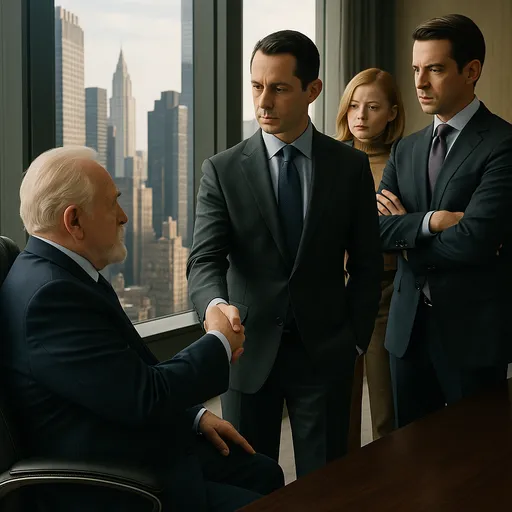
-45Jesse Armstrong turned a Murdoch-adjacent media empire into the funniest tragedy on television, where every boardroom betrayal lands like a Shakespearean stabbing delivered in a Patagonia vest. 'Boar on the Floor' and Logan's sudden death mid-season are the kind of gut-punches that redefine what a scene can do, and Kieran Culkin's Roman Roy is one of the great tragicomic performances of the era. Four seasons, no filler, and an ending as bleak and correct as any in the genre — it's the best-written show since Breaking Bad wrapped.
Premiered: 2018Seasons: 4Emmys: 13IMDb: 8.9/10
added by Yourlist Editorialin 8 rankingsSuccession
-48