Best TV villains ever
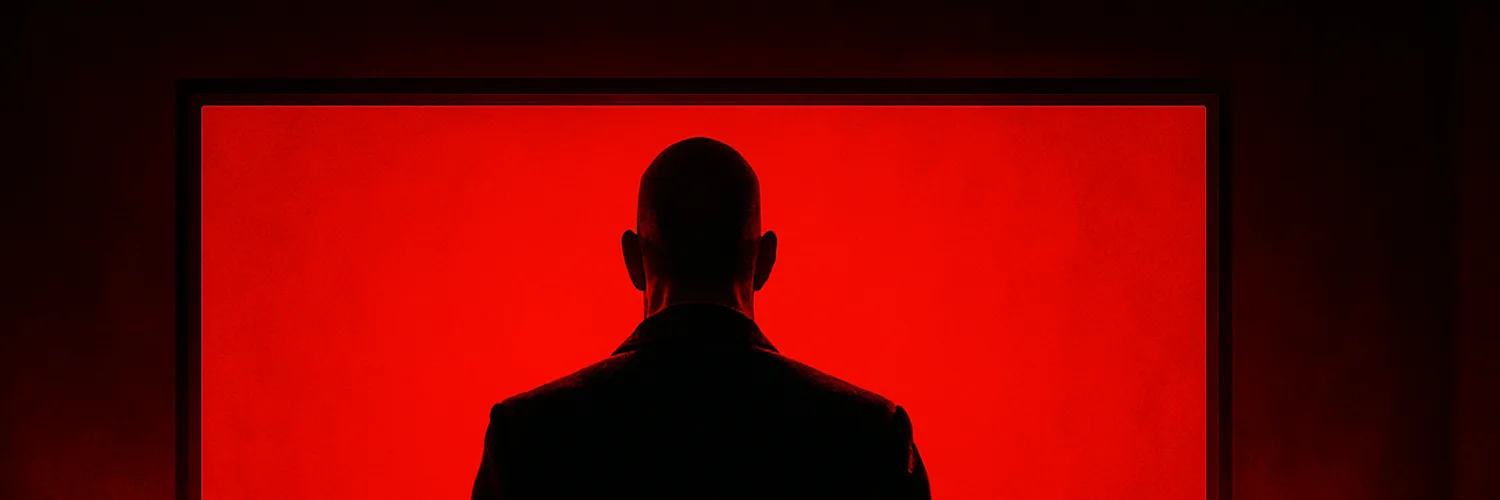
Every great TV show needs a villain worth hating, someone whose menace lingers long after the credits roll and turns must-see TV into must-debate TV. From cunning masterminds to chaotic wildcards, the best small-screen baddies keep us glued to our seats while rooting against them. Which antagonist earned the title of TV's greatest villain? Cast your vote and settle the debate.
What counts: The crowd's votes decide the order — seeded neutral.
The chicken-man in the boxy short-sleeve shirt who blew the side of his own face off without changing expression, then calmly straightened his tie — that's the moment Gus stopped being a mid-tier antagonist and became the genre's gold standard for icy control. He weaponized patience itself, running a meth empire from behind a fast-food counter and a philanthropist's smile, making Walter White look like an amateur by comparison. No villain on this list did more with less affect; he earns his spot by proving terror doesn't need to raise its voice.'
added by Yourlist EditorialGus Fring
56Cersei Lannister (Game of Thrones)
She blew up the Sept of Baelor with wildfire, incinerating enemies and innocents alike while sipping wine and watching from a balcony — the single most gleeful mass-murder in the show's history. Cersei's entire arc is a masterclass in weaponized grievance, a woman who mistook cruelty for strength and burned down a religion to prove it. She belongs here because she made paranoia and vengeance look almost regal, even as it cost her everything.
added by Yourlist EditorialCersei Lannister
35Tony Soprano (antihero, The Sopranos)
He strangled Big Pussy on a boat with his own hands, tears in his eyes, then went back to therapy to talk about his mother — Tony redefined what a TV 'bad guy' could even look like. He's the ur-antihero, the one who taught audiences to root for a murderer because he loved ducks and panicked in pool stores, blurring villainy and humanity until the line basically vanished. Every prestige-TV monster since owes him rent; he belongs on this list as the template, not the exception.
added by Yourlist EditorialTony Soprano
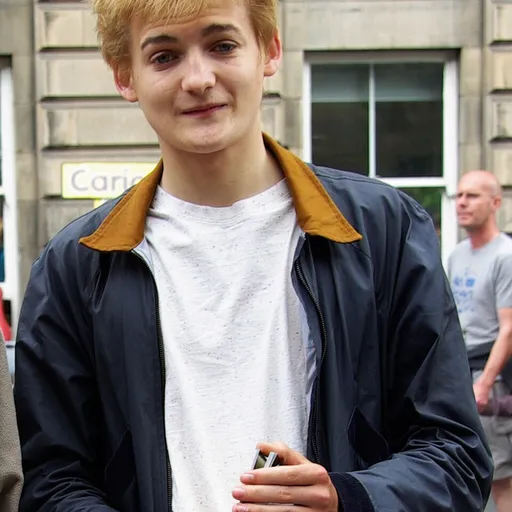
20Joffrey Baratheon (Game of Thrones)
He had Ned Stark's head lopped off in front of his daughters, grinning like a kid who'd just won a carnival game — a single scene that turned a boy-king into the most loathed teenager in television history. Joffrey never had layers so much as he had appetites: for cruelty, for spectacle, for making everyone around him small. His purple-faced death at his own wedding remains one of TV's most satisfying comeuppances, and that catharsis alone justifies his high ranking.
added by Yourlist EditorialJoffrey Baratheon
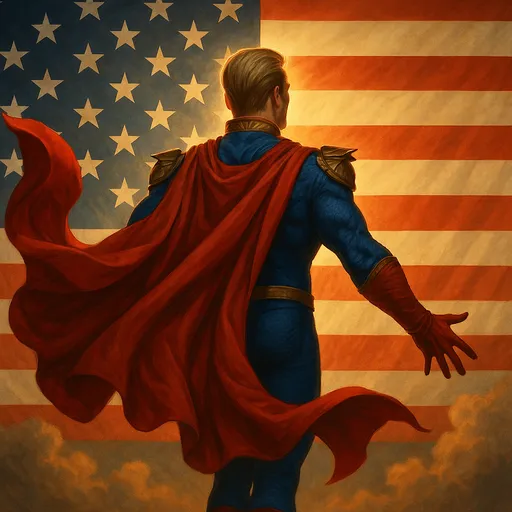
11He let a plane full of passengers die just to prove he could, staring at the wreckage with the blank hunger of a man realizing no one can actually stop him — that's the show's thesis in one scene. Homelander turned the Superman archetype inside out, revealing the narcissistic void underneath the cape, a supervillain in hero's clothing who craves love he can never actually accept. He's here because he's the perfect modern nightmare: unaccountable power wearing a PR smile.
added by Yourlist EditorialThe Homelander
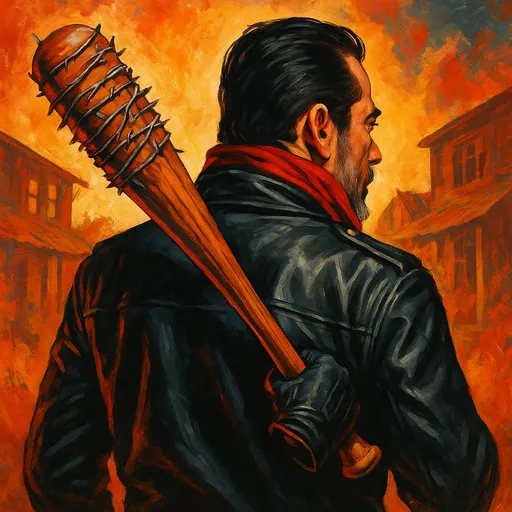
1He introduced himself to the survivors — and the audience — by beating Glenn to death with barbed-wire-wrapped Lucille, a scene so brutal it became the show's defining, most argued-about moment. Negan turned charisma into a weapon, all folksy threats and cackling menace, proving a villain didn't need to be a zombie to be the scariest thing in a zombie show. His slot here is earned by sheer shock value — few TV moments have ever made a fanbase collectively wince that hard.
added by Yourlist EditorialNegan
-6He could make anyone do anything with a sentence, and the show never let you forget the horror underneath that power — the quiet command to 'smile' was scarier than any monologue. Kilgrave turned mind control into an extended metaphor for abuse and coercion, making him one of the few TV villains whose evil felt uncomfortably intimate rather than cartoonish. He belongs on this list for redefining what psychological horror could look like in a superhero framework.
added by Yourlist Editorial
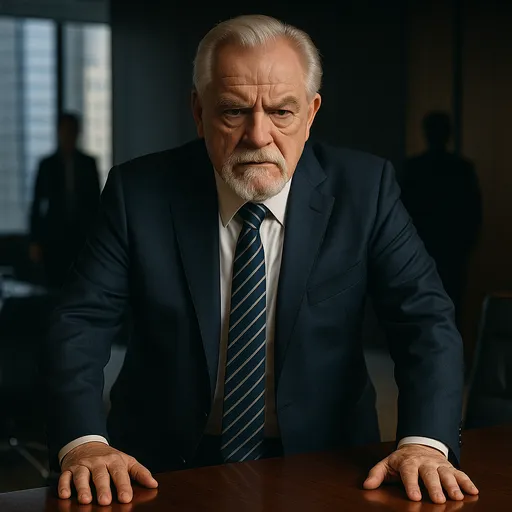
-12'You are not serious people' — six words that leveled his own children more efficiently than any physical violence ever could, and that's Logan's whole reign in miniature. He ruled through humiliation, doling out love like a rationed resource to keep his heirs scrambling and small, turning a media empire into a psychological gladiator pit. His death mid-season didn't end his villainy — it proved it, as his ghost kept running the show he built out of everyone's insecurities.
added by Yourlist EditorialLogan Roy
-32