
Best US Cities for Foodies

From James Beard Award-winning kitchens to unassuming food trucks slinging the best tacos of your life, America's culinary landscape is a battlefield of flavor, culture, and civic pride. Every city on this list claims to be the true capital of American food, but only one can reign supreme. Cast your vote and help settle the debate once and for all.
What counts: Ranking blends Michelin-starred restaurant counts, dining scene diversity, everyday affordability, and signature local dishes. All figures are approximate estimates meant for comparison, not precise counts — vote based on your own taste-bud experience.
This is the city that made food carts a legitimate culinary institution, cramming a dozen cuisines into a single gravel lot for under $12 a plate. Its farm-to-table obsession predates the trend by decades, and the Voodoo Doughnut hype, while a bit played out, still points to a scene built on weird, personal, unpretentious creativity. Low on Michelin stars, high on soul — Portland earns its spot on affordability and diversity alone.
Michelin-Starred Restaurants: —Food Scene Diversity: 8.5/10Avg. Mid-Range Meal Cost: $28Signature Dish: Food carts & craft coffee
added by Yourlist Editorialin 2 rankingsPortland, Oregon
0New York City
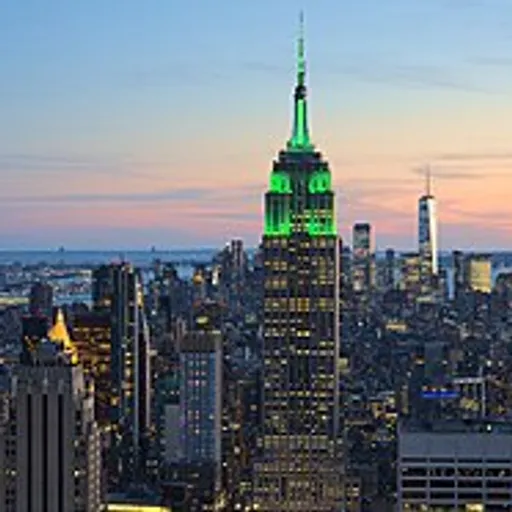
From a $1.50 dollar-slice on the corner to Eleven Madison Park's tasting menu, NYC's argument is simply that it contains every cuisine on earth, executed at every price point, often on the same block. It has more Michelin stars than anywhere else in the country, but the real flex is the Halal Guys cart outlasting decades of trends. No city defines 'foodie' with less irony or more sheer volume.
Michelin-Starred Restaurants: 70Food Scene Diversity: 10/10Avg. Mid-Range Meal Cost: $35Signature Dish: Pizza & bagels
added by Yourlist Editorialin 17 rankings
0San Francisco
The birthplace of California cuisine, where Chez Panisse taught America that a peach could be the star of the plate, SF still punches absurdly high above its size in Michelin stars per capita. Mission burritos and Chinatown dim sum keep it honest on affordability, even as rent prices make everything else feel like a splurge. It's the intellectual food capital — chefs here treat ingredients like philosophy.
Michelin-Starred Restaurants: 40Food Scene Diversity: 9.5/10Avg. Mid-Range Meal Cost: $40Signature Dish: Sourdough & Mission burritos
added by Yourlist Editorialin 11 rankings
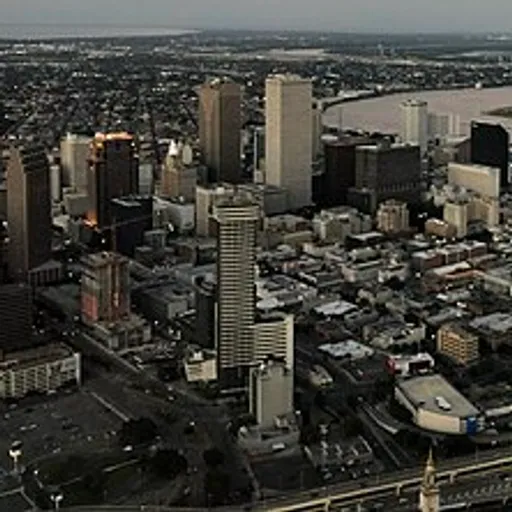
0Gumbo, beignets, and a po'boy that ruins every other sandwich for you forever — New Orleans doesn't need Michelin stars to prove it invented American flavor. This is a city where the culinary culture isn't a scene, it's a bloodline, passed through generations of Creole and Cajun kitchens. Affordable, unapologetic, and endlessly regional, it's the most flavor-dense city in the country.
Michelin-Starred Restaurants: —Food Scene Diversity: 9.5/10Avg. Mid-Range Meal Cost: $30Signature Dish: Gumbo & po'boys
added by Yourlist Editorialin 10 rankingsNew Orleans
0Chicago
Deep-dish gets the tourists, but Chicago's real flex is a food culture that spans Alinea's molecular theater to an Italian beef dripping down your wrist at a stand that hasn't changed since 1938. The city has quietly built one of the most diverse immigrant food scenes in America, from Pilsen to Devon Street. It's the rare place where fine dining innovation and blue-collar comfort food feel like they're having the same conversation.
Michelin-Starred Restaurants: 24Food Scene Diversity: 9/10Avg. Mid-Range Meal Cost: $30Signature Dish: Deep-dish pizza
added by Yourlist Editorialin 20 rankings
0Los Angeles
LA turned the taco truck into a five-star experience and then built Koreatown, Thai Town, and a dozen other neighborhoods into world-class dining destinations without anyone noticing the lines blurring. Its Michelin count has exploded in recent years, but the real magic is that the $8 birria taco and the $200 tasting menu are often made by people from the same family. Diversity isn't a buzzword here — it's the actual menu.
Michelin-Starred Restaurants: 19Food Scene Diversity: 9/10Avg. Mid-Range Meal Cost: $32Signature Dish: Tacos & Korean BBQ
added by Yourlist Editorialin 14 rankings
0Austin
Brisket smoked for eighteen hours at a trailer with a two-hour line rewired what America thinks 'worth the wait' means, and Austin's breakfast taco culture proved barbecue wasn't the only game in town. The scene has ballooned with food-truck entrepreneurship that keeps prices shockingly reasonable for a boomtown. It's young, chaotic, and constantly reinventing itself — the most kinetic food city in the South.
Michelin-Starred Restaurants: —Food Scene Diversity: 8/10Avg. Mid-Range Meal Cost: $27Signature Dish: BBQ brisket
added by Yourlist Editorialin 11 rankings
0Nashville
Hot chicken turned a neighborhood specialty into a national obsession, and Nashville rode that wave into a full-blown culinary renaissance without losing its meat-and-three soul. The Michelin stars are still sparse, but the affordability and Southern comfort-food density more than compensate. It's a city proving you don't need white tablecloths to be a destination — just a really good biscuit.
Michelin-Starred Restaurants: —Food Scene Diversity: 8/10Avg. Mid-Range Meal Cost: $28Signature Dish: Hot chicken
added by Yourlist Editorialin 8 rankings
0Charleston
Charleston punches wildly above its size, turning shrimp and grits and she-crab soup into a reason people plan entire vacations around dinner reservations. Husk practically single-handedly rebooted Southern fine dining as a national conversation starter. Small, historic, and disproportionately stacked with talent, it's proof that population doesn't determine culinary weight.
Michelin-Starred Restaurants: —Food Scene Diversity: 8.5/10Avg. Mid-Range Meal Cost: $32Signature Dish: Shrimp & grits
added by Yourlist Editorialin 3 rankings
0Philadelphia
The cheesesteak is the headline, but Philly's real story is Reading Terminal Market and Italian Market keeping generations-old food culture affordable and alive while a new wave of BYOBs quietly built a serious tasting-menu scene. It's blue-collar and refined in the same breath, rarely getting national foodie credit despite deserving more of it. Philly feeds you honestly, and that's underrated.
Michelin-Starred Restaurants: —Food Scene Diversity: 8/10Avg. Mid-Range Meal Cost: $25Signature Dish: Cheesesteaks
added by Yourlist Editorialin 13 rankings
0Houston
Houston might be the most underrated food city in America — a genuinely staggering mix of Vietnamese, Mexican, Nigerian, and Tex-Mex cuisines that reflects one of the most diverse populations in the country. Kolaches and crawfish boils sit next to some of the best pho outside Vietnam, all at prices that embarrass coastal cities. It's diversity without pretension, and that's exactly the argument for its ranking.
Michelin-Starred Restaurants: —Food Scene Diversity: 8.5/10Avg. Mid-Range Meal Cost: $28Signature Dish: Tex-Mex & Viet-Cajun
added by Yourlist Editorialin 8 rankings
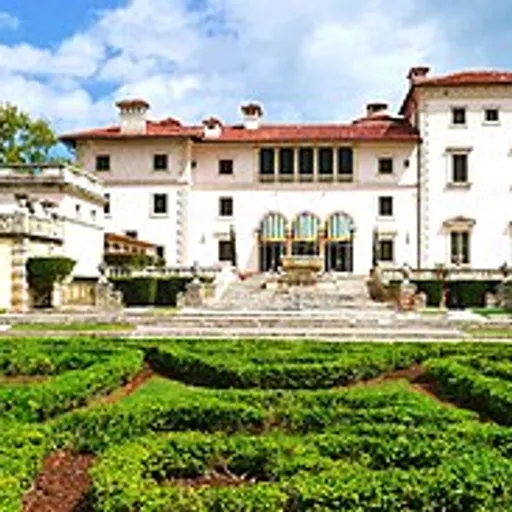
0Miami turned Cuban sandwiches and stone crab into cultural currency, then layered on a Latin American fine-dining scene that's exploded with Michelin attention in the last few years. It's flashy and expensive, but the versatility — from a $4 cafecito to a $300 omakase — mirrors the city's own contradictions. Little Havana alone justifies its spot on this list.
Michelin-Starred Restaurants: 20Food Scene Diversity: 8.5/10Avg. Mid-Range Meal Cost: $35Signature Dish: Cuban sandwiches & ceviche
added by Yourlist Editorialin 10 rankingsMiami
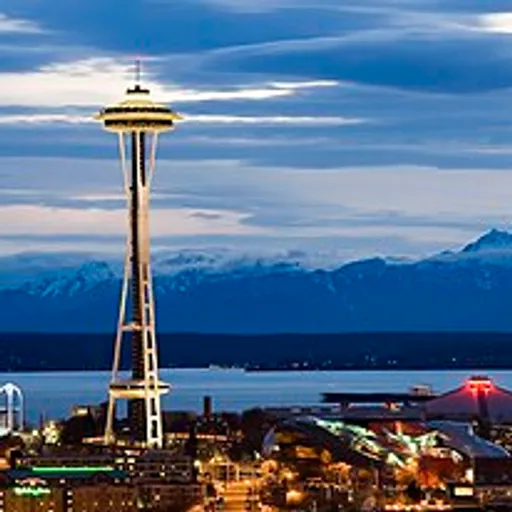
0Salmon, oysters, and Pike Place chowder built Seattle's reputation, but the city's real evolution has been folding Pacific Rim influences into a scene that now rivals bigger coastal cities for ambition. Coffee culture aside, this is a city that treats seafood with a reverence few others can match. Affordable it isn't always, but the quality-to-hype ratio remains genuinely high.
Michelin-Starred Restaurants: —Food Scene Diversity: 8/10Avg. Mid-Range Meal Cost: $33Signature Dish: Seafood & pho
added by Yourlist Editorialin 11 rankingsSeattle-based
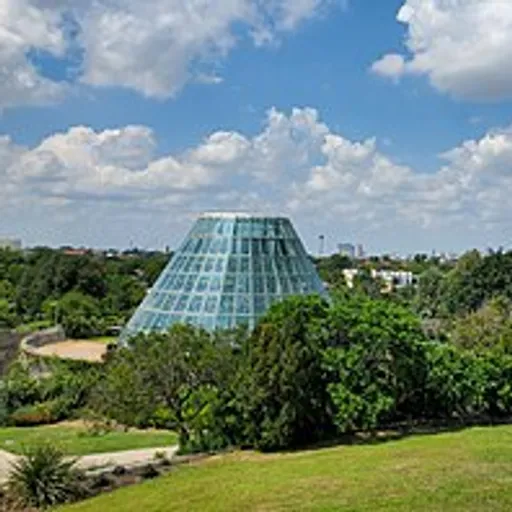
0Puffy tacos and a Tex-Mex tradition older than the state's independence make San Antonio one of the most culturally authentic food cities in America, not just a trendy stopover. The affordability here is staggering — full, satisfying meals for under ten dollars are still the norm, not the exception. It's proof that heritage and value can outrank hype every time.
Michelin-Starred Restaurants: —Food Scene Diversity: 7.5/10Avg. Mid-Range Meal Cost: $24Signature Dish: Puffy tacos
added by Yourlist Editorialin 6 rankingsSan Antonio
0Vegas turned itself from a buffet punchline into a legitimate Michelin destination by importing star chefs wholesale — Joël Robuchon, Guy Savoy, Wolfgang Puck all set up shop on the Strip. The affordability argument collapses the second you leave the $9.99 buffet era behind, but the sheer density of world-class kitchens in one square mile is unmatched anywhere in the country. It's excess as a culinary philosophy, and somehow it works.
Michelin-Starred Restaurants: —Food Scene Diversity: 8.5/10Avg. Mid-Range Meal Cost: $38Signature Dish: Celebrity chef buffets
added by Yourlist Editorialin 8 rankingsLas Vegas
0DC's food scene grew up fast, going from steakhouse-and-lobbyist stereotype to a genuinely global dining capital reflecting one of the most internationally connected populations in America. Ethiopian food in Shaw alone could justify its spot here, and the Michelin stars have followed the ambition. It's a city that finally matches its political weight with its plate weight.
Michelin-Starred Restaurants: 19Food Scene Diversity: 8/10Avg. Mid-Range Meal Cost: $35Signature Dish: Half-smoke & Ethiopian food
added by Yourlist EditorialDistrict of Columbia
0Clam chowder and lobster rolls are the postcard, but Boston's real culinary argument is a North End Italian scene and a genuinely underrated Asian food corridor that rarely gets its due nationally. It's expensive and a little conservative compared to flashier cities, but the seafood quality is nearly unimpeachable. Old-school reliability counts for something on a list like this.
Michelin-Starred Restaurants: —Food Scene Diversity: 7.5/10Avg. Mid-Range Meal Cost: $33Signature Dish: Clam chowder & lobster rolls
added by Yourlist Editorialin 12 rankingsBoston
0Minneapolis
Minneapolis quietly built one of the most interesting Nordic-meets-Midwest fine dining scenes in the country, with restaurants like Alma proving the Twin Cities could compete on ambition, not just hot dish nostalgia. The Somali and Hmong food scenes add a diversity most people don't associate with the region. It's a sleeper pick that rewards anyone willing to look past the coasts.
Michelin-Starred Restaurants: —Food Scene Diversity: 7.5/10Avg. Mid-Range Meal Cost: $28Signature Dish: Juicy Lucy & Nordic fare
added by Yourlist Editorialin 8 rankings
0Atlanta
Atlanta's soul food roots run deep, but the city's explosive Buford Highway corridor — a strip of Vietnamese, Korean, and Chinese spots — turned it into one of the most quietly diverse food destinations in the South. Fried chicken and biscuits share menu space with some of the best regional Asian cooking east of California. It's a city still figuring out its full culinary identity, and that's part of the appeal.
Michelin-Starred Restaurants: 7Food Scene Diversity: 8/10Avg. Mid-Range Meal Cost: $30Signature Dish: Soul food & Waffle House
added by Yourlist Editorialin 12 rankings
0Poke didn't need a rebrand to become a national obsession — Honolulu had it perfected decades before mainland juice bars discovered it. The plate lunch tradition, blending Japanese, Filipino, and native Hawaiian influences, makes for some of the most genuinely fusion food in America, and at prices that don't reflect its remote island premium. It's a food culture built on necessity and generosity, and it shows in every bite.
Michelin-Starred Restaurants: —Food Scene Diversity: 8/10Avg. Mid-Range Meal Cost: $32Signature Dish: Poke & plate lunch
added by Yourlist Editorialin 5 rankingsHonolulu
0