Cartoons From Your Childhood That Hold Up Best
From Saturday morning staples to weekday afternoon binges, which of these classic cartoons still hits just as hard today? Vote and rank them based on how well they've aged.
What counts: Best = how well the show holds up on a rewatch today: writing, humor, animation quality, and cross-generational appeal. All years, episode counts, and ratings are approximate and sourced from general public consensus (e.g., IMDb-style averages), not exact figures.
Bugs Bunny dropping into a hole and popping up in drag as a lovesick showgirl still lands because the timing is operatic and the violence is pure ballet, not lazy slapstick. Chuck Jones and Tex Avery were making Looney Tunes for adults hiding behind kid-friendly cartoons, which is exactly why the innuendo and anarchic wit still cut today. It's the bedrock everything after it is arguing with or ripping off.},
Years Aired: Episode Count: 1,000Audience Rating: 8/10Studio:
added by Yourlist Editorialin 2 rankingsLooney Tunes
0Mr. Freeze's tragic backstory episode 'Heart of Ice' proved a superhero cartoon could carry the emotional weight of a stage play, and it rewired what people expected from the genre forever. The Art Deco-noir visuals and Kevin Conroy's voice work haven't aged a day; if anything, prestige TV has finally caught up to what this show was doing in 1992. It's less 'holds up' and more 'still the ceiling.'
Years Aired: Episode Count: 85Audience Rating: 9/10Studio:
added by Yourlist Editorialin 8 rankingsBatman: The Animated Series
0The moment Zuko chooses honor over the easy path in the finale, you realize this was never just a kids' show about bending elements — it was a fully plotted saga about trauma, colonialism, and redemption with jokes that still land. Its genocide subplot and lived-in worldbuilding gave an entire generation of adult animation permission to be serious, and the fight choreography remains gorgeous. Nothing else on this list ages better because it was never juvenile to begin with.
Years Aired: Episode Count: 61Audience Rating: 9.3/10Studio:
added by Yourlist Editorialin 8 rankingsAvatar: The Last Airbender
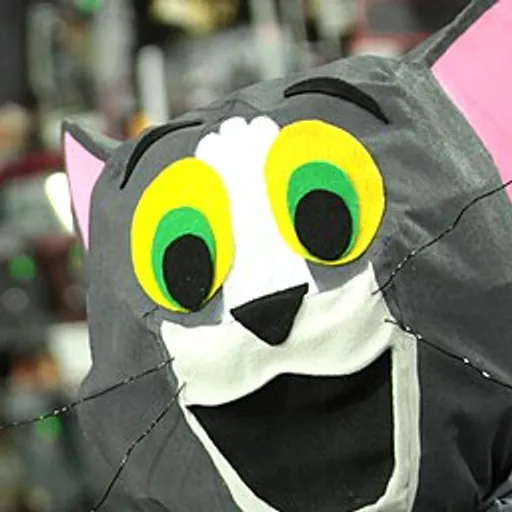
0No dialogue, no pop-culture references to date it — just a cat and mouse annihilating each other with anvils and irons in gorgeously fluid Hanna-Barbera animation, which is why it plays as well in 2024 as 1945. The cruelty is so cartoonishly operatic it loops back around into pure joy, a universal language any toddler or grandparent understands instantly. It's the platonic ideal of 'timeless' because it never tried to be timely.
Years Aired: Episode Count: 114Audience Rating: 8.2/10Studio:
added by Yourlist Editorialin 2 rankingsTom and Jerry
0The Warner siblings dropping a piano on a hapless studio exec while quoting Marx Brothers routines and obscure vaudeville is the show in a nutshell: gleeful chaos stacked with jokes pitched two levels above the target audience. Pinky and the Brain's spinoff-worthy brilliance and 'Yakko's World' geography song prove the writers were smuggling in an entire liberal arts education under cover of slapstick. It rewards rewatching specifically because you catch different jokes as an adult than you did as a kid.
Years Aired: Episode Count: 99Audience Rating: 8.6/10Studio:
added by Yourlist Editorialin 4 rankingsAnimaniacs
0That floating vegetable-woman face screaming in the void, or the psychiatrist episode that's basically an existential horror short, cemented Courage as the cartoon that traumatized an entire generation on purpose. Its washed-out, unsettling art style and genuinely bleak horror beats still work as horror for adults, not just nostalgia bait. Few shows blend outright terror with a sweet, loyal-dog heart this well, and none have been successfully copied since.
Years Aired: Episode Count: 52Audience Rating: 8.3/10Studio:
added by Yourlist Editorialin 2 rankingsCourage the Cowardly Dog
0'Worst episode ever' jokes aside, the Conan-and-Oakley-era run from roughly seasons 3 through 9 — the one with the monorail song and Mr. Plow — is still the high-water mark of American sitcom writing, animated or not. Its satire of suburbia, TV, and capitalism landed jokes on multiple levels simultaneously, which is why lines from it are still quoted daily decades later. The animation is simple, but the writing is so dense and quotable it makes almost every later adult cartoon look derivative.
Years Aired: Episode Count: 700Audience Rating: 8.7/10Studio:
added by Yourlist EditorialThe Simpsons
0The 'Ripped Pants' song or Mr. Krabs literally becoming a money-eating creature works as absurdist comedy whether you're seven or thirty-seven, because Stephen Hillenburg built the humor on rhythm and surrealism rather than pop culture references that expire. Its go-for-broke visual gags and genuinely strange sense of humor have aged into meme-canon precisely because they were never trying to be 'relatable,' just funny. It's the rare 2000s cartoon that feels as fresh now as the day 'Band Geeks' aired.
Years Aired: Episode Count: 300Audience Rating: 8.2/10Studio:
added by Yourlist Editorialin 5 rankingsSpongeBob SquarePants
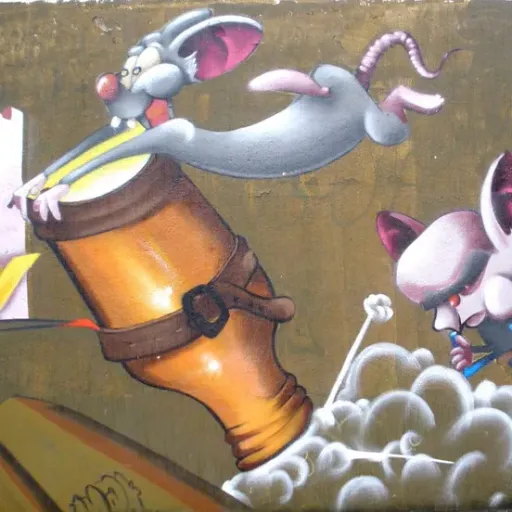
0'Are you pondering what I'm pondering?' became shorthand for an entire dynamic of genius-and-fool duos because the writing was Shakespearean in structure but delivered with cartoon-mouse absurdity. Every episode's doomed world-domination scheme functioned as a tiny satire of ambition and megalomania, smart enough that political science majors still quote it unironically. It holds up because the joke was never really about taking over the world — it was about the delusional confidence of trying anyway.
Years Aired: Episode Count: 65Audience Rating: 8.3/10Studio:
added by Yourlist Editorialin 2 rankingsPinky and the Brain
0Scrooge McDuck diving into his money bin like it's a swimming pool sold millions of kids on the idea that adventure cartoons could have real stakes, real greed, and real globe-trotting mythology instead of episodic filler. Its Carl Barks source material gave it a richness most Saturday-morning fare lacked, treating capitalism and family legacy as actual themes rather than backdrop. It's aged into the granddaddy of the modern adventure-cartoon revival it directly inspired.
Years Aired: Episode Count: 100Audience Rating: 8/10Studio:
added by Yourlist EditorialDuckTales
0The show's rubber-hose-inspired, off-model animation and endless scams for jawbreakers created a cul-de-sac universe so specific and weird it still feels like nothing else on television. Danny Antonucci's refusal to let any scheme succeed made every episode a beautifully cynical joke about capitalism and social hierarchy dressed up as kid mischief. It holds up because its comic timing and visual style were so idiosyncratic they never went out of fashion — they were never in fashion to begin with.
Years Aired: Episode Count: 69Audience Rating: 8/10Studio:
added by Yourlist Editorialin 2 rankingsEd, Edd n Eddy
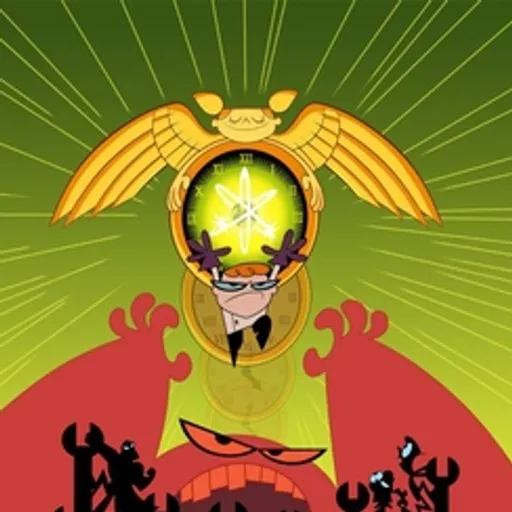
0Dexter smashing through his secret lab door only to be foiled again by Dee Dee's chaotic whims distilled sibling rivalry into perfect three-act cartoon shorts, with Genndy Tartakovsky's German Expressionist-inspired visuals doing heavy lifting most Saturday morning shows never attempted. The 'Justice Friends' and 'Dial M for Monkey' segments were essentially superhero satire before superhero satire was cool. Its visual ambition alone makes it look more sophisticated today than most of its contemporaries.
Years Aired: Episode Count: 78Audience Rating: 7.8/10Studio:
added by Yourlist Editorialin 3 rankingsDexter's Laboratory
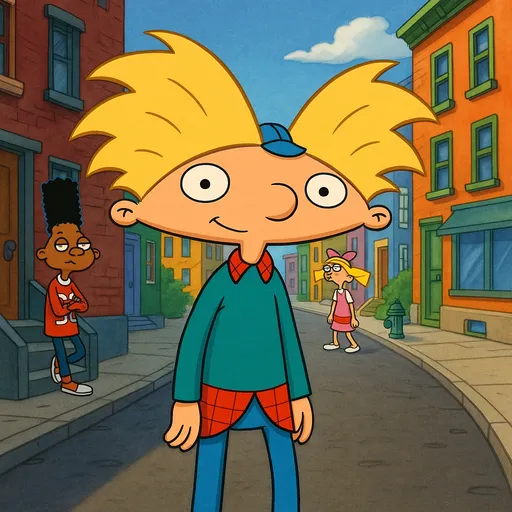
0An entire episode about Arnold trying to understand a homeless man's dignity, set against Arnold's own unexplained absent parents, gave this show emotional stakes that snuck past network censors under a football-headed kid's design. Its lived-in, almost melancholic urban setting made Hillwood feel like a real, working-class place rather than generic cartoon backdrop. It holds up because it treated childhood loneliness and grief seriously decades before that became prestige-cartoon standard.
Years Aired: Episode Count: 100Audience Rating: 7.9/10Studio:
added by Yourlist Editorialin 3 rankingsHey Arnold!
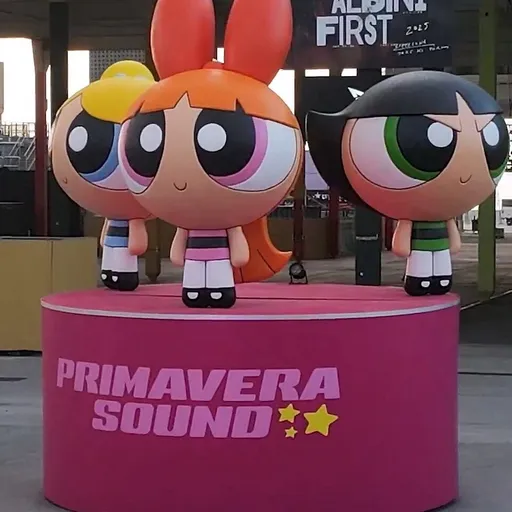
0Three superpowered kindergarteners casually saving Townsville before bedtime, drawn in Craig McCracken's sharp geometric style, made feminist-coded action cartoons commercially viable in a genre that had ignored girls as protagonists. Its jokes worked on a dual register — slapstick monster fights for kids, sly gender and media satire for adults watching along. The visual style alone influenced two decades of animation that followed, from Adventure Time to Steven Universe.
Years Aired: Episode Count: 78Audience Rating: 7.7/10Studio:
added by Yourlist Editorialin 5 rankingsThe Powerpuff Girls
0The 'Arthur's Fist Fight' meme becoming internet-immortal decades later proves this gentle aardvark show's cultural footprint far outlasted its modest ambitions, and rewatching reveals genuinely thoughtful handling of dyslexia, bullying, and grief rare for its era. Its low-key, slice-of-life plots about an actual third-grader's actual problems feel almost radical next to today's high-concept kids' content. It holds up as comfort food with real emotional nutrition underneath.
Years Aired: Episode Count: 250Audience Rating: 7.8/10Studio:
added by Yourlist EditorialArthur
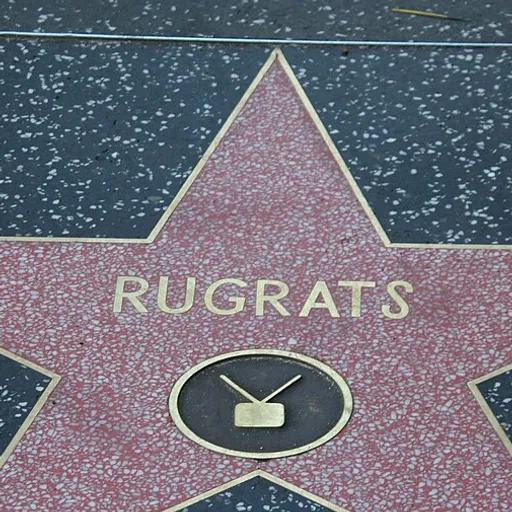
0Tommy Pickles and friends interpreting the adult world through gloriously wrong baby logic let the show smuggle in genuinely dark and funny commentary on parenting, mortality, and family dysfunction that only adults would catch. Its scratchy, imaginative animation style for the babies' fantasy sequences remains visually inventive compared to the flatter kid-cartoons around it. It holds up as one of the sharpest 'two shows in one' cartoons ever made — baby nonsense on the surface, parental satire underneath.
Years Aired: Episode Count: 172Audience Rating: 7.5/10Studio:
added by Yourlist Editorialin 3 rankingsRugrats
0Treating the playground like its own tiny geopolitical universe — complete with a King of the Kickball diplomacy plot — gave Recess a structural cleverness that elevated it above typical school-set sitcoms for kids. Its ensemble of six distinct personalities functioned almost like a workplace comedy in miniature, which is why the character writing still reads sharp today. It holds up because it took childhood social politics as seriously as any adult drama takes office politics.
Years Aired: Episode Count: 65Audience Rating: 7.4/10Studio:
added by Yourlist Editorialin 4 rankingsRecess
0Doug Funnie's anxious inner monologue and his alter-ego fantasies as Quailman gave an entire generation a template for processing pre-teen social dread with humor instead of cringe. Its muted, almost watercolor-flat art style and low-stakes plots about crushes and bullies feel refreshingly unhurried next to today's frenetic kids' programming. It holds up less for spectacle and more because its earnest, anxious heart still resonates with anyone who remembers being twelve and unsure of themselves.
Years Aired: Episode Count: 52Audience Rating: 7.2/10Studio:
added by Yourlist Editorialin 3 rankingsDoug
0