Greatest Albums of All Time
From revolutionary rock records to genre-defining hip-hop classics, certain albums transcend their era to become timeless masterpieces that shape the course of music history. But which one truly stands above the rest as the greatest album ever recorded? The debate has raged among critics and fans for decades, and now it's your turn to settle it — cast your vote for the album you believe deserves the crown.
What counts: Ranking blends critical consensus, cultural influence, and lasting popularity; sales and scores are approximate figures gathered from historical estimates and major critic polls, not exact audited numbers.
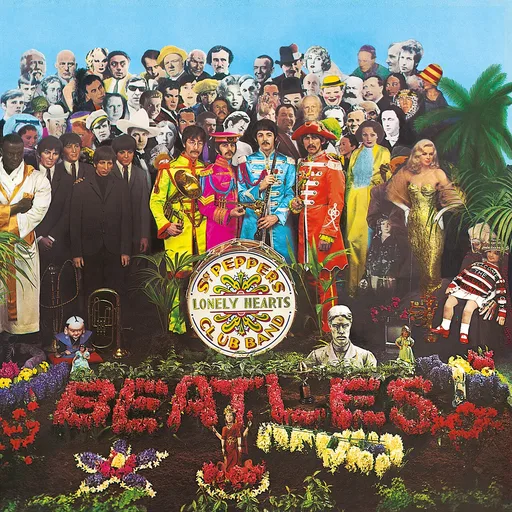
Sgt. Pepper's Lonely Hearts Club Band
The moment the Beatles decided touring was dead and the studio was the instrument, unleashing a psychedelic vaudeville of calliopes, sitars, and orchestral crescendos that turned the album into a unified art object rather than a song collection. It invented the concept album as cultural event, complete with the cardboard cutouts and lyric sheet, and gave every band after it permission to think bigger. Its place here is almost architectural — you can't build the rest of rock's ambition without this foundation poured first.
Release Year: 1967Genre: Rock/PsychedelicCritical Acclaim: 9.5/10Copies Sold: 32 million
added by Yourlist Editorialin 2 rankingsSgt. Pepper's Lonely Hearts Club Band
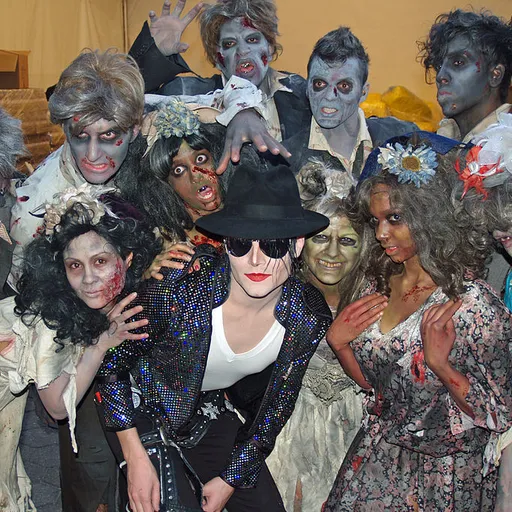
0Michael Jackson fused disco's pulse, Eddie Van Halen's guitar snarl, and Vincent Price's cackle into seven consecutive hit singles, then backed it with a 14-minute werewolf short film that made MTV take Black artists seriously. It remains the best-selling album in history for a reason: every track is a genre exercise mastered, from the paranoid funk of 'Billie Jean' to the arena-rock flex of 'Beat It.' This is pop maximalism perfected, the moment an album became a global media event rather than just music.
Release Year: 1982Genre: Pop/R&BCritical Acclaim: 9.7/10Copies Sold: 70 million
added by Yourlist Editorialin 5 rankingsThriller
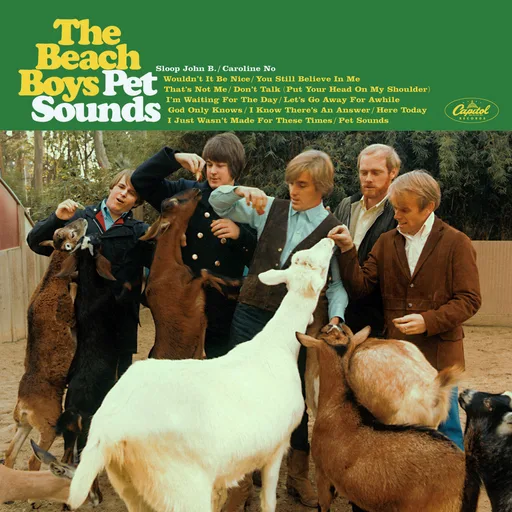
0Brian Wilson, chasing Rubber Soul and losing his mind in the process, built a lush, aching symphony out of bicycle bells, theremin, and barking dogs, turning teenage heartbreak into something orchestral and strange. 'God Only Knows' alone rewired what a love song could sound like, and the album's obsessive studio craft directly provoked Sgt. Pepper's into existence. It's the sound of pop's ceiling being smashed by a guy who just wanted the Beach Boys to be taken seriously.
Release Year: 1966Genre: Rock/PopCritical Acclaim: 9.3/10Copies Sold: 1.2 million
added by Yourlist EditorialPet Sounds
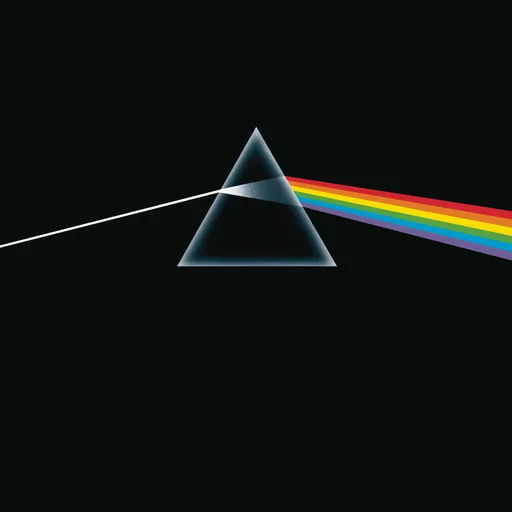
0Pink Floyd took heartbeat sound effects, cash registers, and Clare Torry's wordless wail and turned existential dread about money, madness, and mortality into headphone-worthy prog perfection. It spent an absurd 900-plus weeks on the Billboard charts, becoming dorm-room scripture and proof that a concept album could be both cerebral and a monster commercial juggernaut. Few records so successfully make anxiety sound this gorgeous.
Release Year: 1973Genre: Progressive RockCritical Acclaim: 9.6/10Copies Sold: 45 million
added by Yourlist EditorialThe Dark Side of the Moon
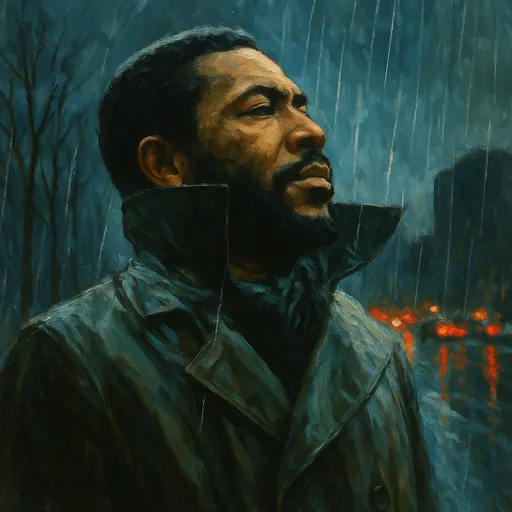
0Marvin Gaye defied Motown's hit-factory formula to make a suite about Vietnam, police brutality, and ecological collapse, opening with a party-chatter intro that dissolves into the most devastating title track in soul history. It proved Black pop music could be protest art without sacrificing sensuality or groove, and its influence runs through everything from Kendrick Lamar to D'Angelo. This is the sound of an artist risking his career to tell the truth, and winning.
Release Year: 1971Genre: SoulCritical Acclaim: 9.4/10Copies Sold: 2 million
added by Yourlist Editorialin 2 rankingsWhat's Going On
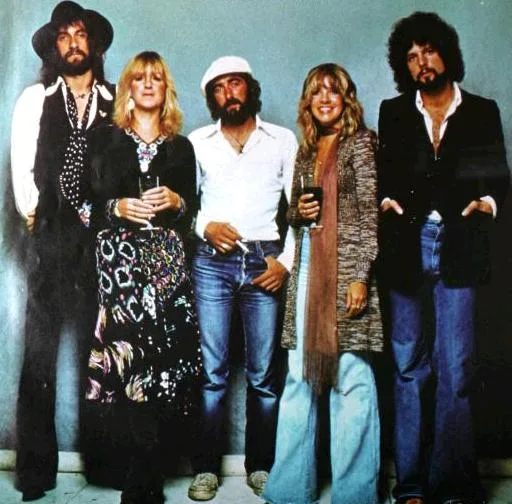
0Fleetwood Mac recorded their divorces, affairs, and cocaine-fueled implosions into eleven perfect pop songs, turning band-destroying misery into 'Go Your Own Way' and 'Dreams.' The tension is audible on every track — you can hear Lindsey Buckingham and Stevie Nicks trading barbs through the mixing board — yet the result is the most seamless soft-rock record ever made. It's proof that great art sometimes requires a band to nearly kill each other first.
Release Year: 1977Genre: Rock/PopCritical Acclaim: 9.3/10Copies Sold: 40 million
added by Yourlist EditorialRumours
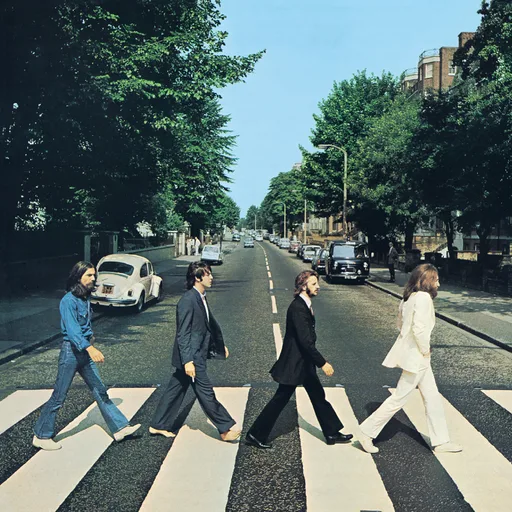
0Knowing they were finished as a band, the Beatles went out with a medley on side two that stitches half-songs into a suite of pure melodic genius, capped by Ringo's only drum solo and George Harrison finally stepping fully into the spotlight with 'Something.' It's the sound of four geniuses putting aside their fractures for one last unified statement, polished to a sonic sheen that still defines what 'produced' rock can sound like. The ending — 'And in the end, the love you take is equal to the love you make' — is as good a final word as any band has ever given.
Release Year: 1969Genre: RockCritical Acclaim: 9.5/10Copies Sold: 30 million
added by Yourlist Editorialin 2 rankingsAbbey Road
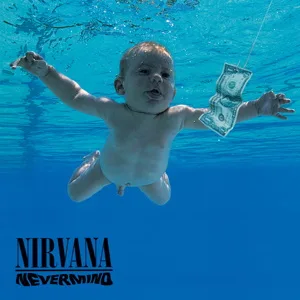
0Nirvana took punk's fury and pop's hooks and detonated them into 'Smells Like Teen Spirit,' a song so massive it knocked Michael Jackson off the top of the charts and effectively ended hair metal's chokehold on radio overnight. Kurt Cobain's ambivalence about his own success only made the record's raw, scoured-clean production feel more authentic, turning suburban alienation into a genre-defining sound. This is the album that made grunge the mainstream and gave an entire generation permission to sound ugly and mean it.
Release Year: 1991Genre: GrungeCritical Acclaim: 9.2/10Copies Sold: 30 million
added by Yourlist EditorialNevermind
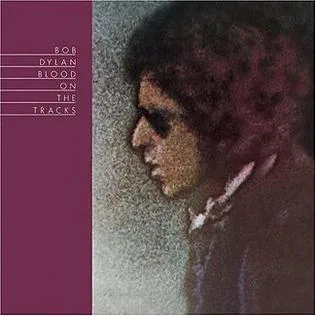
0Bob Dylan turned the collapse of his marriage into a song cycle of devastating clarity, rerecording half the album at the last minute in a Minneapolis studio to sharpen the knife even further on tracks like 'Idiot Wind.' It's confessional songwriting stripped of folk-rock's earlier abstraction, direct and bruising in a way that influenced every singer-songwriter breakup album that followed. Dylan called it the one album he made that people could relate to because 'it was hurting,' and you can hear every bit of that pain.
Release Year: 1975Genre: Folk RockCritical Acclaim: 9.1/10Copies Sold: 2 million
added by Yourlist EditorialBlood on the Tracks
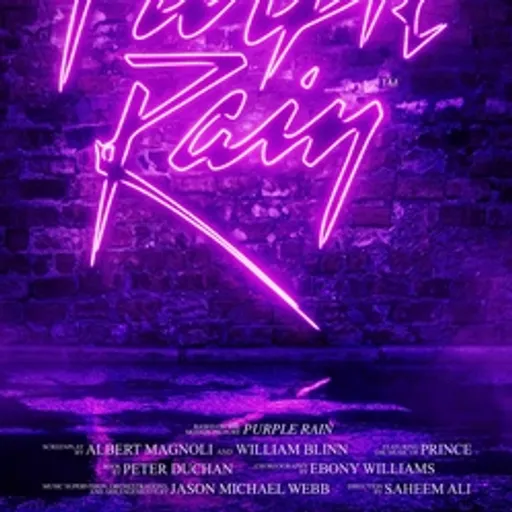
0Prince turned a semi-autobiographical movie soundtrack into a genre-scrambling manifesto, welding 'When Doves Cry''s bassless funk to the arena-rock catharsis of the title track's guitar solo. It made him a bona fide superstar and proved that a Black artist could headline both MTV and rock radio simultaneously, refusing every genre box the industry tried to build. The album is basically Prince performing virtuosity as an act of pure joy and defiance, and nobody has topped it since.
Release Year: 1984Genre: Pop/RockCritical Acclaim: 9.3/10Copies Sold: 25 million
added by Yourlist Editorialin 6 rankingsPurple Rain
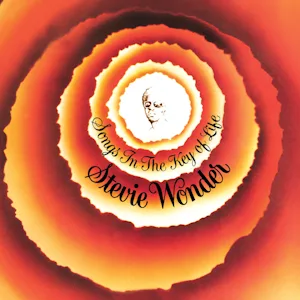
0Stevie Wonder, at the absolute peak of his powers, delivered a sprawling double album (plus bonus EP) that moves effortlessly from the gospel jubilation of 'Isn't She Lovely' to the political urgency of 'Village Ghetto Land,' proving one artist could contain multitudes across 21 tracks. It topped the charts on the strength of sheer ambition and virtuosity, a testament to what happens when a label just gives a genius unlimited studio time and trusts him completely. Few records feel this generous, this whole, this much like a complete artistic universe.
Release Year: 1976Genre: Soul/R&BCritical Acclaim: 9.4/10Copies Sold: 10 million
added by Yourlist EditorialSongs in the Key of Life
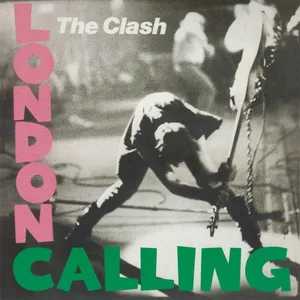
0The Clash blew past punk's three-chord orthodoxy to embrace reggae, rockabilly, jazz, and ska across a double album that snarls about unemployment and nuclear anxiety while somehow sounding like a party. The title track's apocalyptic urgency and the cover's Elvis-parody smashed guitar became iconic shorthand for punk's evolution into something bigger and smarter. It's the sound of a band refusing to be trapped by the genre they helped invent, expanding punk's vocabulary permanently.
Release Year: 1979Genre: Punk RockCritical Acclaim: 9.2/10Copies Sold: 5 million
added by Yourlist EditorialLondon Calling
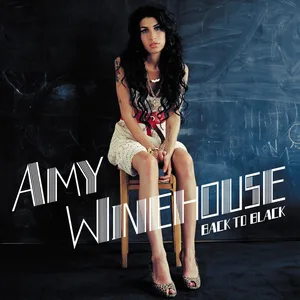
0Amy Winehouse resurrected 60s girl-group soul and Motown horns to sing about her own heartbreak and addiction with a bruised, wickedly funny honesty that felt entirely new, especially on the seismic title track and 'Rehab.' Produced with Mark Ronson's vintage warmth, it became a global sensation that revived interest in retro-soul production for a decade of pop that followed. Its tragedy is inseparable from its brilliance — the album is a confession that turned out to be prophecy.
Release Year: 2006Genre: Soul/PopCritical Acclaim: 8.9/10Copies Sold: 20 million
added by Yourlist Editorialin 3 rankingsBack to Black
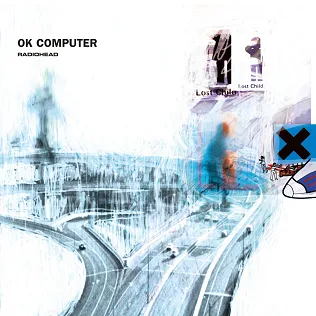
0Radiohead traded britpop guitars for glitchy paranoia and alienation, predicting the anxieties of the digital age with eerie precision on tracks like 'Paranoid Android' and 'No Surprises.' It became the album critics point to as proof rock could still be experimental and massively popular at once, a Warp Records fever dream disguised as a guitar record. Its bleak vision of technology swallowing humanity feels more accurate with every passing year, which is exactly why it endures.
Release Year: 1997Genre: Alternative RockCritical Acclaim: 9.3/10Copies Sold: 8 million
added by Yourlist EditorialOK Computer
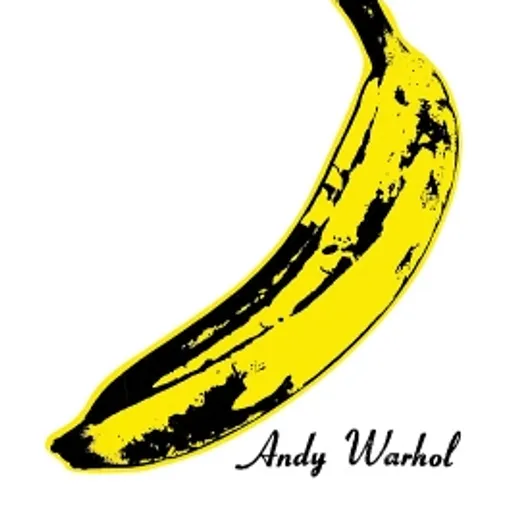
0Barely anyone bought it on release, but as Brian Eno famously quipped, everyone who did started a band — Lou Reed's deadpan tales of heroin, S&M, and street-level New York, set against John Cale's droning viola, invented art-punk and indie rock's entire sensibility. Andy Warhol's banana cover promised pop-art cool; the music inside delivered something far darker and stranger than anything on the radio in 1967. Its influence vastly outstrips its initial sales, the ultimate proof that impact and commercial success are entirely different metrics.
Release Year: 1967Genre: Art RockCritical Acclaim: 8.9/10Copies Sold: 1 million
added by Yourlist Editorialin 3 rankingsThe Velvet Underground & Nico
0Joni Mitchell stripped her songwriting down to dulcimer, piano, and a voice cracking open with unguarded vulnerability, turning breakups and wanderlust into confessional poetry on 'A Case of You' and 'River.' It set the template for the singer-songwriter genre's emotional directness, influencing everyone from Prince to Taylor Swift in its insistence that specificity is universal. Rolling Stone and countless critics call it the best album ever made by a woman, but really it's just one of the best, period — an album where craft and rawness are indistinguishable.
Release Year: 1971Genre: FolkCritical Acclaim: 9.2/10Copies Sold: 3 million
added by Yourlist EditorialBlue
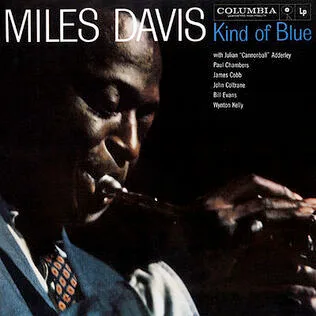
0Miles Davis walked into the studio with barely any rehearsal and a handful of modal sketches, and out came the best-selling jazz album of all time, a record so serene and inevitable-sounding it's hard to believe it was largely improvised on the spot. 'So What' and 'Freddie Freeloader' turned modal jazz into the genre's new grammar, influencing not just jazz musicians but rock, classical, and ambient artists for decades. It's the rare album that both jazz purists and total novices agree is a perfect entry point and a masterpiece.
Release Year: 1959Genre: JazzCritical Acclaim: 9.5/10Copies Sold: 5 million
added by Yourlist EditorialKind of Blue
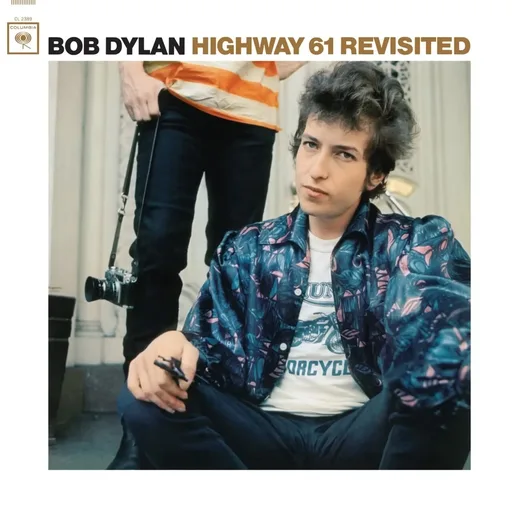
0Bob Dylan plugged in, brought Al Kooper's accidental organ riff into 'Like a Rolling Stone,' and detonated folk purism in real time, delivering a six-minute single that redefined what pop radio could accommodate. The album's surreal, venomous imagery and electric snarl scandalized the folk crowd and thrilled everyone else, essentially inventing the template for rock as literature. This is the sound of an artist blowing up his own audience's expectations and being proven completely right.
Release Year: 1965Genre: Folk RockCritical Acclaim: 9/10Copies Sold: 2 million
added by Yourlist EditorialHighway 61 Revisited
0