Greatest classical composers
For centuries, music lovers have debated which composers truly reshaped the classical canon and left the deepest mark on Western music. From Bach's intricate counterpoint to Beethoven's revolutionary symphonies, these titans of composition continue to inspire, challenge, and move audiences worldwide. Cast your vote and help crown the greatest classical composer of all time!
What counts: Seeded with approximate figures where shown — the crowd's votes decide the order.
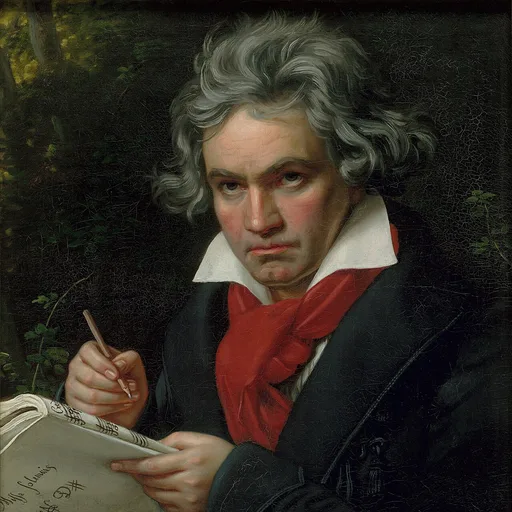
Beethoven stands as the bridge from Classical order to Romantic upheaval, composing masterworks like the Ninth Symphony even as deafness closed in around him. His defiant, revolutionary spirit—hammering out the 'Eroica' and the late string quartets—makes him a near-universal pick for the top of any greatest-composers list. Few figures embody the myth of the struggling genius so completely.
Era: 1800s
added by Yourlist EditorialLudwig van Beethoven
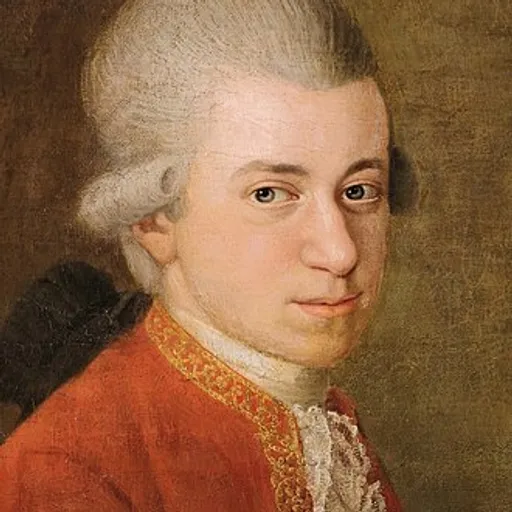
52Mozart's legend as the effortless child prodigy who matured into the most fluent melodist in history secures his place near the summit of any such ranking. From the operas like 'The Magic Flute' to the Requiem left unfinished at his death, his output feels impossibly natural yet endlessly deep. He is often cited as the composer who made perfection sound easy.
Era: 1700s
added by Yourlist Editorialin 2 rankingsWolfgang Amadeus Mozart
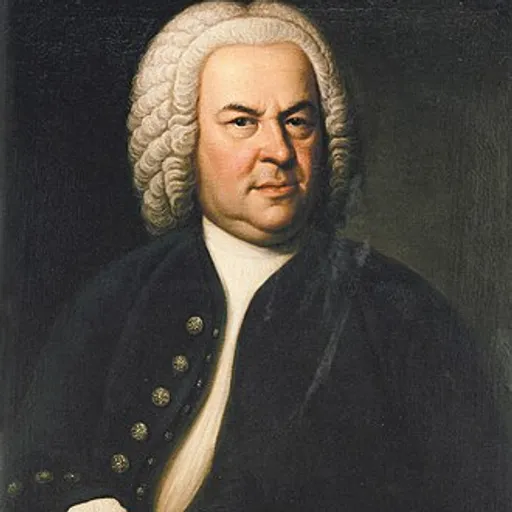
30Bach is the towering architect of Baroque counterpoint, whose Well-Tempered Clavier and Mass in B minor remain the bedrock of Western musical training. Largely unrecognized as a 'genius' in his own lifetime beyond his hometown, he was rediscovered and canonized posthumously as the composer's composer. On this list he represents sheer structural perfection and inexhaustible craft.
Era: 1700s
added by Yourlist EditorialJohann Sebastian Bach
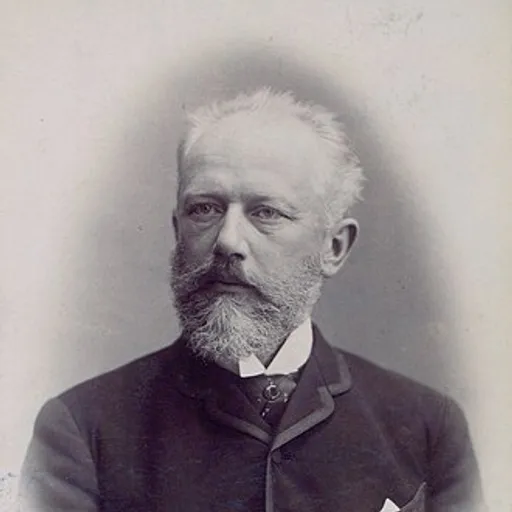
26Tchaikovsky fused Russian melodic warmth with Western symphonic craft, giving the world 'Swan Lake,' the 1812 Overture, and the devastating Sixth Symphony written just before his death. His music's emotional extremity and sheer popularity with audiences keep him consistently ranked among history's greatest. He proved ballet and symphony could carry the same tragic weight.
Era: 1800s
added by Yourlist EditorialPyotr Ilyich Tchaikovsky
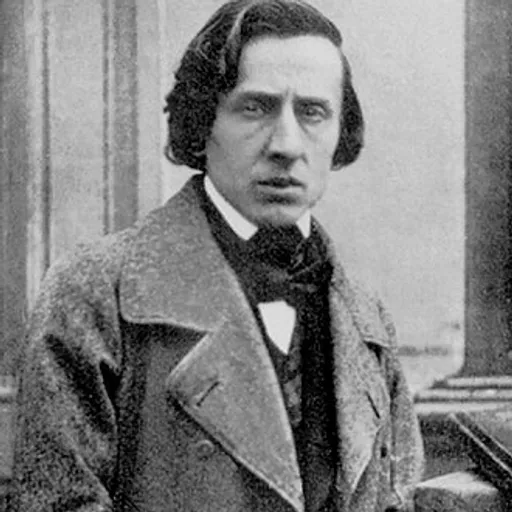
17Chopin poured his entire creative life into the piano, producing nocturnes, ballades, and etudes that redefined what the instrument could express emotionally and technically. A frail, exiled Polish romantic in Parisian salons, his intimate, harmonically daring music earns him a firm spot among the greats despite a tragically short life. He's the go-to answer for 'greatest piano composer.'
Era: 1800s
added by Yourlist EditorialFrédéric Chopin
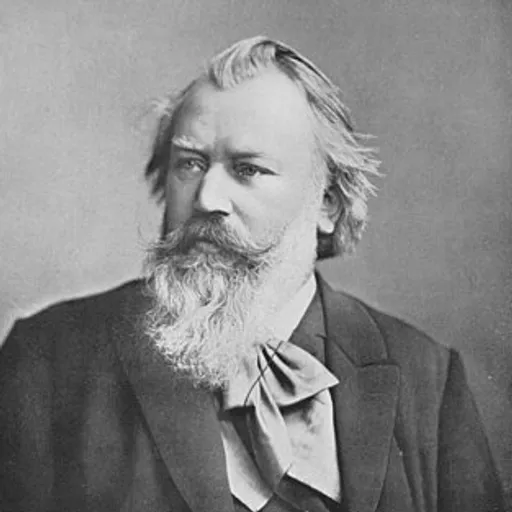
7Brahms carried the weight of Beethoven's legacy, famously delaying his First Symphony for decades out of reverence, before producing dense, structurally masterful works like the German Requiem and four symphonies. Seen as the great conservative counterweight to Wagner's radicalism, he earns his place here as the composer who proved tradition could still innovate. His craftsmanship remains a benchmark for compositional rigor.
Era: 1800s
added by Yourlist EditorialJohannes Brahms
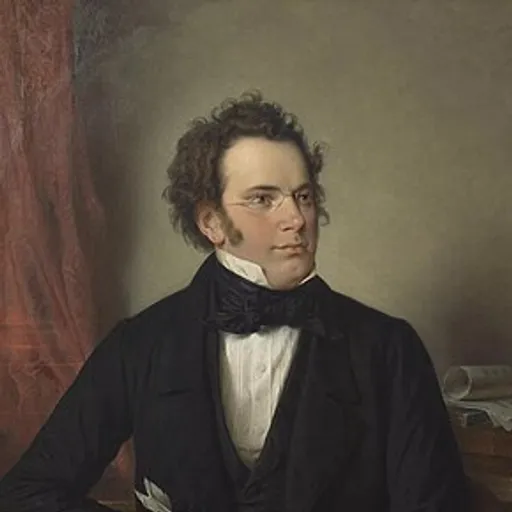
0Schubert, dead at 31, left an almost unbelievable trove of songs (Lieder), symphonies, and chamber works, including the 'Unfinished' Symphony and 'Death and the Maiden' quartet. His gift for melody paired with harmonic surprise makes him the patron saint of the art song and a perennial crowd favorite on lists like this. He shows how much genius can be packed into a tragically brief career.
Era: 1800s
added by Yourlist EditorialFranz Schubert
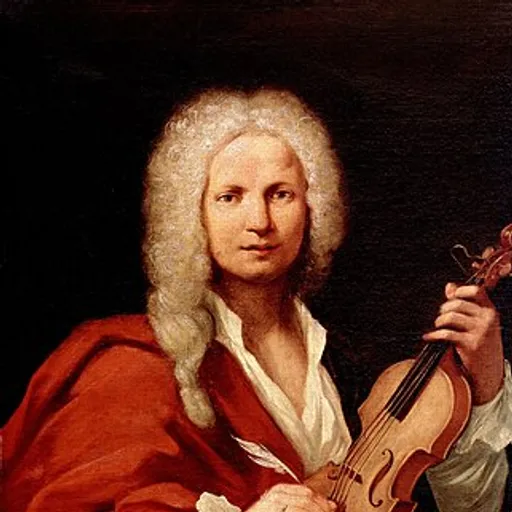
-4Vivaldi, the 'Red Priest' of Venice, is best known for 'The Four Seasons,' a set of violin concertos that virtually invented the concept of musical program-painting. His prolific output and infectious rhythmic energy secured his rediscovery in the 20th century after near-total obscurity. He belongs on this list as the Baroque era's great popularizer of the concerto form.
Era: 1700s
added by Yourlist EditorialAntonio Vivaldi
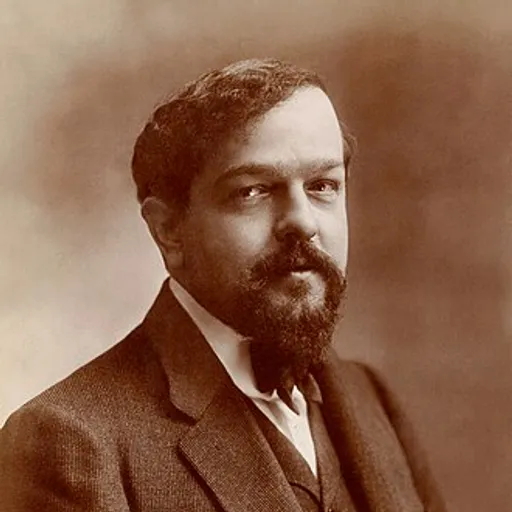
-15Debussy shattered traditional harmony with shimmering, impressionistic works like 'Clair de Lune' and 'Prelude to the Afternoon of a Faun,' opening the door to 20th-century modernism. His rejection of German symphonic tradition in favor of color and atmosphere marks a genuine turning point in music history. He earns his spot here as the composer who made harmony itself a subject of wonder.
Era: 1900s
added by Yourlist EditorialClaude Debussy
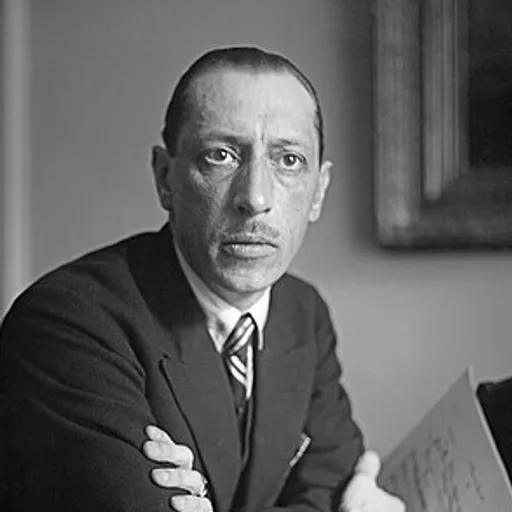
-21Stravinsky detonated the classical tradition with 'The Rite of Spring,' whose 1913 premiere famously caused a riot and rewired what rhythm and dissonance could do in orchestral music. His restless reinvention across neoclassicism and serialism over a long career shows a composer perpetually ahead of his time. He represents the 20th century's radical break on this otherwise older-skewing list.
Era: 1900s
added by Yourlist EditorialIgor Stravinsky
-26