Greatest Dissents in Supreme Court History
Which Supreme Court dissent do you think left the deepest mark on American law — the opinion that lost the case but eventually rewrote the future? Cast your vote on history's most consequential dissenting opinions.
What counts: "Best" weighs a dissent's lasting legal influence, moral clarity, and whether it was later vindicated by subsequent courts, legislation, or constitutional change — not eloquence alone. All years, vote splits, and ratings are approximate historical estimates; lower years-to-vindication and higher rhe
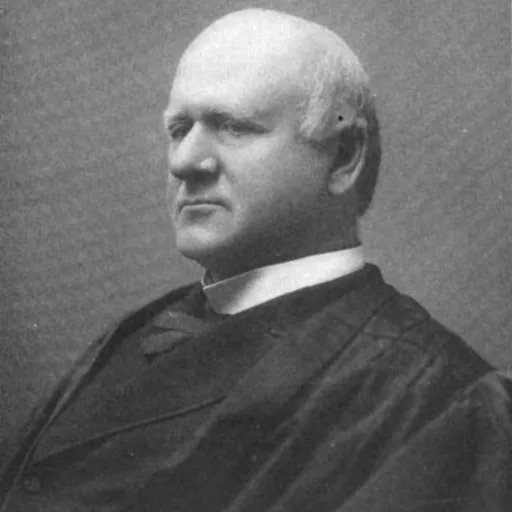
Plessy v. Ferguson — Harlan's Lone Dissent (1896)
John Marshall Harlan stood alone against seven colleagues to declare "the Constitution is color-blind," rejecting the "separate but equal" doctrine his brethren embraced. His dissent went unheeded for 58 years until Brown v. Board vindicated nearly every word. It's the gold stand
Year Decided: 1896Dissenting Justice(s): John Marshall HarlanVote Split: 7-1Later Vindicated?: ✓Years to Vindication: 58 yrsRhetorical Power: 9.5/10Historical Impact: 10/10
added by Yourlist EditorialPlessy v. Ferguson
0Dred Scott v. Sandford — Curtis's Dissent (1857)
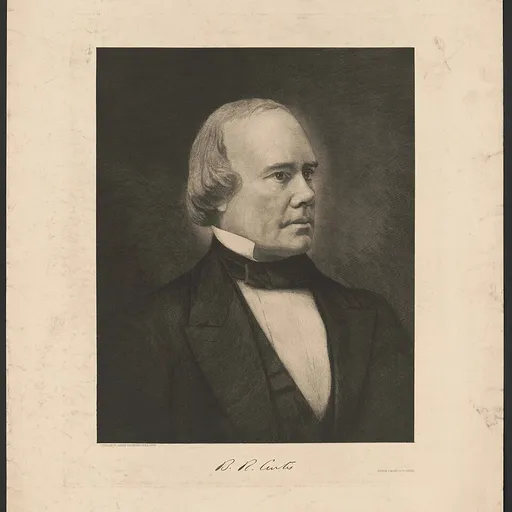
Benjamin Curtis dismantled Chief Justice Taney's tortured history and logic, arguing free Black citizens could indeed be citizens and Congress could bar slavery in the territories. He resigned from the Court in disgust shortly after, vindicated only by a war and three constitutio
Year Decided: 1857Dissenting Justice(s): Benjamin CurtisVote Split: 7-2Later Vindicated?: ✓Years to Vindication: 11 yrsRhetorical Power: 8.5/10Historical Impact: 9.5/10
added by Yourlist EditorialDred Scott v. Sandford
0Korematsu v. United States — Murphy's Dissent (1944)
Justice Frank Murphy called the internment of Japanese Americans exactly what it was — "the ugly abyss of racism" — while six colleagues upheld it as military necessity. Formally repudiated by the Court itself in 2018's Trump v. Hawaii, it remains the textbook example of judicial
Year Decided: 1944Dissenting Justice(s): Frank MurphyVote Split: 6-3Later Vindicated?: ✓Years to Vindication: 74 yrsRhetorical Power: 9/10Historical Impact: 9.5/10
added by Yourlist EditorialKorematsu v. United States
0Lochner v. New York — Holmes's Dissent (1905)
Oliver Wendell Holmes Jr. accused the majority of writing laissez-faire economics into the Constitution, insisting "the Fourteenth Amendment does not enact Mr. Herbert Spencer's Social Statics." His terse, aphoristic dissent became the intellectual seed of the New Deal Court's ab
Year Decided: 1905Dissenting Justice(s): Oliver Wendell Holmes Jr.Vote Split: 5-4Later Vindicated?: ✓Years to Vindication: 32 yrsRhetorical Power: 9/10Historical Impact: 8.5/10
added by Yourlist EditorialLochner v. New York
0Abrams v. United States — Holmes's Dissent (1919)
Holmes argued for a "marketplace of ideas," insisting even leaflets from Russian immigrants deserved First Amendment protection despite wartime fears. It didn't move his colleagues that day, but the "clear and present danger" framework he sketched reshaped a century of speech jur
Year Decided: 1919Dissenting Justice(s): Oliver Wendell Holmes Jr.Vote Split: 7-2Later Vindicated?: ✓Years to Vindication: 50 yrsRhetorical Power: 9/10Historical Impact: 8.5/10
added by Yourlist EditorialAbrams v. United States
0Olmstead v. United States — Brandeis's Dissent (1928)
Louis Brandeis argued the framers guaranteed Americans "the right to be let alone" and that wiretapping without a warrant violated that spirit even absent physical trespass. The majority disagreed, but Katz v. United States adopted his reasoning nearly 40 years later, founding mo
Year Decided: 1928Dissenting Justice(s): Louis BrandeisVote Split: 5-4Later Vindicated?: ✓Years to Vindication: 39 yrsRhetorical Power: 8.5/10Historical Impact: 8.5/10
added by Yourlist EditorialOlmstead v. United States
0Bowers v. Hardwick — Blackmun's Dissent (1986)
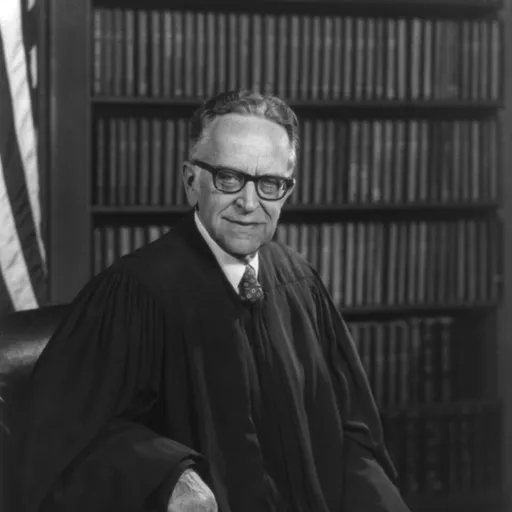
Harry Blackmun rejected the majority's framing of the case as being about a right to sodomy, insisting it was instead about "the right to be let alone." Seventeen years later, Lawrence v. Texas overturned Bowers outright and quoted Blackmun approvingly. One of the clearest instan
Year Decided: 1986Dissenting Justice(s): Harry BlackmunVote Split: 5-4Later Vindicated?: ✓Years to Vindication: 17 yrsRhetorical Power: 8/10Historical Impact: 8/10
added by Yourlist EditorialBowers v. Hardwick
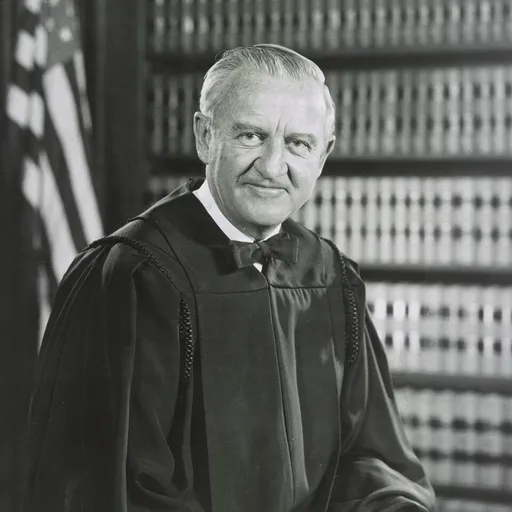
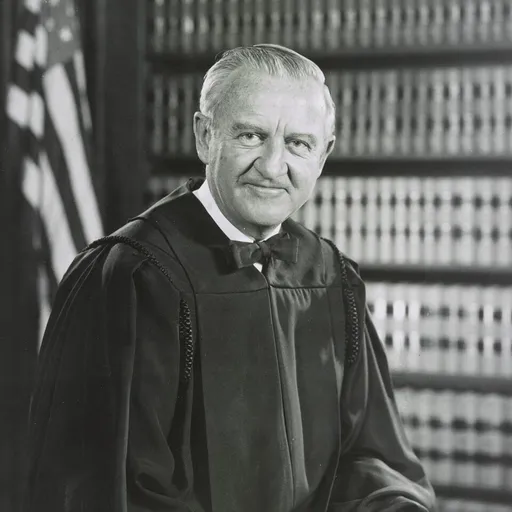
0Citizens United v. FEC — Stevens's Dissent (2010)
John Paul Stevens, in his final major opinion before retiring, warned that treating corporate spending as protected speech would "unleash the floodgates" of political money and corrode self-government. His 90-page dissent remains the rallying text for campaign-finance reformers o
Year Decided: 2010Dissenting Justice(s): John Paul StevensVote Split: 5-4Later Vindicated?: —Years to Vindication: —Rhetorical Power: 8/10Historical Impact: 8/10
added by Yourlist EditorialCitizens United v. Federal Election Commission
0Shelby County v. Holder — Ginsburg's Dissent (2013)
Ruth Bader Ginsburg likened gutting the Voting Rights Act's preclearance formula to "throwing away your umbrella in a rainstorm because you are not getting wet," arguing discrimination had evolved rather than disappeared. Voting-rights litigation exploded in the years after, larg
Year Decided: 2013Dissenting Justice(s): Ruth Bader GinsburgVote Split: 5-4Later Vindicated?: —Years to Vindication: —Rhetorical Power: 8.5/10Historical Impact: 8.5/10
added by Yourlist EditorialShelby County v. Holder
0Ledbetter v. Goodyear — Ginsburg's Dissent (2007)
Ginsburg blasted the majority for a pay-discrimination ruling so narrow it ignored how pay gaps compound silently over years, and pointedly told Congress to fix it. Congress did — the Lilly Ledbetter Fair Pay Act of 2009 was signed as President Obama's first bill into law. A rare
Year Decided: 2007Dissenting Justice(s): Ruth Bader GinsburgVote Split: 5-4Later Vindicated?: ✓Years to Vindication: 2 yrsRhetorical Power: 7.5/10Historical Impact: 8/10
added by Yourlist EditorialLedbetter v. Goodyear Tire & Rubber Co.
0Dobbs v. Jackson Women's Health — Joint Dissent (2022)
Justices Breyer, Sotomayor, and Kagan wrote jointly that overturning Roe stripped away a right "women have relied on for their liberty and equality" for half a century, warning the majority's reasoning threatened other unenumerated rights too. Whether history vindicates them rema
Year Decided: 2022Dissenting Justice(s): Breyer, Sotomayor & KaganVote Split: 6-3Later Vindicated?: —Years to Vindication: —Rhetorical Power: 8.5/10Historical Impact: 8.5/10
added by Yourlist EditorialDobbs v. Jackson Women's Health Organization
0Bush v. Gore — Stevens's Dissent (2000)
Stevens warned that the majority's intervention to halt the Florida recount would inflict "a self-inflicted wound" on public confidence in judicial neutrality far graver than any uncertainty about the vote count itself. His closing line — that the identity of the loser would be c
Year Decided: 2000Dissenting Justice(s): John Paul StevensVote Split: 5-4Later Vindicated?: —Years to Vindication: —Rhetorical Power: 8/10Historical Impact: 8/10
added by Yourlist EditorialBush v. Gore
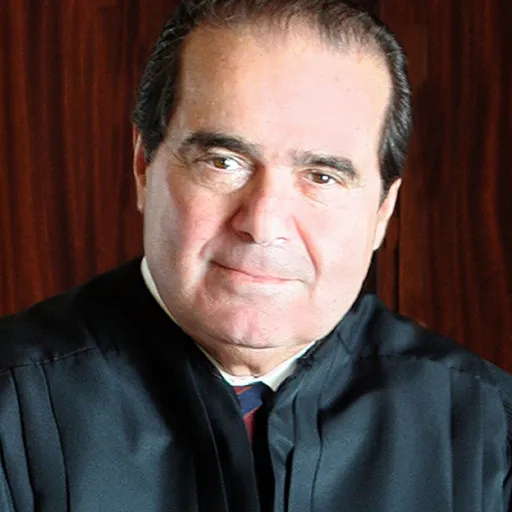
0Planned Parenthood v. Casey — Scalia's Dissent (1992)
Antonin Scalia mocked the plurality's "undue burden" standard as unworkable and accused the Court of inventing a right to abortion out of thin constitutional air. His combative style here previewed three decades of conservative jurisprudence that eventually culminated in Dobbs. F
Year Decided: 1992Dissenting Justice(s): Antonin ScaliaVote Split: 5-4Later Vindicated?: ✓Years to Vindication: 30 yrsRhetorical Power: 8.5/10Historical Impact: 7.5/10
added by Yourlist EditorialPlanned Parenthood v. Casey
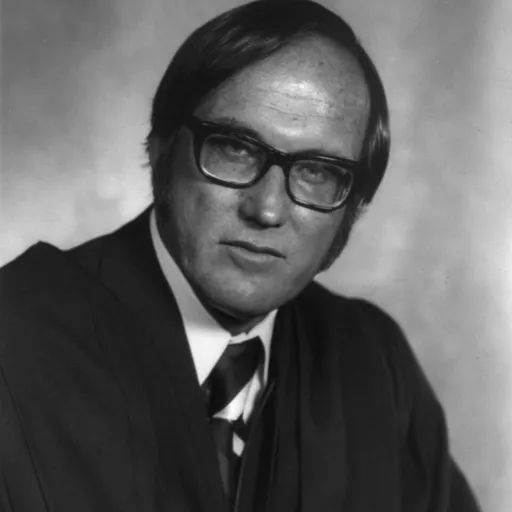
0Roe v. Wade — Rehnquist's Dissent (1973)
William Rehnquist argued the majority had simply legislated its own preferred abortion policy under the guise of constitutional interpretation, presaging nearly fifty years of conservative attack on Roe's reasoning. Byron White's companion dissent, calling the ruling "an exercise
Year Decided: 1973Dissenting Justice(s): William RehnquistVote Split: 7-2Later Vindicated?: ✓Years to Vindication: 49 yrsRhetorical Power: 7/10Historical Impact: 8/10
added by Yourlist EditorialRoe v. Wade
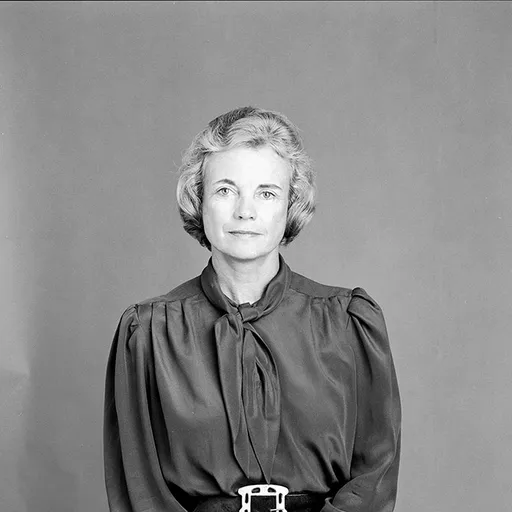
0Kelo v. City of New London — O'Connor's Dissent (2005)
Sandra Day O'Connor warned that letting government seize private homes for private economic development turned the takings clause on its head, predicting "the beneficiaries are likely to be those citizens with disproportionate influence." Public backlash was immediate and biparti
Year Decided: 2005Dissenting Justice(s): Sandra Day O'ConnorVote Split: 5-4Later Vindicated?: —Years to Vindication: —Rhetorical Power: 7.5/10Historical Impact: 7/10
added by Yourlist EditorialKelo v. City of New London
0District of Columbia v. Heller — Stevens's Dissent (2008)
Stevens argued at length that the Second Amendment's "well regulated Militia" clause was never meant to protect a personal right to keep handguns for self-defense, marshaling extensive historical evidence against Scalia's majority opinion. The gun-rights debate it launched still
Year Decided: 2008Dissenting Justice(s): John Paul StevensVote Split: 5-4Later Vindicated?: —Years to Vindication: —Rhetorical Power: 7/10Historical Impact: 7.5/10
added by Yourlist EditorialDistrict of Columbia v. Heller
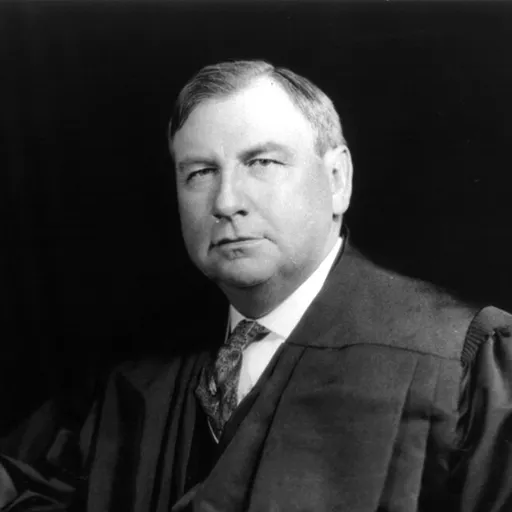
0Minersville School District v. Gobitis — Stone's Dissent (1940)
Harlan Fiske Stone alone argued that forcing Jehovah's Witness schoolchildren to salute the flag violated their freedom of conscience, calling it a compulsion the Constitution was designed to prevent. Just three years later, West Virginia v. Barnette reversed Gobitis almost entir
Year Decided: 1940Dissenting Justice(s): Harlan Fiske StoneVote Split: 8-1Later Vindicated?: ✓Years to Vindication: 3 yrsRhetorical Power: 7.5/10Historical Impact: 7.5/10
added by Yourlist EditorialMinersville School District v. Gobitis
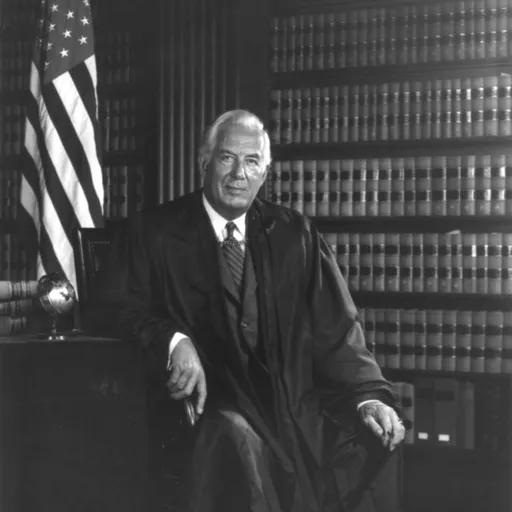
0Furman v. Georgia — Burger's Dissent (1972)
Chief Justice Warren Burger, writing for four dissenters, argued the Court had no constitutional basis for effectively abolishing capital punishment nationwide through a fractured per curiam ruling. States rewrote death penalty statutes almost immediately, and Gregg v. Georgia re
Year Decided: 1972Dissenting Justice(s): Warren BurgerVote Split: 5-4Later Vindicated?: ✓Years to Vindication: 4 yrsRhetorical Power: 6.5/10Historical Impact: 7/10
added by Yourlist EditorialFurman v. Georgia
0