Greatest Fictional Detectives
From foggy London streets to sun-drenched Californian highways, fictional detectives have kept readers and viewers guessing for over a century, turning clever deduction into some of the most beloved stories ever told. Each sleuth brings their own style, quirks, and unforgettable moments of brilliance to the art of solving crime. Now it's your turn to weigh in — vote for who you think truly deserves the title of greatest fictional detective!
What counts: Best = a mix of deductive brilliance, cultural staying power, and influence on the mystery genre; ratings are subjective and all figures/years are approximate.
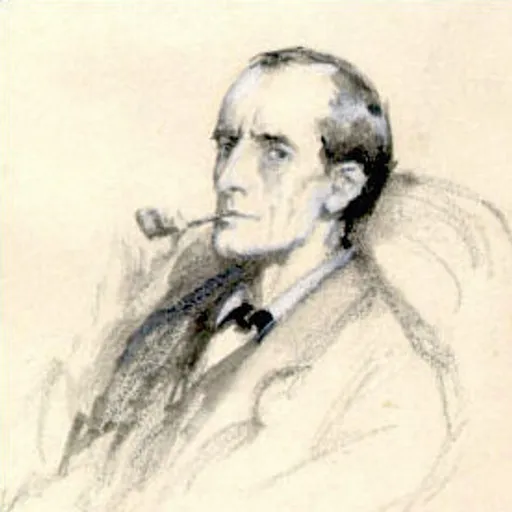
A cocaine-dabbling violinist who could reconstruct your entire morning from the mud on your boots, Holmes didn't just solve crimes in 1887's 'A Study in Scarlet'—he invented the modern detective template that everyone on this list is riffing on. His deductive method turned observation into a spectator sport, and 130+ years of pastiches, from Elementary to BBC's Sherlock, prove the Baker Street formula never expires. No detective looms larger; he's the reason 'the game is afoot' is a cultural reflex.
First Appeared: 1887Creator: Arthur Conan DoyleDeduction Skill: 10/10Cultural Impact: 10/10Primary Medium: Novels/Short Stories
added by Yourlist Editorialin 6 rankingsSherlock Holmes
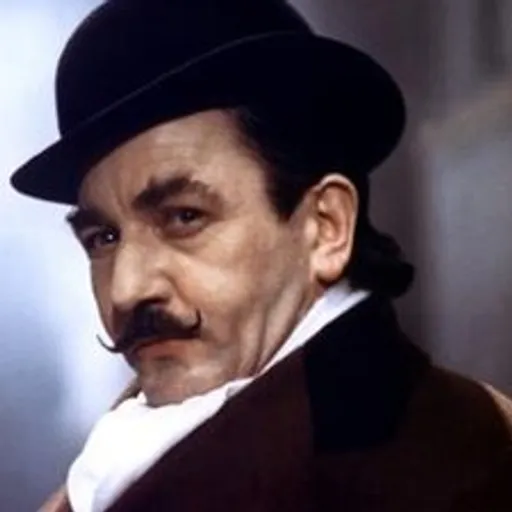
0The fussy Belgian with the waxed mustache solved 'Murder on the Orient Express' by realizing everyone did it, a twist so audacious it redefined what a fair-play mystery could pull off. Poirot's little grey cells worked through psychology and vanity rather than magnifying glasses, giving Agatha Christie's Golden Age puzzles their emotional bite. Eighty-plus novels and Kenneth Branagh's mustache-forward reboots later, he remains the gold standard for the armchair-genius archetype.
First Appeared: 1920Creator: Agatha ChristieDeduction Skill: 9/10Cultural Impact: 9/10Primary Medium: Novels
added by Yourlist Editorialin 2 rankingsHercule Poirot
0An elderly spinster in St. Mary Mead who solved murders by comparing killers to village gossips and choir boys she'd known for decades, Marple proved deductive genius didn't need a badge, a magnifying glass, or a Y chromosome. Christie's other masterstroke weaponized the 'harmless old lady' stereotype into the sharpest analytical mind in the room, quietly dismantling condescension one solved murder at a time. She cracked open the genre for generations of amateur, unassuming sleuths who follow her knitting-needle logic.
First Appeared: 1927Creator: Agatha ChristieDeduction Skill: 8/10Cultural Impact: 8/10Primary Medium: Novels
added by Yourlist Editorialin 2 rankingsMiss Marple
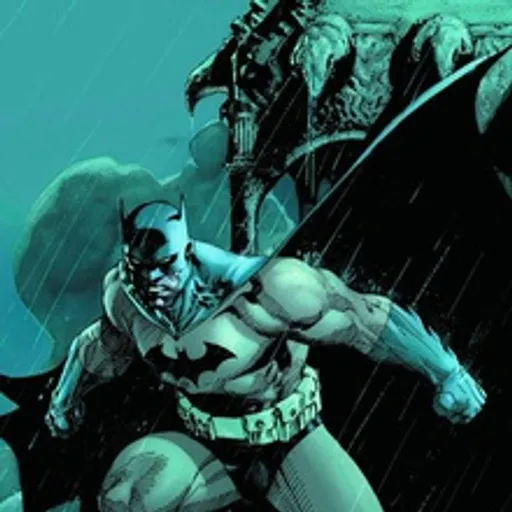
0Bruce Wayne turned personal trauma into forensic obsession, building a satellite of criminology, a legendary rogues' gallery, and Gotham's most feared trench coat, all while never once carrying a gun. 'The Long Halloween' and Nolan's Gotham trilogy proved Batman is as much detective as brawler—someone who profiles the Joker's psychology as readily as he throws a punch. He's the rare superhero whose brand is built on deduction, making him the bridge between pulp detective fiction and the modern comic-book mythos.
First Appeared: 1939Creator: Bob Kane & Bill FingerDeduction Skill: 9/10Cultural Impact: 10/10Primary Medium: Comics
added by Yourlist Editorialin 10 rankingsThe New Batman
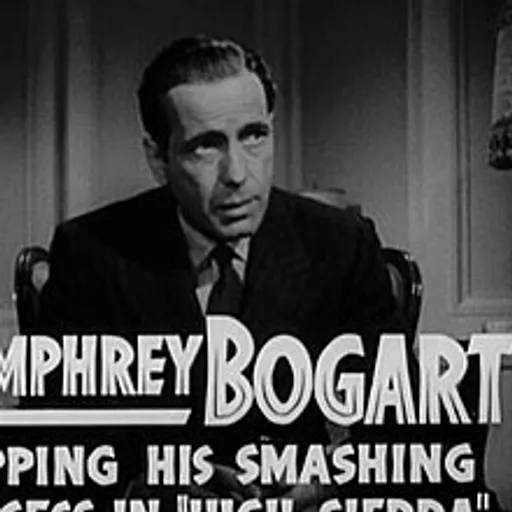
0Hammett's cynical San Francisco P.I. handed over his own partner's killer at the end of 'The Maltese Falcon' with the ice-cold line that being loyal to the job trumps loyalty to anyone—including the woman he loved. Spade's amoral toughness and hardboiled patter didn't just create noir, it invented the private eye who trusts no one and takes the beating anyway. Bogart's screen version cemented the trench coat and the shrug as detective-genre shorthand for the next century.
First Appeared: 1930Creator: Dashiell HammettDeduction Skill: 7/10Cultural Impact: 8/10Primary Medium: Novels
added by Yourlist Editorialin 2 rankingsSam Spade
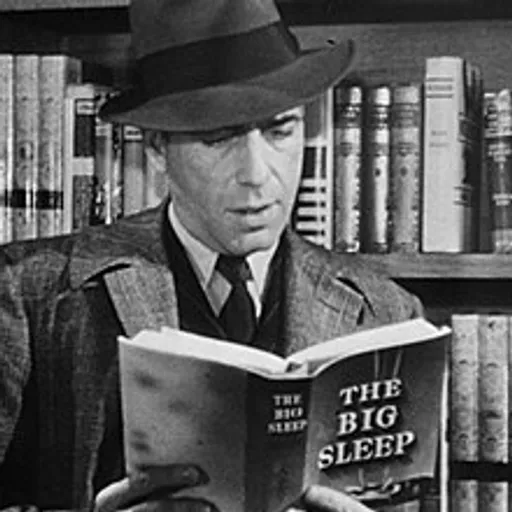
0Chandler's Marlowe navigated the labyrinthine plot of 'The Big Sleep'—a mystery so tangled even Chandler admitted he didn't know who killed the chauffeur—armed with nothing but wisecracks and a battered sense of honor in a rotten city. He proved detective fiction could be literature, all velvet similes and world-weary poetry wrapped around a chess-playing loner who always loses the girl but keeps his soul. Every rain-slicked, morally gray gumshoe since owes Marlowe rent.
First Appeared: 1939Creator: Raymond ChandlerDeduction Skill: 7/10Cultural Impact: 8/10Primary Medium: Novels
added by Yourlist Editorialin 2 rankingsPhilip Marlowe
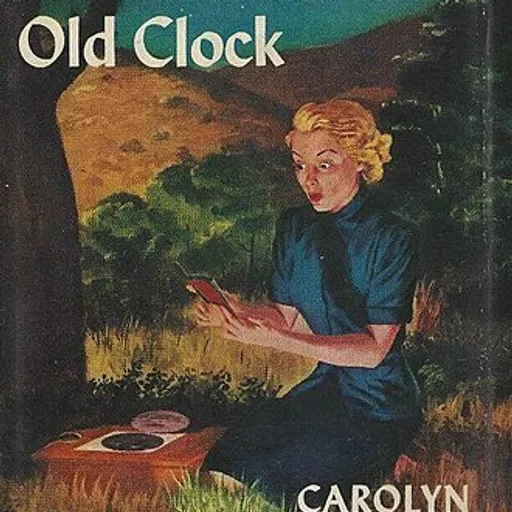
0An eighteen-year-old amateur sleuth who ditched her roadster to chase smugglers, forgers, and hidden staircases starting in 1930, Nancy Drew handed generations of young readers—especially girls who'd been told mysteries were for boys—their first taste of deductive swagger. She never needed a badge or a mentor; she had a magnifying glass, a convertible, and zero patience for being told to stay home. Eighty-plus years and countless spin-offs later, she remains the gateway drug that turned kids into lifelong mystery addicts.
First Appeared: 1930Creator: Carolyn KeeneDeduction Skill: 7/10Cultural Impact: 8/10Primary Medium: Novels
added by Yourlist Editorialin 2 rankingsNancy Drew
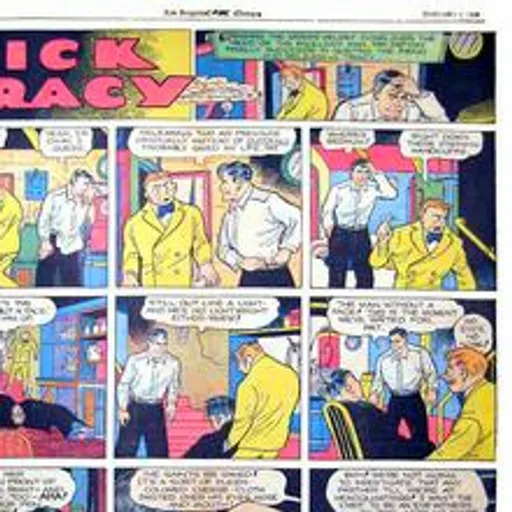
0Chester Gould's square-jawed cop brought forensic gadgetry to the funny pages in 1931, solving crimes with a two-way wrist radio decades before anyone had a smartphone, going toe-to-toe with grotesque villains like Pruneface and Flattop. Tracy fused deduction with fisticuffs and sci-fi gizmology, proving detective comics could be as visually inventive as they were morally black-and-white. He's the missing link between pulp detective fiction and the gadget-obsessed superhero comics that followed.
First Appeared: 1931Creator: Chester GouldDeduction Skill: 6/10Cultural Impact: 7/10Primary Medium: Comic Strip
added by Yourlist EditorialDick Tracy
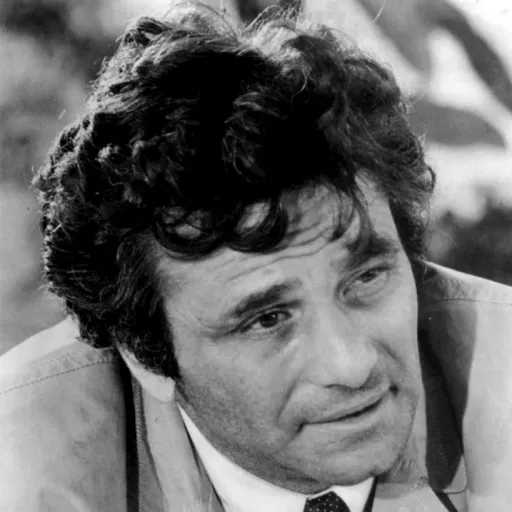
0The rumpled lieutenant in the beat-up raincoat let you watch the murder happen in the cold open, then spent the rest of the episode circling his suspect with 'just one more thing' until the killer's own arrogance did them in. Columbo flipped the whodunit into a howcatchem, turning detective fiction's central mystery from 'who' to 'how do we watch the smart guy get outsmarted by the guy everyone underestimates.' Peter Falk's shambling genius made humility the most devastating investigative weapon in the genre's history.
First Appeared: 1968Creator: Richard Levinson & William LinkDeduction Skill: 8/10Cultural Impact: 8/10Primary Medium: TV
added by Yourlist Editorialin 3 rankingsColumbo
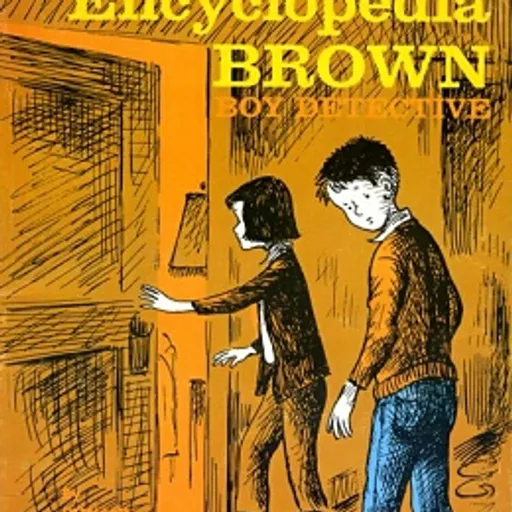
0A ten-year-old with a photographic memory who charged 25 cents a case out of his family garage in Idaville, Encyclopedia Brown taught a generation of kids that logic puzzles could be as thrilling as any car chase. Each slim book ended with a challenge to the reader—solve it before flipping to the answer key—turning passive reading into active deduction practice. He's less a detective than a rite of passage, the training wheels every future mystery fan didn't know they needed.
First Appeared: 1963Creator: Donald J. SobolDeduction Skill: 6/10Cultural Impact: 6/10Primary Medium: Novels
added by Yourlist EditorialEncyclopedia Brown
0A mystery novelist in the impossibly murder-prone town of Cabot Cove, Jessica Fletcher stumbled onto a corpse roughly once a week for twelve seasons and somehow never got charged with anything, let alone suspected of being the actual killer given the statistics. 'Murder, She Wrote' proved that television could sustain a procedural on pure cozy charm and a grandmotherly amateur's sharp intuition rather than grit or gunplay. Angela Lansbury made deduction look like something you could do between baking a pie and mailing a manuscript.
First Appeared: 1984Creator: Peter S. FischerDeduction Skill: 7/10Cultural Impact: 6/10Primary Medium: TV
added by Yourlist Editorialin 2 rankingsJessica Fletcher
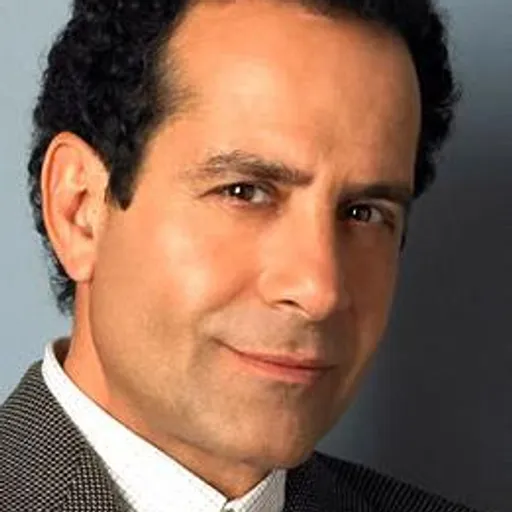
0A brilliant ex-detective whose OCD and 312 phobias made him nearly incapable of leaving his apartment, Monk turned his own psychological wreckage into the sharpest observational tool in television, noticing the one crooked picture frame that unraveled an entire murder. 'Monk' reinvented the detective-as-damaged-genius formula for the 2000s, proving that vulnerability and hyper-competence could coexist in the same trembling, germophobic package. He's the direct ancestor of every prestige-TV sleuth whose brilliance comes bundled with real psychic cost.
First Appeared: 2002Creator: Andy BreckmanDeduction Skill: 8/10Cultural Impact: 6/10Primary Medium: TV
added by Yourlist Editorialin 2 rankingsAdrian Monk
0Sue Grafton's alphabet-titled series ('A' Is for Alibi' through 'Y' Is for Yesterday') gave the hardboiled genre a female private investigator who packed a gun, ate junk food, and refused every trope about women needing rescue. Kinsey solved cases through dogged legwork and interview instincts rather than flashy deduction, dragging noir's stubborn machismo into the modern era one paperback at a time. She proved the P.I. novel could survive—and thrive—well past Chandler's boys' club.
First Appeared: 1982Creator: Sue GraftonDeduction Skill: 7/10Cultural Impact: 6/10Primary Medium: Novels
added by Yourlist Editorialin 2 rankingsKinsey Millhone
0Poe's Parisian recluse solved 'The Murders in the Rue Morgue' in 1841 by out-thinking the entire Paris police force from an armchair, effectively inventing the locked-room mystery and the genre itself before anyone had coined the word 'detective.' Dupin's pure ratiocination—reasoning backward from effect to cause—became the blueprint Conan Doyle openly admitted stealing for Holmes. Every armchair genius on this list, knowingly or not, is Dupin's descendant.
First Appeared: 1841Creator: Edgar Allan PoeDeduction Skill: 8/10Cultural Impact: 7/10Primary Medium: Short Stories
added by Yourlist EditorialC. Auguste Dupin
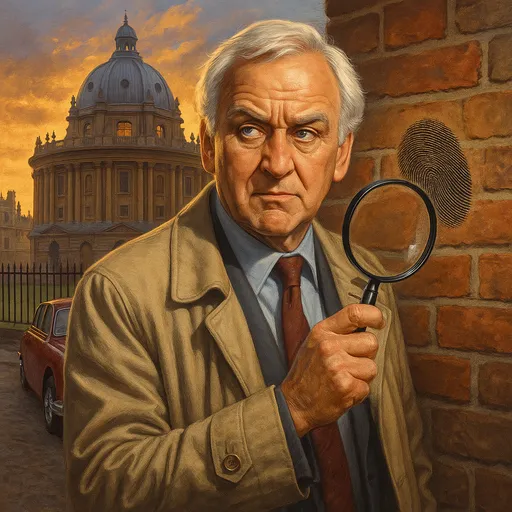
0Colin Dexter's brooding, opera-loving Oxford detective solved crimes through erudition and melancholy as much as procedure, treating crossword puzzles and Wagner as seriously as forensic evidence. Morse's slow-burn, novelistic mysteries—and John Thaw's aching performance—elevated the British police procedural into something closer to tragedy, proving detectives could be defined by loneliness and intellect in equal measure. He paved the way for the prestige detective dramas that dominate British TV to this day.
First Appeared: 1975Creator: Colin DexterDeduction Skill: 7/10Cultural Impact: 6/10Primary Medium: Novels/TV
added by Yourlist Editorialin 2 rankingsInspector Morse
0A teenage P.I. working her hometown's class war with a taser and a camera phone, Veronica Mars solved her best friend's murder while simultaneously exposing Neptune, California's entire rotten social order, marrying noir cynicism to high school angst. Her voiceover snark and dogged, personal-stakes investigations modernized the hardboiled formula for a generation raised on irony and social media surveillance. She proved teen detective fiction could have real noir teeth instead of Nancy Drew's polite mysteries.
First Appeared: 2004Creator: Rob ThomasDeduction Skill: 7/10Cultural Impact: 6/10Primary Medium: TV
added by Yourlist Editorialin 2 rankingsVeronica Mars
0Benoit Blanc
Rian Johnson's drawling, Foghorn Leghorn-accented detective solved a family's tangled inheritance schemes in 'Knives Out' by trusting the one person everyone else dismissed, reviving the country-house whodunit for a streaming-era audience starved for fair-play puzzles. Daniel Craig's gleeful performance—equal parts Poirot homage and Southern-fried showman—proved audiences still crave the drawing-room reveal if you dress it in modern class satire. He's the newest name here, but 'Glass Onion''s box office numbers argue he's already canon.
First Appeared: 2019Creator: Rian JohnsonDeduction Skill: 8/10Cultural Impact: 7/10Primary Medium: Film
added by Yourlist Editorial
0L (Death Note)
A sugar-addicted, barefoot genius who spent an entire anime playing a lethal game of cat-and-mouse with a killer who could murder him with a name and a face, L turned deduction into a psychological chess match where being wrong meant dying. His panopticon-style investigation of Kira—building profiles from probability and behavioral patterns rather than physical clues—modernized the detective story for a generation raised on serialized psychological thrillers. L's death mid-series remains one of anime's most audacious twists, proving even the genius detective isn't guaranteed the last word.
First Appeared: 2003Creator: Tsugumi OhbaDeduction Skill: 9/10Cultural Impact: 7/10Primary Medium: Manga/Anime
added by Yourlist Editorialin 2 rankings
0