
Greatest Food Inventions in History
From fermentation to refrigeration, human ingenuity has transformed how we grow, preserve, and enjoy food, shaping civilizations and daily life along the way. These breakthroughs didn't just fill stomachs—they sparked trade routes, saved lives, and created entirely new cultures around eating. Which food invention do you think changed the world the most? Cast your vote below!
What counts: Ranked by lasting global impact on diet, food security, and culture — weighing how transformative each invention was versus how niche. Years and origins are approximate/best-attested; ratings reflect a blend of historical significance and everyday relevance today.
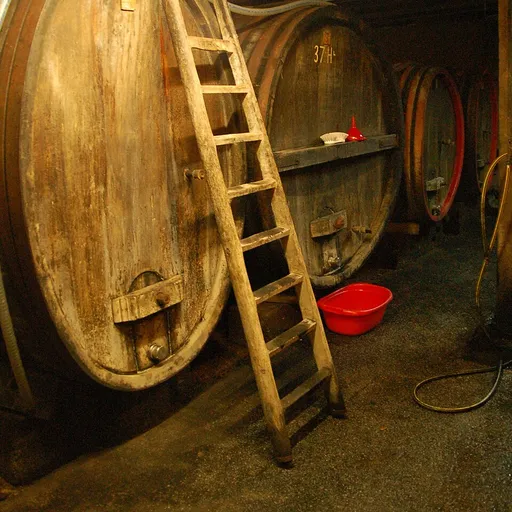
Long before anyone understood microbiology, Neolithic farmers noticed grain and fruit left in jars turned into something intoxicating and preservable. It became the basis for beer, wine, bread leavening, and eventually yogurt and cheese — arguably the single most consequential fo
Approx. Year: c. 7000 BCEOrigin: Mesopotamia/ChinaHistorical Impact: 10/10Still Everyday Use?: ✓
added by Yourlist Editorialfermentation
0Leavened Bread
Egyptian bakers around 3000 BCE let dough sit too long, caught wild yeast, and invented risen bread — turning a flat grain paste into the world's dominant staple food. It fueled empires, from Roman grain doles to modern industrial baking.
Approx. Year: c. 3000 BCEOrigin: Ancient EgyptHistorical Impact: 9.5/10Still Everyday Use?: ✓
added by Yourlist Editorial
0Cheese-Making
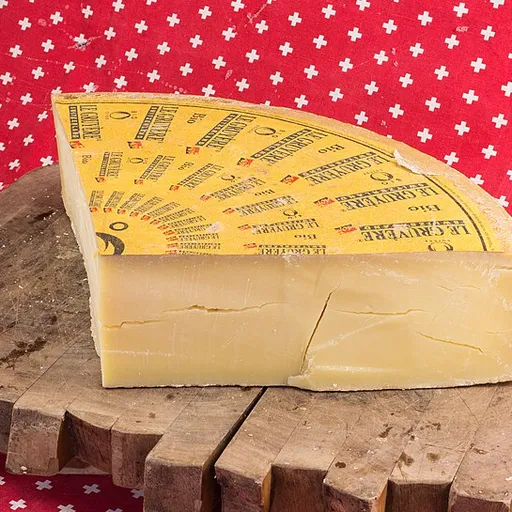
Legend says a nomad stored milk in an animal-stomach pouch and rennet curdled it into the first cheese — a way to preserve milk's nutrients for months instead of days. It spawned thousands of regional varieties and remains a cornerstone of diets worldwide.
Approx. Year: c. 8000 BCEOrigin: Middle East/Central AsiaHistorical Impact: 9/10Still Everyday Use?: ✓
added by Yourlist Editorial
0Napoleon offered a cash prize for a way to feed his armies on campaign, and confectioner Nicolas Appert answered with sealed, heated glass jars in 1809 — the birth of long-term food preservation. It ended seasonal famine cycles and made global food logistics possible.
Approx. Year: 1809Origin: FranceHistorical Impact: 9.5/10Still Everyday Use?: ✓
added by Yourlist Editorialcanning
0Louis Pasteur proved in 1864 that heat could kill spoilage microbes in wine without ruining the flavor, and the technique was quickly turned on milk. It single-handedly slashed foodborne illness and infant mortality tied to unsafe dairy.
Approx. Year: 1864Origin: FranceHistorical Impact: 9/10Still Everyday Use?: ✓
added by Yourlist Editorialpasteurization
0The Tin Can
Peter Durand patented the sealed tin canister in 1810, giving Appert's canning idea a durable, shippable container. Combined with the can opener (invented decades later, awkwardly), it made shelf-stable food a global commodity.
Approx. Year: 1810Origin: EnglandHistorical Impact: 8.5/10Still Everyday Use?: ✓
added by Yourlist Editorial
0Mechanical Refrigeration
From Jacob Perkins's 1834 vapor-compression patent to the first practical home fridges in the 1910s–20s, mechanical cooling ended humanity's dependence on ice houses and salt curing. It reshaped supply chains, diets, and where food could be grown versus sold.
Approx. Year: 1834 / 1913Origin: USA/UKHistorical Impact: 9/10Still Everyday Use?: ✓
added by Yourlist Editorial
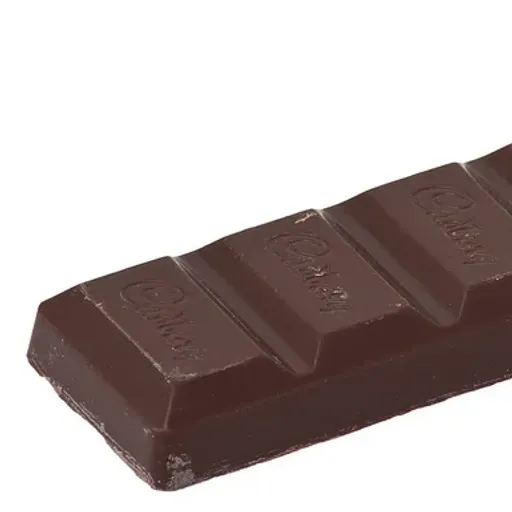
0Mesoamericans drank cacao as a bitter ritual beverage for centuries, but it was Joseph Fry's 1847 solid 'eating chocolate' that turned it into the confection the world now craves. Hershey and Cadbury later industrialized it into a global obsession.
Approx. Year: 1847Origin: England (cacao: Mesoamerica)Historical Impact: 7.5/10Still Everyday Use?: ✓
added by Yourlist Editorialchocolate bar
0Modern Pizza (Margherita)
Neapolitan street food got its defining moment in 1889 when baker Raffaele Esposito allegedly topped a pie with tomato, mozzarella, and basil to honor Queen Margherita. It went on to become the most globally franchised dish on Earth.
Approx. Year: 1889Origin: Naples, ItalyHistorical Impact: 7.5/10Still Everyday Use?: ✓
added by Yourlist Editorial
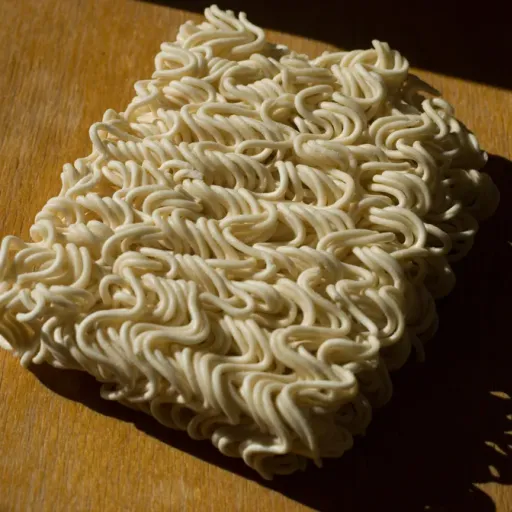
0Momofuku Ando, working out of a backyard shed in postwar Japan, flash-fried noodles in 1958 to create a meal that just needed hot water. Cup Noodles later turned it into humanity's ultimate cheap, fast calorie source, especially for students and disaster relief.
Approx. Year: 1958Origin: JapanHistorical Impact: 7.5/10Still Everyday Use?: ✓
added by Yourlist Editorialinstant noodles
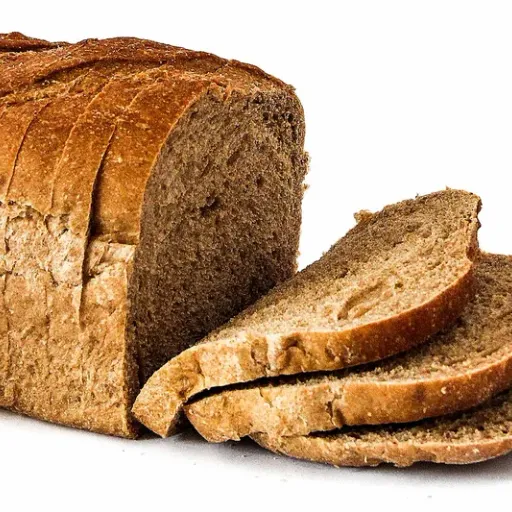
0Otto Rohwedder's 1928 bread-slicing machine gave America the phrase 'greatest thing since sliced bread' — and it wasn't hype, since uniform slices standardized toast, sandwiches, and grocery convenience overnight.
Approx. Year: 1928Origin: USAHistorical Impact: 6.5/10Still Everyday Use?: ✓
added by Yourlist Editorialsliced bread
0Commercial Ice Cream
Hand-churned frozen desserts existed for royalty for centuries, but Nancy Johnson's 1843 hand-crank freezer patent made it a home-makeable treat, and industrial freezing later made it a mass product. It remains the world's favorite indulgent dessert.
Approx. Year: 1843Origin: USAHistorical Impact: 6/10Still Everyday Use?: ✓
added by Yourlist Editorial
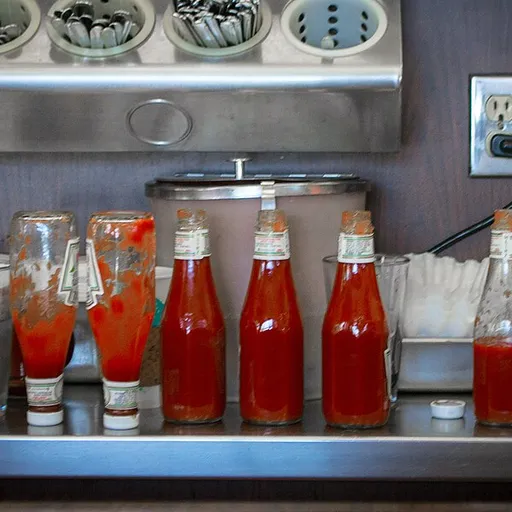
0Early versions were fish-based sauces from Southeast Asia, but Americans reinvented it with tomatoes around 1812, and Heinz's 1876 bottled version made it a condiment fixture on nearly every table and fast-food tray since.
Approx. Year: 1812Origin: USA (roots: Southeast Asia)Historical Impact: 5.5/10Still Everyday Use?: ✓
added by Yourlist Editorialketchup
0Roasted, Brewed Coffee
Yemeni Sufi monastics were the first to roast and brew coffee beans as a drink around the 1400s–1500s, turning a wild shrub into the fuel of coffeehouses, revolutions, and modern office life. Few inventions have shaped daily human routine this thoroughly.
Approx. Year: c. 1450sOrigin: Yemen/EthiopiaHistorical Impact: 8/10Still Everyday Use?: ✓
added by Yourlist Editorial
0Nigiri Sushi
Hanaya Yohei is credited with pressing vinegared rice and fresh fish by hand in 1820s Edo (Tokyo), inventing a fast-food version of older fermented-fish preservation dishes. It later became one of the most prestigious and globally exported cuisines in history.
Approx. Year: c. 1824Origin: JapanHistorical Impact: 6/10Still Everyday Use?: ✓
added by Yourlist Editorial
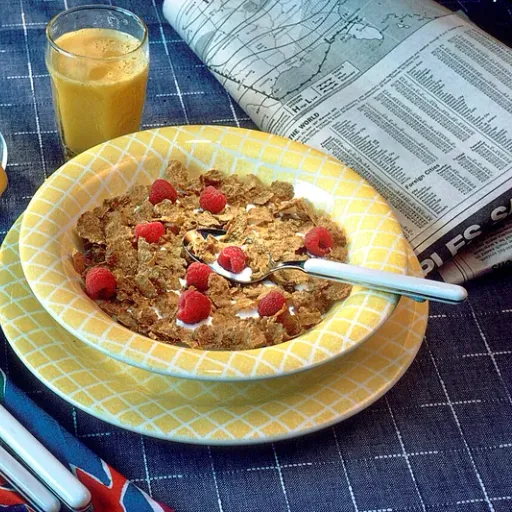
0John Harvey Kellogg and his brother accidentally flaked leftover wheat dough in 1894 while chasing a bland, healthy sanitarium food, unwittingly inventing the breakfast-table staple that would define American mornings for over a century.
Approx. Year: 1894Origin: USAHistorical Impact: 5.5/10Still Everyday Use?: ✓
added by Yourlist Editorialbreakfast cereal
0Refined Sugar
Ancient Indian sugarcane processing spread west, but industrial refining techniques in the 1600s–1800s turned an expensive luxury spice into a cheap, ubiquitous ingredient — reshaping global trade, colonial economies, and eventually the modern diet's health crisis.
Approx. Year: c. 1600s (refining)Origin: India (refining: Caribbean/Europe)Historical Impact: 8/10Still Everyday Use?: ✓
added by Yourlist Editorial
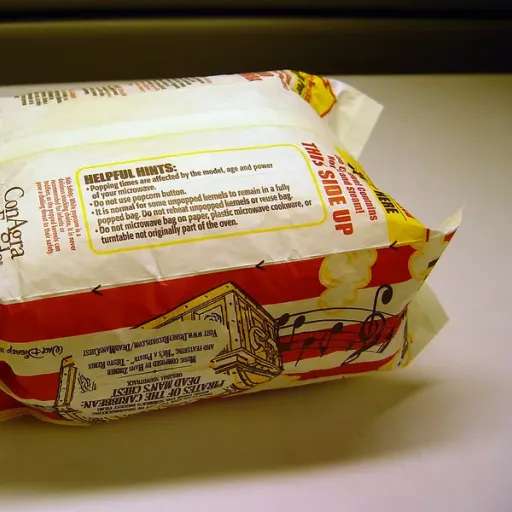
0Building on Percy Spencer's 1945 accidental microwave discovery, food scientists engineered a self-contained popping bag by 1981, turning movie-night snacking into a two-minute kitchen ritual with zero cleanup.
Approx. Year: 1981Origin: USAHistorical Impact: 4.5/10Still Everyday Use?: ✓
added by Yourlist Editorialin 2 rankingsmicrowave popcorn
0