Greatest Jazz Musicians Ever
Jazz has always been a conversation between titans, each pushing the boundaries of rhythm, harmony, and improvisation to redefine what music could be. From smoky nightclubs to grand concert halls, these musicians shaped a uniquely American art form that continues to influence artists across every genre today. Who do you think deserves the title of greatest jazz musician ever? Cast your vote and make your voice heard.
What counts: Ranking reflects a blend of innovation, technical mastery, influence on later generations, and body of recorded work; all dates and figures are approximate and drawn from general historical consensus.
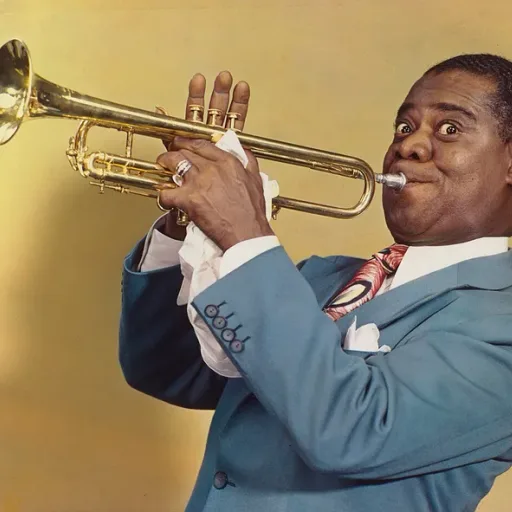
The man who arguably invented the jazz solo, turning New Orleans ensemble music into a showcase for individual genius. 'West End Blues' remains a masterclass in phrasing and swing that every trumpeter since has studied. His gravelly voice and boundless joy also made him jazz's fi
Primary Instrument: Trumpet, VocalsActive Years: 1920s–1971Landmark Recording: West End Blues (1928)Influence: 10/10
added by Yourlist Editorialin 3 rankingsLouis Armstrong
0A composer-bandleader who treated his orchestra as an instrument, writing thousands of pieces that expanded what jazz could express harmonically and structurally. 'Take the A Train' became the sound of an era, but his four-decade Cotton Club-to-Carnegie-Hall arc proves unmatched
Primary Instrument: Piano, Composer, BandleaderActive Years: 1920s–1974Landmark Recording: Take the A Train (1941)Influence: 10/10
added by Yourlist EditorialDuke Ellington
0Bird didn't just play bebop, he practically invented its harmonic vocabulary, playing lightning runs over 'Ko-Ko' that redefined virtuosity overnight. His self-destructive life ended at 34, but his recorded legacy reshaped every saxophonist who followed. No single figure did more
Primary Instrument: Alto SaxophoneActive Years: 1940s–1955Landmark Recording: Ko-Ko (1945)Influence: 10/10
added by Yourlist EditorialCharlie Parker
0The only musician to lead the defining band of nearly every jazz era — bebop, cool, hard bop, modal, and fusion. 'Kind of Blue' remains the best-selling jazz album ever, a masterpiece of restraint born from a single afternoon of near-telepathic playing. Davis's relentless reinven
Primary Instrument: TrumpetActive Years: 1945–1991Landmark Recording: Kind of Blue (1959)Influence: 10/10
added by Yourlist Editorialin 3 rankingsMiles Davis
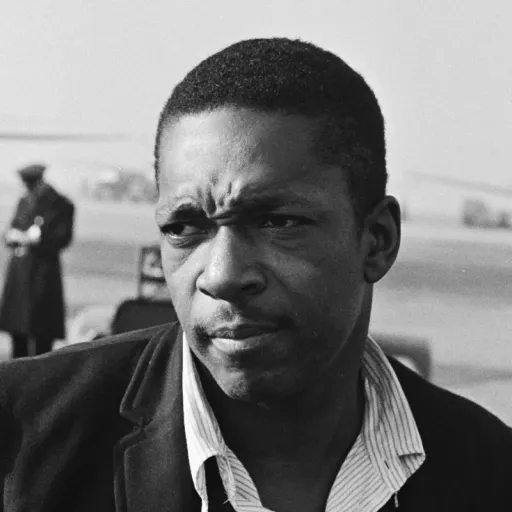
0Coltrane's spiritual quest through the saxophone produced 'A Love Supreme,' a four-part suite of such intensity it's treated as scripture by musicians. His 'sheets of sound' technique and later free-jazz explorations pushed harmonic and emotional boundaries further than almost an
Primary Instrument: Tenor/Soprano SaxophoneActive Years: 1955–1967Landmark Recording: A Love Supreme (1965)Influence: 10/10
added by Yourlist Editorialin 3 rankingsJohn Coltrane
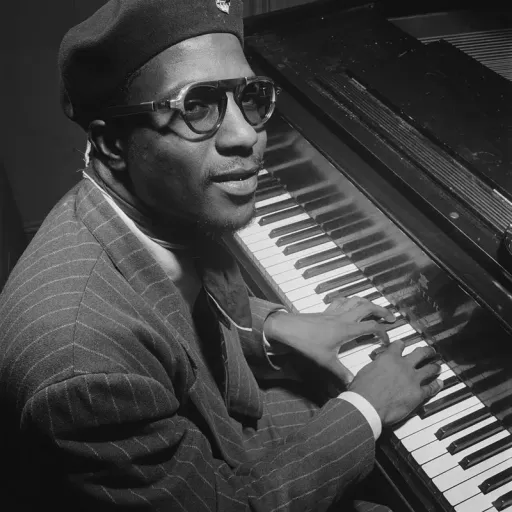
0Monk's angular, dissonant piano style sounded 'wrong' to conservative ears in the 1940s and became foundational bebop composition by the 1950s. 'Round Midnight' is now one of the most recorded jazz standards of all time. His refusal to play by convention, in both music and person
Primary Instrument: Piano, ComposerActive Years: 1940s–1982Landmark Recording: Round Midnight (1947)Influence: 9/10
added by Yourlist EditorialThelonious Monk
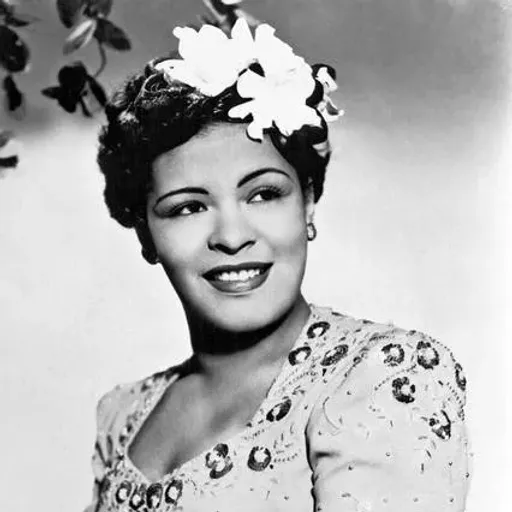
0Lady Day turned vocal phrasing into an emotional weapon, bending behind the beat to wring devastating feeling from simple lyrics. Her 1939 performance of 'Strange Fruit,' a protest song about lynching, remains one of the most politically courageous recordings in American music hi
Primary Instrument: VocalsActive Years: 1933–1959Landmark Recording: Strange Fruit (1939)Influence: 9/10
added by Yourlist Editorialin 2 rankingsBillie Holiday
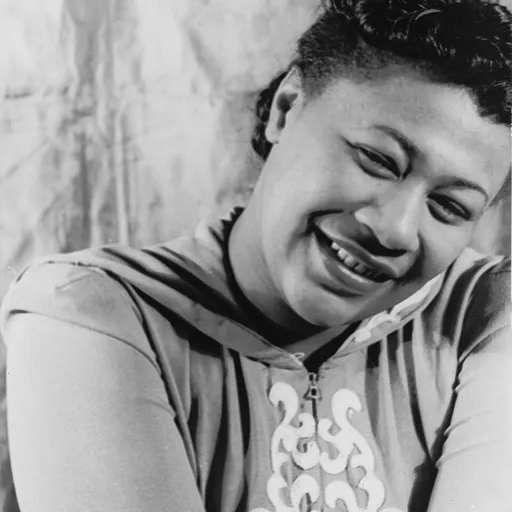
0The First Lady of Song possessed a purity of tone and scatting improvisation skill that made her the vocalist other vocalists measured themselves against. Her live 'Mack the Knife,' where she forgets the lyrics and improvises new ones on the spot, is a legendary display of quick
Primary Instrument: VocalsActive Years: 1935–1993Landmark Recording: Mack the Knife (live, 1960)Influence: 9/10
added by Yourlist Editorialin 2 rankingsElla Fitzgerald
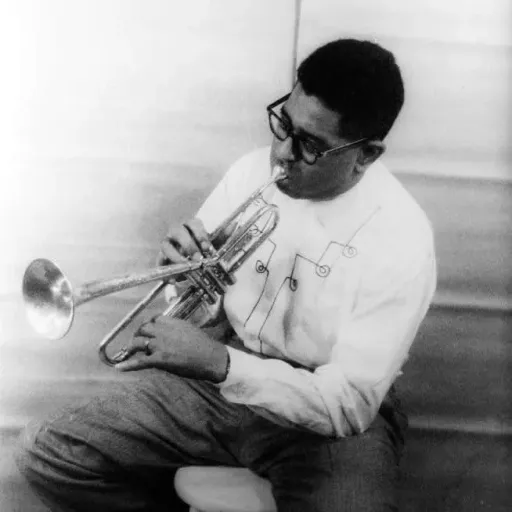
0Co-architect of bebop alongside Parker, Gillespie brought Afro-Cuban rhythms into jazz and pioneered a virtuosic, harmonically adventurous trumpet style. 'A Night in Tunisia' fused Latin rhythm with bebop harmony in a way that opened entirely new stylistic doors. His puffed cheek
Primary Instrument: TrumpetActive Years: 1937–1993Landmark Recording: A Night in Tunisia (1942)Influence: 8/10
added by Yourlist EditorialDizzy Gillespie
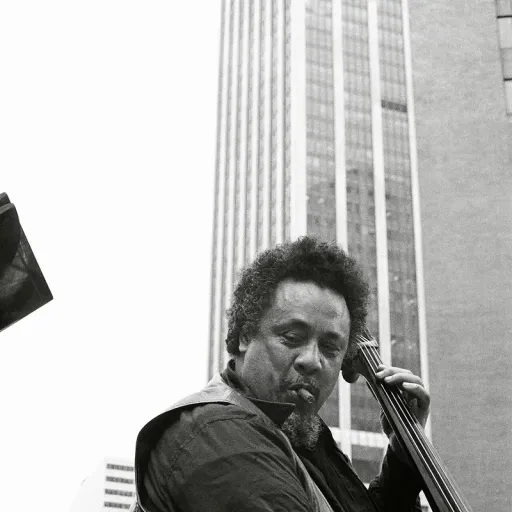
0A bassist-composer of volcanic temperament, Mingus wrote sprawling, gospel-and-blues-infused works that defied easy categorization. 'Mingus Ah Um' captures his ability to channel Ellington's grandeur through a modern, politically charged lens. His fierce advocacy for musicians' r
Primary Instrument: Double Bass, ComposerActive Years: 1940s–1979Landmark Recording: Mingus Ah Um (1959)Influence: 8/10
added by Yourlist Editorialin 2 rankingsCharles Mingus
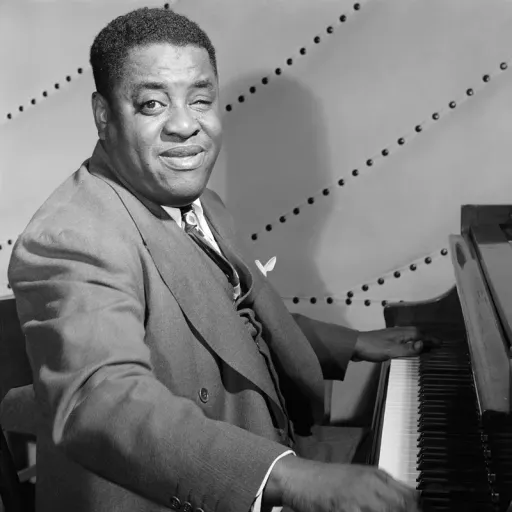
0Tatum's piano technique was so overwhelming that even classical virtuosos reportedly stood in awe watching him play. His reharmonizations of standards like 'Tiger Rag' set a bar for harmonic sophistication that influenced Bud Powell, Oscar Peterson, and nearly every jazz pianist
Primary Instrument: PianoActive Years: 1920s–1956Landmark Recording: Tiger Rag (1933)Influence: 8/10
added by Yourlist EditorialArt Tatum
0Evans brought impressionist harmony and introspective lyricism to jazz piano, reshaping the genre's emotional palette on 'Kind of Blue' before leading his own trio. 'Waltz for Debby' showcases the interactive, conversational trio format he pioneered with bassist Scott LaFaro. His
Primary Instrument: PianoActive Years: 1955–1980Landmark Recording: Waltz for Debby (1961)Influence: 8/10
added by Yourlist EditorialBill Evans
0Rollins built entire improvisations out of a single melodic idea, a technique heard fully formed on 'Saxophone Colossus.' His mid-career sabbaticals, including famously practicing alone on the Williamsburg Bridge, became jazz folklore about artistic self-scrutiny. Living into his
Primary Instrument: Tenor SaxophoneActive Years: 1949–2012Landmark Recording: Saxophone Colossus (1956)Influence: 8/10
added by Yourlist EditorialSonny Rollins
0Hancock moved fluidly from Miles Davis's acoustic quintet to electric funk-fusion to hip-hop crossover, never losing critical or commercial relevance. 'Head Hunters' proved jazz could groove as hard as funk while remaining harmonically adventurous. His genre-crossing longevity ma
Primary Instrument: Piano, KeyboardsActive Years: 1960–presentLandmark Recording: Head Hunters (1973)Influence: 8/10
added by Yourlist EditorialHerbie Hancock
0Coleman's 'harmolodic' approach ditched fixed chord changes altogether, and 'The Shape of Jazz to Come' announced free jazz as a legitimate, radical new direction. His white plastic saxophone and unconventional theory divided critics for decades. Love him or hate him, no one deni
Primary Instrument: Alto SaxophoneActive Years: 1958–2014Landmark Recording: The Shape of Jazz to Come (1959)Influence: 7/10
added by Yourlist EditorialOrnette Coleman
0Montgomery's thumb-picked octave technique gave jazz guitar a warm, singing tone that became the genre's new standard. 'Full House' captures his effortless swing and blues-drenched soul in a live setting. Though his career was tragically short, his self-taught style still defines
Primary Instrument: GuitarActive Years: 1957–1968Landmark Recording: Full House (1962)Influence: 7/10
added by Yourlist EditorialWes Montgomery
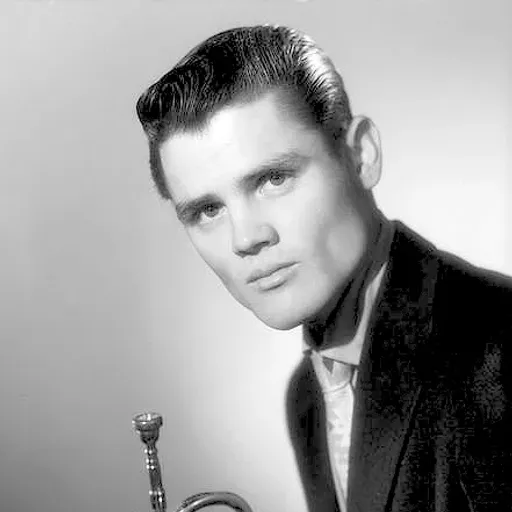
0Baker's cool, breathy trumpet tone and hushed vocals on songs like 'My Funny Valentine' epitomized West Coast cool jazz's understated elegance. His matinee-idol looks and heroin addiction created a tragic, cinematic arc that's inspired multiple biopics. Despite personal turmoil,
Primary Instrument: Trumpet, VocalsActive Years: 1952–1988Landmark Recording: My Funny Valentine (1954)Influence: 6/10
added by Yourlist EditorialChet Baker
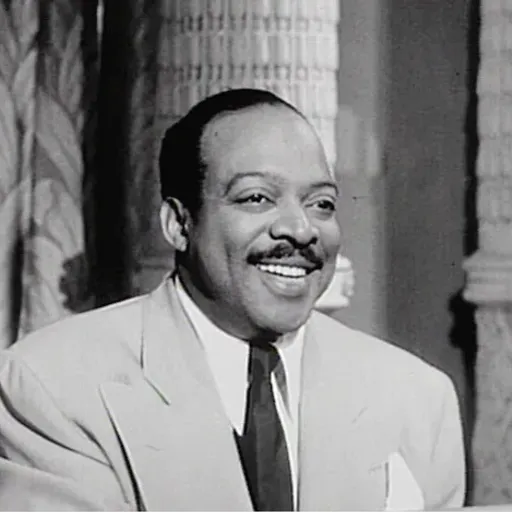
0Basie's economical piano style and unstoppable big-band swing on 'One O'Clock Jump' made the Kansas City sound a national phenomenon. His 'less is more' philosophy at the keyboard proved restraint could swing as hard as flash. For over four decades his orchestra remained one of t
Primary Instrument: Piano, BandleaderActive Years: 1930s–1984Landmark Recording: One O'Clock Jump (1937)Influence: 8/10
added by Yourlist EditorialCount Basie
0