Greatest men's tennis players of all time
Tennis has produced legends whose rivalries, records, and sheer artistry on court have captivated fans for generations. From Grand Slam titles to unforgettable clutch performances, the debate over who truly stands as the greatest of all time is one that never settles. Now it's your turn to weigh in—cast your vote and help crown the GOAT.
What counts: Seeded with approximate real-world figures — the crowd's votes decide the order from here.
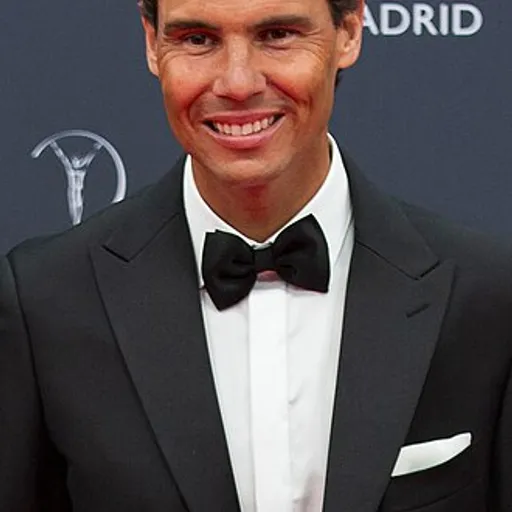
Rafael Nadal▲ Rising
Fourteen French Open titles is not a record, it's a geological formation—an act of dominance on one surface so total it borders on the absurd. But it's the 2008 Wimbledon final against Federer, won in fading light after nearly five hours, that proved his violence and grinding topspin could conquer grass too. He rewired what fighting spirit looks like in tennis, playing every point like his last.
Grand Slams: 22—: 0
added by IJRin 4 rankingsRafael Nadal
30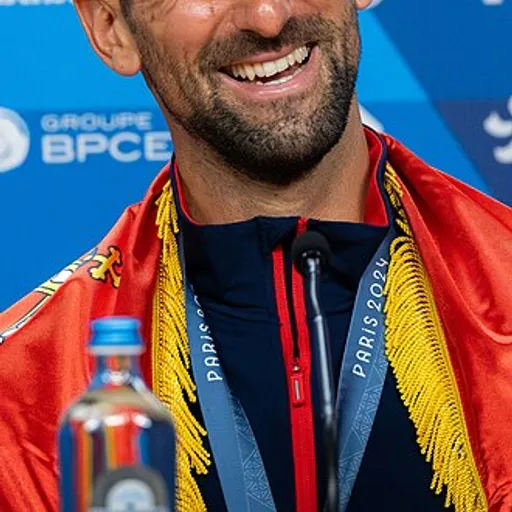
Novak Djokovic▲ Rising
He turned himself into a human wall from Belgrade, grinding down Federer and Nadal in their primes until the record book bent to his will—24 majors, the head-to-head edge over both rivals, and a career Golden Masters no one else owns. The 2019 Wimbledon final, saving championship points against Federer in a match tiebreak, is the purest distillation of his refusal to lose. Love him or not, the numbers stopped being an argument years ago.
Grand Slams: 24—: 0
added by IJRin 4 rankingsNovak Djokovic
23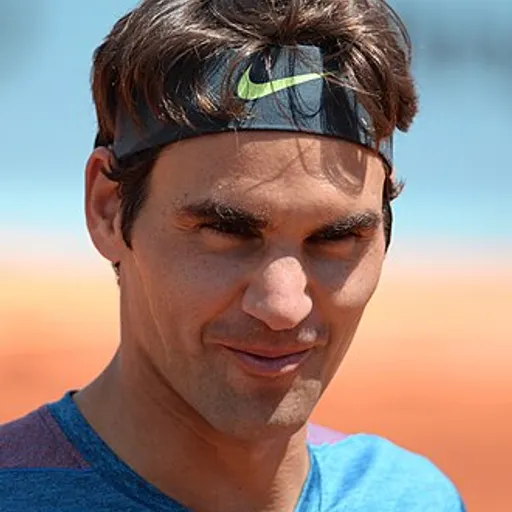
Roger Federer▲ Rising
He made brutality look like ballet, gliding to 20 majors with a game so fluid that opponents seemed to be playing a different, clumsier sport. The 2008 Wimbledon final loss to Nadal, five sets in the dark, revealed the human beneath the artistry, but it's the 2017 Australian Open comeback at 35 that sealed the romance—proof that beauty could still win. For a generation, he was the argument for tennis as art.
Grand Slams: 20—: 0
added by IJRin 5 rankingsRoger Federer
8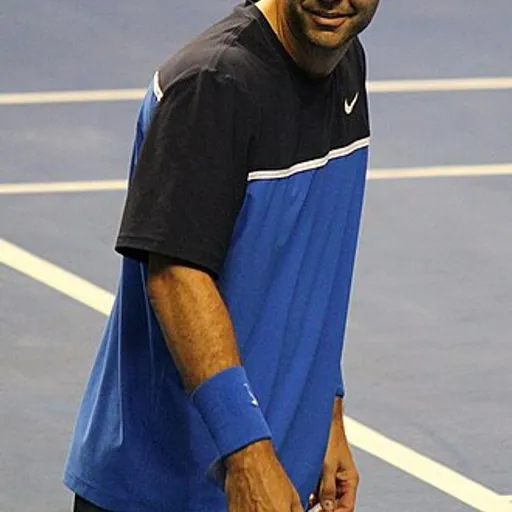
Fourteen Grand Slams and a serve-and-volley game so ruthless it made Wimbledon feel like his personal driveway, Sampras closed out the 90s as the sport's coldest assassin. The 1996 US Open quarterfinal where he vomited on court against Alex Corretja and still won captures the sheer stubborn will behind the pretty numbers. He retired on top, winning his last major at Flushing Meadows in 2002, refusing to let anyone see him fade.
Grand Slams: 14—: 0
added by IJRin 2 rankingsPete Sampras
5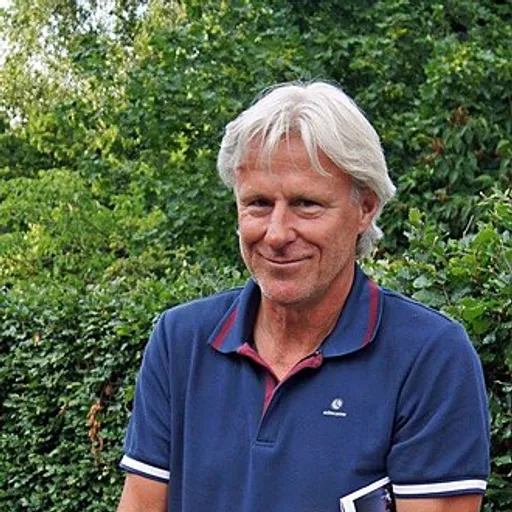
Björn Borg
Eleven majors by age 25, an icy Swede who won five straight Wimbledons and six French Opens with a game built on unnatural topspin and even more unnatural calm. The 1980 Wimbledon final tiebreak against McEnroe, 18-16, is still the sport's gold standard for drama, two styles and temperaments colliding at the net of history. Then he simply walked away at 26, a ghost story that only deepens the legend.
Grand Slams: 11—: 0
added by IJRin 2 rankings
5
Rod Laver▼ Falling
The only man to win the calendar Grand Slam twice, in 1962 and again in 1969 after tennis went Open, Laver's résumé is a relic from an era when amateurs and pros lived in separate universes he conquered anyway. Left-handed, compact, and devastating off both wings, he set a template for all-court dominance before anyone had modern racquets or sports science. His name on the Australian Open's main stadium isn't nostalgia, it's a reminder of tennis's first true GOAT case.
Grand Slams: 11—: 0
added by IJRin 3 rankingsRod Laver
-12
John McEnroe▼ Falling
Seven majors barely explain him; it's the fury, the touch, and that impossible lefty serve-volley game that made McEnroe the most electric shot-maker of his era. The 1980 Wimbledon final tiebreak against Borg remains a religious text for tennis obsessives, a masterpiece of nerve wrapped inside a war of contrasting temperaments. He belongs on this list not just for winning, but for making people feel something every time he stepped on court, for better or worse.
Grand Slams: 7—: 0
added by IJRin 4 rankingsJohn McEnroe
-18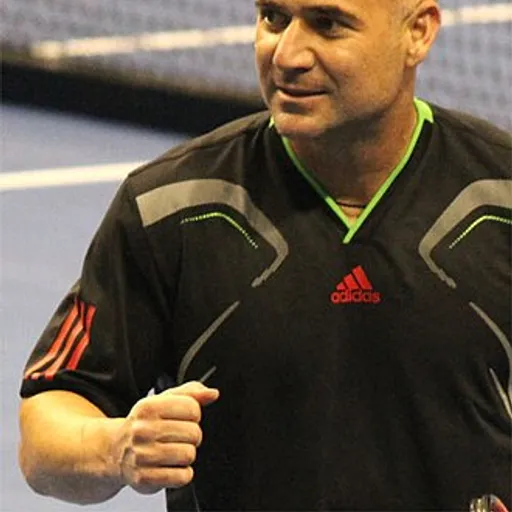
Andre Agassi▼ Falling
He went from denim shorts and neon rebellion to world No. 1 to outside the top 100 and back to No. 1 again, a career arc no algorithm would ever predict. Winning the career Grand Slam on four different surfaces, capped by the 1999 French Open title after nearly quitting the sport, made him tennis's great redemption story. Agassi's place here isn't just the titles—it's proving that talent and reinvention can outlast anyone's early doubts, including his own.
Grand Slams: 8—: 0
added by IJRin 4 rankingsAndre Agassi
-29
Keep ranking
Comments (9)
Free account · your comment posts right after signup
You can't compare eras like this, but here we are, and I love it.
No debate for me — Novak Djokovic at the top is exactly right.
- PPriya ReyesJul 28, 2026
Rings aren't everything, look at the supporting casts.
- ZZack MuellerJul 29, 2026
Longevity has to count for more than peak. This order underrates it.
- NNoah VasquezJul 28, 2026
The eye test and the stats finally agree on this one.