
Greatest Movie Monsters of All Time
From lumbering giants to shadow-dwelling nightmares, movie monsters have haunted our imaginations and box offices for nearly a century, shaping how we define fear itself on screen. These creatures endure not just because they terrify, but because they reveal something about the eras and anxieties that birthed them. Now it's your turn to settle the debate — cast your vote for the greatest movie monster of all time.
What counts: Ranking reflects cultural impact, box-office/franchise longevity, and scariness as commonly perceived; debut year, franchise film count, and quality rating are approximate and drawn from general consensus, not exact studio figures.
The giant ape who climbed the Empire State Building in 1933 practically invented the modern monster blockbuster, blending pathos with spectacle. Kong's tragic love for Ann Darrow made him monstrous yet sympathetic, a template countless monsters would follow. Nearly a century late
Debut Year: 1933Franchise Films: 12Scare Factor: 6/10Cultural Impact: 10/10
added by Yourlist EditorialKing Kong
0Born from atomic-age anxiety in 1954, Godzilla evolved from radioactive menace to reluctant Earth-defender across 70 years and dozens of films. His roar and rampage through Tokyo remain cinema's most iconic kaiju moment. No monster has a longer, more prolific screen career.
Debut Year: 1954Franchise Films: 38Scare Factor: 7/10Cultural Impact: 10/10
added by Yourlist Editorialin 3 rankingsGodzilla
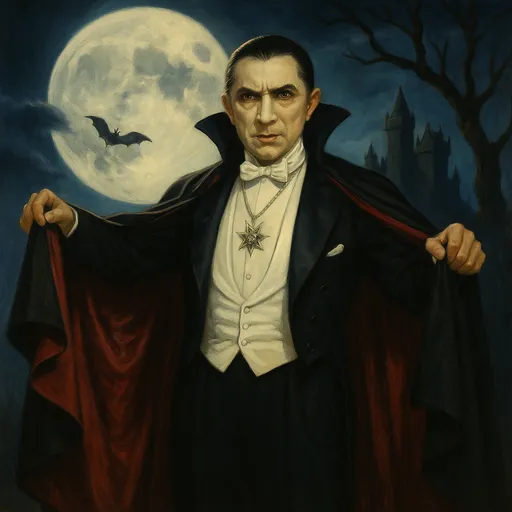
0Dracula (Universal/Bela Lugosi)
Lugosi's 1931 Count Dracula gave the vampire his iconic cape, accent, and hypnotic stare, defining movie vampirism for generations. His calm menace at the top of that staircase remains a horror touchstone. Every vampire since owes him royalties.
Debut Year: 1931Franchise Films: 10Scare Factor: 6/10Cultural Impact: 9/10
added by Yourlist EditorialDracula
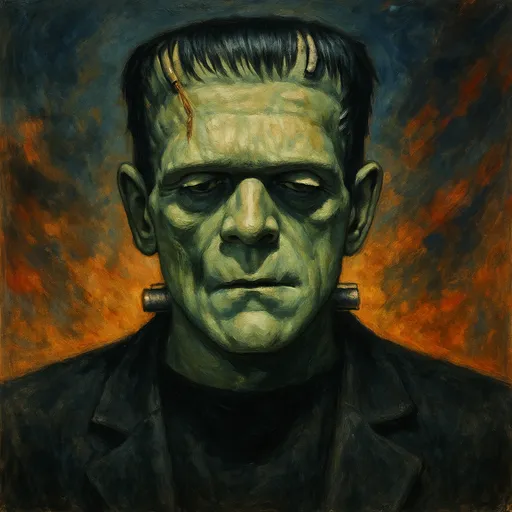
0Boris Karloff's 1931 creature turned a patchwork corpse into cinema's most tragic monster, all lumbering gait and childlike confusion. The lightning-animated birth scene and the tender-turned-deadly encounter with the little girl by the lake cemented his pathos. He's the monster
Debut Year: 1931Franchise Films: 8Scare Factor: 6/10Cultural Impact: 9/10
added by Yourlist EditorialFrankenstein's monster
0Ridley Scott's 1979 biomechanical nightmare, designed by H.R. Giger, redefined sci-fi horror with its chestburster and facehugger life cycle. It's a perfect killing machine with acid blood and no motive beyond survival, terrifying because it's utterly alien. The chestburster dinn
Debut Year: 1979Franchise Films: 8Scare Factor: 9/10Cultural Impact: 9/10
added by Yourlist Editorial
0Spielberg's barely-seen great white turned 1975 beachgoers into landlubbers and invented the summer blockbuster in the process. That two-note John Williams theme is scarier than most monsters' full appearances. Proof that what you don't show can be the most terrifying thing of al
Debut Year: 1975Franchise Films: 4Scare Factor: 8/10Cultural Impact: 9/10
added by Yourlist Editorial
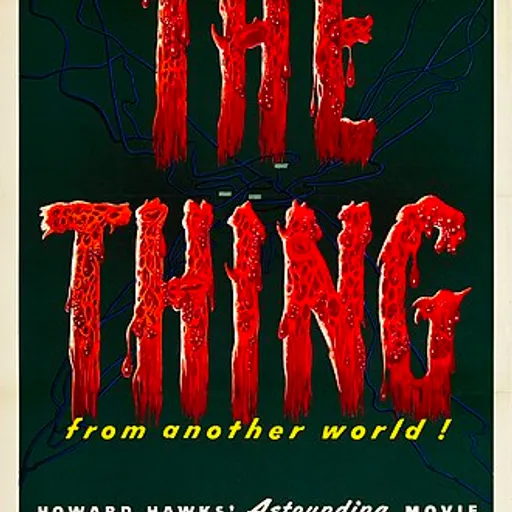
0John Carpenter's 1982 shape-shifting alien turns an Antarctic research team into a paranoid nightmare where anyone could be the monster. The practical effects during the transformation scenes still make audiences squirm decades later. It's monster-as-mystery, weaponizing distrust
Debut Year: 1982Franchise Films: 2Scare Factor: 9/10Cultural Impact: 8/10
added by Yourlist Editorialin 4 rankingsThe Thing
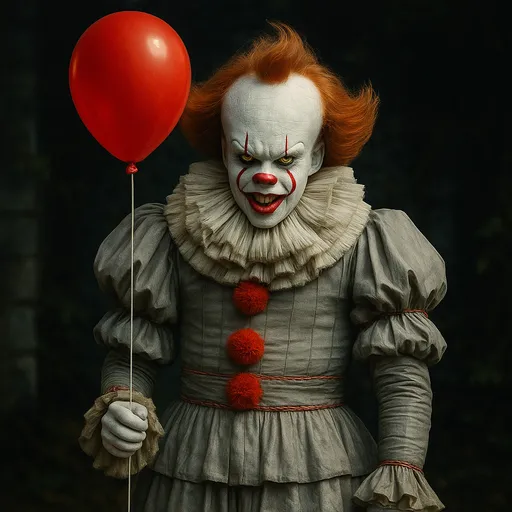
0Stephen King's shapeshifting clown, memorably brought to screen by Tim Curry in 1990 and Bill Skarsgård in 2017, turned childhood fear of clowns into a cultural phenomenon. The storm-drain 'You'll float too' scene is instantly recognizable horror iconography. Few monsters have so
Debut Year: 1990Franchise Films: 2Scare Factor: 8/10Cultural Impact: 8/10
added by Yourlist EditorialPennywise
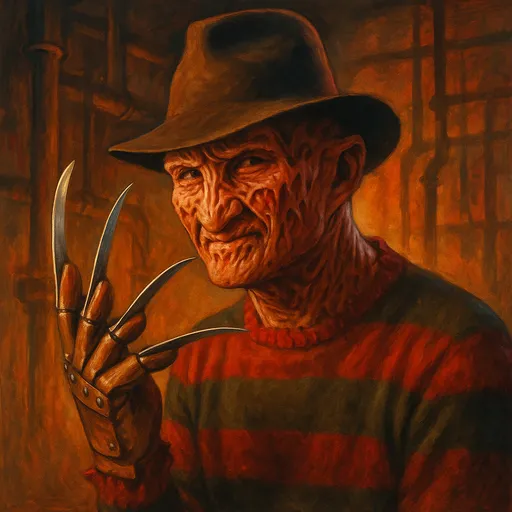
0The burned dream-stalker of 1984's A Nightmare on Elm Street brought wit and nightmare logic together, killing teens in their sleep with a razor glove. Freddy's blend of horror and dark humor made him horror's most quotable villain. He proved monsters could headline a franchise o
Debut Year: 1984Franchise Films: 9Scare Factor: 7/10Cultural Impact: 9/10
added by Yourlist Editorialin 5 rankingsFreddy Krueger
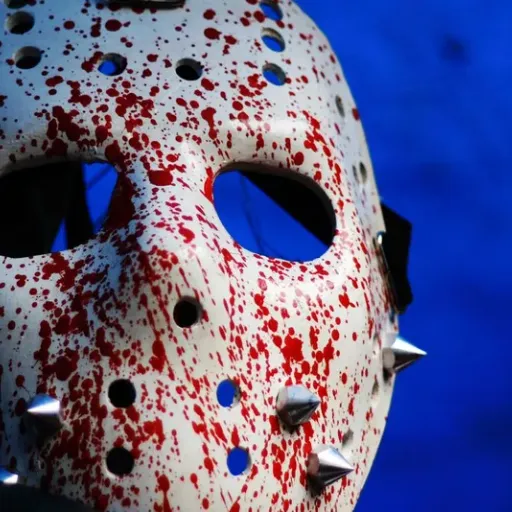
0The hockey-masked, machete-wielding killer from Crystal Lake became slasher cinema's most durable boogeyman since 1980, dying and returning film after film. He's less a character than an unstoppable force of vengeance for his drowned childhood. Camp counselors everywhere still fe
Debut Year: 1980Franchise Films: 12Scare Factor: 7/10Cultural Impact: 8/10
added by Yourlist Editorialin 4 rankingsJason Voorhees
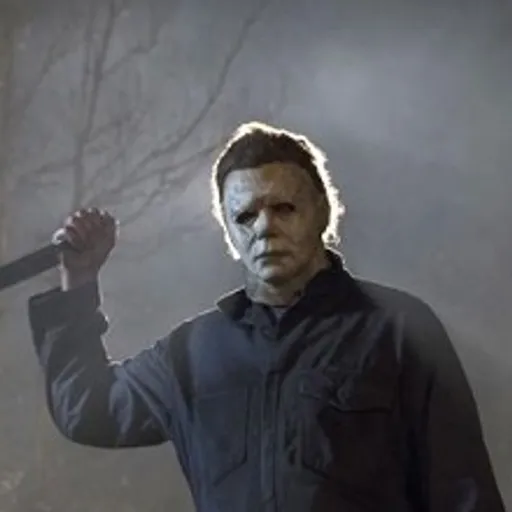
0John Carpenter's blank-masked embodiment of pure evil stalked Haddonfield in 1978's Halloween, walking rather than running because he never needed to hurry. His unblinking mask and Carpenter's minimalist score made 'The Shape' the template for the slasher genre. He's terrifying p
Debut Year: 1978Franchise Films: 13Scare Factor: 8/10Cultural Impact: 8/10
added by Yourlist Editorialin 4 rankingsMichael Myers
0Lon Chaney Jr.'s tortured 1941 lycanthrope brought tragedy to monster movies, a cursed man helpless against the full moon transformation. The gradual on-screen change from man to beast was groundbreaking makeup effects for its era. He established werewolves as sympathetic monster
Debut Year: 1941Franchise Films: 6Scare Factor: 5/10Cultural Impact: 7/10
added by Yourlist EditorialThe Wolf Man
0A gelatinous alien mass that consumed everything in its path in 1958, The Blob turned a simple premise into cult classic terror with no face, no motive, just relentless growth. Its slow, inescapable spread through a small town made mundane spaces feel deadly. It remains a beloved
Debut Year: 1958Franchise Films: 2Scare Factor: 4/10Cultural Impact: 6/10
added by Yourlist EditorialThe Blob
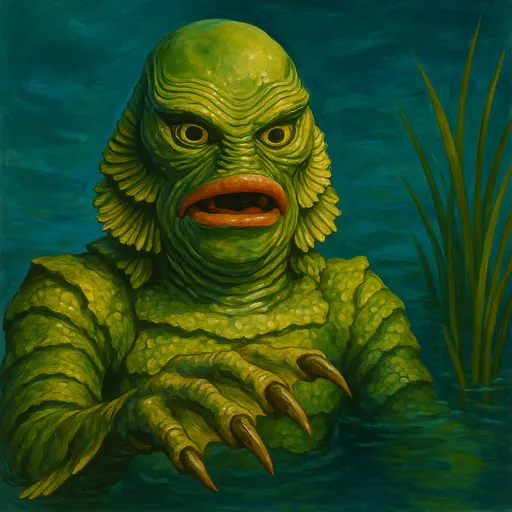
0Gill-man (Creature from the Black Lagoon)
This 1954 amphibious humanoid brought Universal's classic monster era into 3D, stalking a lagoon with tragic, almost romantic menace toward its human captive. The underwater ballet-like swimming scenes are eerily beautiful and unsettling in equal measure. He's the missing link be
Debut Year: 1954Franchise Films: 3Scare Factor: 5/10Cultural Impact: 6/10
added by Yourlist EditorialGill-man
0A serial killer's soul trapped in a Good Guy doll made 1988's Child's Play deliciously absurd and genuinely unsettling, weaponizing childhood innocence itself. Chucky's foul-mouthed one-liners and knife-wielding rampages built a devoted cult franchise. Few monsters have made a to
Debut Year: 1988Franchise Films: 8Scare Factor: 6/10Cultural Impact: 7/10
added by Yourlist Editorialin 3 rankingsChucky
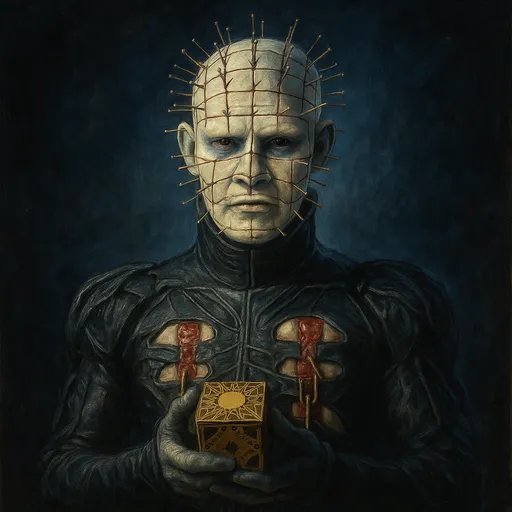
0Clive Barker's 1987 Cenobite leader, all leather, chains, and pins, brought BDSM-inflected body horror to a genre that had rarely gone there. His calm, philosophical delivery of pain and pleasure made him uniquely disturbing among slasher-era monsters. Pinhead proved monsters cou
Debut Year: 1987Franchise Films: 10Scare Factor: 7/10Cultural Impact: 6/10
added by Yourlist EditorialPinhead
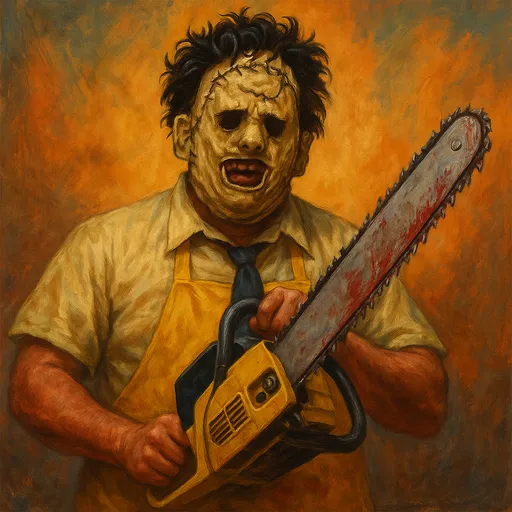
0The chainsaw-wielding, mask-wearing cannibal of 1974's The Texas Chain Saw Massacre brought raw, grimy terror rooted in real-life killer Ed Gein. His lumbering pursuit and that final chainsaw dance at dawn remain visceral horror high points. Leatherface made rural Americana feel
Debut Year: 1974Franchise Films: 9Scare Factor: 7/10Cultural Impact: 7/10
added by Yourlist Editorialin 2 rankingsLeatherface
0An alien big-game hunter stalking Schwarzenegger's commandos through the jungle in 1987 gave sci-fi horror a monster with honor and technology on its side. Its cloaking device and trophy-taking rituals made it feel like a worthy, terrifying adversary rather than a mindless beast.
Debut Year: 1987Franchise Films: 7Scare Factor: 7/10Cultural Impact: 7/10
added by Yourlist EditorialThe Predator
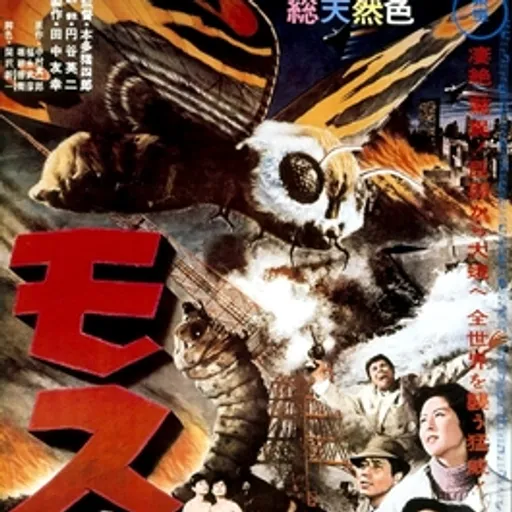
0Godzilla's gentle giant rival since 1961, this colossal moth deity brings a rare note of benevolence and mysticism to the kaiju pantheon. Her twin fairy priestesses and haunting song set her apart from the destruction-first monsters around her. Mothra proved a movie monster could
Debut Year: 1961Franchise Films: 10Scare Factor: 3/10Cultural Impact: 6/10
added by Yourlist EditorialMothra
0