
Greatest Productivity Tools Ever Made
Since the dawn of civilization, humans have been obsessed with getting more done in less time, crafting tools that transformed scattered effort into focused achievement. From the humble to-do list to powerful digital apps, these inventions have reshaped how we work, think, and organize our lives. Now it's your turn to weigh in: which productivity tool truly deserves the crown as the greatest ever made?
What counts: Ranked by lasting impact on how people work, breadth of adoption, and cultural staying power; all years, prices, and adoption figures are approximate and meant as rough historical context rather than precise data.
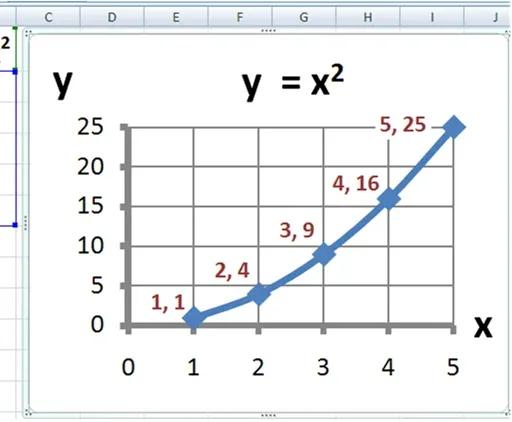
Launched in 1985 to unseat Lotus 1-2-3, Excel didn't just win the spreadsheet wars — it became the default operating system for global finance, logistics, and small-business bookkeeping. Its 2007 ribbon redesign and endless macro/VBA depth turned it into both a beginner's tool an
Year Introduced: 1985Category: SpreadsheetStarting Price: 7 $/moImpact Rating: 9.5/10
added by Yourlist EditorialMicrosoft Excel
0Since 1998, Google Search has been the single most-used productivity tool on Earth simply by answering questions faster than any human could look them up. It compressed research time from hours in a library to seconds at a keyboard, making it arguably the most quietly transformat
Year Introduced: 1998Category: Search EngineStarting Price: 0 $/moImpact Rating: 9.5/10
added by Yourlist Editorialin 2 rankingsGoogle Search
0Gmail's 2004 invite-only launch, with its then-shocking 1GB of storage, killed the era of deleting emails to save space and made searchable, threaded conversation the norm. It quietly became the backbone of billions of daily workflows via free G Suite adoption in schools and star
Year Introduced: 2004Category: EmailStarting Price: 0 $/moImpact Rating: 8.5/10
added by Yourlist Editorialin 7 rankingsGmail
0Slack turned internal email chains into searchable, channel-based chatter starting in 2013, and in doing so it basically invented modern remote-work culture. Its rise forced Microsoft to build Teams just to compete, cementing Slack's spot as the tool that made 'let's take this of
Year Introduced: 2013Category: Team ChatStarting Price: 0 $/moImpact Rating: 8/10
added by Yourlist Editorialin 2 rankingsSlack
0Trello popularized the Kanban board for knowledge workers in 2011, taking a Toyota factory-floor concept and making it drag-and-drop simple for anyone planning a wedding or a sprint. Its cult following proved visual task management could beat spreadsheets for teams that think in
Year Introduced: 2011Category: Task/Kanban BoardStarting Price: 0 $/moImpact Rating: 7.5/10
added by Yourlist EditorialTrello
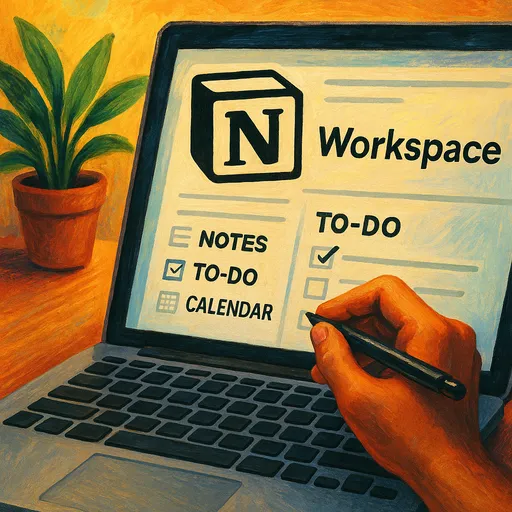
0Notion arrived in 2016 promising to replace docs, wikis, and databases with one flexible canvas, and by the early 2020s it had become the default workspace for startups and students alike. Its all-in-one ambition — half word processor, half database — made it the defining product
Year Introduced: 2016Category: All-in-One WorkspaceStarting Price: 0 $/moImpact Rating: 8.3/10
added by Yourlist Editorialin 2 rankingsNotion
0Word debuted in 1983 and went on to standardize the digital document itself — the .doc format became so dominant that 'Word compatible' was a checkbox on every rival for decades. It turned typewriters into relics and made track changes and spellcheck the baseline expectation for
Year Introduced: 1983Category: Word ProcessorStarting Price: 7 $/moImpact Rating: 9/10
added by Yourlist EditorialMicrosoft Word
0Google Docs, launched in 2006, made real-time collaborative editing feel normal years before most people had heard of 'the cloud,' killing the nightmare of emailing 'FINAL_v3_reallyfinal.docx' back and forth. It proved productivity software could live entirely in a browser tab, r
Year Introduced: 2006Category: Word ProcessorStarting Price: 0 $/moImpact Rating: 8.5/10
added by Yourlist EditorialGoogle Docs
0Evernote's 2008 promise to 'remember everything' made it the first mainstream digital second brain, letting people clip web pages, scribble notes, and photograph receipts into one searchable archive. Its early dominance faded as Notion and Apple Notes caught up, but it defined th
Year Introduced: 2008Category: Note-TakingStarting Price: 0 $/moImpact Rating: 7/10
added by Yourlist Editorialin 3 rankingsEvernote
0Todoist has quietly run since 2007 as the to-do app power users actually stick with, thanks to natural-language due dates and a karma-point gamification system that keeps people opening it daily. It's the anti-hype productivity tool — no big redesigns, just relentless reliability
Year Introduced: 2007Category: To-Do ListStarting Price: 0 $/moImpact Rating: 7.2/10
added by Yourlist EditorialTodoist
0Co-founded in 2008 by Facebook's Dustin Moskovitz, Asana brought Silicon Valley's internal project-tracking rigor to the rest of the corporate world, betting that 'work about work' could be eliminated with the right task graph. It became a fixture of marketing and ops teams who o
Year Introduced: 2008Category: Project ManagementStarting Price: 0 $/moImpact Rating: 7.3/10
added by Yourlist EditorialAsana
0Zoom existed quietly since 2013 until March 2020 turned it into a household verb overnight, as it became the literal infrastructure of remote work, school, and even weddings during the pandemic. Its one-click reliability, when rivals stumbled, made it the single most consequentia
Year Introduced: 2013Category: Video ConferencingStarting Price: 0 $/moImpact Rating: 8.2/10
added by Yourlist Editorialin 4 rankingsZoom
0Dropbox's 2007 launch made 'just put it in the folder' the simplest file-sync pitch in tech history, and it single-handedly trained a generation on cloud storage before Google or Apple caught up. It's the quiet utility that ended the era of USB sticks and emailing yourself attach
Year Introduced: 2007Category: Cloud StorageStarting Price: 0 $/moImpact Rating: 7/10
added by Yourlist Editorialin 5 rankingsDropbox
0Post-it Notes
Born from a failed 1968 3M adhesive that finally found its purpose in 1980, the Post-it Note became the analog whiteboard of the modern office — the physical embodiment of the sticky, movable, disposable idea. Decades before digital kanban boards, it was already teaching the worl
Year Introduced: 1980Category: Physical Note ToolStarting Price: 5 $/moImpact Rating: 7.8/10
added by Yourlist Editorialin 2 rankings
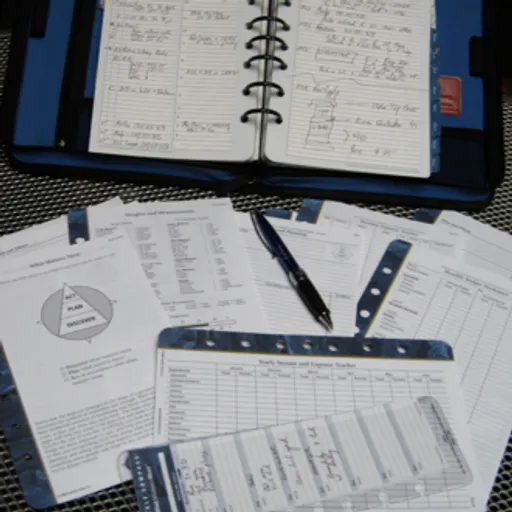
0Merging Benjamin Franklin's virtue-tracking philosophy with Stephen Covey's habits framework, the Franklin Planner turned paper time-management into a 1980s cultural phenomenon and a business-seminar staple. It's the analog ancestor every digital calendar app quietly borrowed its
Year Introduced: 1984Category: Paper Planner SystemStarting Price: 30 $/moImpact Rating: 6.5/10
added by Yourlist EditorialFranklin Planner
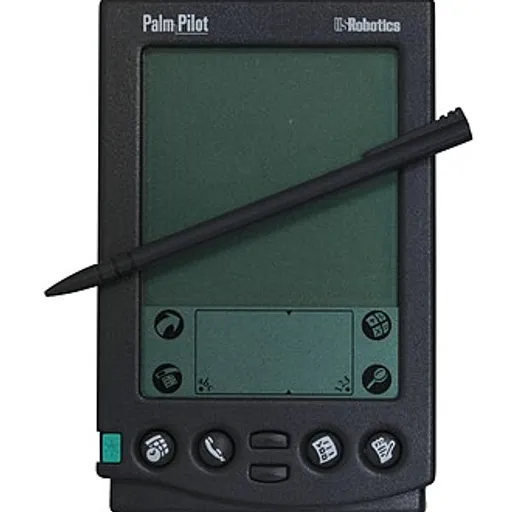
0The 1996 Palm Pilot was the first PDA people actually used daily, syncing contacts, calendars, and to-dos to a desktop years before smartphones existed. It briefly made handheld digital organization a mainstream status symbol before the iPhone rendered the entire category obsolet
Year Introduced: 1996Category: Personal Digital AssistantStarting Price: 300 $/moImpact Rating: 6.8/10
added by Yourlist EditorialPalm
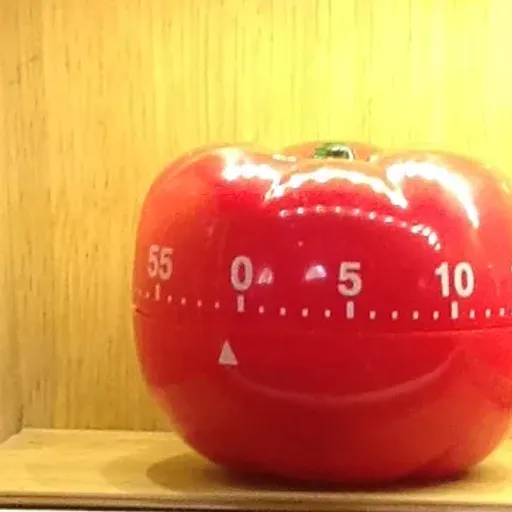
0Francesco Cirillo's 1980s invention of the 25-minute focus sprint, timed with a literal tomato-shaped kitchen timer, gave the world a free, zero-tech way to fight procrastination. It's since spawned a thousand app clones, but the core insight — work in short, deliberate bursts —
Year Introduced: 1987Category: Time Management MethodStarting Price: 0 $/moImpact Rating: 7.5/10
added by Yourlist Editorialin 2 rankingsPomodoro Technique
0Outlook's 1997 arrival bundled email, calendar, and contacts into one inbox and became the tool an entire generation of office workers judged their workday by — 'inbox zero' is basically an Outlook-era invention. Love it or resent it, it remains the default nervous system of corp
Year Introduced: 1997Category: Email/CalendarStarting Price: 7 $/moImpact Rating: 7.5/10
added by Yourlist EditorialMicrosoft Outlook
0