Greatest Search Engines in Internet History
From clunky 90s directories to the AI-infused giants of today, which search engine did the most to shape how humanity finds information? Vote and rank them for yourself.
What counts: Ranking blends historical impact, innovation, peak market share, and longevity. Peak market share and launch years are approximate, sourced from historical estimates rather than exact audited figures.
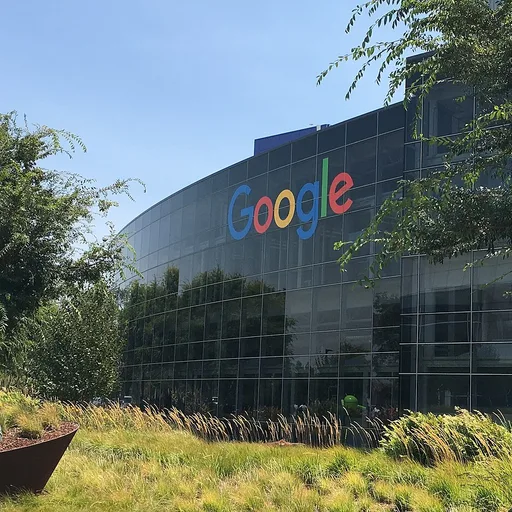
Launched from a Stanford dorm project, Google's PageRank algorithm turned link analysis into the most valuable innovation in search history, crushing incumbents within a few years. It went on to become a verb, an ad empire, and the backbone of the modern internet economy.
Launch Year: 1998Peak Market Share: 92 %Innovation Impact: 10/10Still Active Today: ✓Signature Feature: PageRank link analysis
added by Yourlist Editorialin 2 rankingsGoogle
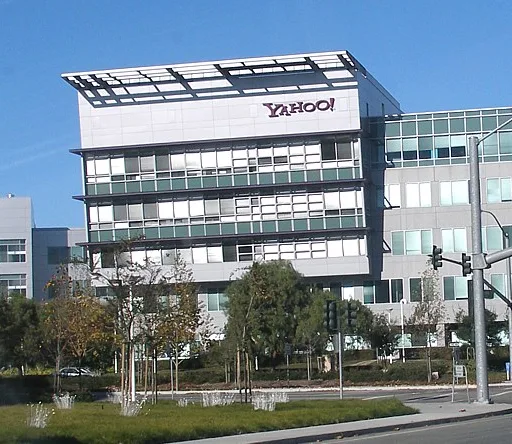
0Originally a human-curated web directory called 'Jerry and David's Guide to the World Wide Web,' Yahoo became the default home page of the 90s internet and a search juggernaut before losing its own technology edge to Google. It later outsourced its search backend, symbolizing the
Launch Year: 1994Peak Market Share: 30 %Innovation Impact: 6/10Still Active Today: ✓Signature Feature: Curated web directory
added by Yourlist EditorialYahoo! Search
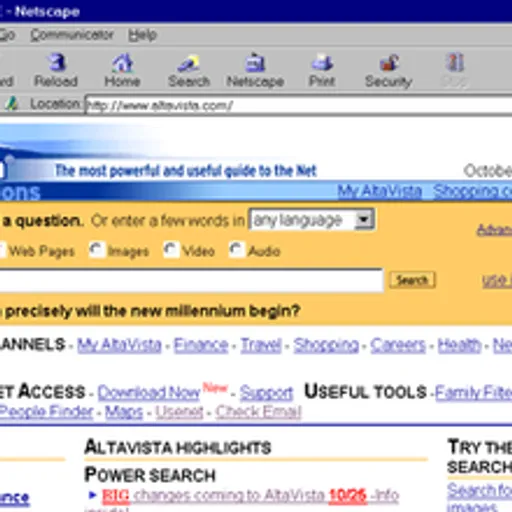
0AltaVista stunned the internet in 1995 with blazing speed and full-text indexing at a scale nobody had seen, briefly becoming the search engine power users swore by. Corporate mismanagement under Digital and later Compaq let Google eat its lunch, and it was shuttered by Yahoo in
Launch Year: 1995Peak Market Share: 25 %Innovation Impact: 8/10Still Active Today: —Signature Feature: Natural-language full-text search
added by Yourlist EditorialAltaVista
0Bing
Microsoft's answer to Google, launched after the failed Live Search rebrand, Bing carved a permanent niche via Windows and Xbox defaults and Yahoo's backend deal. Its 2023 pivot to ChatGPT-powered answers made it the first major engine to weaponize generative AI in the search war
Launch Year: 2009Peak Market Share: 8 %Innovation Impact: 6/10Still Active Today: ✓Signature Feature: AI-powered chat search
added by Yourlist Editorial
0One of the original 'big five' portals of the 90s, Lycos built its name on a massive catalog of indexed pages and a lovable Labrador mascot. It peaked as one of the most visited sites on the web before fading into portal irrelevance as algorithmic search overtook directories.
Launch Year: 1994Peak Market Share: 20 %Innovation Impact: 5/10Still Active Today: ✓Signature Feature: Large-scale web catalog
added by Yourlist EditorialLycos
0Excite pioneered concept-based search that tried to understand meaning rather than just keywords, making it a critical darling of the mid-90s. A disastrous merger with @Home and the dot-com crash destroyed the company just as search was about to explode in importance.
Launch Year: 1995Peak Market Share: 15 %Innovation Impact: 6/10Still Active Today: ✓Signature Feature: Concept-based indexing
added by Yourlist EditorialExcite
0Ask Jeeves promised to answer plain-English questions with a butler mascot, an early and charming stab at natural-language search that predated modern conversational AI by two decades. It never scaled to Google's precision and rebranded to simply 'Ask.com' as its relevance waned.
Launch Year: 1996Peak Market Share: 6 %Innovation Impact: 6/10Still Active Today: ✓Signature Feature: Natural-language Q&A
added by Yourlist EditorialAsk.com
0Backed by Wired magazine and Inktomi's crawler technology, HotBot dazzled in 1996 with its claim of being the internet's fastest and most complete index. Its garish branding and inability to keep pace with Google's relevance ranking sent it into obscurity by the early 2000s.
Launch Year: 1996Peak Market Share: 10 %Innovation Impact: 5/10Still Active Today: —Signature Feature: Fast Inktomi-powered crawling
added by Yourlist EditorialHotBot
0WebCrawler made history as one of the first engines to index full page text rather than just titles, a foundational leap that made deep web search feasible. It was absorbed by Excite and later became a simple metasearch aggregator of other engines' results.
Launch Year: 1994Peak Market Share: 5 %Innovation Impact: 7/10Still Active Today: ✓Signature Feature: Full-text page indexing
added by Yourlist EditorialWebCrawler
0Infoseek combined a clean interface with surprisingly accurate relevance ranking, and it briefly powered Disney's Go.com portal in a bid to become a mainstream household name. Disney's costly acquisition and subsequent mismanagement buried a genuinely promising engine.
Launch Year: 1994Peak Market Share: 8 %Innovation Impact: 6/10Still Active Today: —Signature Feature: Clean relevance-ranked results
added by Yourlist EditorialInfoseek
0Northern Light
A darling of librarians and researchers, Northern Light organized results into 'Custom Search Folders' and offered access to premium full-text documents years before anyone else. It never won consumer mindshare and quietly pivoted to enterprise search before disappearing.
Launch Year: 1997Peak Market Share: 3 %Innovation Impact: 7/10Still Active Today: —Signature Feature: Custom search folders
added by Yourlist Editorial
0DuckDuckGo built a devoted following by refusing to track users, turning privacy into a genuine competitive weapon against surveillance-driven search giants. Its 'bang' shortcuts and steady growth post-Snowden made it the go-to alternative for the privacy-conscious.
Launch Year: 2008Peak Market Share: 2.5 %Innovation Impact: 7/10Still Active Today: ✓Signature Feature: No user tracking
added by Yourlist EditorialDuckDuckGo
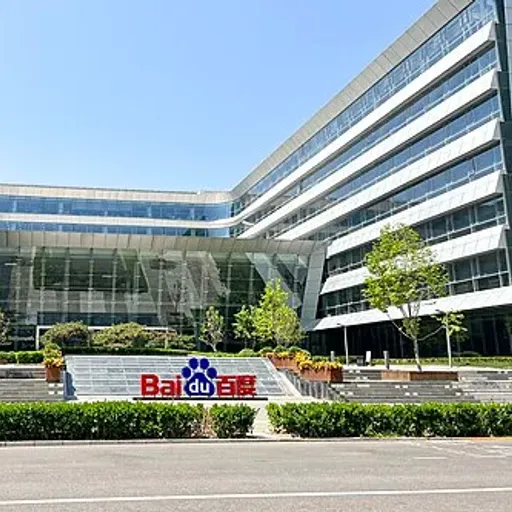
0Baidu became the dominant search engine in China by deeply understanding the Chinese language and operating within the country's regulatory framework where Google could not. It remains a cornerstone of the Chinese internet, expanding into AI and autonomous driving.
Launch Year: 2000Peak Market Share: 80 %Innovation Impact: 7/10Still Active Today: ✓Signature Feature: Chinese-language optimized search
added by Yourlist EditorialBaidu
0Yandex out-competed Google in Russia by tailoring its algorithms to the nuances of the Russian language and local culture, becoming the country's default search engine. Geopolitical turmoil since 2022 has complicated its global standing, but its regional dominance remains histori
Launch Year: 1997Peak Market Share: 60 %Innovation Impact: 6/10Still Active Today: ✓Signature Feature: Russian-language search optimization
added by Yourlist EditorialYandex
0Ecosia turned search into activism, pledging ad revenue to plant trees and claiming credit for tens of millions of trees planted worldwide. It's a niche player, but a genuinely novel proof that search engines can be values-driven businesses rather than pure attention machines.
Launch Year: 2009Peak Market Share: 0.5 %Innovation Impact: 5/10Still Active Today: ✓Signature Feature: Ad revenue funds tree planting
added by Yourlist EditorialEcosia
0Dogpile popularized the metasearch concept, aggregating results from Google, Yahoo, and Bing into a single page rather than building its own index. It never aimed for dominance but carved a lasting niche among users who wanted broader coverage in one search.
Launch Year: 1996Peak Market Share: 3 %Innovation Impact: 5/10Still Active Today: ✓Signature Feature: Aggregates multiple engines' results
added by Yourlist EditorialDogpile
0Google's PageRank-era rival: Inktomi
Inktomi never had a flashy consumer brand but quietly powered the back-end search for Yahoo, HotBot, and others, making it one of the most influential infrastructure companies of the search era. Yahoo's 2003 acquisition folded its technology into the very portal it once served.
Launch Year: 1996Peak Market Share: —Innovation Impact: 7/10Still Active Today: —Signature Feature: Backend search infrastructure licensing
added by Yourlist Editorial
0WolframAlpha
Rather than searching the web, WolframAlpha computes answers directly from curated data, pioneering the 'answer engine' concept that later influenced Google's Knowledge Graph and modern AI chat answers. It remains the gold standard for computational, factual queries.
Launch Year: 2009Peak Market Share: —Innovation Impact: 8/10Still Active Today: ✓Signature Feature: Computational answer engine
added by Yourlist Editorial
0