Greatest track and field athletes
Track and field is the purest test of human athleticism—running, jumping, and throwing distilled into contests of speed, power, and endurance that have crowned legends since the ancient Olympics. From record-shattering sprinters to dominant field-event champions, the debate over who truly reigns supreme never settles. Cast your vote and help decide the greatest track and field athlete of all time.
What counts: The crowd's votes decide the order — seeded neutral.
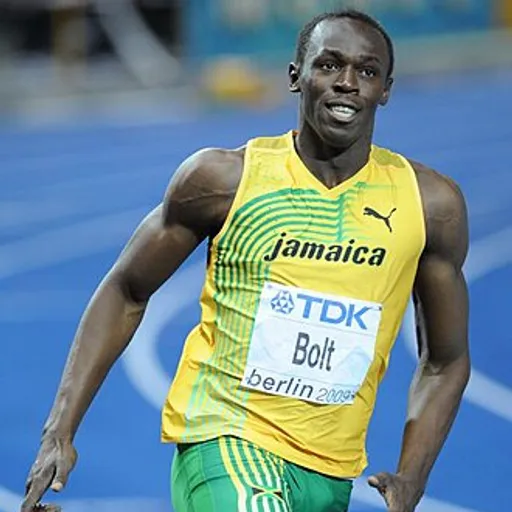
Usain Bolt▲ Rising
He turned the 100m final into a coronation, clocking a still-untouchable 9.58 in Berlin while seemingly toying with the field before that. Three straight Olympics of sprint sweeps (2008, 2012, 2016) made him the only man to ever own the 100/200 double across three Games. Bolt didn't just win races, he made global superstardom out of a event lasting under ten seconds, and that showmanship-plus-dominance combo is unmatched.
added by IJRin 8 rankingsUsain Bolt
57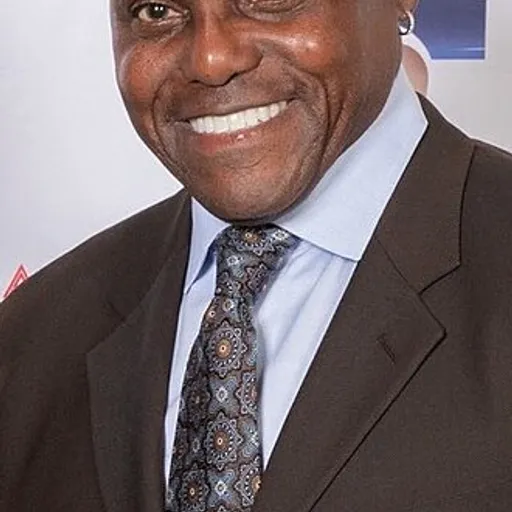
Carl Lewis▲ Rising
Nine Olympic golds spanning four Games, a long jump win streak that lasted a decade (65 straight meets), and a 100m gold in Seoul '88 handed to him after Ben Johnson's disqualification turned scandal into vindication. He matched Jesse Owens' 1936 haul of four golds in a single Olympics in 1984, doing it in the sprints and the long jump alike. Longevity at an elite level for that long, across multiple disciplines, is the case for calling him the most complete track athlete ever.
added by IJRin 4 rankingsCarl Lewis
42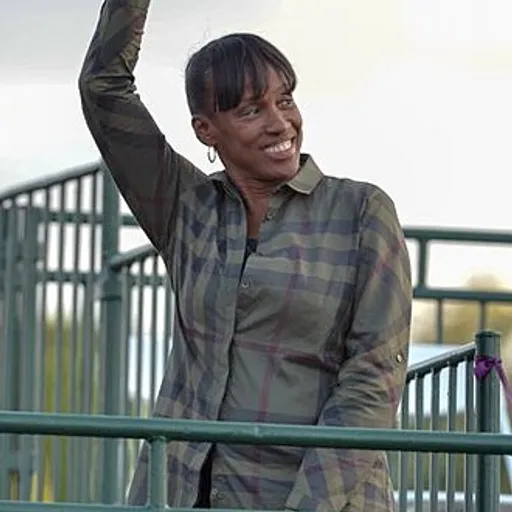
Jackie Joyner-Kersee▲ Rising
Her heptathlon world record of 7,291 points from Seoul 1988 has stood for over three decades, a testament to an athlete who mastered seven disparate events better than anyone in history. She also grabbed long jump gold and set records there, proving her heptathlon dominance wasn't a one-discipline fluke. Widely called the greatest female athlete of the 20th century by multiple outlets, her case here is about sheer versatility at an all-time peak.
added by IJRin 3 rankingsJackie Joyner-Kersee
22Michael Johnson▲ Rising
That upright, choppy stride carried him to a 200m/400m double gold at Atlanta 1996, a feat nobody had managed before, punctuated by a world record of 19.32 in the 200m that looked like a typo. He also held the 400m world record for 17 years, meaning he owned two non-adjacent sprint distances simultaneously for the better part of two decades. Johnson's argument is dominance across a range sprinters aren't supposed to double in.
added by IJRin 2 rankings
19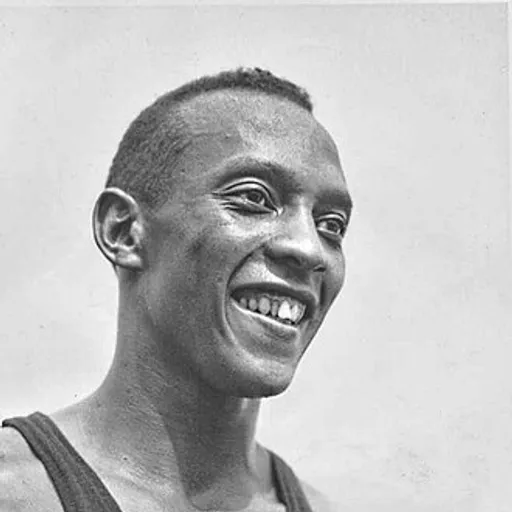
Jesse Owens▲ Rising
Four gold medals in Berlin 1936, run and jumped in Hitler's own stadium as a direct rebuke to Nazi racial ideology, remains track and field's most politically charged triumph. He also set or tied four world records in roughly 45 minutes at a Big Ten meet in 1935, a single-day feat still marveled at nearly a century later. Owens isn't just an athlete on this list, he's the sport's foundational moral moment.
added by IJRin 4 rankingsJesse Owens
13
Sergey Bubka
Bubka broke the pole vault world record 35 times across his career, a statistic so absurd it borders on self-parody, culminating in a 6.14m indoor mark that stood for over 20 years. He won six consecutive World Championship titles from 1983 to 1997, an era of dominance in a technical event that rewarded no one else so completely. His place here rests on being arguably the single most dominant specialist in any track and field event ever.
added by IJR
-3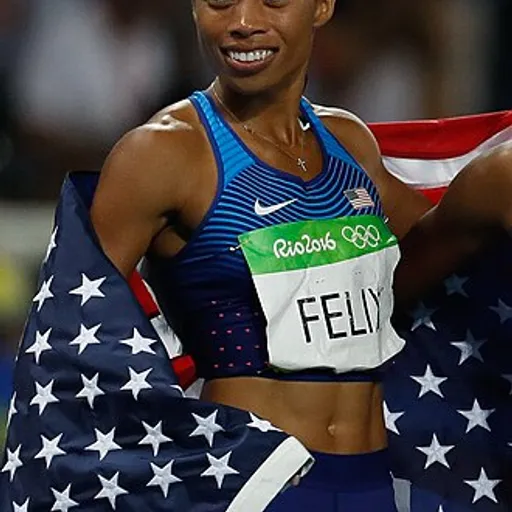
Allyson Felix▼ Falling
Eleven Olympic medals, the most ever by a track and field athlete regardless of gender, built across five Games from 2004 to 2021, spanning the 200m, 400m, and relays. She came back from a dangerous pregnancy complication to win bronze and gold in Tokyo, turning a personal health crisis into a comeback story that also pushed for maternal protections in athlete sponsorship deals. Felix's case is longevity and range: nobody has cashed in Olympic hardware across so many years and events.
added by IJRin 4 rankingsAllyson Felix
-4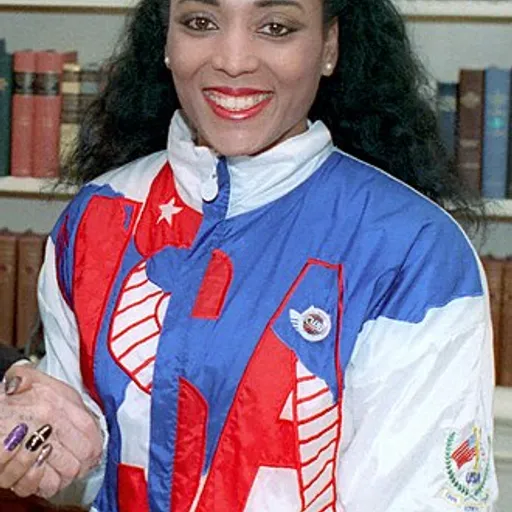
Florence Griffith Joyner▼ Falling
Flo-Jo's 1988 Seoul Olympics produced world records in the 100m (10.49) and 200m (21.34) that remain unbroken over three decades later, a gap unheard of in a sport that keeps evolving. She did it with an aesthetic all her own, flowing hair and one-legged bodysuits, turning sprinting into spectacle without sacrificing an ounce of speed. Her case is simple: nobody, male or female, has run those distances faster, and it's not particularly close.
added by IJRFlorence Griffith Joyner
-7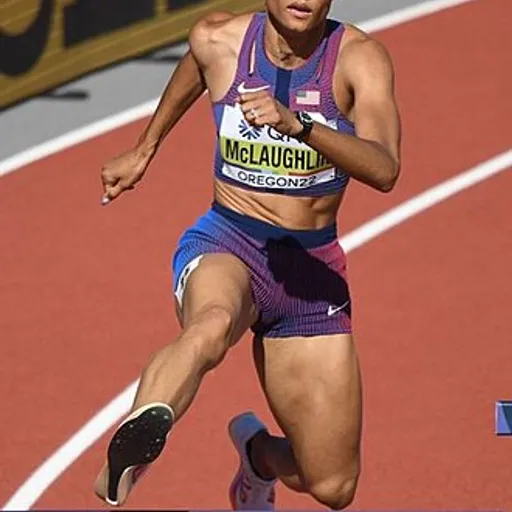
Sydney McLaughlin-Levrone▼ Falling
McLaughlin-Levrone has broken her own 400m hurdles world record five times, most recently dipping under 51 seconds at Paris 2024, a threshold once thought impossible for the event. Still in her mid-20s, she's already rewritten what the discipline's ceiling looks like, turning a technical, brutal event into her personal record-breaking playground. Her case for inclusion is about the trajectory: she may end up owning the greatest single-event record in the sport's modern history.
added by IJRSydney McLaughlin-Levrone
-13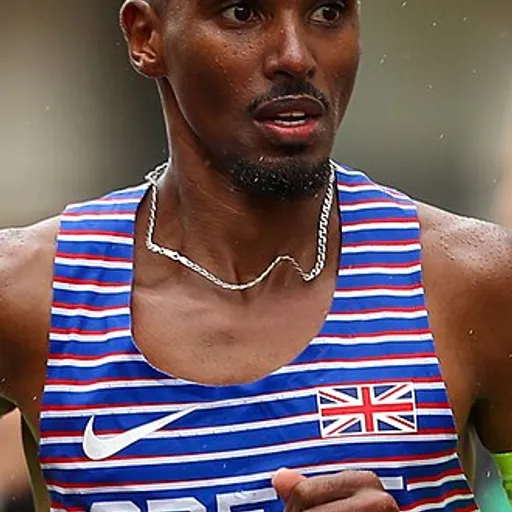
Mo Farah▼ Falling
Farah's 'Mobot' celebration became iconic after he completed the 5,000m/10,000m double at both London 2012 and Rio 2016, a feat of distance-running dominance matching only the greatest names in history. He did it via a devastating final-lap kick that turned tactical races into foregone conclusions, out-sprinting fields that knew exactly what was coming and still couldn't stop it. His case is a golden era of British distance running he single-handedly authored.
added by IJRin 2 rankingsMo Farah
-34
Keep ranking
Comments (11)
Free account · your comment posts right after signup
Longevity has to count for more than peak. This order underrates it.
You can't compare eras like this, but here we are, and I love it.
The eye test and the stats finally agree on this one.
Rings aren't everything, look at the supporting casts.
- RRaj LindqvistJul 27, 2026
Put some respect on the defensive end of this argument.