Most loved fitness apps
Fitness apps have transformed how millions of people work out, track progress, and stay motivated without ever setting foot in a gym. With so many options promising to be your pocket personal trainer, it's worth asking which ones truly earn a loyal following. Cast your vote and help crown the most loved fitness app!
What counts: Seeded with approximate real-world figures — the crowd's votes decide the order from here.
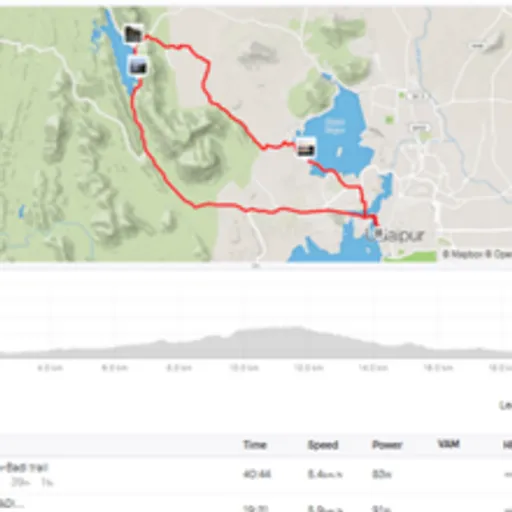
What started as a way to track rides between friends became the world's biggest bragging-rights ledger, turning every jog into a public performance with segments, kudos, and the dreaded 'local legend' crown. It didn't just log workouts—it gamified suffering itself, making PRs feel like Instagram posts and turning strangers into training rivals. No app has done more to make fitness a social sport.
Price / mo: $12Overall: 9/10
added by Yourlist Editorialin 4 rankingsStrava
106Nike Training Club
Free, no-nonsense, and stacked with actual athlete-designed workouts, NTC proved you didn't need a subscription to sweat like a pro—Nike just gave the thing away as a loss leader for shoes and somehow built a cult following anyway. It became the go-to for anyone who wanted structure without commitment, a gateway drug before the paywalled apps existed. Its legacy is proving quality fitness content could be free, and mostly still is.
Price / mo: $0Overall: 8/10
added by Yourlist Editorialin 4 rankings
52Down Dog
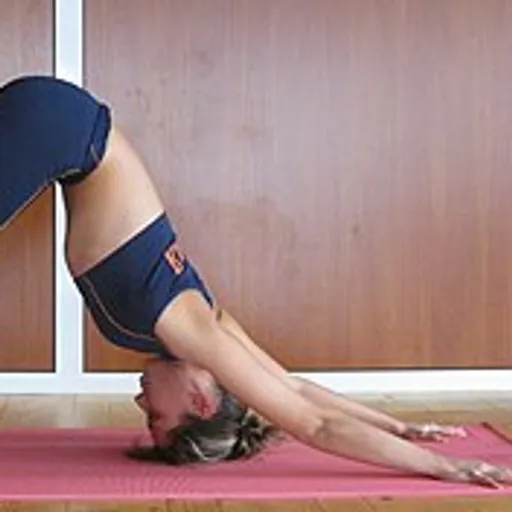
Down Dog solved yoga's biggest problem—the crushing sameness of the same 20 sequences on repeat—by algorithmically generating a fresh practice every single time, so your mat never felt like Groundhog Day. It quietly earned a devoted following among practitioners who wanted variety without a studio membership, especially when it went free during the pandemic and became a lifeline for isolated bodies. It's the thinking yogi's app: no personality cult, just endless, well-built sequencing.
Price / mo: $8Overall: 8/10
added by Yourlist Editorialin 3 rankings
38Apple did what Apple does—took a crowded category and made it feel premium, syncing real-time heart rate and rings data directly onto the screen so your effort became the graphic overlay. Trainers like Sam Sabourin turned into minor celebrities purely through the intimacy of well-shot, well-lit workouts that felt like a friend coaching you, not a fitness influencer selling something. It's the app that made hardware and software feel like one seamless motivational machine.
Price / mo: $10Overall: 8/10
added by Yourlist Editorialin 4 rankingsApple Fitness+
0Peloton App
Even without the $2,000 bike, the Peloton app carried the brand's real magic—the instructors, the live leaderboard, the shout-outs on your birthday ride—into any living room with a yoga mat or a pair of running shoes. It turned solitary sweat sessions into communal ones, with instructors like Robin Arzón becoming motivational icons in their own right. The app proved the community was always the product, not the bike.
Price / mo: $13Overall: 8/10
added by Yourlist Editorialin 4 rankings
0Caliber
Caliber bet against the algorithm-everything trend by pairing users with actual human coaches who program, adjust, and check in like a real trainer would, making strength training feel less like guesswork and more like coaching you could trust. It became the choice for serious lifters who wanted personalized periodization without paying $200/session in person. Its case for this list: proof that in an app-flooded market, real human expertise still commands devoted loyalty.
Price / mo: $19Overall: 7/10
added by Yourlist Editorialin 4 rankings
-49