🌍Most Powerful Countries in the World
National power shapes global events from trade wars to security alliances, determining who sets rules on technology, resources, and conflict. Economic output, military reach, and diplomatic leverage decide influence in a multipolar world. Compare the leaders and vote for the ranking you believe best reflects real-world strength.
What counts: Best means highest composite of economic scale, military projection, and diplomatic weight. Figures are approximate.
United States
The US emerged from WWII as the dominant superpower and has maintained that edge through unmatched economic output and global military bases. Its post-1991 unipolar moment and ongoing tech leadership keep it at number one despite rising challengers. Signature moment was the 2008 financial crisis response that still shaped worldwide recovery.
GDP ($T): $27Mil. Budget ($B): $886Population (M): 333UNSC Permanent: ✓Nuclear Weapons: ✓Global Influence: 9.5/10
- Largest economy and tech sector
- Global network of alliances
- unmatched carrier fleet
- Domestic political polarization
- High debt levels
- Overstretch in foreign wars
added by Yourlist Editorialin 10 rankings
66India's post-1991 liberalization produced steady growth that now positions it as the world's fastest-rising major power. Quad membership and nuclear tests in 1998 elevated its strategic profile beyond its colonial past. Its large diaspora and IT sector extend soft influence globally.
GDP ($T): $4Mil. Budget ($B): $81Population (M): 1,428UNSC Permanent: —Nuclear Weapons: ✓Global Influence: 7/10
- Young population and growth
- Democratic stability
- Strategic location vs China
- Infrastructure gaps
- Not yet UNSC permanent member
- Border tensions with neighbors
added by Yourlist Editorialin 4 rankingsRepublic of India
33Germany's export-driven economy makes it the EU's economic engine and a key NATO contributor after reunification. Its 2022 decision to boost defense spending marks a shift from post-WWII restraint.
GDP ($T): $4Mil. Budget ($B): $58Population (M): 83UNSC Permanent: —Nuclear Weapons: —Global Influence: 7.3/10
- Largest EU economy
- Engineering and manufacturing strength
- Stable democratic institutions
- Energy dependence history
- No nuclear weapons
- Limited global military role
added by Yourlist Editorialin 9 rankingsGermany
27Russia inherited Soviet nuclear arsenals and used energy exports plus hybrid tactics to punch above its economic weight. The 2014 Crimea annexation and 2022 Ukraine invasion demonstrated willingness to redraw borders by force. Its veto power in the UNSC keeps it central to global security talks.
GDP ($T): $2Mil. Budget ($B): $86Population (M): 144UNSC Permanent: ✓Nuclear Weapons: ✓Global Influence: 7.2/10
- Largest nuclear stockpile
- Energy leverage over Europe
- Decisive UNSC veto
- Sanctioned economy and isolation
- Demographic shrinkage
- Technological lag
added by Yourlist Editorialin 3 rankingsRussian
21China's rapid post-1978 growth turned it into the manufacturing powerhouse that now challenges US primacy in trade and technology. Belt and Road projects plus South China Sea expansion mark its assertive turn after decades of quiet accumulation. Its signature moment was surpassing the US in PPP GDP around 2014.
GDP ($T): $18Mil. Budget ($B): $292Population (M): 1,412UNSC Permanent: ✓Nuclear Weapons: ✓Global Influence: 8.8/10
- World's factory and largest exporter
- Massive infrastructure investment
- Rapid military modernization
- Demographic decline ahead
- Authoritarian governance risks
- Limited soft power abroad
added by Yourlist Editorialin 4 rankingsChina
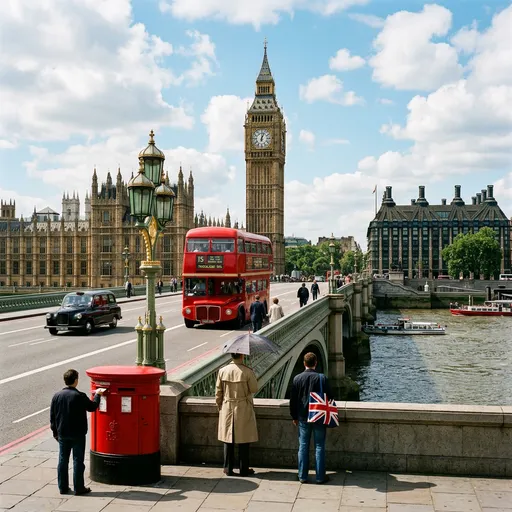
18Post-Brexit Britain retained its permanent UNSC seat and nuclear deterrent while leveraging financial services in London. The 1982 Falklands victory and recent AUKUS pact show continued global projection despite smaller size.
GDP ($T): $3Mil. Budget ($B): $68Population (M): 67UNSC Permanent: ✓Nuclear Weapons: ✓Global Influence: 7.5/10
- Permanent UNSC seat
- Strong intelligence sharing
- Global financial hub
- Post-Brexit trade frictions
- Smaller army size
- Regional influence decline
added by Yourlist Editorialin 9 rankingsThe United Kingdom
18Japan
Japan rebuilt from wartime defeat into the third-largest economy while relying on the US alliance for security. Its 2022 defense budget increase signals response to regional threats from China and North Korea.
GDP ($T): $4Mil. Budget ($B): $55Population (M): 125UNSC Permanent: —Nuclear Weapons: —Global Influence: 6.8/10
- Advanced technology base
- Strong US alliance
- High living standards
- Aging population crisis
- No independent nuclear force
- Regional territorial disputes
added by Yourlist Editorialin 11 rankings
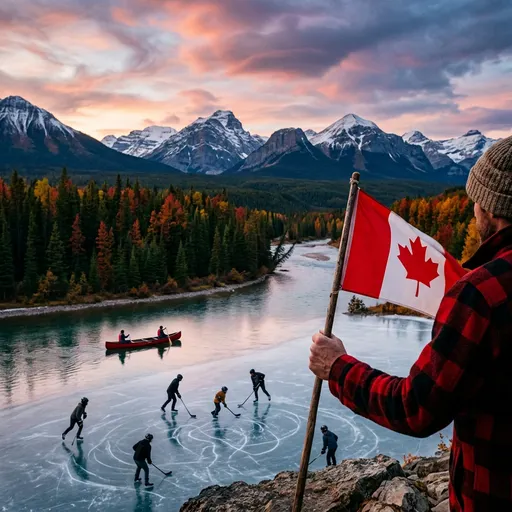
18Canada leverages resource wealth and proximity to the US for outsized diplomatic voice in G7 and NATO. Its peacekeeping tradition and Arctic claims add strategic weight.
GDP ($T): $2Mil. Budget ($B): $27Population (M): 40UNSC Permanent: —Nuclear Weapons: —Global Influence: 6.2/10
- Resource-rich economy
- Close US partnership
- Multilateral reputation
- Small population base
- Limited independent military
- Arctic sovereignty challenges
added by Yourlist Editorialin 9 rankingsCanadian
17South Korea transformed from war-torn state to tech and auto powerhouse within decades, now expanding defense ties beyond the peninsula. Its 2022 arms exports surge shows growing strategic reach.
GDP ($T): $2Mil. Budget ($B): $46Population (M): 52UNSC Permanent: —Nuclear Weapons: —Global Influence: 6/10
- Tech and manufacturing leader
- Strong US alliance
- Rapid military modernization
- North Korea threat proximity
- Demographic decline
- Limited diplomatic reach
added by Yourlist Editorialin 9 rankingsRepublic of Korea
14France maintains an independent nuclear force and leads EU defense initiatives after decolonization. Its 2015 intervention in Mali and permanent UNSC role keep it central to European security decisions.
GDP ($T): $3Mil. Budget ($B): $56Population (M): 68UNSC Permanent: ✓Nuclear Weapons: ✓Global Influence: 7/10
- Independent nuclear deterrent
- EU diplomatic leadership
- Strong cultural exports
- Domestic protests and strikes
- Slower growth than peers
- Colonial legacy frictions
added by Yourlist Editorialin 11 rankingsFrance
6Pakistan
Pakistan's nuclear tests in 1998 and large army give it outsized South Asian weight. Its location next to Afghanistan and China adds strategic value.
GDP ($T): $0.3Mil. Budget ($B): $10Population (M): 240UNSC Permanent: —Nuclear Weapons: ✓Global Influence: 4.8/10
- Nuclear deterrent
- Large army
- China partnership
- Economic instability
- Terrorism challenges
- Political volatility
added by Yourlist Editorialin 3 rankings
6Brazil
Brazil's vast resources and regional leadership in South America give it emerging-power status, highlighted by BRICS membership. Economic volatility has limited its global weight since the 2010s commodity boom.
GDP ($T): $2Mil. Budget ($B): $20Population (M): 215UNSC Permanent: —Nuclear Weapons: —Global Influence: 5.5/10
- Large population and resources
- Regional diplomatic leader
- BRICS membership
- Economic instability cycles
- Amazon governance issues
- Limited global military reach
added by Yourlist Editorialin 7 rankings
4Italy
Italy contributes to NATO and EU policy while hosting key Mediterranean bases. Post-WWII reconstruction turned it into a G7 economy with steady diplomatic participation.
GDP ($T): $2Mil. Budget ($B): $32Population (M): 59UNSC Permanent: —Nuclear Weapons: —Global Influence: 5.8/10
- G7 economy and EU member
- Strategic Mediterranean location
- Cultural influence
- High public debt
- Political instability
- Smaller military scale
added by Yourlist Editorialin 11 rankings
4Australia
Australia's AUKUS pact and resource exports position it as a key Indo-Pacific balancer against China. Post-1901 federation growth turned it into a stable middle power.
GDP ($T): $2Mil. Budget ($B): $32Population (M): 26UNSC Permanent: —Nuclear Weapons: —Global Influence: 5.9/10
- Critical minerals exporter
- US alliance depth
- Stable democratic system
- Small population
- Geographic isolation
- China trade tensions
added by Yourlist Editorialin 8 rankings
4Iran uses oil revenues and proxy networks to project influence across the Middle East despite sanctions. Its nuclear program since the 2000s keeps it central to nonproliferation talks.
GDP ($T): $0.4Mil. Budget ($B): $10Population (M): 89UNSC Permanent: —Nuclear Weapons: —Global Influence: 5/10
- Strategic Strait of Hormuz position
- Regional proxy networks
- Large population
- Heavy sanctions
- Economic isolation
- Internal protests
added by Yourlist Editorialin 3 rankingsIran
-2Indonesia's population and strategic straits position it as Southeast Asia's natural leader within ASEAN. Post-1998 democratization enabled steady economic rise.
GDP ($T): $1Mil. Budget ($B): $9Population (M): 277UNSC Permanent: —Nuclear Weapons: —Global Influence: 4.9/10
- Large population
- Resource rich
- ASEAN centrality
- Infrastructure gaps
- No nuclear capability
- Limited global military
added by Yourlist Editorialin 5 rankingsIndonesian
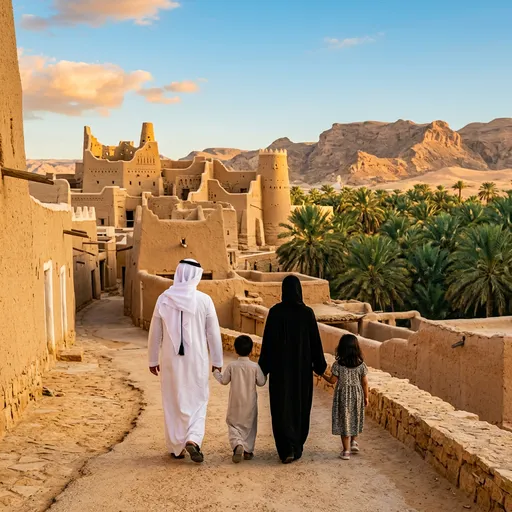
-2Saudi oil reserves fund Vision 2030 diversification while underwriting regional security roles. OPEC+ leadership since the 2010s gives it energy-market power.
GDP ($T): $1Mil. Budget ($B): $75Population (M): 37UNSC Permanent: —Nuclear Weapons: —Global Influence: 5.3/10
- Oil wealth and reserves
- Major arms importer
- OPEC influence
- Human rights criticisms
- Youth unemployment
- Yemen conflict costs
added by Yourlist Editorialin 4 rankingsSaudi Arabia
-4Turkey
Turkey's NATO membership and control of the Bosporus give it leverage between Europe and Asia. Ottoman legacy and recent drone exports mark its assertive regional role.
GDP ($T): $1Mil. Budget ($B): $11Population (M): 85UNSC Permanent: —Nuclear Weapons: —Global Influence: 5.7/10
- Strategic location
- NATO member
- Growing defense industry
- Economic inflation issues
- EU accession stalled
- Regional conflicts involvement
added by Yourlist Editorialin 5 rankings
-7Mexico's USMCA integration and population give it North American leverage. Post-NAFTA growth made it a manufacturing hub.
GDP ($T): $1Mil. Budget ($B): $8Population (M): 128UNSC Permanent: —Nuclear Weapons: —Global Influence: 4.7/10
- US trade integration
- Large population
- Energy resources
- Security challenges
- Economic inequality
- Limited global role
added by Yourlist Editorialin 6 rankingsmexicano
-12Israel's tech and defense innovations plus US backing make it a Middle East power despite small size. Post-1948 survival and repeated military operations define its security doctrine.
GDP ($T): $0.5Mil. Budget ($B): $24Population (M): 9UNSC Permanent: —Nuclear Weapons: ✓Global Influence: 5.6/10
- Advanced tech and defense sector
- US strategic partner
- Nuclear ambiguity
- Regional conflicts
- Small population
- International criticism
added by Yourlist Editorialin 4 rankingsIsrael
-13Norway
Norway's oil fund and NATO Arctic role give it outsized influence for its size. Post-1905 independence built a wealthy, stable democracy.
GDP ($T): $0.5Mil. Budget ($B): $8Population (M): 5UNSC Permanent: —Nuclear Weapons: —Global Influence: 4.8/10
- Sovereign wealth fund
- NATO Arctic contributor
- High living standards
- Tiny population
- Oil dependence
- Limited diplomatic reach
added by Yourlist Editorialin 9 rankings
-13Sweden
Sweden's NATO accession in 2024 ends long neutrality while its tech and welfare model sustain soft power. Post-Cold War arms exports grew steadily.
GDP ($T): $0.6Mil. Budget ($B): $9Population (M): 10UNSC Permanent: —Nuclear Weapons: —Global Influence: 5/10
- Tech innovation leader
- New NATO member
- Strong welfare model
- Small population
- Recent neutrality shift costs
- Limited global military
added by Yourlist Editorialin 9 rankings
-19Switzerland
Switzerland's neutrality and banking secrecy made it a global finance center after WWII. Its referendums keep policy stable and independent.
GDP ($T): $0.8Mil. Budget ($B): $5Population (M): 9UNSC Permanent: —Nuclear Weapons: —Global Influence: 4.5/10
- Banking and finance center
- Neutral diplomacy
- High innovation
- No UNSC role
- Small size
- Bank secrecy controversies
added by Yourlist Editorialin 11 rankings
-21Spain's EU and NATO membership plus post-Franco transition give it steady European weight. Its 2004 Madrid attacks response shaped counterterrorism policy.
GDP ($T): $1Mil. Budget ($B): $20Population (M): 47UNSC Permanent: —Nuclear Weapons: —Global Influence: 5.2/10
- EU member
- NATO contributor
- Cultural reach
- High unemployment history
- Catalonia tensions
- Smaller economy scale
added by Yourlist Editorialin 11 rankingsEspaña
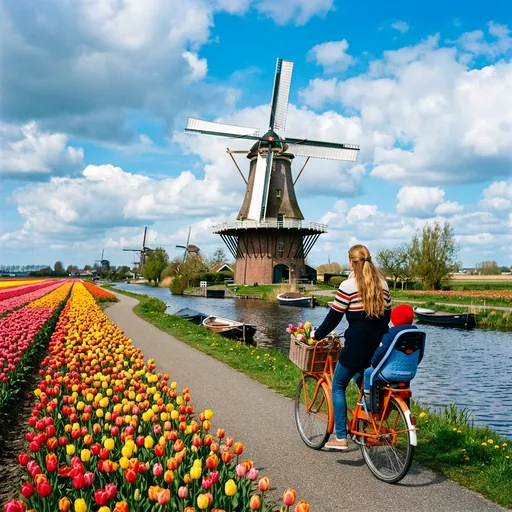
-23The Netherlands punches above weight through ports, trade, and EU diplomacy. Post-WWII reconstruction built a high-tech open economy.
GDP ($T): $1Mil. Budget ($B): $14Population (M): 18UNSC Permanent: —Nuclear Weapons: —Global Influence: 5.1/10
- Major port and trade hub
- EU influence
- High-tech sector
- Small population
- Flood risk exposure
- Limited military
added by Yourlist Editorialin 10 rankingsNetherlands
-36