Most underrated cities in America
America's biggest cities hog all the spotlight, while dozens of smaller gems get overlooked despite great food, culture, and character. These underrated cities deserve recognition beyond the usual coastal favorites. Cast your vote and help crown the most underappreciated city in the country.
What counts: Seeded with approximate real-world figures — the crowd's votes decide the order from here.
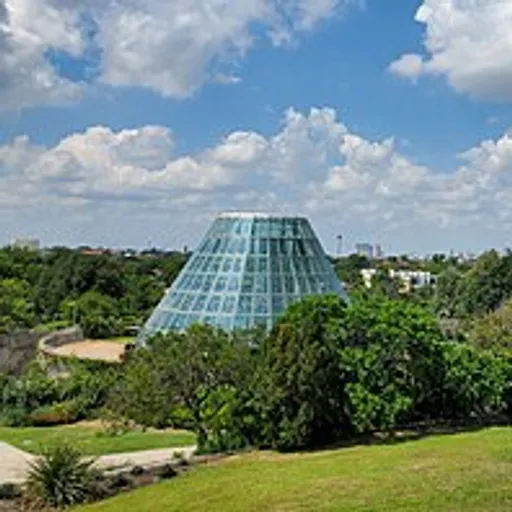
San Antonio▲ Rising
Everyone knows the Alamo, almost nobody credits San Antonio as the seventh-largest city in the country, quietly outpacing Dallas and San Jose in population while dodging the tech-boom smugness entirely. The River Walk gets tourists, but the real city is a majority-Latino metro with a 300-year head start on 'authentic Southwestern culture' that Santa Fe gets all the credit for. It's the biggest American city nobody can name a single famous resident from, which is either a scandal or the whole point.
Metro pop.: 2,600,000Median home: $300,000Sunny days: 220
added by IJRin 6 rankings
43Buffalo▲ Rising
The snow jokes wrote themselves for fifty years while the city quietly kept its Olmsted parks, its jaw-dropping Frank Lloyd Wright and Sullivan architecture, and wing sauce that launched a national food category. Grain elevators that once symbolized decline are now kayak-tour landmarks, and downtown has clawed back from its Rust Belt nadir with a stubbornness that outlasted the mockery. It's the underdog's underdog, the city that turned '52 inches of snow' into civic pride.
Metro pop.: 1,100,000Median home: $220,000Sunny days: 155
added by IJRin 5 rankings
43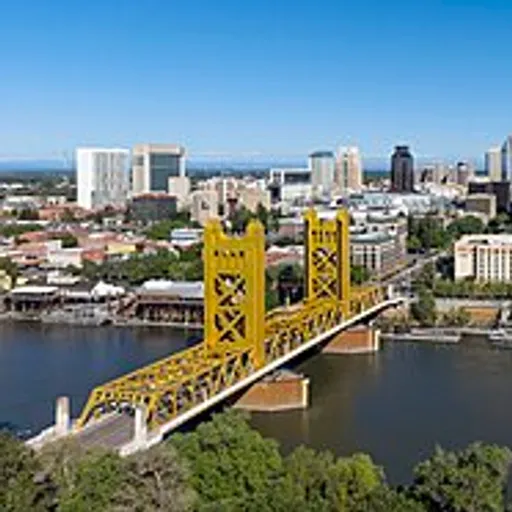
Sacramento▲ Rising
California's capital sat in the shadow of the Bay Area and LA for so long that Sacramentans started joking about it themselves, right up until the farm-to-fork movement realized the actual farms were forty minutes away, not four hundred. It's the most diverse city in America by some measures, with a downtown finally shaking off government-town sleepiness. The argument for its ranking: it's the California dream at half the price, minus the freeway gridlock personality disorder.
Metro pop.: 2,400,000Median home: $480,000Sunny days: 269
added by IJRin 5 rankings
33Columbus▲ Rising
Ohio's capital became the default American test-market city — if it sells in Columbus, it sells everywhere — because it's a near-perfect demographic mirror of the whole country, and yet it never gets the cultural credit that comes with that leverage. Intel's $20 billion chip plant landed there instead of a coastal darling, proof the smart money already knows something. It's the biggest city in Ohio and one of the fastest-growing in the Midwest, still treated like a punchline about cornfields.
Metro pop.: 2,100,000Median home: $300,000Sunny days: 179
added by IJRin 4 rankings
31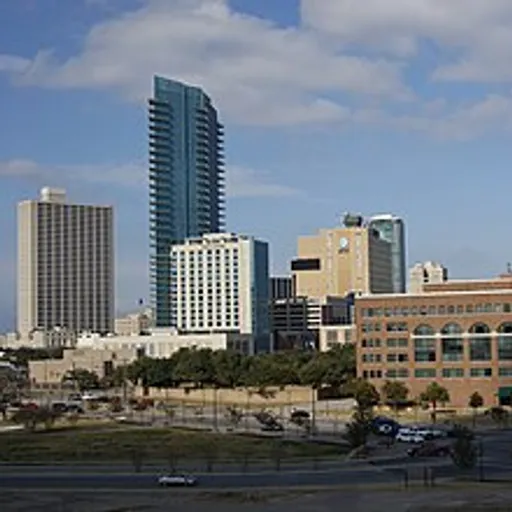
Fort Worth▲ Rising
Dallas's kid brother has quietly become one of the fastest-growing big cities in America while everyone was busy watching Frisco and Plano suburbs sprawl. The Stockyards give it a working cowtown identity Dallas spent decades trying to buy, and the Kimbell Art Museum is a Louis Kahn masterpiece that would anchor any other city's tourism campaign. It out-charms its bigger neighbor at a fraction of the ego and none of the traffic clout.
Metro pop.: 1,000,000Median home: $340,000Sunny days: 229
added by IJRin 5 rankings
26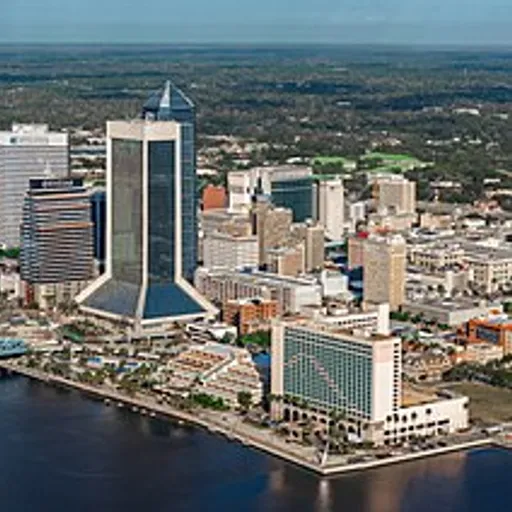
Jacksonville▲ Rising
Geographically the largest city in the continental U.S., yet somehow it never registers as a 'real' Florida city next to Miami's glitz or Orlando's mouse ears. It has more park acreage than any other American city and a river running straight through downtown that nobody photographs for Instagram. The case here is blunt: a million-plus people live there and the rest of the country still can't picture a single street in it.
Metro pop.: 1,600,000Median home: $300,000Sunny days: 221
added by IJRin 6 rankings
26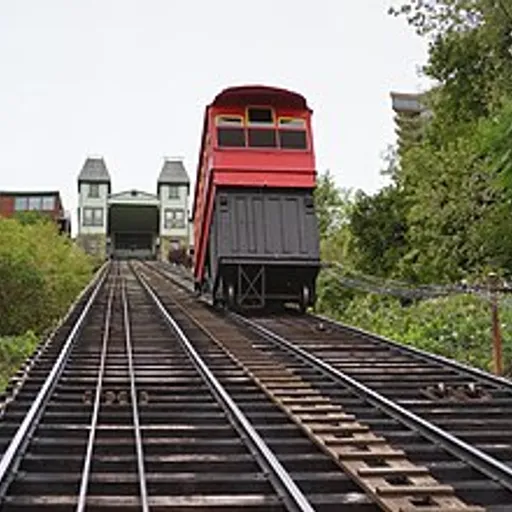
Pittsburgh▲ Rising
The city that used to turn streetlights on at noon because of steel-mill smog rebuilt itself into a robotics and healthcare hub anchored by Carnegie Mellon, and somehow still gets typecast as the Rust Belt's saddest cliché. Its 446 bridges outnumber Venice's, its neighborhoods climb hills like San Francisco's without the price tag, and its sports fandom is unmatched intensity for a metro this size. The turnaround from 'Hell with the lid off' to a top-tier livability ranking is one of the great sleeper comeback stories in urban America.
Metro pop.: 2,400,000Median home: $230,000Sunny days: 160
added by IJRin 8 rankings
14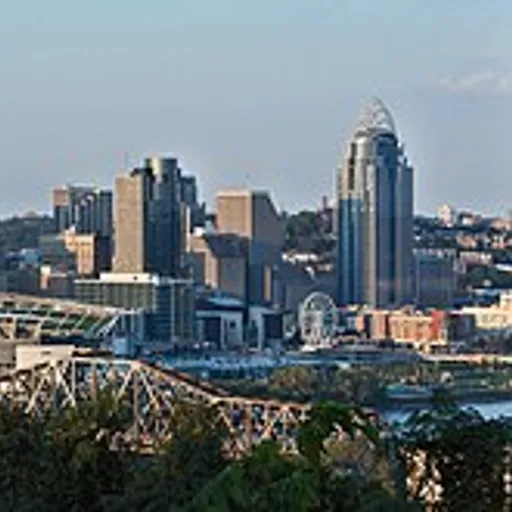
Cincinnati
Skyline chili, a soaring Art Deco train station turned museum center, and a German-immigrant backbone gave Cincinnati a European density and walkability that newer Sunbelt cities can't manufacture at any price. FC Cincinnati's stadium boom and a resurgent Over-the-Rhine neighborhood — once one of the most dangerous in America, now one of the most gorgeous historic districts — mark the turnaround. It's the river city that coastal media forgets exists between football seasons.
Metro pop.: 2,200,000Median home: $260,000Sunny days: 175
added by IJRin 5 rankings
8Durham
A tobacco town that could have died with the industry instead turned its warehouses into Duke-adjacent biotech labs and one of the best food scenes in the South, anchored by Research Triangle money nobody outside NC tracks. The Bull City nickname used to be a punchline; now it's shorthand for a city that out-innovated Raleigh's suburbs without losing its blue-collar grit. Small enough to feel like a secret, dense enough with PhDs and pitmasters to argue it shouldn't be.
Metro pop.: 600,000Median home: $400,000Sunny days: 211
added by IJRin 3 rankings
8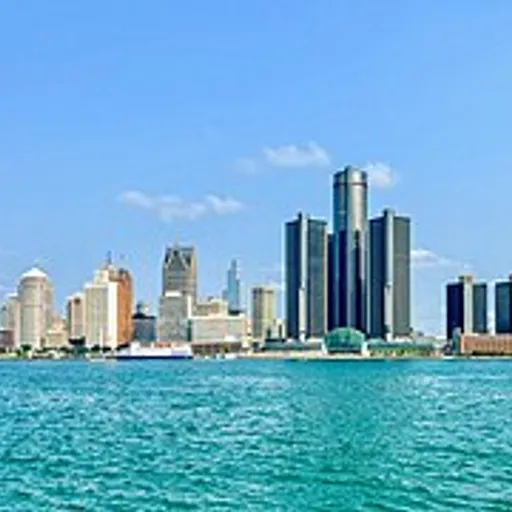
Detroit
Bankruptcy in 2013 was supposed to be the epitaph; instead it became the floor a genuine comeback got built from, with Dan Gilbert's downtown investments and a resurgent auto-and-tech scene proving the 'ruin porn' era was a chapter, not the ending. Motown's musical DNA, world-class art at the DIA that the city nearly had to sell off, and neighborhoods rebuilding block by stubborn block make the turnaround story more interesting than the collapse ever was. It's the most dramatic underdog arc on this entire list.
Metro pop.: 4,300,000Median home: $200,000Sunny days: 183
added by IJRin 10 rankings
7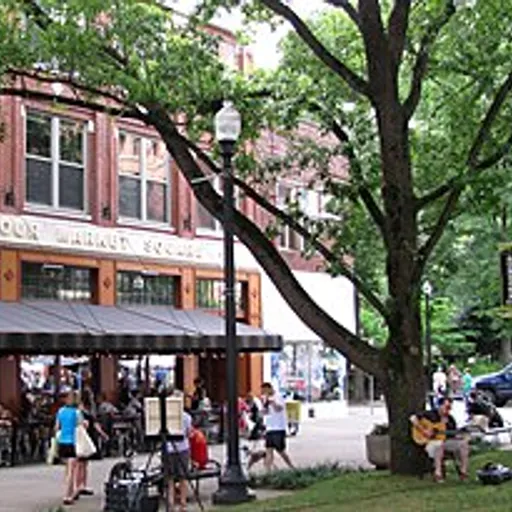
Knoxville▲ Rising
Once written off as a pass-through on I-40 to the Smokies, Knoxville leveraged the 1982 World's Fair site into a genuine downtown revival decades before 'revitalization' became an urban-planning buzzword. Dolly Parton's hometown orbit and a booming University of Tennessee scene gave it a music and food identity distinct from Nashville's tourist-trap sprawl. It's proof a second-tier Tennessee city can out-charm the capital without a single bachelorette party.
Metro pop.: 900,000Median home: $340,000Sunny days: 203
added by IJRin 3 rankings
5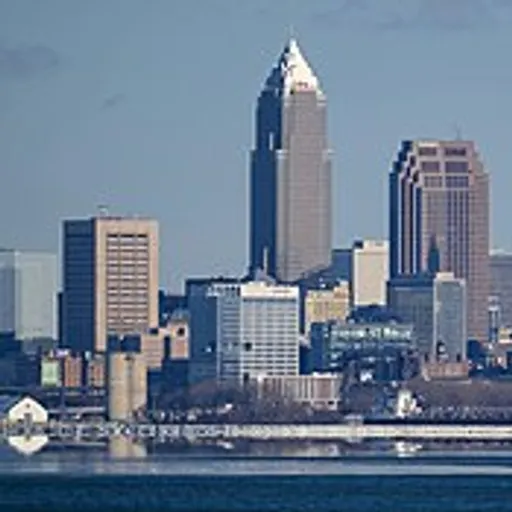
Cleveland▲ Rising
LeBron's 'I'm coming home' letter did more PR work for this city than a decade of tourism boards, but the real story is a downtown rebuilt around a lakefront, a world-class orchestra, and the Cleveland Clinic quietly becoming one of the best hospitals on Earth. It absorbed 'mistake on the lake' jokes and a river fire from 1969 into permanent punchline status, unfair to a city with this much museum and medical firepower. The comeback is real even if the national narrative is fifty years stale.
Metro pop.: 2,000,000Median home: $220,000Sunny days: 166
added by IJRin 5 rankings
4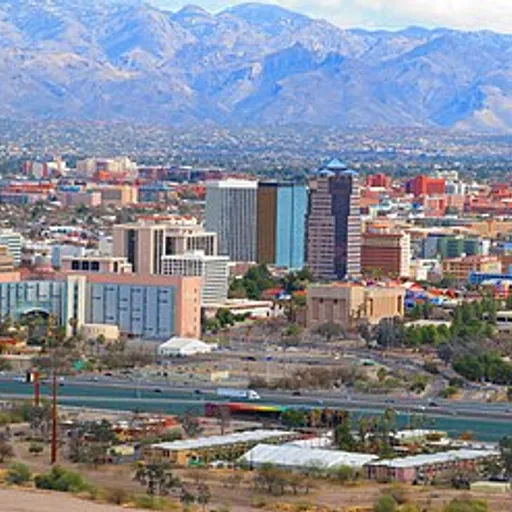
Tucson
Sitting in Phoenix's much larger shadow, Tucson quietly became a UNESCO City of Gastronomy — the first in the U.S. — on the strength of 4,000-year-old agricultural roots and Sonoran hot dogs nobody outside the Southwest has tried. Saguaro-studded desert surrounds a genuinely walkable downtown that never got the master-planned sprawl treatment its northern neighbor did. It's the anti-Phoenix: smaller, weirder, and arguably tastier.
Metro pop.: 1,000,000Median home: $330,000Sunny days: 286
added by IJRin 4 rankings
4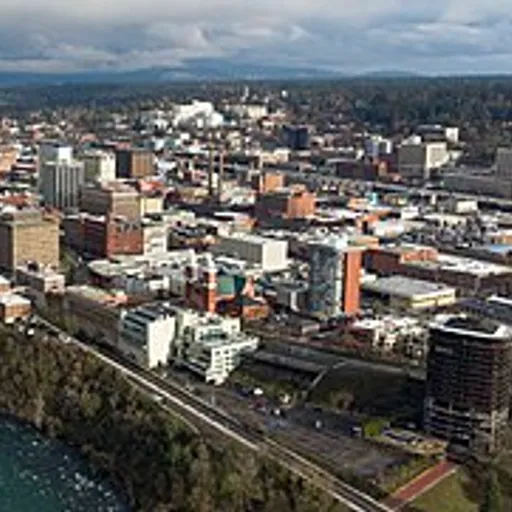
Spokane
Expo '74 turned a polluted rail yard into Riverfront Park, and the city never got credit nationally for pulling off one of the earliest and most successful environmental-themed World's Fairs in American history. It sits two hours from multiple mountain ranges and lakes, offering Pacific Northwest scenery at Rust Belt prices while Seattle sucks up all the region's press. The case for Spokane is simple: everyone drives past it to get to Coeur d'Alene and misses the point entirely.
Metro pop.: 600,000Median home: $400,000Sunny days: 171
added by IJRin 2 rankings
-1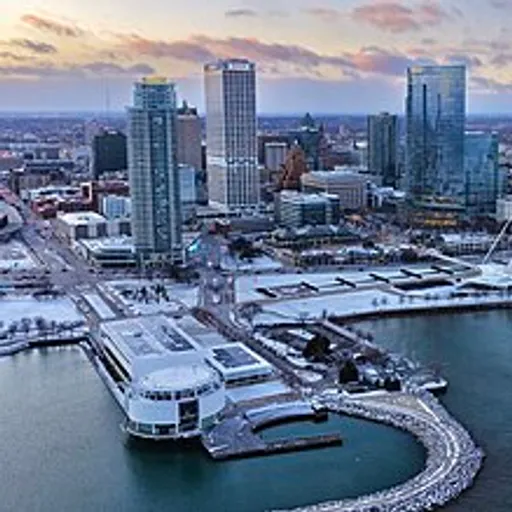
Milwaukee▼ Falling
Beer-town jokes buried a city with a genuinely great lakefront, a Santiago Calatrava-designed art museum that looks like it's about to take flight, and a summer festival calendar — Summerfest alone — bigger than almost anywhere else in the country. Bronzeville and the Historic Third Ward gave it real neighborhood texture long before 'Midwest nice' became a marketing slogan for other cities to steal. It's Chicago's overlooked northern cousin, quietly better on price and just as serious about its food and music.
Metro pop.: 1,600,000Median home: $230,000Sunny days: 190
added by IJRin 3 rankings
-7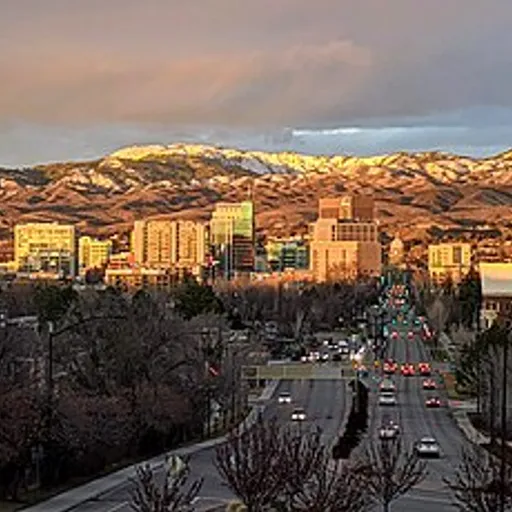
Boise▼ Falling
For years it was the punchline in a Napoleon Dynamite joke about potatoes, until remote workers during the pandemic discovered a genuinely gorgeous foothills-and-river setting with a walkable downtown and none of the coastal price tags — at least not yet. The Basque Block preserves one of the largest Basque communities outside Europe, a detail most transplants don't even know to look for. It went underrated to overhyped in about eighteen months flat, but the bones that earned it the hype were real.
Metro pop.: 800,000Median home: $470,000Sunny days: 206
added by IJRin 4 rankings
-15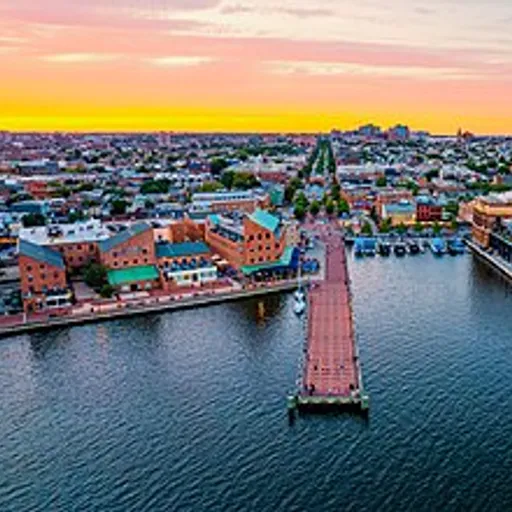
Baltimore▼ Falling
The Wire cemented a reputation the city has never fully shaken, but Fells Point cobblestones, a legitimately great aquarium, and Edgar Allan Poe's actual grave sit two blocks from rowhouse neighborhoods undergoing real, unglamorous revival. Johns Hopkins anchors one of the most important research economies on the East Coast, a fact permanently drowned out by crime headlines. It's a city that got flattened into a TV-show stereotype and never got the space to be anything else in the national imagination.
Metro pop.: 2,800,000Median home: $220,000Sunny days: 213
added by IJRin 5 rankings
-16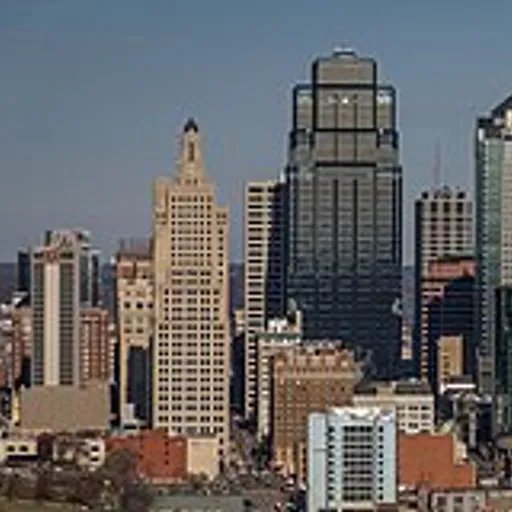
Kansas City▼ Falling
More fountains than Rome, more boulevard miles than Paris, and barbecue that starts genuine interstate arguments — yet it still gets filed under 'flyover' by people who've never seen the Nelson-Atkins sculpture park at sunset. The city hosted a Super Bowl parade dynasty in the 2020s and still can't shake the idea that it's just a stockyard town. It's a genuinely gorgeous, deeply cultured city that the coasts refuse to update their mental map for.
Metro pop.: 2,200,000Median home: $300,000Sunny days: 215
added by IJRin 5 rankings
-19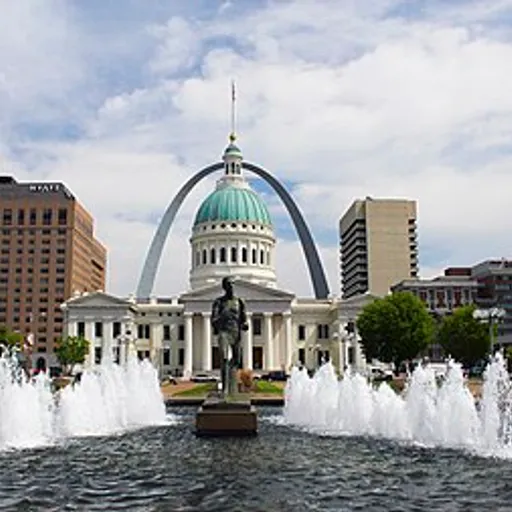
St. Louis▼ Falling
The Gateway Arch gets the postcard, but the real story is a city of astonishing architecture — Forest Park is bigger than Central Park, built for a 1904 World's Fair that also gave America the ice cream cone and iced tea. Decades of population loss and a crime narrative overshadowed a genuinely walkable core, world-class free museums, and a food culture built on toasted ravioli and provel-cheese pizza nobody else claims. It's a great American city stuck arguing against its own reputation.
Metro pop.: 2,800,000Median home: $250,000Sunny days: 202
added by IJRin 7 rankings
-20Richmond▼ Falling
A former Confederate capital spent decades defined by its Civil War monuments before quietly building one of the best farm-to-table food scenes on the East Coast and a mural-covered arts district that turned old tobacco warehouses into studios. The 2020 removal of the Robert E. Lee statue on Monument Avenue was a genuine watershed, a city literally rewriting its own skyline's meaning in real time. It's a small Southern capital wrestling its history in public and building something genuinely interesting on the other side.
Metro pop.: 1,300,000Median home: $380,000Sunny days: 213
added by IJRin 4 rankings
-21
Keep ranking
Comments (13)
Free account · your comment posts right after signup
Weather is underrated in these rankings until you've done one bad winter.
- PPablo LindqvistJul 28, 2026
Lived in two of these — the cost-of-living numbers are the whole story.
- DDiego OkaforJul 29, 2026
Housing prices moved way faster than this list implies.
- MMaya ReyesJul 27, 2026
Visited last spring and it absolutely lives up to the hype.
- PPaige ReyesJul 26, 2026
The commute data should be weighted double, honestly.