🏛️Best British Prime Ministers of All Time
Ranking the leaders who guided Britain through wars, reforms, and economic shifts, from the first PM to modern figures whose decisions still shape daily life. Legacy, crisis leadership, and long-term national impact decide the order. Vote on who belongs at the top.
What counts: Best means measurable national progress, crisis leadership, and enduring institutional change; figures are approximate
Major kept the Conservatives in power after Thatcher, negotiated the Maastricht Treaty, and started the Northern Ireland peace process. His government survived Black Wednesday but delivered the framework for later peace. The quiet continuity is often underrated.
Tenure: 1990-1997Party: ConservativeSignature Moment: Maastricht TreatyImpact (0-10): 6.4/10Elections Won: 1
- Peace process launched
- Maastricht signed
- Won unexpected election
- Black Wednesday crash
- Party rebellions
- Lost 1997 landslide
added by Yourlist EditorialJohn Major
17Gladstone delivered Irish land reform, expanded the franchise further, and balanced budgets across four terms. His rivalry with Disraeli defined Victorian politics and his moral approach to foreign policy influenced later Liberals. The sheer number of reforms sets him apart.
Tenure: 1868-1874, 1880-1886, 1892-1894Party: LiberalSignature Moment: Irish Land ActsImpact (0-10): 7.5/10Elections Won: 4
- Multiple election wins
- Irish reforms achieved
- Budget discipline
- Home Rule failures
- Boer War tensions
- Long career with defeats
added by Yourlist EditorialWilliam Ewart Gladstone
16Churchill rallied Britain alone against Nazi Germany in 1940, refusing peace talks and committing to total war until victory in 1945. His speeches and strategic alliance with the US defined the nation's survival and postwar order. No other PM matches that single decisive arc.
Tenure: 1940-1945, 1951-1955Party: ConservativeSignature Moment: Battle of Britain standImpact (0-10): 9.4/10Elections Won: 1
- Defeated existential threat
- Global alliances forged
- Wartime unity achieved
- Lost 1945 election badly
- Postwar economy weak
- Colonial views outdated
added by Yourlist Editorialin 8 rankingsWinston Churchill
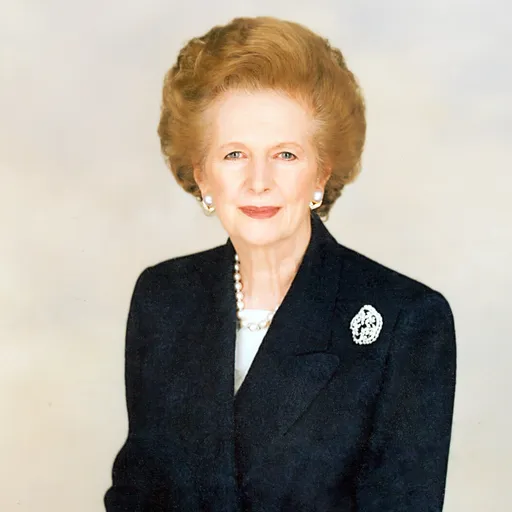
15Thatcher broke union power, privatized state industries, and won the Falklands war, shifting Britain toward a market economy in the 1980s. Her three election wins and 11-year rule reset the political center. The results still divide opinion but changed the country's trajectory.
Tenure: 1979-1990Party: ConservativeSignature Moment: Falklands victory 1982Impact (0-10): 8.7/10Elections Won: 3
- Defeated unions
- Economic liberalization
- Three election wins
- North-South divide widened
- Poll tax riots
- High unemployment peaks
added by Yourlist Editorialin 4 rankingsMargaret Thatcher
15Blair modernized Labour, won three elections, and led Britain into the Northern Ireland peace deal and Kosovo intervention. His decade in office delivered devolution and sustained growth before the Iraq decision. The domestic record remains stronger than the foreign one.
Tenure: 1997-2007Party: LabourSignature Moment: Good Friday Agreement 1998Impact (0-10): 7.8/10Elections Won: 3
- Three election victories
- Northern Ireland peace
- Devolution delivered
- Iraq War damaged trust
- Financial crash followed
- Public service targets missed
added by Yourlist EditorialTony Blair
14Walpole established the office of Prime Minister itself, managing Parliament for 21 years and keeping Britain out of major European wars. His long tenure created the modern cabinet system and stable government finance. He set the template every later PM followed.
Tenure: 1721-1742Party: WhigSignature Moment: Avoided European warsImpact (0-10): 7.9/10Elections Won: —
- Invented PM role
- Long financial stability
- Avoided costly wars
- Corruption allegations
- South Sea Bubble fallout
- No modern elections
added by Yourlist EditorialRobert Walpole
14Attlee created the NHS and welfare state after 1945 while managing decolonization and NATO entry. His six-year government delivered the largest single expansion of social rights in British history. The institutions remain intact decades later.
Tenure: 1945-1951Party: LabourSignature Moment: NHS founding 1948Impact (0-10): 8.5/10Elections Won: 2
- Built NHS and welfare state
- Managed peaceful decolonization
- NATO founding member
- Austerity and rationing continued
- Lost 1951 despite vote lead
- Economic growth slow
added by Yourlist EditorialClement Attlee
12Brown steered the UK through the 2008 financial crisis with bank rescues and fiscal stimulus. His short premiership prevented deeper collapse but ended in defeat. The crisis management is the central claim to credit.
Tenure: 2007-2010Party: LabourSignature Moment: 2008 bank rescuesImpact (0-10): 6.1/10Elections Won: 0
- Financial crisis response
- G20 coordination
- No repeat recession
- Lost 2010 election
- Short term in office
- Public debt rose sharply
added by Yourlist EditorialGordon Brown
10Callaghan managed the IMF crisis and the winter of discontent but lost the 1979 election. His government kept Britain in the EEC and maintained NATO commitments. The record is mixed but the crises were real and visible.
Tenure: 1976-1979Party: LabourSignature Moment: IMF bailout 1976Impact (0-10): 5.8/10Elections Won: 0
- EEC membership kept
- NATO relations steady
- No major new wars
- Winter of Discontent
- Lost 1979 election
- Economic stagflation
added by Yourlist EditorialJames Callaghan
8Wilson won four elections, kept Britain out of Vietnam, and created the Open University. His governments managed devaluation and social liberalization in the 1960s and 1970s. The electoral record and domestic reforms stand out.
Tenure: 1964-1970, 1974-1976Party: LabourSignature Moment: Open University createdImpact (0-10): 6.9/10Elections Won: 4
- Four election wins
- Social reforms passed
- Avoided Vietnam war
- Economic devaluation
- Rhodesia crisis
- Leadership style divisive
added by Yourlist EditorialHarold Wilson
7Eden launched the Suez operation that ended in humiliation and damaged Britain's global standing. His short term is remembered mainly for that single foreign-policy disaster.
Tenure: 1955-1957Party: ConservativeSignature Moment: Suez Crisis 1956Impact (0-10): 3.9/10Elections Won: 1
- Won 1955 election
- NATO commitment kept
- Suez failure
- Resigned after crisis
- Health issues affected decisions
added by Yourlist EditorialAnthony Eden
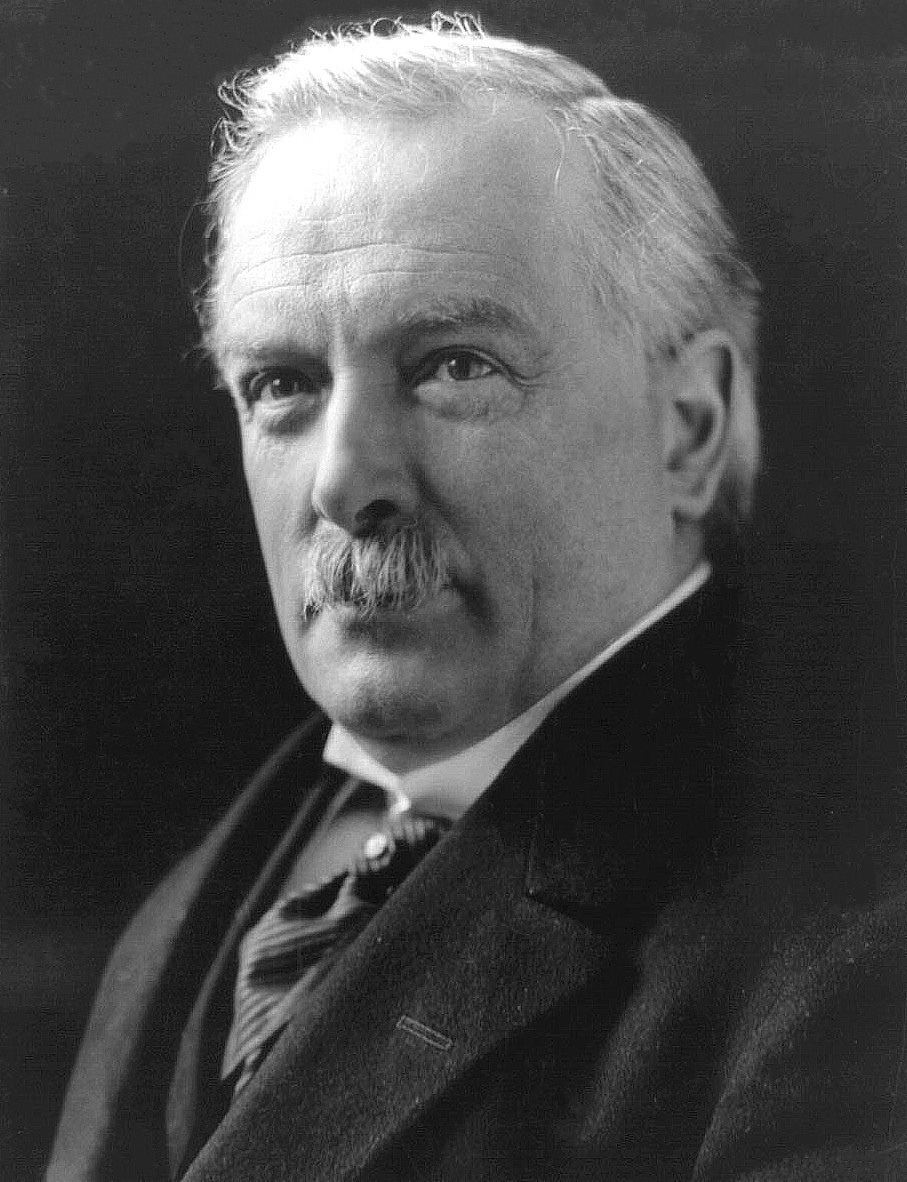
5Lloyd George steered Britain through the final years of World War I and introduced national insurance and land reform before 1914. His coalition government won the war and expanded the franchise. Few PMs combined social reform with wartime command so directly.
Tenure: 1916-1922Party: LiberalSignature Moment: WWI victory 1918Impact (0-10): 8.1/10Elections Won: 1
- War leadership success
- National insurance introduced
- Women's suffrage expanded
- Coalition collapsed in scandal
- Irish partition followed
- Liberal Party split
added by Yourlist EditorialDavid Lloyd George
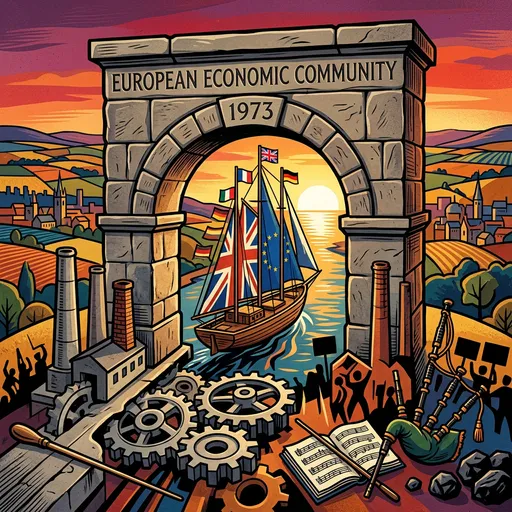
3Heath took Britain into the European Economic Community in 1973 and faced the three-day week during the miners' strike. The European entry proved the lasting achievement despite later Conservative turns. His one term changed Britain's economic geography permanently.
Tenure: 1970-1974Party: ConservativeSignature Moment: EEC entry 1973Impact (0-10): 6.8/10Elections Won: 1
- Joined European Community
- Decimal currency introduced
- Local government reform
- Miners' strike defeat
- Three-day week
- Lost two 1974 elections
added by Yourlist EditorialEdward Heath
3Chamberlain delayed war through appeasement and began rearmament, yet the Munich agreement failed and he resigned after early defeats. The record is defined by the policy that could not prevent conflict.
Tenure: 1937-1940Party: ConservativeSignature Moment: Munich Agreement 1938Impact (0-10): 4.2/10Elections Won: 0
- Rearmament started
- Welfare reforms passed
- Avoided immediate war
- Appeasement failed
- Resigned after defeats
- Legacy of weakness
added by Yourlist EditorialNeville Chamberlain
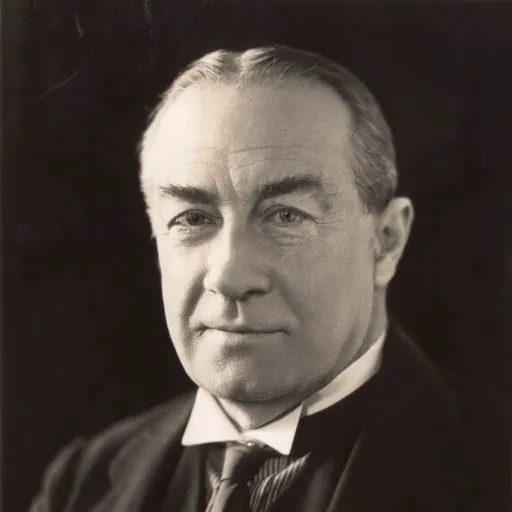
1Baldwin guided Britain through the 1926 General Strike and the abdication crisis with steady, understated leadership. His three terms kept the Conservatives dominant between the wars. The calm navigation of domestic crises earns quiet respect.
Tenure: 1923-1924, 1924-1929, 1935-1937Party: ConservativeSignature Moment: Abdication crisis 1936Impact (0-10): 6.5/10Elections Won: 3
- General Strike resolved
- Abdication handled calmly
- Multiple election wins
- Rearmament delayed
- Appeasement associations
- Economic slump period
added by Yourlist EditorialStanley Baldwin
0Douglas-Home served a brief caretaker term after Macmillan and lost the 1964 election. His short premiership left little lasting mark beyond steady transition.
Tenure: 1963-1964Party: ConservativeSignature Moment: Caretaker transitionImpact (0-10): 4.5/10Elections Won: 0
- Orderly handover
- No major crisis
- Lost 1964 election
- Very short term
- Limited policy impact
added by Yourlist EditorialAlec Douglas-Home
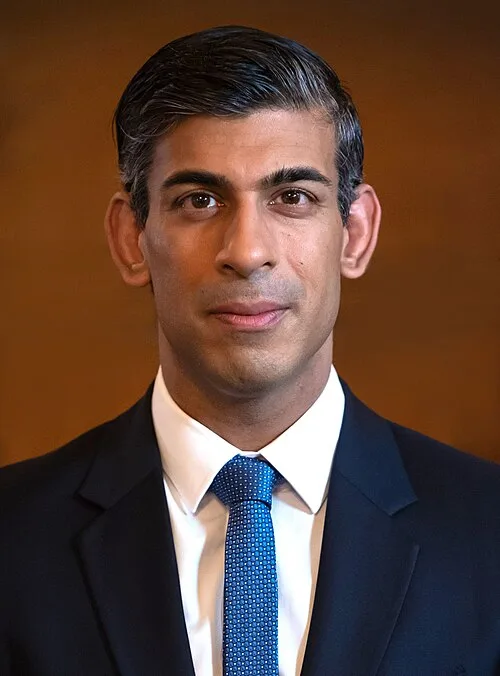
0Sunak stabilized markets after Truss, passed the Windsor Framework, and managed inflation decline. His term ended with a large election defeat. The calm after the mini-budget is the clearest positive.
Tenure: 2022-2024Party: ConservativeSignature Moment: Windsor FrameworkImpact (0-10): 5/10Elections Won: 0
- Market stability restored
- Inflation reduced
- Windsor deal passed
- Lost 2024 election heavily
- Short term overall
- Rwanda policy stalled
added by Yourlist EditorialRishi Sunak
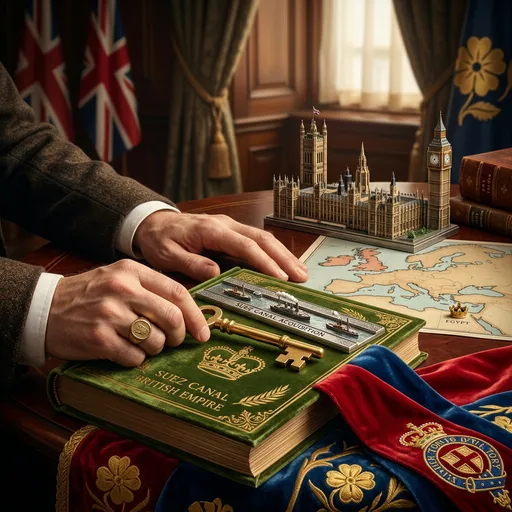
0Disraeli bought the Suez Canal shares, passed the Second Reform Act, and made the Conservatives a mass party. His one-nation conservatism and imperial vision shaped the late Victorian era. The strategic purchase remains a textbook example of decisive foreign policy.
Tenure: 1874-1880Party: ConservativeSignature Moment: Suez Canal purchase 1875Impact (0-10): 7.6/10Elections Won: 1
- Expanded voting rights
- Imperial strategy success
- Social reforms passed
- Economic depression hit
- Afghan and Zulu wars
- Short second term
added by Yourlist EditorialBenjamin Disraeli
-1Johnson delivered Brexit, won a large majority, and led the early COVID vaccine rollout. Scandals and Partygate ended his term early. The Brexit completion and vaccine speed are the main claims.
Tenure: 2019-2022Party: ConservativeSignature Moment: Brexit completion 2020Impact (0-10): 5.9/10Elections Won: 1
- Large 2019 majority
- Vaccine rollout speed
- Brexit delivered
- Partygate scandals
- Resigned under pressure
- Economic turbulence followed
added by Yourlist EditorialBoris Johnson
-3May triggered Article 50 and negotiated the Brexit withdrawal agreement but lost her majority and failed to pass the deal. The Brexit delivery record is the defining measure.
Tenure: 2016-2019Party: ConservativeSignature Moment: Article 50 triggeredImpact (0-10): 5.2/10Elections Won: 0
- Withdrawal agreement reached
- Security cooperation maintained
- Lost majority in 2017
- Deal rejected three times
- Resigned without exit
added by Yourlist Editorialin 2 rankingsTheresa May
-4Truss served the shortest term in modern history after her mini-budget triggered market panic. The rapid reversal and resignation define the record.
Tenure: 2022Party: ConservativeSignature Moment: Mini-budget crisisImpact (0-10): 2.8/10Elections Won: 0
- Energy price cap set
- Quick reversal of policy
- Market crash after budget
- Shortest modern term
- No lasting achievements
added by Yourlist EditorialLiz Truss
-4Macmillan ended conscription, accelerated decolonization with the Winds of Change speech, and delivered the postwar boom years. His government managed affluence and NATO relations without major crisis. The economic record and calm style earned lasting credit.
Tenure: 1957-1963Party: ConservativeSignature Moment: Winds of Change speechImpact (0-10): 7.2/10Elections Won: 1
- Economic growth strong
- Decolonization managed
- NATO relations steady
- Profumo scandal damage
- Resigned amid illness
- Suez legacy inherited
added by Yourlist EditorialHarold Macmillan
-5Balfour passed the Education Act 1902 and managed the early stages of the Boer War conclusion. His short term is remembered for the education changes more than foreign policy.
Tenure: 1902-1905Party: ConservativeSignature Moment: Education Act 1902Impact (0-10): 5.3/10Elections Won: 0
- Education reform passed
- Boer War concluded
- Lost 1906 landslide
- Tariff reform split party
- Short term
added by Yourlist EditorialArthur Balfour
-5Campbell-Bannerman led the Liberals to their 1906 landslide and began social reforms including old-age pensions. His short term set the stage for later Liberal governments.
Tenure: 1905-1908Party: LiberalSignature Moment: 1906 landslide winImpact (0-10): 5.7/10Elections Won: 1
- Landslide victory
- Pension reforms started
- Boer War settlement
- Short term due to illness
- Limited personal legacy
- Died in office
added by Yourlist EditorialHenry Campbell-Bannerman
-5Asquith passed the Parliament Act limiting the Lords and introduced national insurance before World War I. The war leadership proved less successful and he was replaced in 1916.
Tenure: 1908-1916Party: LiberalSignature Moment: Parliament Act 1911Impact (0-10): 6.3/10Elections Won: 2
- Parliament Act passed
- National insurance created
- Multiple election wins
- WWI leadership criticized
- Replaced mid-war
- Liberal split followed
added by Yourlist EditorialH. H. Asquith
-7Starmer won a large majority in 2024 on a platform of stability and public-service repair. Early term actions focus on planning reform and workers' rights. The record is still forming.
Tenure: 2024-presentParty: LabourSignature Moment: 2024 election winImpact (0-10): 6/10Elections Won: 1
- Large majority won
- Early stability focus
- Planning reform started
- Record still forming
- Economic headwinds remain
- Public service backlogs large
added by Yourlist Editorialin 2 rankingsKeir Starmer
-11MacDonald formed the first Labour government and later led the National Government through the Depression. The 1931 coalition remains controversial but kept Labour in office during crisis.
Tenure: 1924, 1929-1935Party: Labour/NationalSignature Moment: First Labour PM 1924Impact (0-10): 5.5/10Elections Won: 2
- First Labour government
- National Government formed
- Depression management
- 1931 coalition split Labour
- Economic austerity
- Reputation damaged long-term
added by Yourlist EditorialRamsay MacDonald
-14