Most influential people of the 20th century
The 20th century was reshaped by scientists, leaders, artists, and revolutionaries whose decisions and discoveries still echo through our lives today. From world wars to space travel, civil rights to the digital age, a handful of figures altered the course of history more than any others. Who do you think left the deepest mark—cast your vote and help crown the era's most influential icon.
What counts: Seeded with approximate figures where shown — the crowd's votes decide the order.
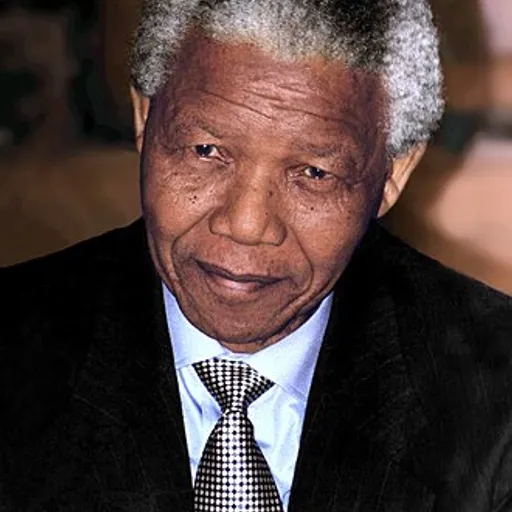
Nelson Mandela▲ Rising
Twenty-seven years in prison could have made him bitter; instead Mandela walked out in 1990 and negotiated South Africa out of apartheid without the bloodbath everyone predicted, then became president of the country that had jailed him. His insistence on reconciliation over revenge turned him into the century's clearest proof that forgiveness can be a more radical political act than retribution.</br>
Era: Civil rights
added by IJRin 8 rankingsNelson Mandela
33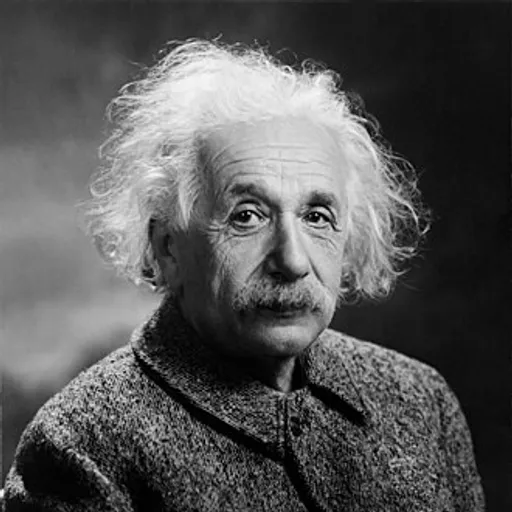
Albert Einstein▲ Rising
In 1905, a Swiss patent clerk moonlighting as a physicist rewrote the rules of space, time, and energy with E=mc², then finished the job with general relativity a decade later, bending light itself to prove him right. He became the face of genius, the moral voice warning Roosevelt about the atomic bomb he helped make possible, and the patron saint of every era's smartest kid — there's no 20th century science story that doesn't run through him.</br>
Era: Science
added by IJRin 4 rankingsAlbert Einstein
31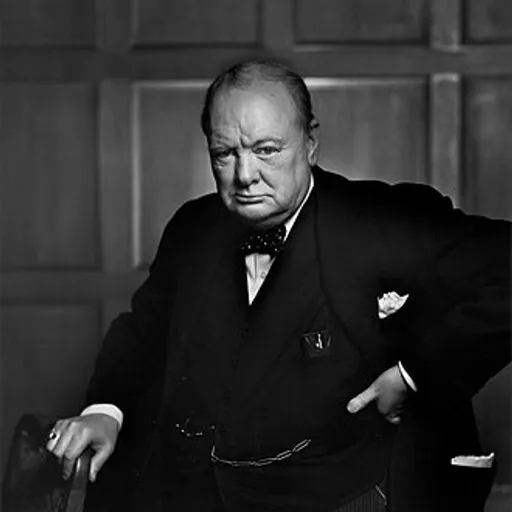
Winston Churchill▲ Rising
In the summer of 1940, with France fallen and Hitler's bombers overhead, one aging, cigar-chomping politician talked a nation into believing it could survive alone — 'we shall fight on the beaches' wasn't just rhetoric, it was the difference between capitulation and resistance. His stubbornness kept Britain in the war long enough for the Soviets and Americans to turn the tide, making him the indispensable voice against fascism when the outcome was still very much in doubt.</br>
Era: Politics
added by IJRin 7 rankings
30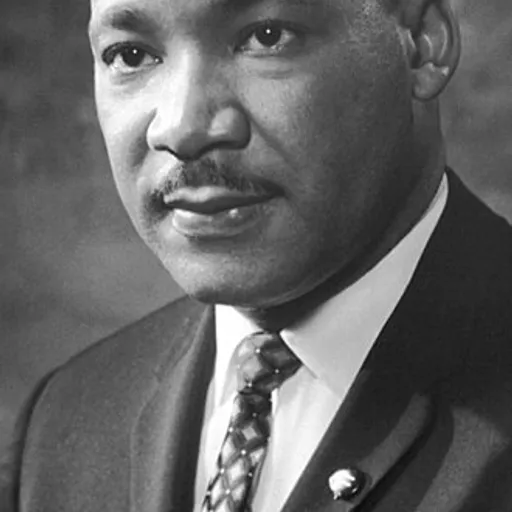
Martin Luther King Jr.▲ Rising
From a Montgomery bus boycott to the steps of the Lincoln Memorial in 1963, King turned Christian nonviolence into the engine that dismantled legal segregation in America, marching straight into fire hoses and police dogs to force a nation to look at itself. Assassinated at 39, he left behind the Civil Rights and Voting Rights Acts and a template for moral protest that's been borrowed by movements worldwide ever since.</br>
Era: Civil rights
added by IJRin 2 rankingsMartin Luther King Jr.
30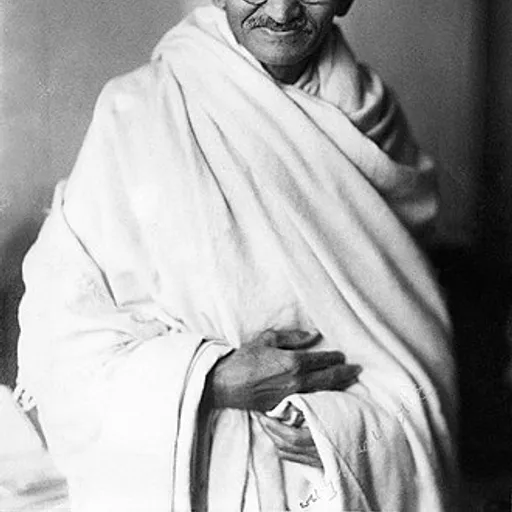
Mahatma Gandhi▲ Rising
A lawyer in a homespun loincloth walked 240 miles to the sea in 1930 to illegally make salt, and in doing so showed the British Empire — and the world — that an unarmed population could out-stubborn a colonial superpower through sheer disciplined refusal. His satyagraha didn't just win India's independence in 1947; it became the operating manual for nonviolent resistance that King, Mandela, and countless others would later run.</br>
Era: Independence
added by IJRin 5 rankingsMahatma Gandhi
21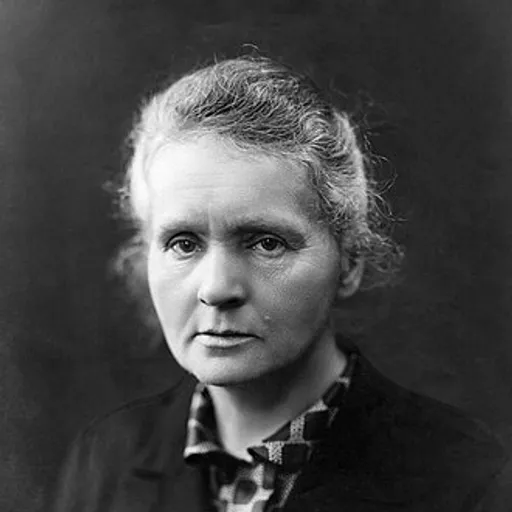
Twice a Nobel laureate in two different sciences — physics and chemistry — Curie discovered radium and polonium by literally boiling down tons of pitchblende in a shed, opening the door to nuclear physics and cancer radiotherapy alike. As the first woman to break into the highest ranks of science, she didn't just change what we knew about the atom; she blew open who was allowed to do the knowing.</br>
Era: Science
added by IJRin 5 rankingsMarie Curie
3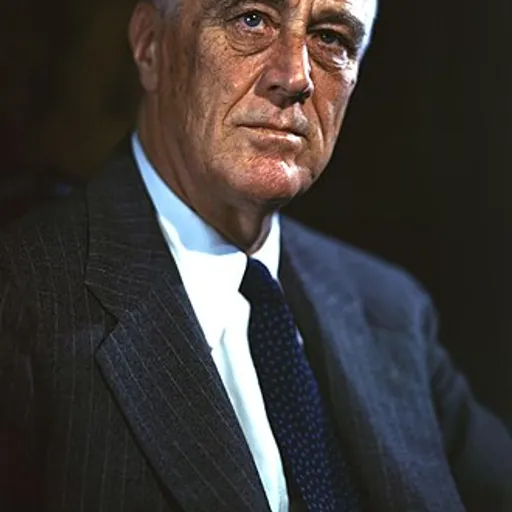
Franklin D. Roosevelt
Elected amid the wreckage of the Great Depression, FDR reinvented the relationship between American citizens and their government with the New Deal, then became the arsenal of democracy's commander-in-chief, steering the Allies through World War II from a wheelchair he hid from the public. Four terms, Social Security, and the defeat of the Axis powers make the case that no single leader shaped the modern American state — or the postwar world order — more than he did.</br>
Era: Politics
added by IJRin 16 rankings
0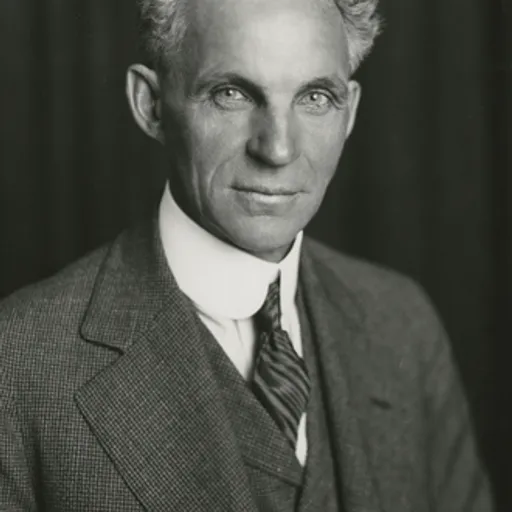
Henry Ford
When Ford rolled out the moving assembly line in 1913, he didn't just build cars faster — he invented modern mass production and, by paying workers $5 a day, effectively invented the consumer middle class that could afford to buy what it made. Cheap, universal automobiles reshaped cities, suburbs, and daily life across the globe, even as his uglier legacies of antisemitism and labor suppression complicate the hero narrative.</br>
Era: Industry
added by IJR
-3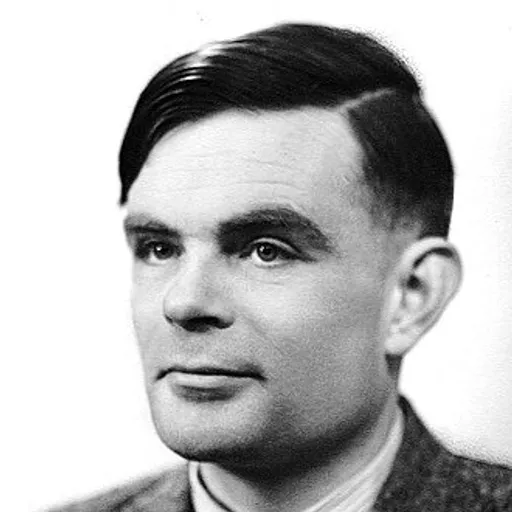
Alan Turing▼ Falling
At Bletchley Park, Turing built the machines that cracked Nazi Germany's Enigma code, shortening the war by an estimated two years and saving countless lives — then went on to sketch the theoretical blueprint for every computer that would follow. Persecuted and chemically castrated by the same government he'd helped save, his tragic end only sharpens the argument for his place here: he's the uncredited architect of the digital age.</br>
Era: Computing
added by IJRin 5 rankingsAlan Turing
-19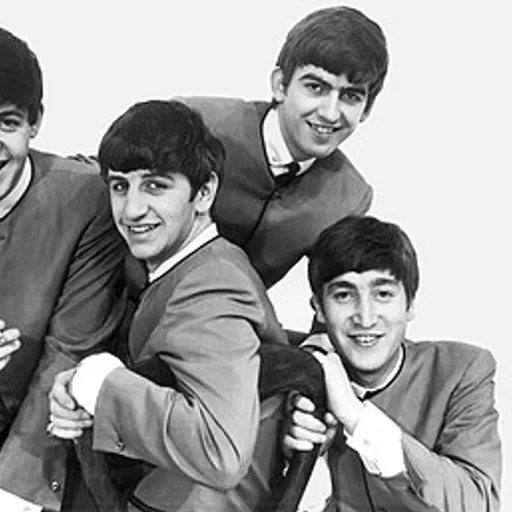
The Beatles▼ Falling
Four kids from Liverpool landed on The Ed Sullivan Show in 1964 and detonated Beatlemania, then spent the rest of the decade dragging pop music from mop-top singles into psychedelic studio art with albums like Sgt. Pepper's. They didn't just sell more records than anyone — they rewired what youth culture, celebrity, and a three-minute song could be, and pop music has never escaped their shadow.</br>
Era: Culture
added by IJRin 6 rankings
-37
Keep ranking
Comments (4)
Free account · your comment posts right after signup
This order is closer to right than any editor would've gotten.
The crowd is sleeping on the bottom half of this list.
Voted — and the gap between #1 and #2 should be bigger.