Best cities for tech jobs
The tech industry has reshaped entire cities, turning once-quiet neighborhoods into bustling hubs of innovation, startups, and six-figure salaries. But which city truly deserves the crown as the ultimate destination for tech talent—Silicon Valley's legacy, Austin's booming growth, Seattle's tech giants, or somewhere else entirely? Cast your vote and help settle the debate on where the best opportunities and quality of life for tech professionals really are.
What counts: Seeded with approximate real-world figures — the crowd's votes decide the order from here.
Austin▲ Rising
Tesla's gigafactory and Oracle's headquarters relocation turned this college town into 'Silicon Hills' practically overnight, with no state income tax sweetening the deal for both companies and engineers. The traffic on MoPac now rivals the Bay Area's, proof that the migration wasn't just hype—it was a full-scale industry transplant.
Metro pop.: 2,400,000Median home: $450,000Sunny days: 228
added by IJRin 9 rankings
81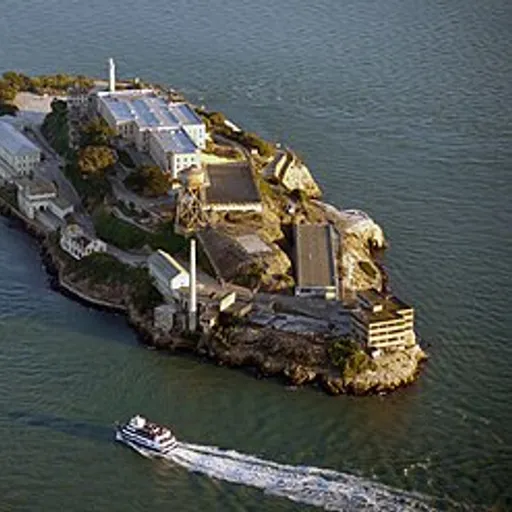
San Francisco▲ Rising
The birthplace of the modern tech boom, where garage startups became trillion-dollar companies and a two-bedroom apartment costs more than most Americans' annual salary. Despite the post-pandemic doom-loop headlines, the AI wave of the 2020s—OpenAI, Anthropic, and a fresh crop of unicorns—proved the city's gravitational pull on talent is nowhere near broken.
Metro pop.: 4,600,000Median home: $1,200,000Sunny days: 259
added by IJRin 8 rankings
47San Jose▲ Rising
The literal capital of Silicon Valley, home to the offices and sprawling campuses of Cisco, Adobe, and eBay, sitting at the geographic heart of the densest concentration of engineering talent on Earth. It's less flashy than San Francisco but arguably more essential—this is where the hardware and infrastructure of the internet actually get built.
Metro pop.: 1,900,000Median home: $1,400,000Sunny days: 257
added by IJRin 4 rankings
31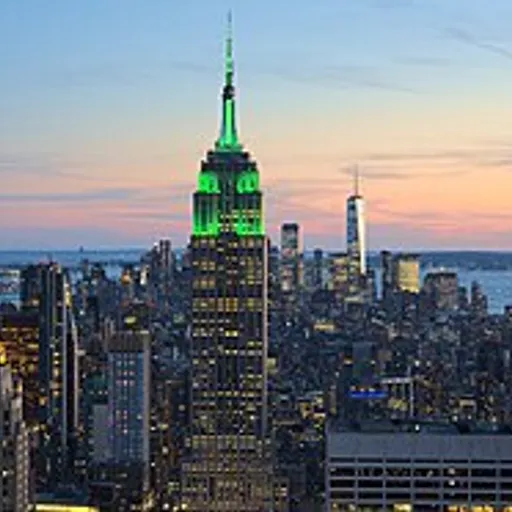
New York City▲ Rising
Once dismissed as a finance-only town, NYC's tech scene exploded when Google's Hudson Square campus and Facebook's massive Manhattan lease signaled that the coasts were merging. Add in a thriving fintech and ad-tech ecosystem plus more engineers than most cities have residents, and the city proved tech doesn't need a single-industry monoculture to thrive.
Metro pop.: 19,600,000Median home: $700,000Sunny days: 224
added by IJRin 13 rankings
23Columbus▲ Rising
Intel's $20 billion chip plant broke ground just outside the city, instantly making Ohio's capital a linchpin in America's semiconductor reshoring push. Combined with a lower cost of living and Ohio State's steady talent pipeline, Columbus became the sleeper pick that insiders started quietly betting on.
Metro pop.: 2,100,000Median home: $300,000Sunny days: 179
added by IJRin 4 rankings
21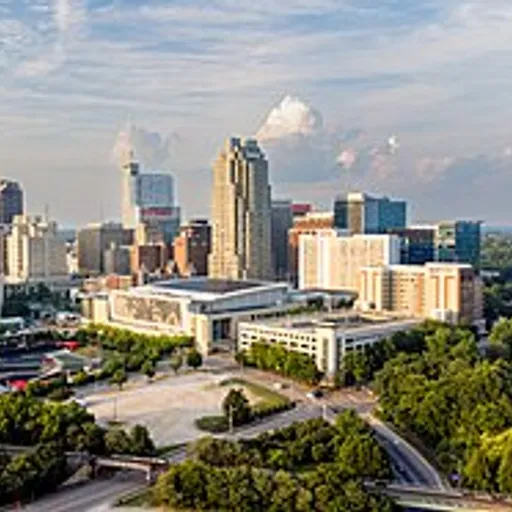
Raleigh▲ Rising
Anchored by Research Triangle Park and a swarm of biotech-meets-software startups, Raleigh rode North Carolina's university talent pipeline (NC State, Duke, UNC) into a legitimate tech hub. Apple's promised billion-dollar campus was the exclamation point on a decade of quiet, steady momentum.
Metro pop.: 1,500,000Median home: $420,000Sunny days: 213
added by IJRin 3 rankings
16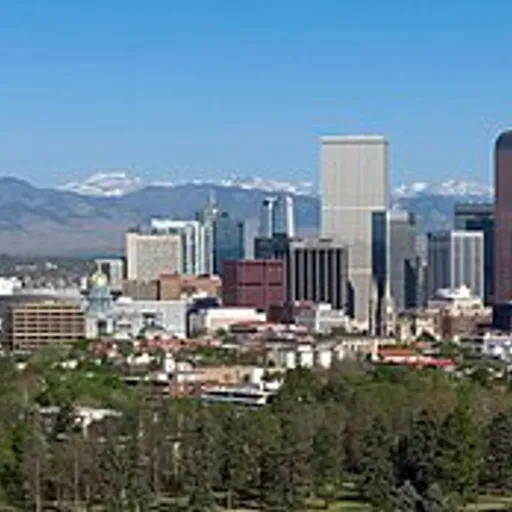
Denver▲ Rising
A magnet for tech workers chasing mountains on weekends and remote-friendly salaries during the week, Denver's scene surged as companies like Palantir and a wave of VC-backed startups planted flags along the Front Range. The lifestyle arbitrage—ski slopes an hour away, salaries still Bay-Area-adjacent—is the entire pitch.
Metro pop.: 3,000,000Median home: $560,000Sunny days: 245
added by IJRin 8 rankings
8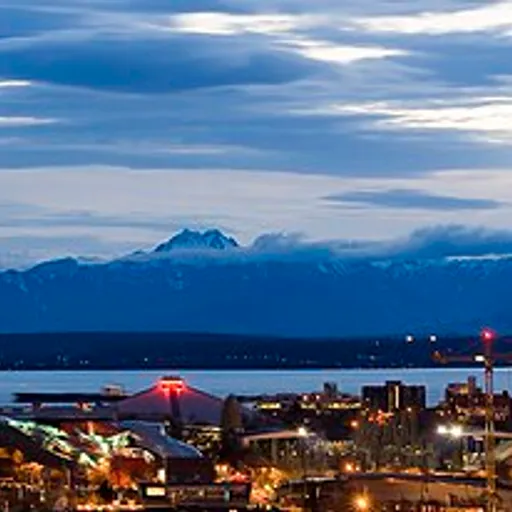
Seattle▼ Falling
Amazon and Microsoft didn't just create jobs here, they created an entire regional economy, turning a rainy port city into one of the highest-paid engineering markets in the country. The Eastside campuses alone employ more software engineers than most cities have residents, cementing Seattle as the Valley's quieter, richer sibling.
Metro pop.: 4,000,000Median home: $750,000Sunny days: 152
added by IJRin 8 rankings
1Durham▼ Falling
The other half of the Triangle, Durham built its tech identity around Duke University spinouts and a scrappy startup culture that thrives in old tobacco warehouses turned coworking spaces. It's proof that you don't need a coastal zip code to cultivate a legitimate innovation district—just cheap rent and smart neighbors.
Metro pop.: 600,000Median home: $400,000Sunny days: 211
added by IJRin 3 rankings
-9
Pittsburgh
Carnegie Mellon's robotics program turned a former steel city into an unlikely AI and autonomous-vehicle hub, with Uber's self-driving unit and Google's offices moving into old mill buildings. The 'Rust Belt to robotics' redemption arc is one of the most compelling underdog stories in American tech geography.
Metro pop.: 2,400,000Median home: $230,000Sunny days: 160
added by IJRin 8 rankings
-9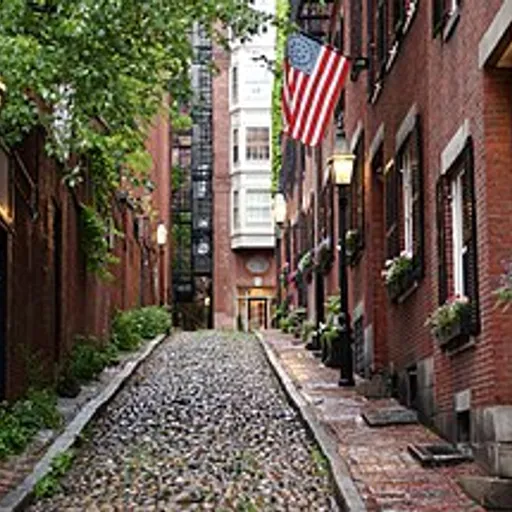
Boston▼ Falling
MIT and Harvard's research pipelines feed a biotech-and-robotics-heavy tech scene that's less flashy than social media apps but arguably more consequential—think Moderna's mRNA breakthroughs and Boston Dynamics' robots. It's the thinking person's tech hub, where PhDs outnumber pitch decks.
Metro pop.: 4,900,000Median home: $700,000Sunny days: 200
added by IJRin 8 rankings
-14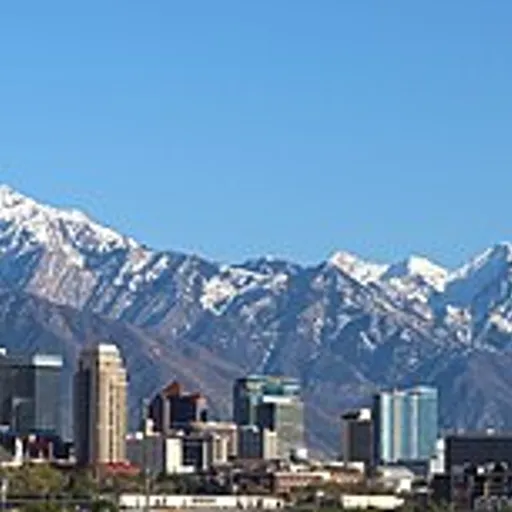
Salt Lake City▼ Falling
Dubbed 'Silicon Slopes,' the Wasatch Front quietly built a software ecosystem around companies like Qualtrics and Adobe's regional offices, all while offering some of the best work-life balance and skiing access in the country. Utah's business-friendly tax policy and surprising talent density made this the dark-horse pick nobody saw coming a decade ago.
Metro pop.: 1,300,000Median home: $550,000Sunny days: 222
added by IJRin 4 rankings
-20
Keep ranking
Comments (10)
Free account · your comment posts right after signup
The commute data should be weighted double, honestly.
Lived in two of these — the cost-of-living numbers are the whole story.
- NNoah IvanovJul 28, 2026
Weather is underrated in these rankings until you've done one bad winter.
Visited last spring and it absolutely lives up to the hype.