Best video games of the 1990s
The 1990s transformed video games from simple arcade diversions into rich, immersive experiences that defined a generation, thanks to leaps in 3D graphics, storytelling, and iconic franchises born in this golden era. From platformers to RPGs to fighting games, this decade's classics still spark fierce nostalgia and debate among gamers today. Which title do you think truly earned its legendary status? Cast your vote and help crown the best game of the 90s!
What counts: Seeded with approximate figures where shown — the crowd's votes decide the order.
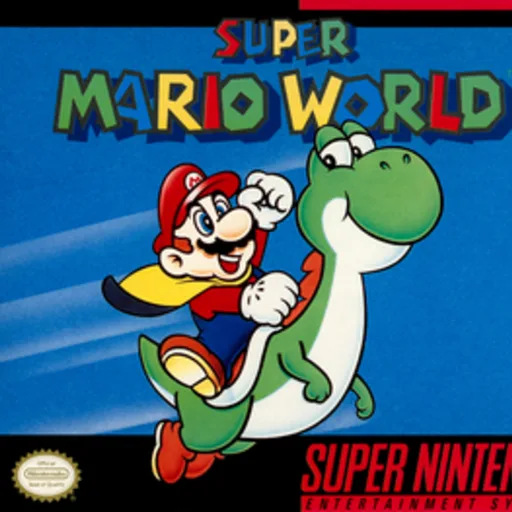
Yoshi's debut alone would've made this a classic, but the real genius is the secret exit obsession it planted in a generation of kids poring over every level for a hidden cape feather or a wall to spin-jump through. It perfected the Mario formula from the NES while doubling down on discovery, hiding an entire Star World and Special Zone behind cryptic switch-palace logic. As a launch-adjacent showcase for the SNES, it proved 16-bit platforming could be both bigger and tighter than anything before it.
Year: 1990Critic score: 9.6/10
added by Yourlist Editorialin 9 rankingsSuper Mario World
25The Legend of Zelda: Ocarina of Time
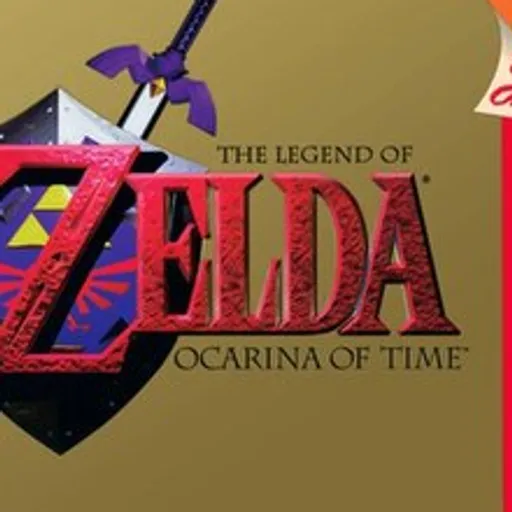
The moment Link steps out of the Kokiri Forest into Hyrule Field as an adult, the orchestral swell hitting as the sun rises, is the moment 3D adventure games grew up. Z-targeting solved the camera-and-combat problem every 3D game was flailing at, and the time-travel structure made Hyrule feel like a living, breathing world with a past and future. It tops so many all-time lists not by nostalgia alone but because two decades of designers have openly admitted they're still copying its homework.
Year: 1998Critic score: 9.9/10
added by Yourlist Editorialin 10 rankingsThe Legend of Zelda: Ocarina of Time
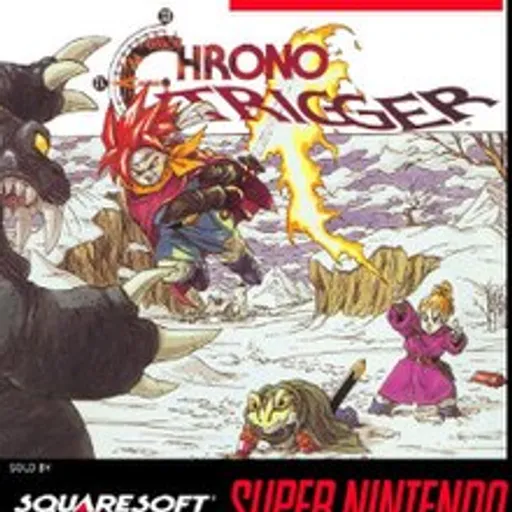
20No random encounters, visible enemies, and a time-travel plot that actually let your actions ripple across eras — Chrono Trigger didn't just tell a story, it let you break and remake history across twelve different endings. The Square/Enix dream team of Horii, Sakaguchi, and Toriyama produced something so tightly paced it never overstays its welcome, a rarity in an era of bloated JRPGs. It's the game JRPG diehards point to when they argue the genre peaked creatively before it ever got graphically ambitious.
Year: 1995Critic score: 9.6/10
added by Yourlist Editorialin 10 rankingsChrono Trigger
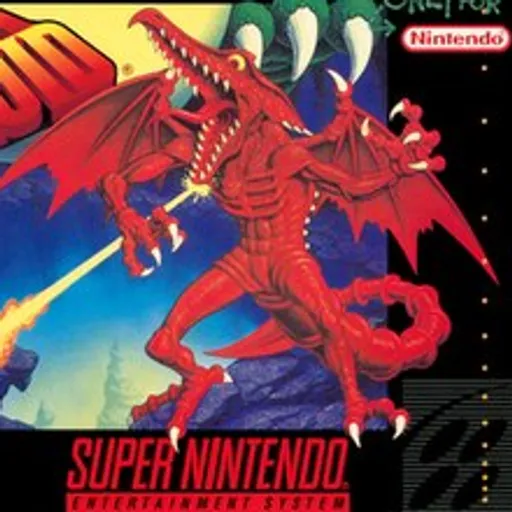
16Dropping into Zebes and hearing that lonely, atmospheric score while Samus explores in eerie isolation set the template for exploration-driven design that an entire genre would eventually be named after. The game trusts players completely, offering almost no hand-holding as it teaches through environmental storytelling — that famous wall-jump and speed-booster tech becoming community lore for decades. It's the quiet giant of the era, less flashy than its contemporaries but arguably more influential on how modern indie games are built.
Year: 1994Critic score: 9.6/10
added by Yourlist Editorialin 8 rankingsSuper Metroid
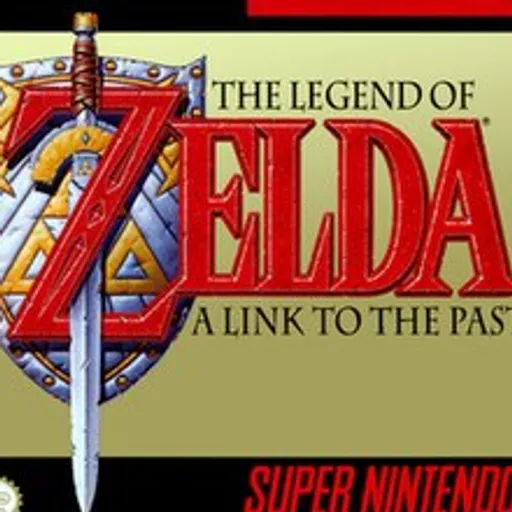
9The Legend of Zelda: A Link to the Past
The reveal that Hyrule has a shadow-mirror Dark World, and that puzzles require flipping between both to progress, turned a simple rescue quest into one of gaming's great structural achievements. It refined the original Zelda's open-ended exploration into something denser and more purposeful, packing dungeons with item-based puzzles that became the genre's grammar. Everything from Minish Cap to Tears of the Kingdom still owes a debt to this cartridge's blueprint.
Year: 1991Critic score: 9.5/10
added by Yourlist Editorialin 5 rankingsThe Legend of Zelda: A Link to the Past
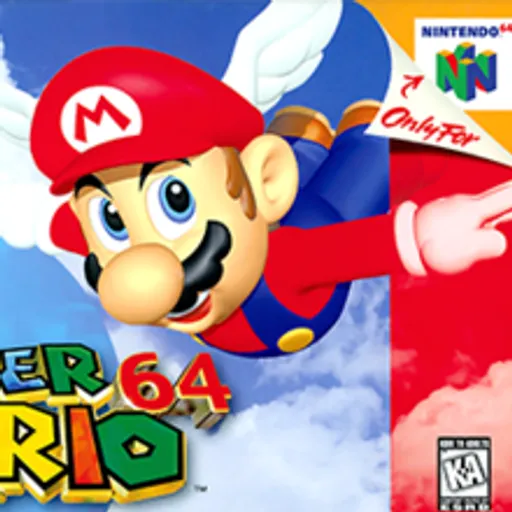
6Running into Peach's Castle and just being allowed to triple-jump around the courtyard before even grabbing a star was the moment millions of kids understood 3D gaming had actually arrived. Its open-ended stage design — collect stars in any order, explore Bob-omb Battlefield however you like — invented the 3D platformer genre almost fully formed on day one. Every camera-follow, every analog-stick control scheme since owes its DNA to this launch title's fearless experimentation.
Year: 1996Critic score: 9.4/10
added by Yourlist Editorialin 11 rankingsSuper Mario 64
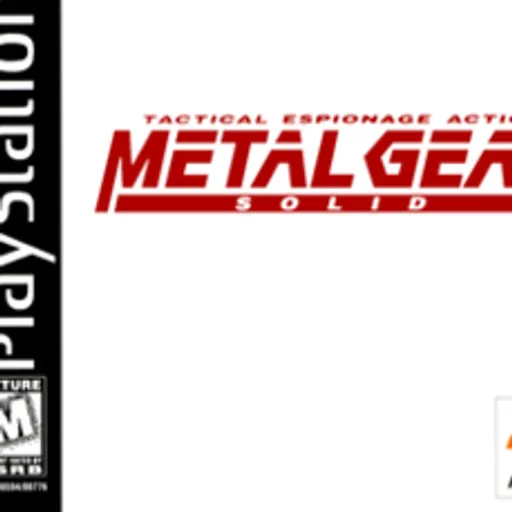
5Hiding in a cardboard box, calling Meryl on the real-world memory card to get her codec number, tricking Psycho Mantis by literally switching controller ports — Kojima's game treated the fourth wall as just another gameplay mechanic to exploit. It elevated stealth from a Metal Gear NES footnote into a cinematic genre with real tension, voice acting, and twist-laden plotting rivaling Hollywood thrillers. It's the game that convinced the industry games could be
Year: 1998Critic score: 9.4/10
added by Yourlist Editorialin 6 rankingsMetal Gear Solid
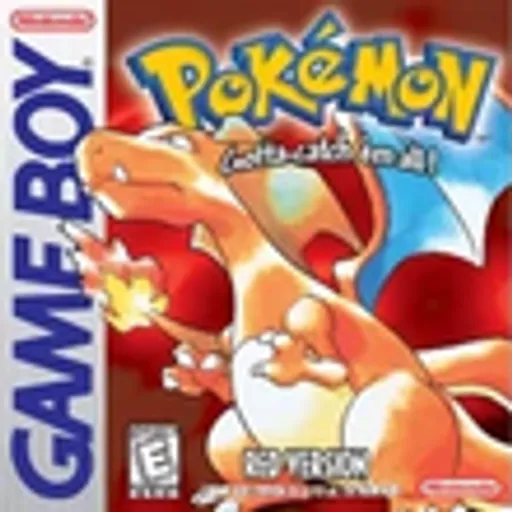
0Trading a Charmander through a link cable to complete your Pokédex wasn't just a mechanic, it was a social phenomenon that turned every schoolyard into a marketplace. Satoshi Tajiri's bug-catching childhood obsession became a monster-collecting RPG so addictive it single-handedly revived the aging Game Boy and launched a media empire that's still dominant. It proved handheld games could carry deep systems and genuine cultural weight, not just quick arcade distractions.
Year: 1996Critic score: 9.4/10
added by Yourlist Editorialin 4 rankingsPokémon Red and Blue
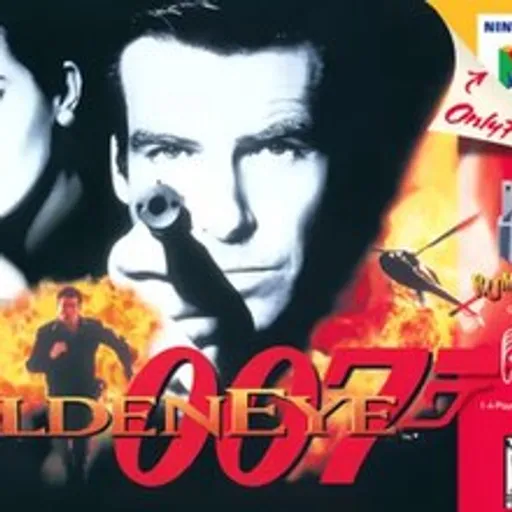
-4The Facility level, the Klobb-only slap-fest multiplayer matches, the sniper rifle picking off guards from a rooftop — GoldenEye proved a console could do a legitimate FPS and then proved four-player split-screen deathmatch could dominate sleepovers for years. It took a middling movie license and built a shooter with mission objectives, stealth options, and difficulty-based level changes that made replaying it feel fresh every time. Without it, there's no console shooter renaissance, no Halo party culture — it's the Rosetta Stone of shooters on a joystick.
Year: 1997Critic score: 9.6/10
added by Yourlist Editorialin 9 rankingsGoldenEye 007
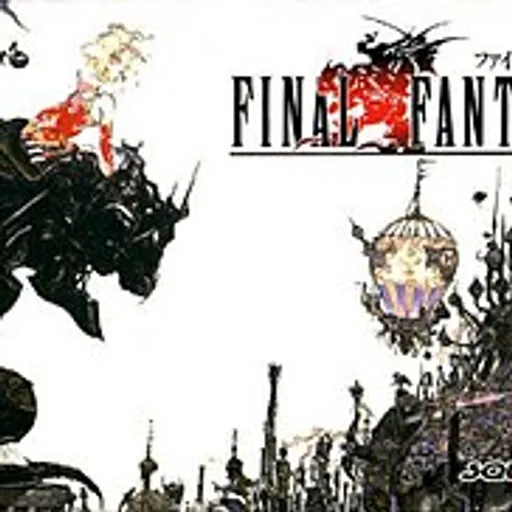
-5The opera house scene, where Celes sings for real and the game briefly becomes a rhythm-driven emotional gut-punch, is still cited as one of gaming's first great non-combat storytelling triumphs. With a mad clown villain in Kefka who actually succeeds in destroying the world halfway through, FFVI dared to break the JRPG's usual redemption arc structure entirely. Its ensemble cast of fourteen playable characters, each with genuine arcs, made it feel like the genre's first true novel.
Year: 1994Critic score: 9.4/10
added by Yourlist Editorialin 6 rankingsFinal Fantasy VI
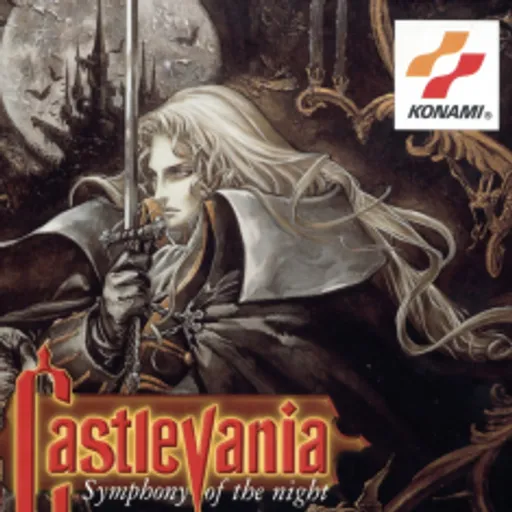
-7Castlevania: Symphony of the Night
Konami's 1997 gothic masterpiece transformed a linear action series into a sprawling Metroidvania, letting players explore Dracula's castle nonlinearly while collecting RPG-lite gear and spells. Its lush pixel art, haunting soundtrack, and the iconic 'What is a man?' cutscene cemented it as a cult classic that only grew in stature over time. Initially a modest seller, it's now regarded as one of the most influential and replayed titles of the decade.
Year: 1997Critic score: 9.3/10
added by Yourlist Editorialin 4 rankingsCastlevania: Symphony of the Night
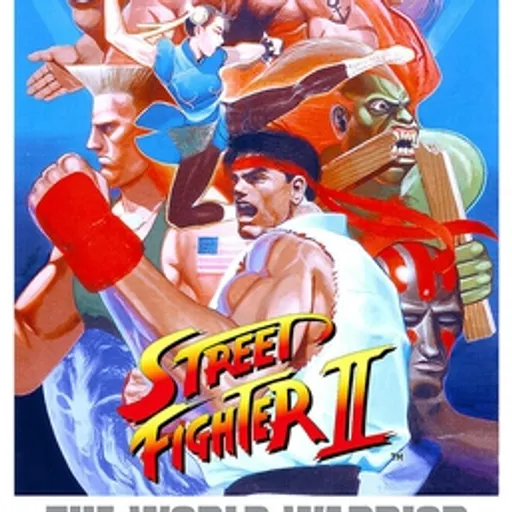
-8Capcom's 1991 arcade juggernaut didn't just popularize the fighting game genre—it built its grammar, introducing combos, character-specific movesets, and competitive head-to-head arcade culture worldwide. Ryu's hadouken and the roster's rivalries fueled a global phenomenon that spawned countless sequels, ports, and an esports lineage still felt today. Its impact on arcades and home consoles alike makes it a cornerstone of 90s gaming.
Year: 1991Critic score: 9.3/10
added by Yourlist Editorialin 5 rankingsStreet Fighter II
-13