Best video games of the 2020s
The 2020s have already delivered a remarkable run of video games, spanning sprawling open worlds, inventive indies, and genre-defining blockbusters that have shaped how millions play and connect. With so many contenders vying for a spot in gaming history, the debate over which titles truly stand above the rest is far from settled. Cast your vote and help decide which games define this decade.
What counts: Seeded with approximate figures where shown — the crowd's votes decide the order.
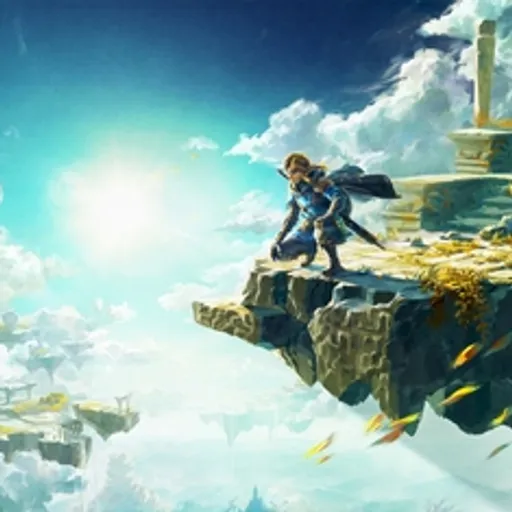
The Legend of Zelda: Tears of the Kingdom
Nintendo took the already-perfect Breath of the Wild formula and detonated it, handing players Ultrahand and letting them literally bolt together tanks, planes, and questionable murder-bots to solve puzzles the developers never scripted. It didn't just add sky islands and a spooky Depths layer, it redefined what 'sequel' could mean by treating the first game as a rough draft rather than a finished product. The sheer volume of emergent, YouTube-clip-worthy player creativity it unleashed makes it one of the decade's most culturally infectious releases.
Year: 2023Critic score: 9.6/10
added by Yourlist Editorialin 8 rankingsThe Legend of Zelda: Tears of the Kingdom
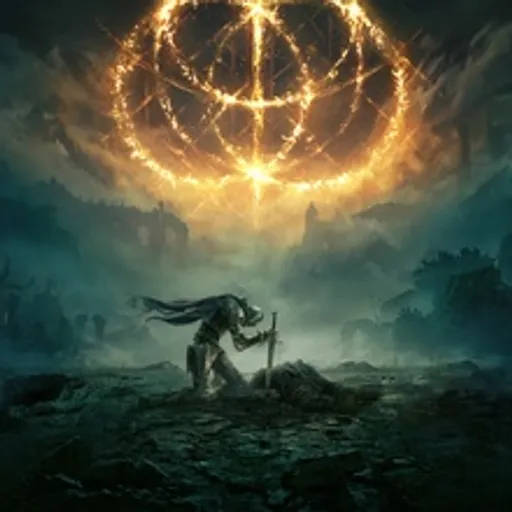
40FromSoftware and George R.R. Martin cracked open the Soulsborne formula and let it breathe across an open world so dense with secrets that a legless jar-man NPC crawling across the map became a genuine meme. Torrent the spectral horse and vertical exploration turned punishing boss gauntlets into something closer to freeform mythic wandering, and the Game of the Year sweep in 2022 cemented it as the genre's high-water mark. It's the argument-ender for anyone who says difficulty and open-world freedom can't coexist.
Year: 2022Critic score: 9.6/10
added by Yourlist Editorialin 15 rankingsElden Ring
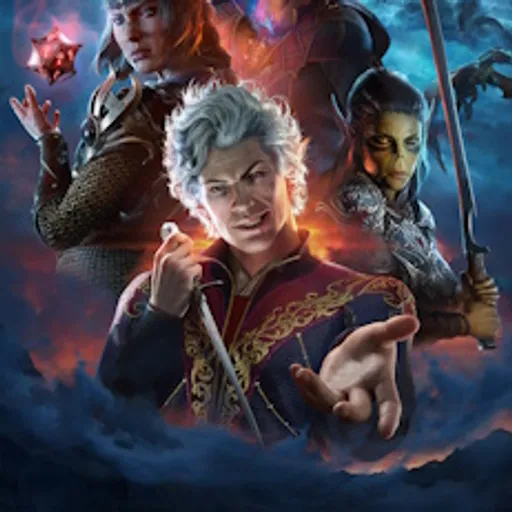
35Larian proved that a game can let you seduce a vampire spawn, turn into a bear mid-combat, and pickpocket a god, all while telling a story with the mechanical rigor of actual tabletop D&D underneath. The sheer reactivity, where killing a random goblin in Act One can ripple into consequences hours later, made 'just try it and see' a legitimate strategy rather than a meme, and it became the game that made Steam reviews collectively lose their minds over how much developers actually cared. It single-handedly reset expectations for what a AAA RPG owes its players in choice and craft.
Year: 2023Critic score: 9.6/10
added by Yourlist Editorialin 9 rankingsBaldur's Gate 3
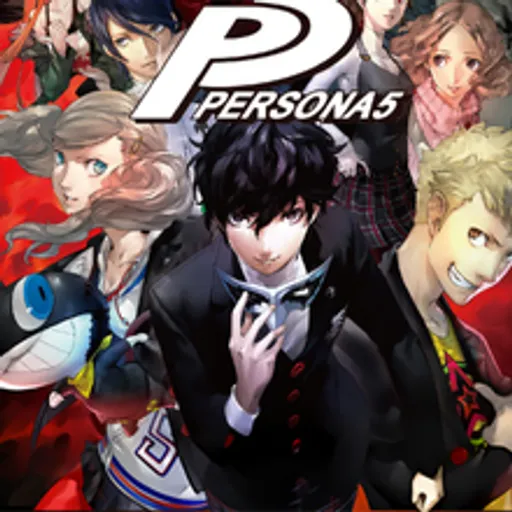
29The definitive version of an already-stylish heist-and-highschool RPG added a third semester, a new confidant in Kasumi, and Maruki's utopia arc, turning an already great game into the genre's gold standard for how to re-release and improve a masterpiece. Its all-timer soundtrack and razor-sharp UI design turned menu navigation into an aesthetic event, influencing a generation of indie devs chasing that same needle-drop swagger. It's the phantom thief calling card that convinced Western audiences JRPGs could be effortlessly, dangerously cool.
Year: 2020Critic score: 9.5/10
added by Yourlist Editorialin 5 rankingsPersona 5 Royal
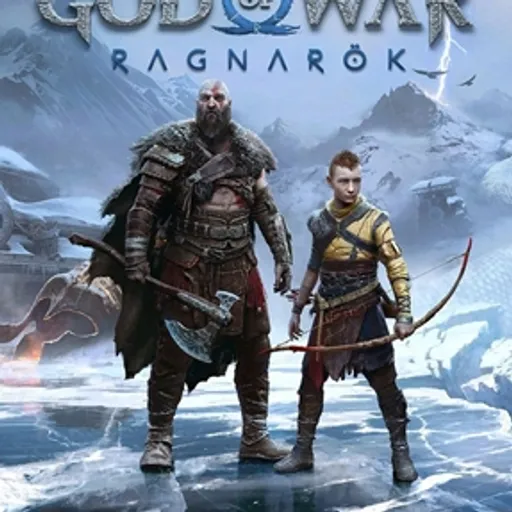
22Kratos and Atreus's Norse saga closed out with Ragnarök itself, giant set-piece battles against Thor and Odin that finally let the franchise's brutal intimacy scale up to full mythological spectacle. Sindri's arc and the game's willingness to sit in grief and rage without flinching gave the sequel emotional stakes most action games don't bother reaching for. It's the rare franchise climax that actually sticks the landing, tying off a decade-spanning redemption story with real weight.
Year: 2022Critic score: 9.4/10
added by Yourlist Editorialin 3 rankingsGod of War Ragnarök
6Hades
Supergiant fused roguelike death-loops with an honest-to-god branching narrative, so every failed escape from the Underworld deepened Zagreus's relationships with Achilles, Megaera, and a beautifully petty pantheon of Greek gods instead of just resetting the clock. Its house-rebuilding meta-progression and razor-tight combat made 'one more run' a genuine narrative engine, not just a difficulty crutch, and it became the indie roguelike that finally crossed over to mainstream Game of the Year contention. It's the blueprint every dungeon-crawler since has been chasing.
Year: 2020Critic score: 9.3/10
added by Yourlist Editorialin 13 rankings
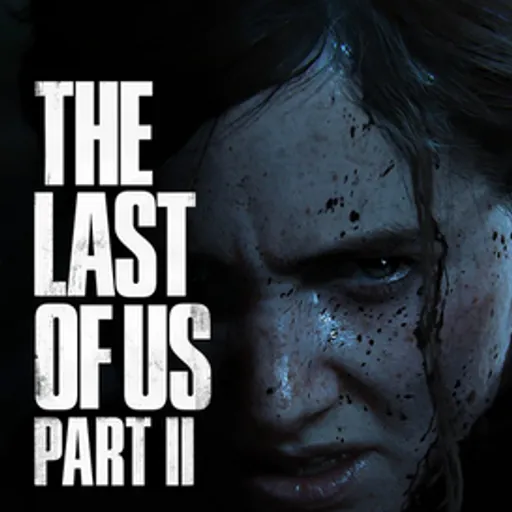
5Naughty Dog spent the whole game forcing players to embody Abby, the woman who kills Joel in the opening hours, and dared them to feel something other than hatred, a structural gut-punch that split the internet down the middle. Whatever your stance on Ellie's revenge spiral or the theater-stage finale, the sheer craft of its animation, its unflinching violence, and its refusal to give anyone a clean catharsis made it the most discussed narrative game of the decade. Love it or loathe it, it changed what publishers thought players would tolerate from a blockbuster story.
Year: 2020Critic score: 9.3/10
added by Yourlist Editorialin 2 rankingsThe Last of Us Part II
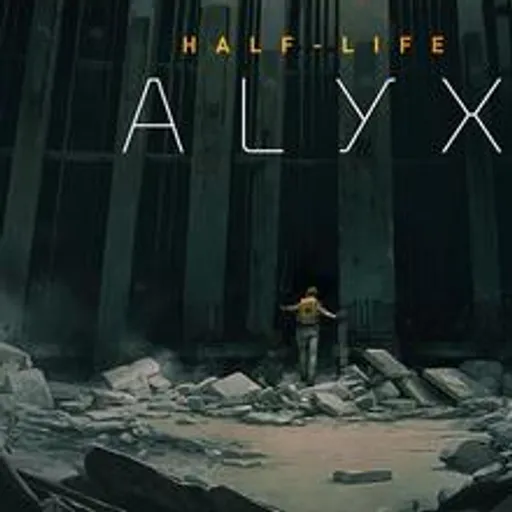
3Valve returned to the series that invented modern FPS storytelling and, instead of a normal sequel, built a VR game so meticulously physical that just prying open a cabinet or gluing a resin grenade together felt like a revelation. It proved VR wasn't a tech demo gimmick but a legitimate home for AAA-caliber design, with Jeff the blind zombie becoming an instant survival-horror icon. It's the headset-selling killer app that finally justified a decade of VR hype.
Year: 2020Critic score: 9.3/10
added by Yourlist Editorialin 5 rankingsHalf-Life: Alyx
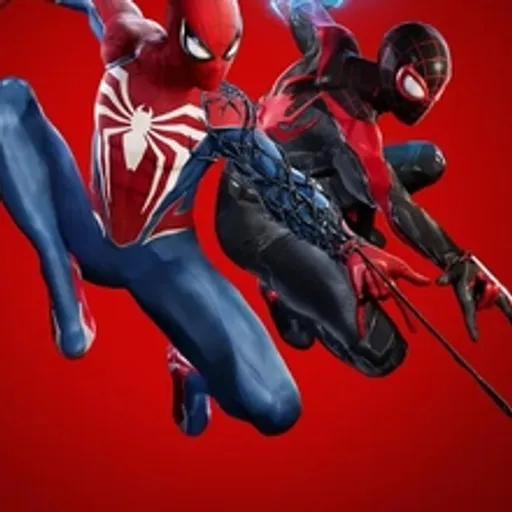
-1Insomniac gave players two fully web-slinging Spider-Men simultaneously and let Venom's arrival turn Peter's suit into a body-horror centerpiece, delivering the franchise's darkest, most kinetic swings yet. The traversal upgrades, wing-suit gliding and faster web-zipping, made Manhattan feel smaller and more playable in the best way, turning every side trip into pure joy. It's the superhero game that proved sequels can escalate spectacle without losing the character-driven heart that made the first one click.
Year: 2023Critic score: 9/10
added by Yourlist Editorialin 4 rankingsMarvel's Spider-Man 2
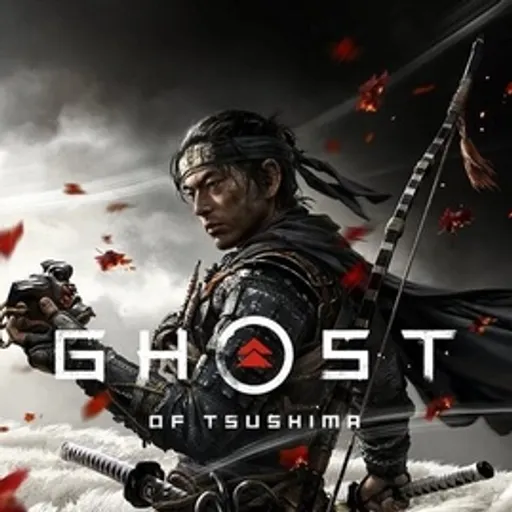
-6Sucker Punch took the open-world checklist formula and dressed it in gorgeous, wind-guided minimalism, letting Jin Sakai's katana duels and drifting cherry blossoms do storytelling that HUD markers never could. Kurosawa Mode turned the whole thing into a grainy black-and-white samurai film you could actually play, and the swordplay's satisfying stance-switching made every standoff feel like a spaghetti-western showdown. It's the game that proved open-world fatigue could be cured with mood and restraint instead of more icons.
Year: 2020Critic score: 9.2/10
added by Yourlist Editorialin 6 rankingsGhost of Tsushima
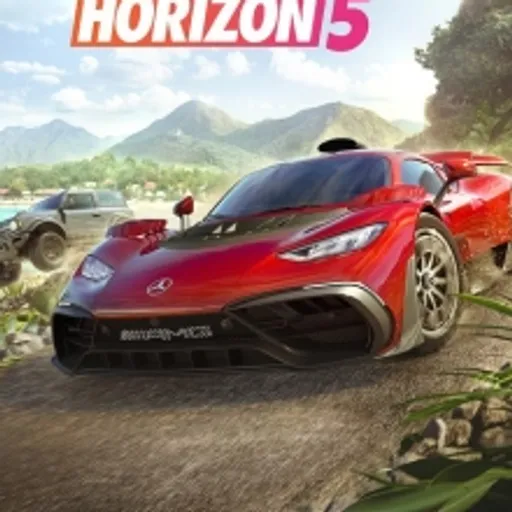
-10Playground Games built a hyper-detailed Mexico full of volcanoes, jungles, and living storms, then let players skydive out of planes into races without ever pausing the party-festival energy the series is known for. The Horizon Arcade and constant seasonal content turned it into less a racing game than an ongoing automotive theme park, with photo-mode screenshots of sunset canyon drives becoming their own genre of internet flex. It's the series at its most technically dazzling and most welcoming to people who don't even like racing games.
Year: 2021Critic score: 9.2/10
added by Yourlist Editorialin 6 rankingsForza Horizon 5
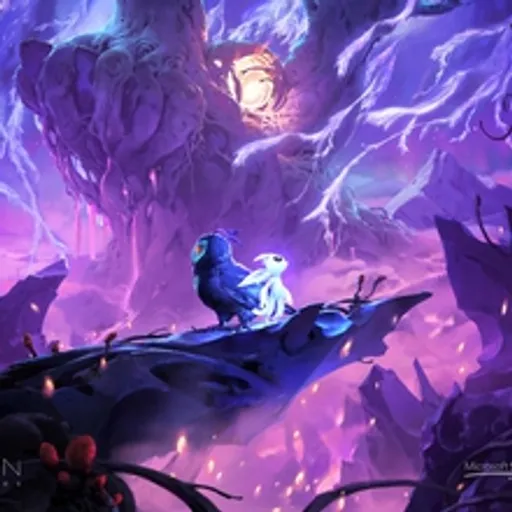
-15Moon Studios doubled down on Ori's aching beauty and turned the platforming up to a genuinely punishing degree, with the Kwolok's Hollow chase sequence in particular becoming a legendary trial-by-fire for genre fans. Its hand-painted forests and Gareth Coker's swelling score made loss and rebirth feel operatic rather than saccharine, elevating the Metroidvania's emotional ceiling. It's proof the genre could still find new, tear-jerking places to go even after Hollow Knight raised the bar.
Year: 2020Critic score: 9/10
added by Yourlist Editorialin 6 rankingsOri and the Will of the Wisps
-18