Best open-world games of all time
Open-world games redefined what it means to play by handing us entire universes to explore at our own pace, turning virtual landscapes into playgrounds of endless possibility. From sprawling fantasy kingdoms to gritty urban sandboxes, these titles have shaped how we think about freedom, storytelling, and adventure in gaming. Which open-world masterpiece reigns supreme? Cast your vote and help settle the debate.
What counts: Seeded with approximate figures where shown — the crowd's votes decide the order.
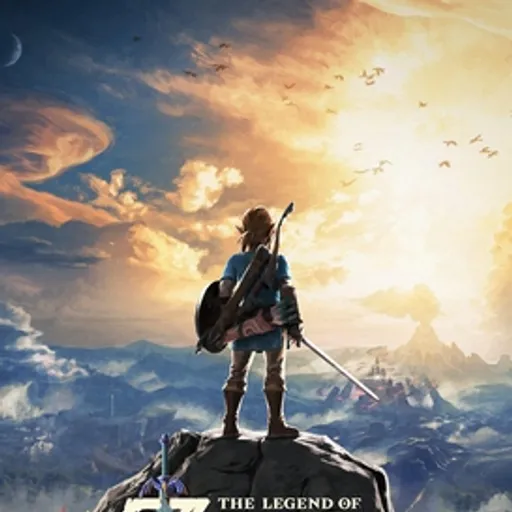
The Legend of Zelda: Breath of the Wild▲ Rising
The moment you step out of the Shrine of Resurrection onto the Great Plateau and the camera pulls back to reveal an entire continent with no waypoints telling you where to go, open-world design got rebooted overnight. Chemistry-engine physics meant every cliff was climbable and every problem had ten solutions, killing the era of icon-cluttered maps for good. It didn't just influence the genre, it embarrassed a decade of Ubisoft towers into obsolescence.
Year: 2017Critic score: 9.7/10
added by IJRin 9 rankings
62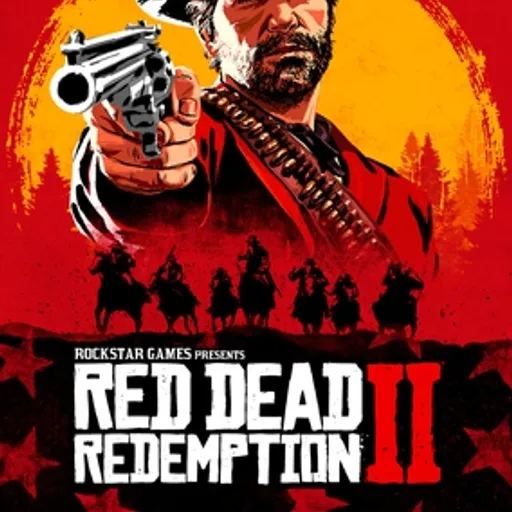
Red Dead Redemption 2▲ Rising
Arthur Morgan's slow, doomed unraveling across a dying Wild West turned an open world into a eulogy, where you could spend twenty minutes skinning a legendary bear or just watching your horse's balls shrink in the cold. Rockstar's obsessive simulation of weight, weather, and consequence made every saloon brawl and train robbery feel lived-in rather than scripted. It's the game that proved open worlds could carry genuine literary tragedy, not just checklist chaos.
Year: 2018Critic score: 9.7/10
added by IJRin 11 rankings
53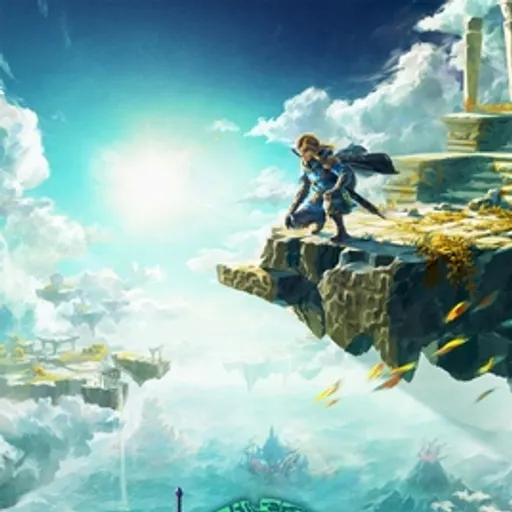
The Legend of Zelda: Tears of the Kingdom▲ Rising
Ultrahand and Fuse turned Hyrule's sky and depths into a physics sandbox where players built cars, flying machines, and absurd death-Rube-Goldberg contraptions the developers never explicitly designed. It took the already-revolutionary Breath of the Wild formula and layered three vertical worlds on top, daring you to reimagine the same map from scratch. The internet became one giant creation-showcase reel, proof that a sequel could out-invent its own genre-defining predecessor.
Year: 2023Critic score: 9.6/10
added by IJRin 6 rankings
26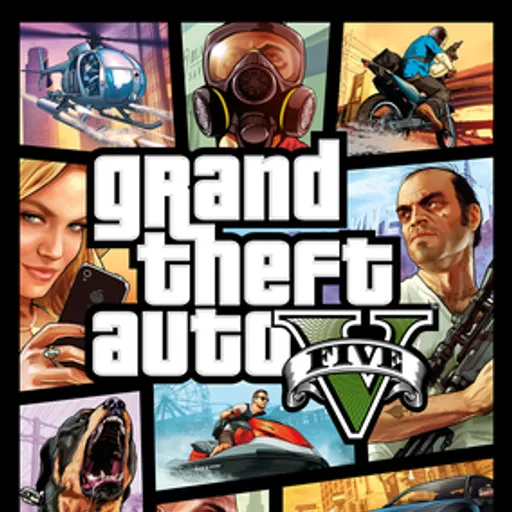
Grand Theft Auto V▲ Rising
Three protagonists, one city, and a heist structure that let you rob banks as a psychopath, a professional, or a family man trying to stay clean—GTA V made Los Santos feel like a living satire of America a decade before anyone else tried. Michael, Franklin, and Trevor's switch mechanic reinvented how open-world narrative could juggle perspective. A decade-plus later it's still printing money and topping charts, which is its own argument for legendary status.
Year: 2013Critic score: 9.7/10
added by IJRin 8 rankings
18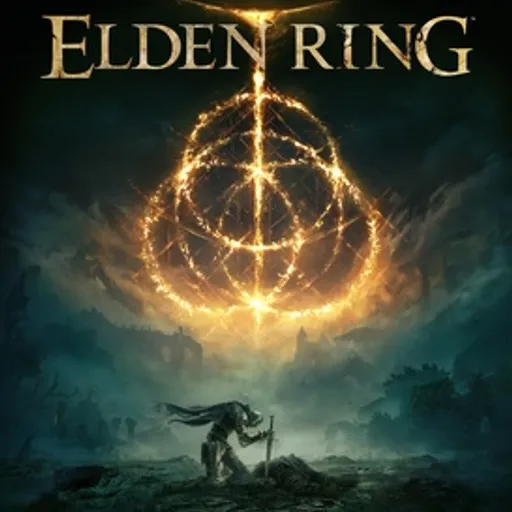
Elden Ring▲ Rising
FromSoftware finally let players choose their own difficulty spike by wandering off the critical path into the Lands Between, discovering a dragon or a catacomb or a legacy dungeon nobody pointed you toward. Malenia's Waterfowl Dance became the modern benchmark for 'the boss that breaks controllers,' while the sheer density of secrets rewarded curiosity like nothing since. It married Soulsborne brutality with true open-world freedom and somehow made both halves better.
Year: 2022Critic score: 9.6/10
added by IJRin 13 rankings
13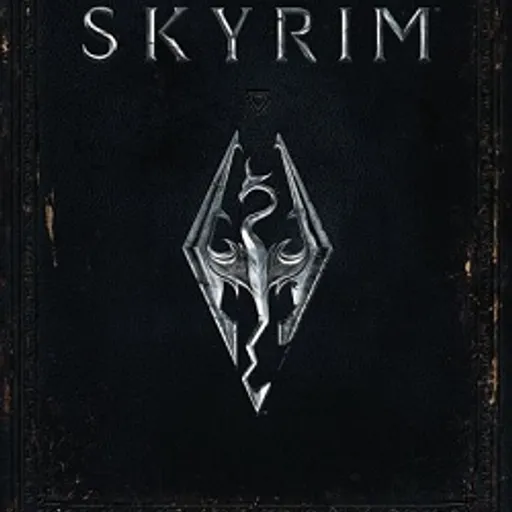
Skyrim▲ Rising
You're chasing the main quest, get distracted by a dragon shout on a mountaintop, and three hours later you've founded a thieves' guild reputation and married a blacksmith in Whiterun—that's just Tuesday in Skyrim. Bethesda's emergent jank became a feature, spawning a decade of memes, mods, and re-releases on every device with a power button. Few games have so thoroughly colonized pop culture while still being, mechanically, kind of a mess in the best way.
Year: 2011Critic score: 9.4/10
added by IJRin 4 rankings
4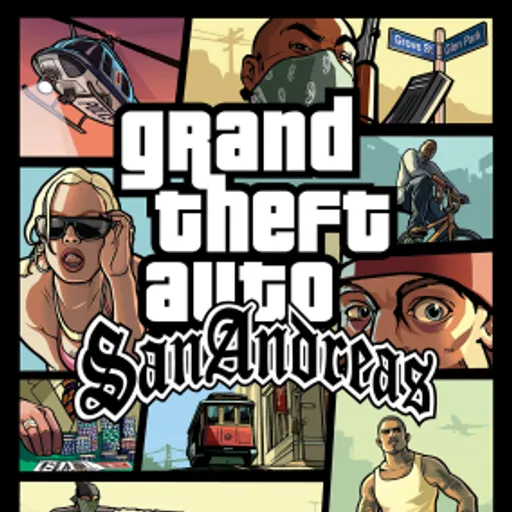
Grand Theft Auto: San Andreas▼ Falling
CJ flying a jetpack over Las Venturas after grinding gym stats and eating enough burgers to gain weight was, in 2004, an almost incomprehensible amount of open-world ambition packed onto a PS2 disc. Three cities, a full state, gang warfare, and a soundtrack that's basically hip-hop canon made San Andreas feel bottomless before 'bottomless' was even a genre expectation. It's the blueprint every modern open-world game is still quietly copying homework from.
Year: 2004Critic score: 9.3/10
added by IJRin 4 rankings
-25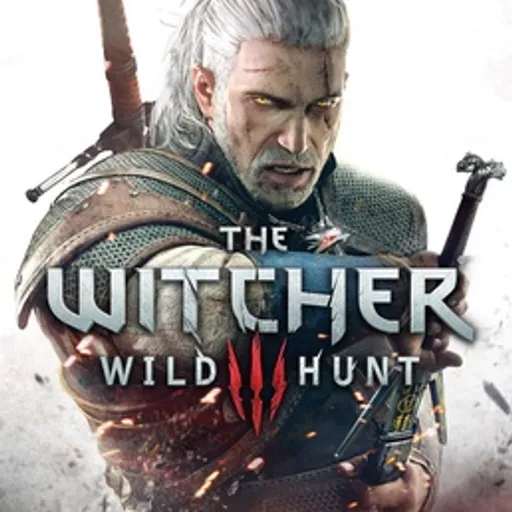
The Witcher 3: Wild Hunt▼ Falling
The Bloody Baron questline alone did more emotionally nuanced storytelling than most RPGs manage in their entire runtime, wrapping a monster-hunting sandbox around genuinely great writing. CD Projekt Red proved that side quests didn't have to be filler—they could be the best content in the game, often better than the main story. Geralt's slog through war-torn, morally gray Velen set the standard every 'choices matter' open world has chased since.
Year: 2015Critic score: 9.3/10
added by IJRin 9 rankings
-27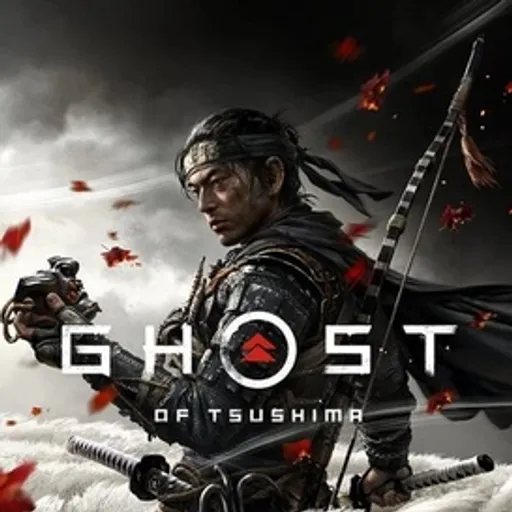
Ghost of Tsushima▼ Falling
Jin Sakai standing in a field of pampas grass as the wind literally points you toward your next objective, no minimap required, was the single cleanest 'show don't tell' innovation open worlds had seen in years. Sucker Punch dressed a fairly familiar Ubisoft-style structure in gorgeous, painterly restraint and a genuinely great samurai combat system to match. It's the argument that presentation and mood can elevate a well-worn formula into something that feels brand new.
Year: 2020Critic score: 9.2/10
added by IJRin 6 rankings
-31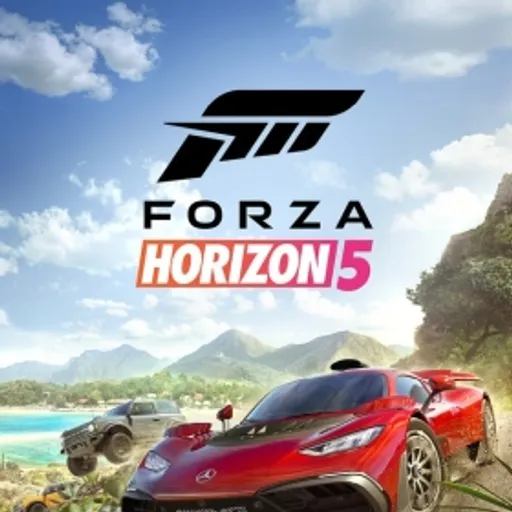
Forza Horizon 5▼ Falling
Mexico's volcanoes, jungles, and dust-storm deserts became the backdrop for the most joyful, frictionless open world in racing, where a jaw-dropping dynamic weather system turns a highway drift into a genuine spectacle. Playground Games ditched grit for pure vibrant fun, layering festival culture and absurd stunt physics over a genuinely huge, gorgeous map. It's the rare open-world game that never asks you to be a hero—just to have a good time doing donuts around a volcano.
Year: 2021Critic score: 9.2/10
added by IJRin 6 rankings
-47
Keep ranking
Comments (6)
Free account · your comment posts right after signup
This order is closer to right than any editor would've gotten.
Exactly the kind of argument the internet was built for.
The crowd is sleeping on the bottom half of this list.
- ZZack TanakaJul 27, 2026
Voted — and the gap between #1 and #2 should be bigger.