
🎤Best Male Vocalists of All Time
Vocal greatness combines range, emotional power, technical control, and lasting influence across decades of recorded music. These singers shaped genres and inspired generations through unmistakable voices and iconic performances. Compare the candidates and vote for your top picks.
What counts: Best means unmatched vocal technique, range, interpretive depth, and cultural impact; figures like octave counts and award totals are approximate estimates from public sources.
Mercury's four-octave command turned Queen into stadium giants, peaking with the soaring 'Bohemian Rhapsody' that showcased operatic control and raw rock power. His live performances proved he could deliver precision and emotion at massive scale. No other rock frontman matched that combination of technique and charisma.
Range (octaves): 4 octavesMain Genres: Rock, PopCareer Start: 1,970Major Awards: 2Influence: 10/10
- Exceptional live stamina
- Genre-blending songwriting
- Instantly recognizable tone
- Limited solo catalog
- Studio effects on some highs
- Short solo career
added by Yourlist Editorialin 3 rankingsFreddie Mercury
35Brown's raw, shouted delivery and rhythmic grunts powered funk's birth, turning vocals into percussive instruments on tracks like 'Papa's Got a Brand New Bag.' Live shows featured call-and-response mastery that influenced every subsequent soul and hip-hop artist. Energy never flagged across marathon sets.
Range (octaves): 3 octavesMain Genres: Funk, SoulCareer Start: 1,956Major Awards: 7Influence: 9/10
- Unmatched stage energy
- Rhythmic vocal innovation
- Direct influence on hip-hop
- Less suited to ballads
- Repetitive structures
- Limited melodic variety
added by Yourlist EditorialJames Brown
25Presley fused gospel, blues, and country into a revolutionary vocal style that launched rock and roll, with early Sun sessions capturing raw energy that defined a generation. His 1968 comeback special restored the edge after years of movie soundtracks. The voice remained a global benchmark for decades.
Range (octaves): 3 octavesMain Genres: Rock, Country, GospelCareer Start: 1,954Major Awards: 3Influence: 10/10
- Pioneering genre fusion
- Massive cultural reach
- Versatile across ballads and uptempo
- Later career vocal strain
- Heavy reliance on producers
- Inconsistent output post-1960s
added by Yourlist Editorialin 3 rankingsElvis Presley
18Jackson's precise falsetto and rhythmic phrasing drove Thriller to historic sales, while the 'Billie Jean' vocal hook became a global standard for pop performance. His ability to layer multiple vocal textures in the studio set new production benchmarks. The voice carried both innocence and intensity across four decades.
Range (octaves): 4 octavesMain Genres: Pop, R&BCareer Start: 1,969Major Awards: 15Influence: 10/10
- Studio layering mastery
- Dance-vocal synchronization
- Broad commercial dominance
- Heavy production dependency
- Limited raw rock power
- Later health-affected tone
added by Yourlist Editorialin 9 rankingsMichael Jackson
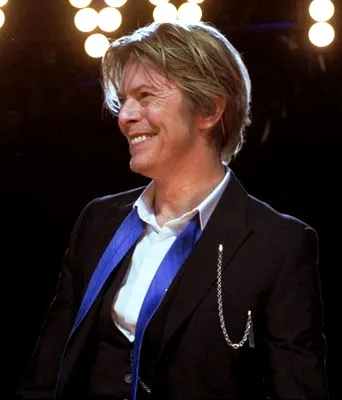
18Bowie reinvented his vocal character for each persona, from the theatrical Ziggy Stardust to the soulful Thin White Duke, proving adaptability could equal raw power. 'Heroes' captured a soaring, anthemic delivery that influenced alternative music. His chameleon approach kept listeners engaged for five decades.
Range (octaves): 3 octavesMain Genres: Rock, Art PopCareer Start: 1,967Major Awards: 6Influence: 9/10
- Constant reinvention
- Theatrical delivery
- Strong songwriting integration
- Less consistent power
- Sometimes stylized over emotional
- Early recordings less polished
added by Yourlist Editorialin 8 rankingsDavid Bowie
18Sinatra turned the microphone into a conversational instrument, phrasing lyrics with jazz timing that made standards feel personal across the Capitol years. His ability to sustain long notes with vibrato control defined the American songbook for later generations. No pop singer matched that intimacy at scale.
Range (octaves): 3 octavesMain Genres: Jazz, Pop StandardsCareer Start: 1,935Major Awards: 9Influence: 9/10
- Unmatched phrasing control
- Longevity across eras
- Definitive interpreter of standards
- Narrower genre range
- Less technical power than rock singers
- Relied on arrangers
added by Yourlist Editorialin 3 rankingsFrank Sinatra
12Prince switched between falsetto and chest voice with ease, layering multi-tracked vocals on 'Purple Rain' that blended rock, funk, and soul into something singular. His live performances revealed both technical range and improvisational freedom. Few artists matched that genre fluidity.
Range (octaves): 4 octavesMain Genres: Funk, Rock, PopCareer Start: 1,978Major Awards: 8Influence: 9/10
- Multi-genre fluency
- Studio multi-tracking skill
- Live improvisation
- Dense production sometimes obscures voice
- Inconsistent later releases
- Less mainstream ballad focus
added by Yourlist Editorialin 10 rankingsPrince
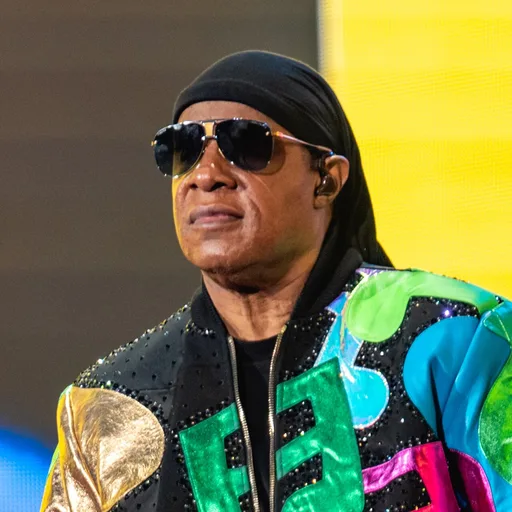
10Wonder's multi-octave range and keyboard-driven arrangements produced classics like 'Superstition,' where his voice locked perfectly with complex rhythms. Blind from childhood, he used vocal texture to convey joy and social commentary with equal force. His 1970s run remains unmatched for artistic control.
Range (octaves): 4 octavesMain Genres: Soul, R&B, PopCareer Start: 1,961Major Awards: 25Influence: 9/10
- Multi-instrumental command
- Socially conscious lyrics
- Impeccable groove sense
- Later output less innovative
- Heavy studio focus
- Fewer raw rock performances
added by Yourlist Editorialin 9 rankingsStevie Wonder
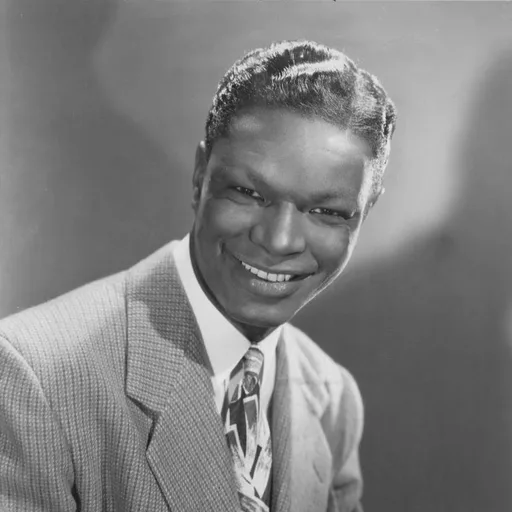
9Cole's warm baritone turned jazz standards into radio hits, with 'Unforgettable' demonstrating effortless phrasing and tonal beauty that crossed racial barriers in the 1950s. His transition from piano trio leader to pop vocalist expanded the reach of sophisticated singing. Tone remains a reference point for crooners.
Range (octaves): 3 octavesMain Genres: Jazz, PopCareer Start: 1,936Major Awards: 5Influence: 8/10
- Silky tonal quality
- Pioneer crossover success
- Piano-vocal integration
- Narrower dynamic range
- Less rock edge
- Shorter peak period
added by Yourlist EditorialNat King Cole
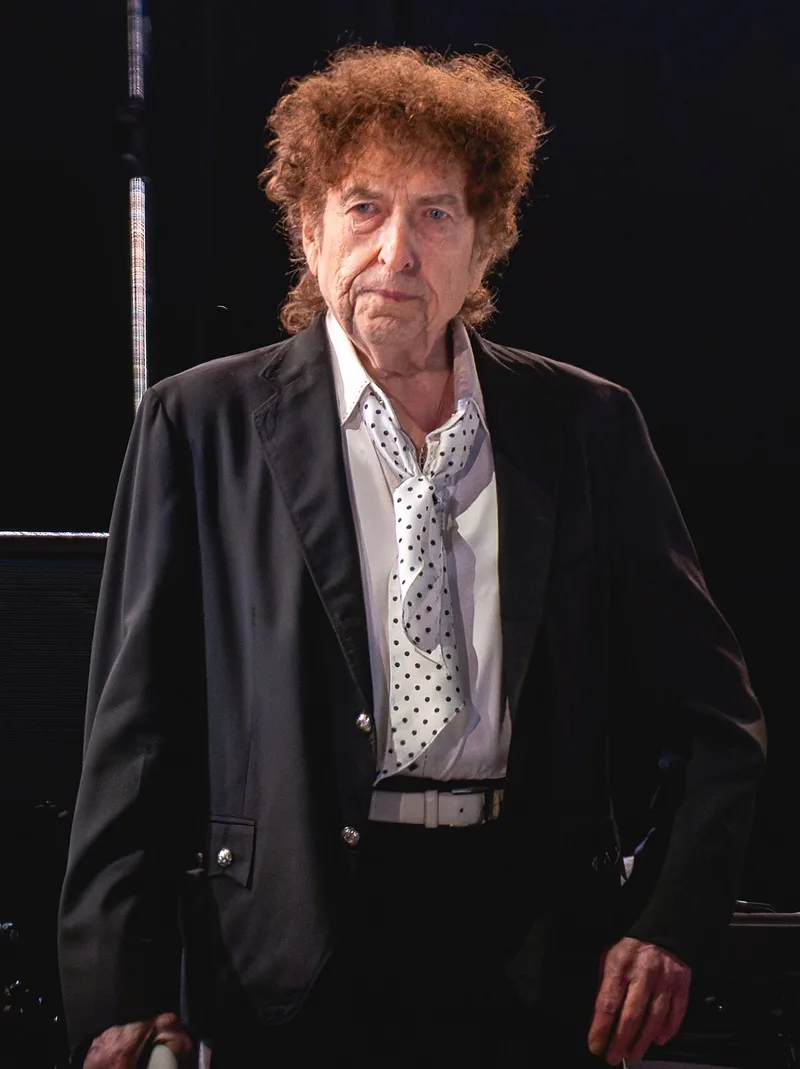
7Dylan's nasal, storytelling delivery turned folk into a vehicle for social protest, with 'Like a Rolling Stone' showing how phrasing could carry literary weight. His voice evolved from acoustic intimacy to electric rasp without losing authority. Influence on songwriting outpaces pure vocal technique.
Range (octaves): 2 octavesMain Genres: Folk, RockCareer Start: 1,961Major Awards: 12Influence: 10/10
- Lyric-driven phrasing
- Cultural movement leader
- Decades of reinvention
- Limited melodic range
- Polarizing tone for some listeners
- Less emphasis on vocal polish
added by Yourlist Editorialin 8 rankingsBob Dylan
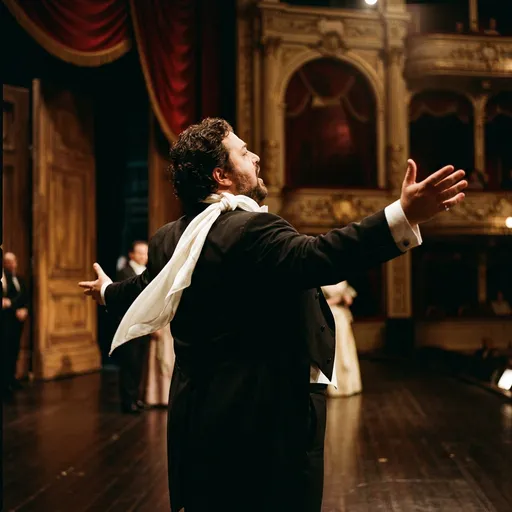
6Pavarotti brought operatic tenor power to mainstream audiences through 'Nessun Dorma,' demonstrating classical technique could reach pop listeners. His high notes and stage presence made opera accessible. Voice defined modern tenor singing for millions.
Range (octaves): 3 octavesMain Genres: Opera, ClassicalCareer Start: 1,961Major Awards: 5Influence: 8/10
- Operatic power and precision
- Mainstream crossover
- Iconic high notes
- Limited non-classical output
- Less rhythmic flexibility
- Genre-specific appeal
added by Yourlist EditorialLuciano Pavarotti
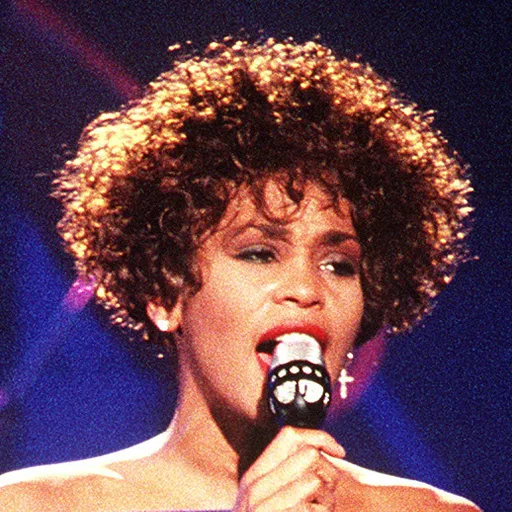
6Houston's crystalline highs and controlled power on 'I Will Always Love You' set new pop standards, while earlier work showed R&B roots. Her voice combined technical precision with emotional delivery across ballads and dance tracks. Peak years remain reference points for vocal training.
Range (octaves): 5 octavesMain Genres: Pop, R&BCareer Start: 1,984Major Awards: 8Influence: 8/10
- Technical precision
- Ballad mastery
- Commercial peak dominance
- Later personal issues affected voice
- Heavy ballad focus
- Less genre experimentation
added by Yourlist Editorialin 12 rankingsWhitney Houston
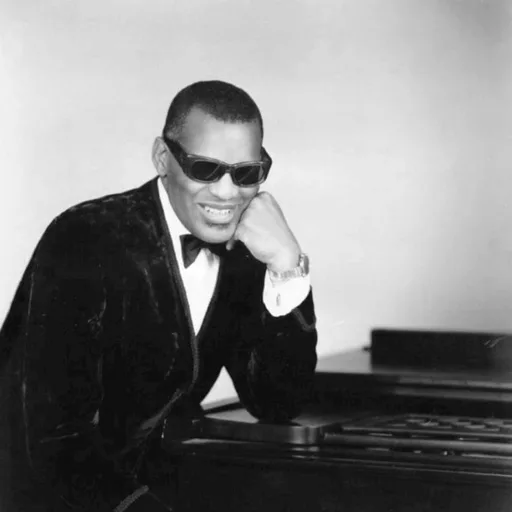
5Charles merged gospel shouts with blues and country, creating soul music on 'What'd I Say' and later country albums that proved vocal authenticity could cross genres. His gritty tone and call-and-response style became foundational for R&B. Blindness never limited expressive range.
Range (octaves): 3 octavesMain Genres: Soul, Blues, CountryCareer Start: 1,947Major Awards: 17Influence: 9/10
- Genre-crossing authenticity
- Gospel-rooted power
- Long influential career
- Sometimes raw production
- Later health decline
- Less polished pop appeal
added by Yourlist Editorialin 2 rankingsRay Charles
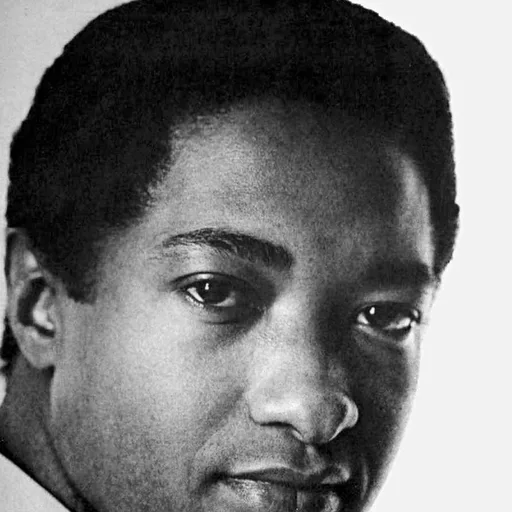
4Cooke moved from gospel to secular soul with 'You Send Me,' bringing church-trained phrasing and smooth control that defined early soul singing. His civil-rights anthems added moral weight to the voice. Early death cut short a rapidly evolving career.
Range (octaves): 3 octavesMain Genres: Soul, Gospel, R&BCareer Start: 1,950Major Awards: 3Influence: 8/10
- Smooth crossover transition
- Socially conscious material
- Gospel-trained control
- Short career
- Fewer albums than peers
- Limited rock experimentation
added by Yourlist Editorialin 2 rankingsSam Cooke
3Domingo's versatile tenor spanned opera roles and crossover recordings, maintaining vocal stamina into later decades. His phrasing and dynamic control set standards for dramatic singing. Long career demonstrated classical training's durability.
Range (octaves): 3 octavesMain Genres: Opera, ClassicalCareer Start: 1,959Major Awards: 12Influence: 7/10
- Vocal longevity
- Role versatility
- Crossover success
- Less pop recognition
- Classical focus limits broader appeal
- Later voice changes
added by Yourlist EditorialPlácido Domingo
3McCartney's melodic bass lines and high harmonies defined Beatles records, while solo work like 'Maybe I'm Amazed' revealed sustained power and songcraft. His ability to shift from rock shouts to ballads kept the voice central to pop evolution. Longevity unmatched in the rock era.
Range (octaves): 4 octavesMain Genres: Rock, PopCareer Start: 1,957Major Awards: 18Influence: 9/10
- Melodic range and control
- Decades of consistent output
- Bass-vocal coordination
- Sometimes overly polished
- Less raw grit
- Later material less innovative
added by Yourlist Editorialin 5 rankingsPaul McCartney
1Gaye's velvety tenor carried both romantic pleas and political statements, with 'What's Going On' showcasing layered vocals and emotional depth that elevated Motown. His falsetto runs on 'Let's Get It On' set a new standard for intimacy. Voice aged gracefully into deeper registers.
Range (octaves): 3 octavesMain Genres: Soul, R&BCareer Start: 1,957Major Awards: 4Influence: 8/10
- Emotional depth
- Vocal layering innovation
- Social commentary integration
- Later personal struggles affected output
- Less range than peers
- Heavy reliance on Motown sound
added by Yourlist Editorialin 6 rankingsMarvin Gaye
-4Lennon's raw, conversational style evolved from Beatles harmony work to solo confessionals like 'Imagine,' where simplicity amplified emotional directness. His voice carried both anger and vulnerability across political and personal material. Influence stems from honesty more than technical polish.
Range (octaves): 3 octavesMain Genres: Rock, PopCareer Start: 1,957Major Awards: 6Influence: 9/10
- Honest emotional delivery
- Songwriting-vocal synergy
- Cultural icon status
- Limited technical range
- Sometimes abrasive tone
- Inconsistent solo consistency
added by Yourlist Editorialin 2 rankingsJohn Lennon
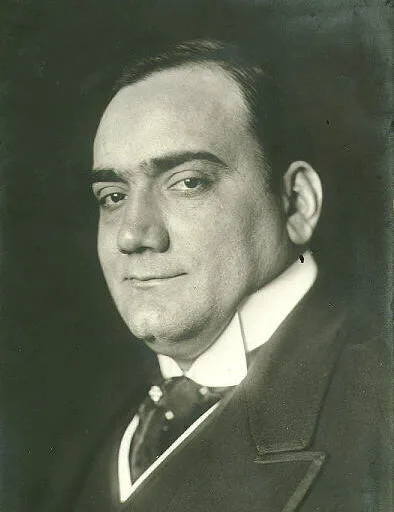
-4Caruso's recordings in the early 1900s popularized opera worldwide, with a rich tenor that captured emotional depth on wax cylinders. His technique influenced every subsequent recorded singer. Voice remains the benchmark for early recording-era power.
Range (octaves): 3 octavesMain Genres: Opera, ClassicalCareer Start: 1,895Major Awards: —Influence: 9/10
- Pioneering recording artist
- Rich tonal quality
- Massive historical influence
- Pre-modern recording limits
- No awards era
- Narrow genre scope
added by Yourlist EditorialEnrico Caruso
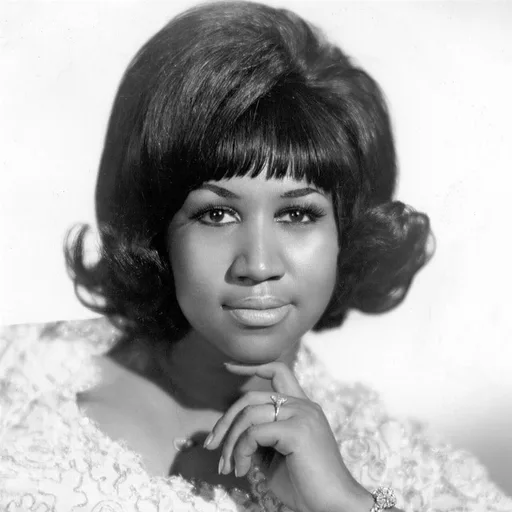
-4Franklin's powerful gospel-trained voice redefined soul with 'Respect,' bringing church fire to secular hits and earning the title Queen of Soul. Her runs and ad-libs became templates for female and male vocalists alike. Voice carried both power and nuance across six decades.
Range (octaves): 5 octavesMain Genres: Soul, Gospel, R&BCareer Start: 1,956Major Awards: 18Influence: 9/10
- Extraordinary power and range
- Gospel-rooted runs
- Long influential career
- Sometimes overshadowed by production
- Later health issues
- Fewer rock crossovers
added by Yourlist Editorialin 7 rankingsAretha Franklin
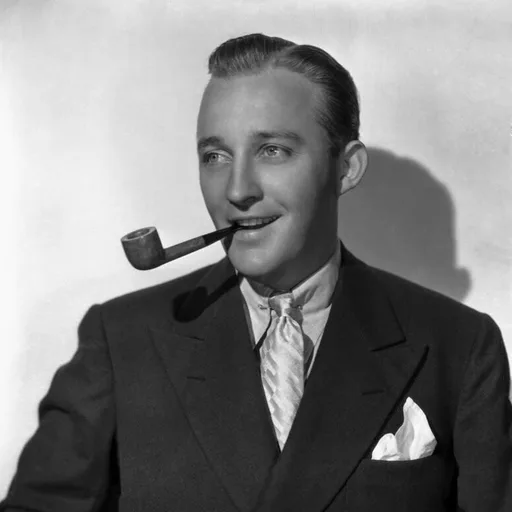
-7Crosby's relaxed, microphone-friendly baritone defined crooning on radio and film, with 'White Christmas' becoming the best-selling single ever. His phrasing made intimate singing viable for mass audiences. Voice shaped pop vocal approach for decades.
Range (octaves): 3 octavesMain Genres: Pop, Jazz StandardsCareer Start: 1,926Major Awards: 4Influence: 8/10
- Microphone technique pioneer
- Massive commercial success
- Relaxed phrasing style
- Less power than later singers
- Limited range
- Era-specific style
added by Yourlist EditorialBing Crosby
-7Celine Dion
Dion's belting technique and sustained power made 'My Heart Will Go On' a global phenomenon, while French-language work showed earlier versatility. Her voice prioritized technical control and emotional crescendos. Longevity in pop ballads is unmatched.
Range (octaves): 5 octavesMain Genres: Pop, Adult ContemporaryCareer Start: 1,981Major Awards: 5Influence: 7/10
- Sustained power and control
- International appeal
- Consistent live delivery
- Narrower genre range
- Over-reliance on ballads
- Less raw emotional grit
added by Yourlist Editorialin 3 rankings
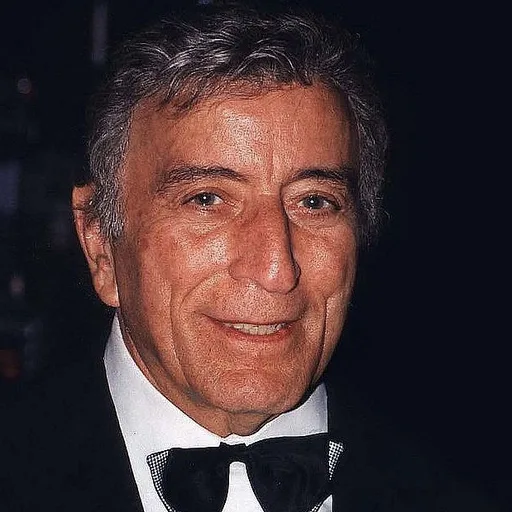
-9Bennett's clear tenor and jazz phrasing kept standards alive across seven decades, with late-career duets introducing younger audiences. 'I Left My Heart in San Francisco' became his signature. Longevity and consistency define his legacy.
Range (octaves): 3 octavesMain Genres: Jazz, Pop StandardsCareer Start: 1,946Major Awards: 20Influence: 7/10
- Exceptional longevity
- Jazz phrasing skill
- Consistent tone into old age
- Narrow genre focus
- Less rock crossover
- Sometimes overly traditional
added by Yourlist EditorialTony Bennett
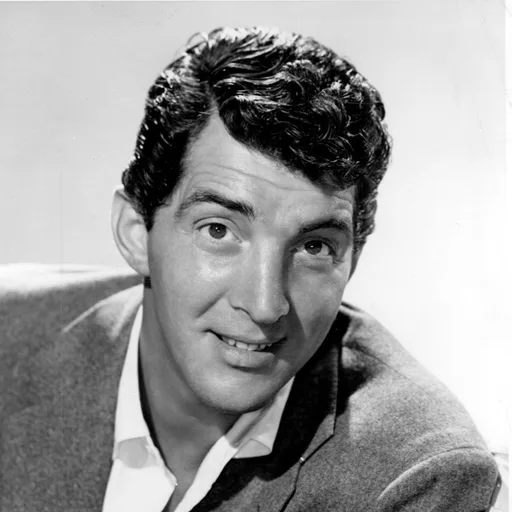
-12Martin's smooth, effortless delivery paired with Rat Pack charisma made standards feel casual and sophisticated. His recordings emphasized charm over technical display. Voice represented mid-century lounge singing at its peak.
Range (octaves): 3 octavesMain Genres: Pop, StandardsCareer Start: 1,946Major Awards: 1Influence: 6/10
- Effortless charm
- Strong live persona
- Classic standards interpreter
- Limited technical range
- Less innovation
- Narrow emotional depth
added by Yourlist EditorialDean Martin
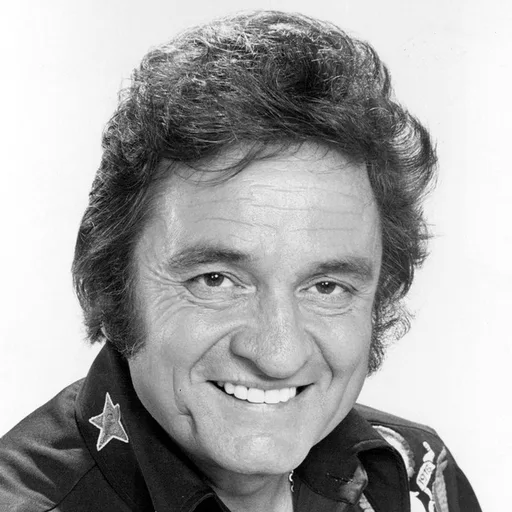
-13Cash's deep baritone and sparse delivery turned country into storytelling on 'Folsom Prison Blues,' carrying moral weight and authenticity. His voice aged into a gravelly instrument that suited later American Recordings work. Influence spans multiple genres.
Range (octaves): 2 octavesMain Genres: Country, Folk, RockCareer Start: 1,955Major Awards: 18Influence: 8/10
- Distinctive deep tone
- Storytelling authority
- Genre-spanning influence
- Limited melodic range
- Less vocal agility
- Later recordings less produced
added by Yourlist Editorialin 4 rankingsJohnny Cash
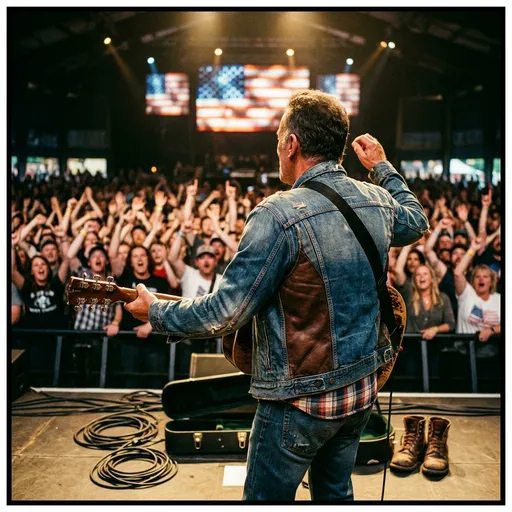
-16Springsteen's raspy, working-class delivery powered epic narratives on 'Born to Run,' blending rock urgency with storytelling clarity. Live shows extended vocal stamina across three-hour sets. Voice embodied blue-collar authenticity for millions.
Range (octaves): 3 octavesMain Genres: RockCareer Start: 1,969Major Awards: 20Influence: 8/10
- Storytelling phrasing
- Live endurance
- Authentic persona
- Limited upper range
- Heavy production on some records
- Less genre diversity
added by Yourlist Editorialin 9 rankingsBruce Springsteen
-19