

🎵Best Gospel Singers of All Time
Gospel music has shaped American soul, R&B, and popular music for over a century through voices that blended faith, power, and innovation. Legends set the standard with hits that crossed into mainstream culture while staying rooted in church traditions. Vote for your favorites to rank the all-time greats.
What counts: Best means vocal power, genre-defining influence, commercial reach, and lasting impact on gospel and beyond. Grammy counts and sales figures are approximate.
Mahalia Jackson rose from Chicago church choirs in the 1920s to become the defining voice of classic gospel. Her 1947 recording of Move On Up a Little Higher sold millions and established the slow-building dramatic style that later singers copied. No one else anchored both the civil-rights movement and national television with the same authority.
Debut Decade: 1920sSignature Song: Move On Up a Little HigherGrammy Wins: 1Influence: 10/10Still Active: —
- Defined the golden-age sound
- Huge mainstream crossover
- Anthem for civil-rights era
- Limited studio output after 1960
- Few modern recordings
added by Yourlist EditorialMahalia Jackson
37Mavis Staples carried the Staple Singers' gospel roots into civil-rights anthems and later solo work that kept the family sound alive. Her voice on I'll Take You There and later albums like Have a Little Faith showed the same conviction decades later. She remains the clearest link between 1950s gospel and today's roots music.
Debut Decade: 1950sSignature Song: I'll Take You ThereGrammy Wins: 3Influence: 8/10Still Active: ✓
- Authentic roots voice
- Cross-genre longevity
- Social-justice themes
- More known as group member
- Fewer pure gospel albums
added by Yourlist EditorialMavis Staples
29Shirley Caesar earned the title First Lady of Gospel through decades of fiery live performances and plain-spoken testimony songs. Her 1975 hit No Charge crossed into country radio and showed gospel could tell everyday stories with conviction. She kept recording and touring into her eighties while mentoring younger artists.
Debut Decade: 1950sSignature Song: No ChargeGrammy Wins: 12Influence: 9/10Still Active: ✓
- Longevity and consistency
- Storytelling lyrics
- Strong church following
- Fewer pop crossovers
- Style stayed traditional
added by Yourlist EditorialShirley Caesar
24Marvin Sapp turned personal loss into the massive hit Never Would Have Made It, which became a staple at funerals and graduations. His baritone and straightforward ballads kept traditional male solo singing alive in the 2000s. He showed gospel could still deliver emotional testimony songs.
Debut Decade: 1990sSignature Song: Never Would Have Made ItGrammy Wins: 2Influence: 6/10Still Active: ✓
- Powerful testimony songs
- Strong baritone voice
- Radio longevity
- Narrower repertoire
- Fewer upbeat tracks
added by Yourlist EditorialMarvin Sapp
22Aretha Franklin began as a gospel prodigy singing with her father Rev. C.L. Franklin before crossing into secular music. Her 1972 live album Amazing Grace remains the best-selling gospel record ever and proved she never lost the church fire. Her runs and phrasing became the template for every powerhouse vocalist who followed.
Debut Decade: 1950sSignature Song: Amazing GraceGrammy Wins: 18Influence: 10/10Still Active: —
- Unmatched vocal control
- Massive crossover success
- Revived live gospel albums
- Split focus between gospel and pop
- Later albums less consistent
added by Yourlist Editorialin 7 rankingsAretha Franklin
20James Cleveland built the modern gospel choir sound through the Gospel Music Workshop of America and countless recordings. His arrangements of traditional hymns gave choirs a dramatic, layered style that dominated the 1970s and 1980s. He earned the nickname King of Gospel for training an entire generation of directors.
Debut Decade: 1950sSignature Song: Peace Be StillGrammy Wins: 3Influence: 9/10Still Active: —
- Created the mass choir format
- Trained hundreds of leaders
- Preserved traditional repertoire
- Fewer solo hits
- Style now seen as dated
added by Yourlist EditorialJames Cleveland
16Tasha Cobbs Leonard broke through with the live album Grace and its title track that dominated gospel radio for years. Her raw delivery and simple arrangements brought congregational worship back to the forefront. She became the face of 2010s praise & worship.
Debut Decade: 2010sSignature Song: Break Every ChainGrammy Wins: 3Influence: 7/10Still Active: ✓
- Authentic worship leader
- Massive streaming numbers
- Simple yet powerful songs
- Short career so far
- Limited stylistic variety
added by Yourlist EditorialTasha Cobbs
16Hezekiah Walker built the Love Fellowship Crusade Choir into a New York institution whose albums captured the exuberant East Coast choir sound. Hits like Every Praise became instant sing-alongs across denominations. He proved regional choirs could achieve national dominance.
Debut Decade: 1980sSignature Song: Every PraiseGrammy Wins: 3Influence: 7/10Still Active: ✓
- Iconic choir energy
- Anthemic hits
- Strong regional identity
- Fewer solo vocal showcases
- Production stayed mid-2000s
added by Yourlist EditorialHezekiah Walker
14Kirk Franklin brought hip-hop production and youth choirs into gospel in the 1990s and never looked back. His 1993 debut Kirk Franklin & the Family topped charts and earned the first gospel album to go platinum. He proved the genre could evolve without losing its message or its audience.
Debut Decade: 1990sSignature Song: StompGrammy Wins: 16Influence: 9/10Still Active: ✓
- Modernized the sound
- Multiple platinum albums
- Consistent chart dominance
- Criticized for secular production
- Less emphasis on traditional hymns
added by Yourlist Editorialin 2 rankingsKirk Franklin
11CeCe Winans stepped out from the family duo BeBe & CeCe to release solo albums that balanced contemporary production with deep worship. Her 1998 album Everlasting Love and later Throne Room showed she could deliver both radio hits and intimate praise. She remains the most awarded female gospel artist.
Debut Decade: 1980sSignature Song: Alabaster BoxGrammy Wins: 15Influence: 8/10Still Active: ✓
- Smooth vocal tone
- Strong songwriting
- Broad audience appeal
- Less raw power than predecessors
- Production sometimes overly polished
added by Yourlist Editorialin 2 rankingsCeCe Winans
10Dorothy Love Coates led the Original Gospel Harmonettes with fierce, shouted vocals and socially conscious lyrics in the 1950s. Her raw intensity influenced both gospel and early soul singers. She kept the hard-driving quartet style alive during its peak years.
Debut Decade: 1940sSignature Song: That's EnoughGrammy Wins: 0Influence: 7/10Still Active: —
- Raw vocal power
- Socially aware lyrics
- Quartet tradition leader
- Limited mainstream exposure
- Few surviving recordings
added by Yourlist EditorialDorothy Love Coates
10Andraé Crouch fused gospel with jazz and pop in the 1970s, writing songs that became standards for choirs worldwide. His 1975 album Take Me Back won the first gospel Grammy and introduced sophisticated chord changes to the genre. His work as a writer and producer shaped everyone from Michael Jackson to modern worship teams.
Debut Decade: 1960sSignature Song: Soon and Very SoonGrammy Wins: 7Influence: 9/10Still Active: —
- Songwriting legacy
- Genre-blending innovation
- Mentored major artists
- Smaller solo catalog
- Health limited later output
added by Yourlist EditorialAndraé Crouch
9Yolanda Adams brought smooth R&B production into gospel while keeping strong worship lyrics, scoring multiple number-one albums in the late 1990s. Her Mountain High... Valley Low album crossed over and earned a Grammy. She showed the genre could compete with secular divas on vocal ability alone.
Debut Decade: 1980sSignature Song: Open My HeartGrammy Wins: 4Influence: 7/10Still Active: ✓
- Polished crossover sound
- Excellent vocal technique
- Multiple chart-toppers
- Sometimes too pop-oriented
- Less traditional material
added by Yourlist EditorialYolanda Adams
8Fred Hammond moved from Commissioned to solo work that defined urban praise & worship in the 1990s. His albums featured tight band arrangements and hooks that choirs quickly adopted. He remains one of the most sampled and covered writers in contemporary gospel.
Debut Decade: 1980sSignature Song: No WeaponGrammy Wins: 5Influence: 8/10Still Active: ✓
- Strong songcraft
- Band-driven sound
- High production quality
- Less raw emotion
- Style can feel formulaic
added by Yourlist EditorialFred Hammond
8Donnie McClurkin rose through choirs and backup singing to deliver raw, testimony-driven albums in the 1990s and 2000s. His hit Stand and live performances made him a staple of gospel radio and megachurch stages. He proved that unfiltered personal story could still drive commercial success.
Debut Decade: 1990sSignature Song: StandGrammy Wins: 3Influence: 7/10Still Active: ✓
- Powerful live testimony
- Consistent radio presence
- Strong church base
- Limited stylistic range
- Fewer recent hits
added by Yourlist EditorialDonnie McClurkin
6Israel Houghton fused Latin, jazz, and rock into worship albums that expanded what gospel radio would play. His New Breed band and songs like Friend of God became global church standards. He demonstrated that genre-blending could still feel rooted in praise.
Debut Decade: 1990sSignature Song: Friend of GodGrammy Wins: 5Influence: 7/10Still Active: ✓
- Innovative arrangements
- Global worship impact
- Strong musicianship
- Less traditional gospel feel
- Criticized for CCM leanings
added by Yourlist EditorialIsrael Houghton
6Byron Cage earned the title Prince of Praise through live albums that captured high-energy worship in the 2000s. His hits Like a Ship and I Will Bless the Lord became staples. He kept praise & worship focused on congregational participation.
Debut Decade: 1990sSignature Song: I Will Bless the LordGrammy Wins: 1Influence: 6/10Still Active: ✓
- High-energy worship
- Congregational focus
- Strong live albums
- Narrower song catalog
- Less variety in style
added by Yourlist EditorialByron Cage
4The Clark Sisters dominated 1980s gospel with tight harmonies and Detroit church energy that produced multiple gold albums. Their hits You Brought the Sunshine and Conqueror set the template for family-group vocal runs. They remain the most influential female gospel group of the modern era.
Debut Decade: 1970sSignature Song: You Brought the SunshineGrammy Wins: 3Influence: 8/10Still Active: ✓
- Signature harmonies
- Multiple era-defining hits
- Strong live reputation
- Group dynamics vary
- Solo careers less dominant
added by Yourlist EditorialThe Clark Sisters
3BeBe Winans paired with sister CeCe to create smooth 1980s and 1990s hits before launching a solo career focused on positive message songs. His production and songwriting helped define the polished urban-gospel sound. He kept family harmony traditions alive in a solo context.
Debut Decade: 1980sSignature Song: I.O.U. MeGrammy Wins: 3Influence: 6/10Still Active: ✓
- Smooth production
- Positive message focus
- Strong family legacy
- Less distinctive solo voice
- Fewer recent releases
added by Yourlist EditorialBeBe Winans
3J. Moss brought hip-hop and electronic production to gospel in the 2000s while maintaining strong hooks and lyrics. His work with PAJAM and solo albums helped define urban contemporary gospel. He kept the genre evolving with younger producers.
Debut Decade: 2000sSignature Song: We Must PraiseGrammy Wins: 1Influence: 6/10Still Active: ✓
- Modern production
- Strong hooks
- Youth appeal
- Less traditional roots
- Production can overshadow voice
added by Yourlist EditorialJ. Moss
1Richard Smallwood
Richard Smallwood brought classical training and sweeping choral arrangements to gospel in the 1980s and 1990s. His Vision choir recordings featured complex harmonies that choirs still study. He raised the musical literacy bar for the entire genre.
Debut Decade: 1980sSignature Song: Total PraiseGrammy Wins: 3Influence: 8/10Still Active: ✓
- Classical-gospel fusion
- Enduring choral standards
- High musical standards
- Less commercial radio focus
- Slower output pace
added by Yourlist Editorial
0Walter Hawkins led the Love Center Choir to create the 1970s classic album Love Alive series that defined Bay Area gospel. His songwriting and warm tenor gave the music a welcoming, family feel. The series remains one of the best-selling live gospel recordings.
Debut Decade: 1970sSignature Song: ChangedGrammy Wins: 1Influence: 7/10Still Active: —
- Warm approachable style
- Best-selling live series
- Strong songwriting
- Shorter solo career
- Health issues limited output
added by Yourlist EditorialWalter Hawkins
-1Karen Clark Sheard stepped out from the Clark Sisters with solo albums that showcased her distinctive alto and Detroit gospel roots. Her hit Balm in Gilead and live recordings kept the family legacy strong. She maintained the powerful female solo tradition.
Debut Decade: 1990sSignature Song: Balm in GileadGrammy Wins: 1Influence: 6/10Still Active: ✓
- Distinctive alto voice
- Strong family legacy
- Powerful live presence
- Fewer solo albums
- Style stayed traditional
added by Yourlist EditorialKaren Clark Sheard
-1Clara Ward and the Ward Singers brought glamorous stage presence and dramatic arrangements to 1950s gospel, touring nationally and appearing on television. Her version of How I Got Over became a standard. She helped move gospel from small churches to large auditoriums.
Debut Decade: 1940sSignature Song: How I Got OverGrammy Wins: 0Influence: 7/10Still Active: —
- Theatrical presentation
- National touring success
- Hit standards
- Style seen as showy
- Limited solo focus
added by Yourlist EditorialClara Ward
-3Dottie Peoples delivered gritty, church-rooted vocals on 1990s albums that kept traditional solo singing relevant. Her hit Testify became a radio staple and live favorite. She maintained the older style while many peers moved contemporary.
Debut Decade: 1990sSignature Song: TestifyGrammy Wins: 1Influence: 6/10Still Active: ✓
- Authentic church sound
- Strong live performer
- Traditional repertoire
- Limited crossover
- Smaller catalog
added by Yourlist EditorialDottie Peoples
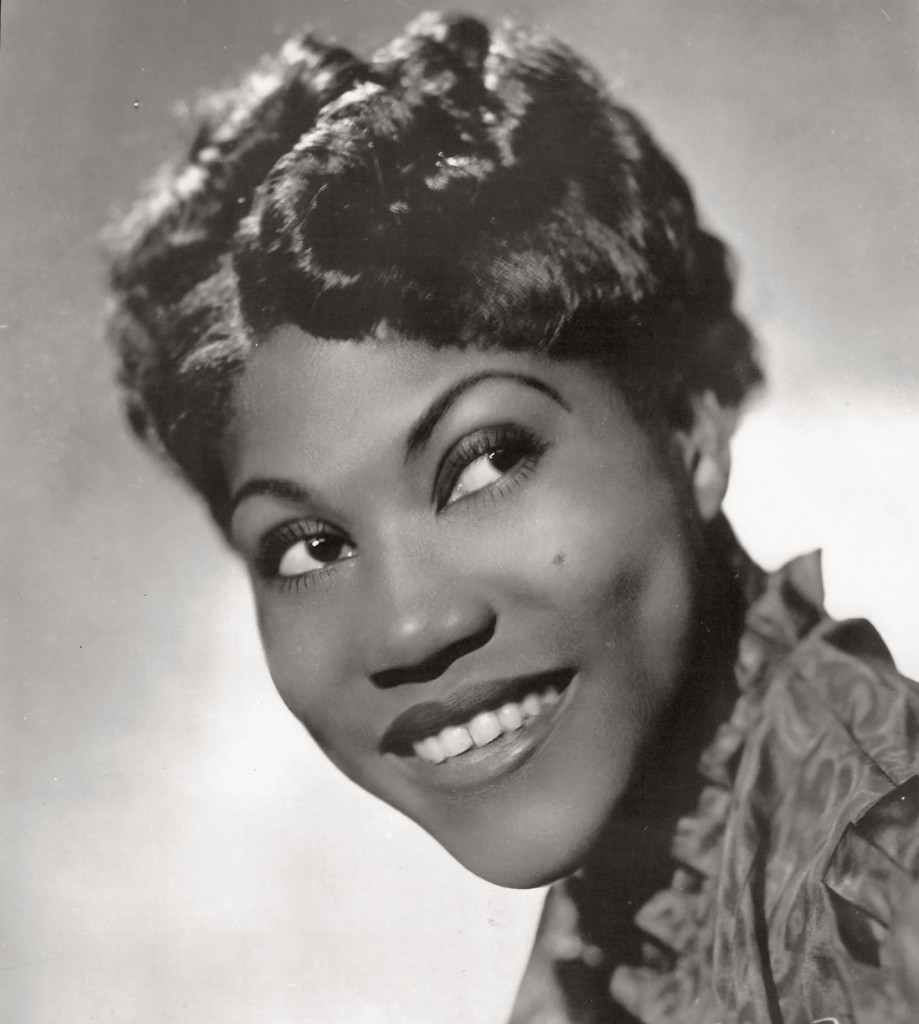
-4Sister Rosetta Tharpe fused gospel lyrics with electric guitar and upbeat rhythms in the 1940s, laying groundwork for rock and roll. Her performances at the Apollo and with jazz bands proved gospel could be joyful and danceable. She remains the earliest clear bridge between church music and popular genres.
Debut Decade: 1930sSignature Song: This Little Light of MineGrammy Wins: 0Influence: 8/10Still Active: —
- Pioneered electric gospel
- Influenced rock pioneers
- Upbeat and accessible
- Controversial in church circles
- Career cut short by health
added by Yourlist EditorialSister Rosetta Tharpe
-5John P. Kee built the New Life Community Choir into a Charlotte powerhouse whose 1990s albums mixed urban grooves with strong choir vocals. His songwriting and leadership produced multiple gold records. He kept the choir sound commercially viable into the new century.
Debut Decade: 1980sSignature Song: Wave It AwayGrammy Wins: 1Influence: 7/10Still Active: ✓
- Strong choir leadership
- Urban-gospel blend
- Consistent output
- Regional focus
- Style can feel dated
added by Yourlist EditorialJohn P. Kee
-6Kurt Carr brought energetic, danceable arrangements to 2000s gospel choirs with hits like God Blocked It. His songwriting and production kept choirs on radio playlists. He refreshed the mass-choir format for a new generation.
Debut Decade: 1990sSignature Song: God Blocked ItGrammy Wins: 1Influence: 6/10Still Active: ✓
- Energetic arrangements
- Radio-friendly hits
- Modern choir sound
- Less emotional depth
- Production-heavy style
added by Yourlist EditorialKurt Carr
-7Edwin Hawkins rearranged traditional hymns into the 1968 hit Oh Happy Day that became the first gospel song to top pop charts. His choir sound influenced countless 1970s ensembles. He proved gospel could achieve massive secular success without changing its core message.
Debut Decade: 1960sSignature Song: Oh Happy DayGrammy Wins: 1Influence: 8/10Still Active: —
- Historic crossover hit
- Choir innovation
- Massive cultural reach
- Later albums less impactful
- One major signature song
added by Yourlist EditorialEdwin Hawkins
-8Deitrick Haddon mixed hip-hop, R&B, and gospel in the 2000s, scoring hits like Well Done that appealed to younger audiences. His songwriting and stage presence kept gospel relevant to urban listeners. He pushed the genre toward more contemporary sounds.
Debut Decade: 1990sSignature Song: Well DoneGrammy Wins: 1Influence: 6/10Still Active: ✓
- Urban contemporary appeal
- Strong songwriting
- Youth audience
- Controversial personal life
- Less traditional material
added by Yourlist EditorialDeitrick Haddon
-9Vanessa Bell Armstrong delivered powerhouse vocals on 1980s albums that bridged traditional and contemporary gospel. Her hit Peace Be Still showcased her dramatic range and control. She set the vocal bar for the emerging contemporary female soloists.
Debut Decade: 1980sSignature Song: Peace Be StillGrammy Wins: 0Influence: 6/10Still Active: ✓
- Exceptional vocal range
- Dramatic live delivery
- Bridge between eras
- Fewer major hits
- Less consistent output
added by Yourlist EditorialVanessa Bell Armstrong
-12Ernestine Anderson
Ernestine Anderson brought jazz-inflected phrasing to gospel in the 1950s before focusing on jazz, yet her early gospel recordings showed the deep church roots that informed her later work. She represented the overlap between gospel and jazz vocal traditions.
Debut Decade: 1940sSignature Song: Just a Closer Walk with TheeGrammy Wins: 0Influence: 5/10Still Active: —
- Jazz-gospel crossover
- Sophisticated phrasing
- Early influence
- Short gospel phase
- Better known as jazz singer
added by Yourlist Editorial
-13Smokie Norful broke out with the 2002 album I Need You Now, whose title track became an instant gospel standard. His smooth tenor and heartfelt ballads revived the male solo ballad tradition. He proved personal testimony could still top charts.
Debut Decade: 2000sSignature Song: I Need You NowGrammy Wins: 1Influence: 6/10Still Active: ✓
- Heartfelt ballad style
- Strong debut impact
- Smooth vocal tone
- Shorter peak period
- Fewer follow-up hits
added by Yourlist EditorialSmokie Norful
-16