Best movies of the 1960s
The 1960s revolutionized cinema, giving us everything from sweeping epics and groundbreaking dramas to the birth of the modern blockbuster, as filmmakers pushed boundaries and rewrote the rules of storytelling. From classics that defined generations to cult favorites that still spark debate, this decade's films remain some of the most beloved and influential ever made. Now it's your turn to weigh in — cast your vote and help decide which movie truly deserves the crown as the best of the 1960s!
What counts: Seeded with approximate real-world figures — the crowd's votes decide the order from here.
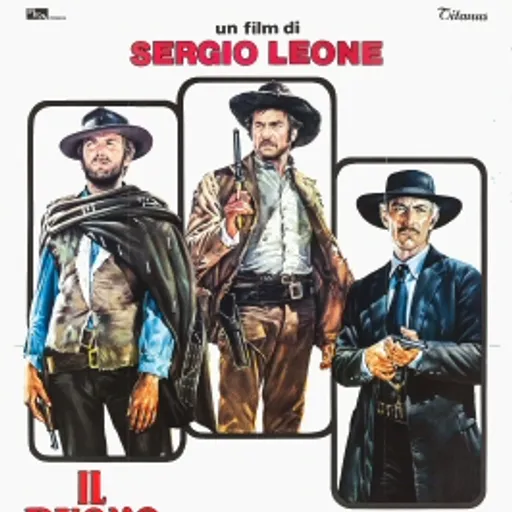
The Good, the Bad and the Ugly
Three men, a Mexican standoff, and Ennio Morricone's score building to an unbearable pitch in a circular graveyard — that finale alone rewired how tension could be staged on film. Sergio Leone took the spaghetti western from cheap genre exercise to operatic art, turning Clint Eastwood's squinting antihero into a global icon of cool amorality. Its influence on everything from Tarantino to modern action pacing earns it a permanent seat at the table.
Year: 1966Director: IMDb: 8.8/10Oscars: 0
added by Yourlist Editorialin 4 rankingsThe Good, the Bad and the Ugly
101Janet Leigh dies forty minutes in, in a motel shower, to shrieking violins — and cinema was never quite the same about who's safe and when. Hitchcock shot it fast and cheap on his TV crew just to prove he could shock the studio system on its own terms, and the Bates Motel became shorthand for American gothic dread. It invented the modern slasher's grammar before slashers existed, which is why it still unsettles.
Year: 1960Director: IMDb: 8.5/10Oscars: 0
added by Yourlist Editorialin 14 rankingsPsycho
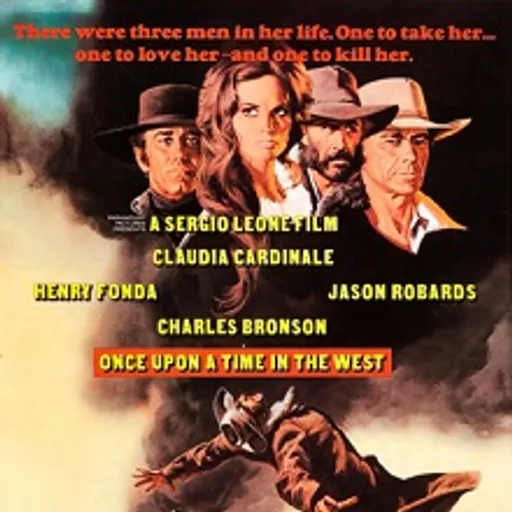
33That opening ten minutes — three gunmen, a fly, a dripping water tower, and almost no dialogue — is Leone daring you to sit in silence until it detonates. Henry Fonda cast against type as pure evil, Claudia Cardinale as the frontier's future, and Morricone's mournful harmonica turning myth into elegy for the dying West itself. It's the genre's grandest, saddest cathedral, built by a man who loved American movies more than America did.
Year: 1968Director: IMDb: 8.5/10Oscars: 0
added by Yourlist Editorialin 3 rankingsOnce Upon a Time in the West
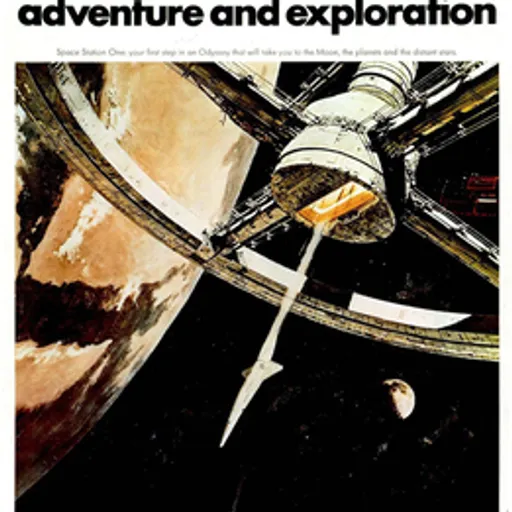
10A bone thrown into the air becomes a spaceship in one cut, and four million years of human violence collapse into a single edit — cinema had never made such an audacious leap. Kubrick built HAL 9000's calm, murderous voice into the era's most chilling villain and left the Star Gate sequence as a Rorschach test that still baffles and awes. It didn't just imagine the future of space travel; it redefined what a mainstream studio picture was allowed to be.
Year: 1968Director: IMDb: 8.3/10Oscars: 1
added by Yourlist Editorialin 7 rankings2001: A Space Odyssey
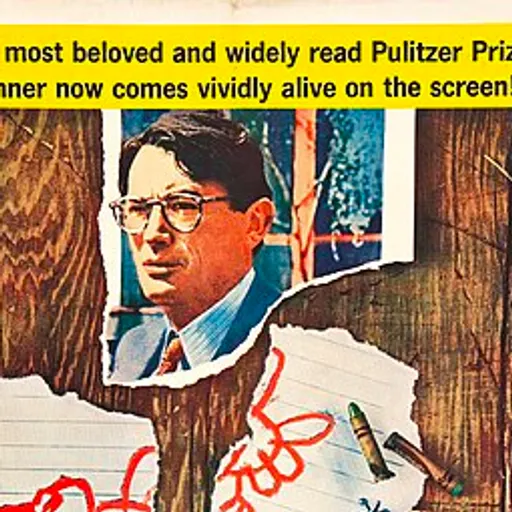
-38Gregory Peck's Atticus Finch standing in a segregated courtroom, quietly insisting on decency against a town's cruelty, became the moral compass a generation of viewers measured fatherhood and justice against. Adapted from Harper Lee's novel at the height of the civil rights movement, it turned a small-town Alabama trial into a national reckoning delivered through a child's eyes. Its earnest, humane storytelling made it the rare message movie that never feels like medicine.
Year: 1962Director: IMDb: 8.3/10Oscars: 3
added by Yourlist Editorialin 6 rankingsTo Kill a Mockingbird
-65