
🇺🇸Best Republican Presidents Ranked
Republican presidents have led the United States through civil war, industrial growth, world wars, and economic booms and busts. Their records reveal sharp differences in how they handled national crises and shaped long-term institutions. Vote for your top choice below.
What counts: Best combines crisis leadership, enduring policy impact, economic results, and avoidance of major failures per historian consensus. All numeric figures are approximate historical estimates.
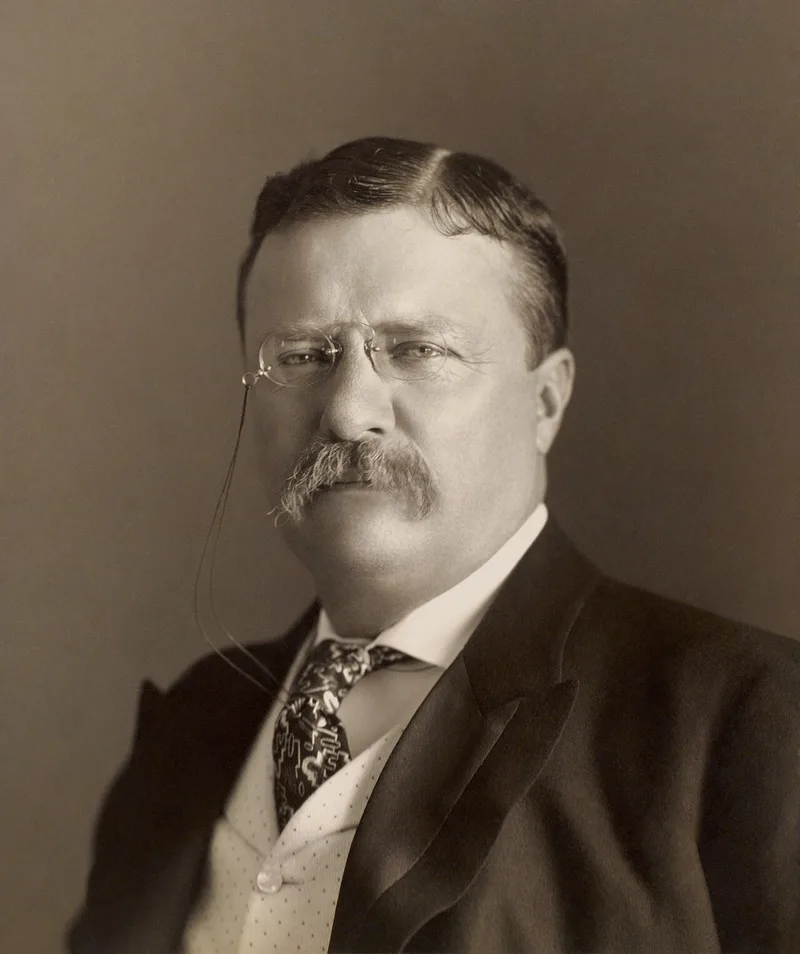
Theodore Roosevelt broke up monopolies, created national parks, and projected American power abroad with the Panama Canal and Great White Fleet. His energetic trust-busting and conservation legacy still shape federal policy more than a century later.
Term: 1901-1909Years Served: 7.5 yrsRe-elected: ✓Economic Performance: 7/10Overall Legacy: 9/10
- Broke up large trusts
- Established national parks system
- Built Panama Canal
- Intervened frequently in Latin America
- Split the Republican Party in 1912
- Expanded executive power aggressively
added by Yourlist Editorialin 17 rankingsTheodore Roosevelt
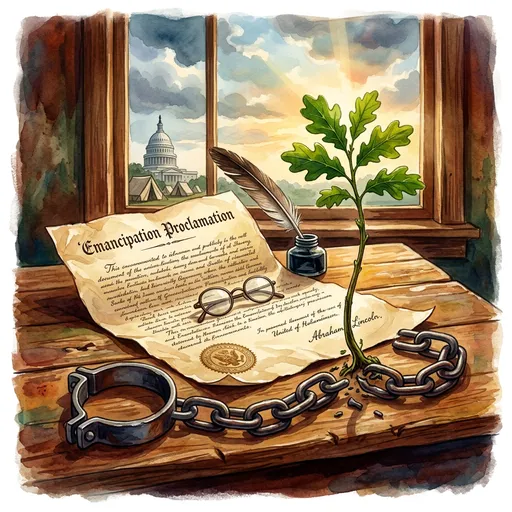
65Lincoln held the Union together during the Civil War and signed the Emancipation Proclamation that ended legal slavery. His steady command through the deadliest conflict in U.S. history and the passage of the 13th Amendment set the standard for presidential leadership.
Term: 1861-1865Years Served: 4 yrsRe-elected: ✓Economic Performance: 4/10Overall Legacy: 10/10
- Preserved the Union
- Ended chattel slavery
- Modernized federal government
- Suspended habeas corpus
- Civil War casualties exceeded 600,000
- Reconstruction plans left incomplete
added by Yourlist Editorialin 17 rankingsAbraham Lincoln
52Trump cut corporate taxes, appointed three Supreme Court justices, and brokered Abraham Accords, yet his term ended with the January 6 Capitol riot and two impeachments. His disruptive style produced both policy wins and historic institutional clashes.
Term: 2017-2021Years Served: 4 yrsRe-elected: —Economic Performance: 6/10Overall Legacy: 3/10
- Tax Cuts and Jobs Act
- Three Supreme Court justices
- Abraham Accords normalization
- Two impeachments
- January 6 Capitol attack
- Largest one-term deficit increase
added by Yourlist Editorialin 17 rankingsDonald Trump
47McKinley led the nation to victory in the Spanish-American War, annexed Hawaii, and presided over rapid industrial growth. His pro-business tariffs and territorial expansion defined the emergence of the United States as a world power.
Term: 1897-1901Years Served: 4.5 yrsRe-elected: ✓Economic Performance: 7/10Overall Legacy: 6/10
- Won Spanish-American War
- Annexed Hawaii and Puerto Rico
- Strong industrial expansion
- Imperialist war in Philippines
- High protective tariffs hurt consumers
- Assassinated after only one term
added by Yourlist Editorialin 6 rankingsWilliam McKinley
40Eisenhower ended the Korean War, launched the interstate highway system, and balanced budgets while containing Soviet expansion. His steady, low-drama leadership during the early Cold War produced both stability and major infrastructure that still serves the country.
Term: 1953-1961Years Served: 8 yrsRe-elected: ✓Economic Performance: 8/10Overall Legacy: 8/10
- Ended Korean War
- Created interstate highways
- Balanced federal budgets
- Slow on civil rights enforcement
- Allowed McCarthyism to fester early
- Relied heavily on covert CIA actions
added by Yourlist Editorialin 17 rankingsDwight D. Eisenhower
32Reagan cut top tax rates, confronted the Soviet Union, and restored national confidence after the 1970s. The economic expansion of the 1980s and the fall of the Berlin Wall during his watch remain his clearest signature achievements.
Term: 1981-1989Years Served: 8 yrsRe-elected: ✓Economic Performance: 8/10Overall Legacy: 8/10
- Cut marginal tax rates sharply
- Pressured Soviet collapse
- Revived economic growth
- Tripled the national debt
- Iran-Contra scandal
- Widened income inequality
added by Yourlist Editorialin 16 rankingsRonald Reagan
29Harrison signed the Sherman Antitrust Act and expanded the Navy while admitting six new western states. His single term advanced both progressive regulation and American sea power despite a divided Congress.
Term: 1889-1893Years Served: 4 yrsRe-elected: —Economic Performance: 6/10Overall Legacy: 5/10
- Signed Sherman Antitrust Act
- Admitted six new states
- Modernized the Navy
- Lost re-election in 1892
- High tariffs sparked backlash
- Limited domestic agenda
added by Yourlist Editorialin 6 rankingsBenjamin Harrison
25George H. W. Bush managed the peaceful end of the Cold War, assembled the Gulf War coalition, and signed the Americans with Disabilities Act. His pragmatic foreign policy produced clear victories without long-term quagmires.
Term: 1989-1993Years Served: 4 yrsRe-elected: —Economic Performance: 5/10Overall Legacy: 7/10
- Ended Cold War peacefully
- Won Gulf War quickly
- Passed ADA legislation
- Broke 'no new taxes' pledge
- Early 1990s recession
- Pardoned Iran-Contra figures
added by Yourlist Editorialin 5 rankingsGeorge H. W. Bush
22Grant defeated the Confederacy as commanding general and then enforced Reconstruction while signing the 15th Amendment. Despite later scandals in his administration, his battlefield victories and civil-rights enforcement earn him a high place among Republican presidents.
Term: 1869-1877Years Served: 8 yrsRe-elected: ✓Economic Performance: 5/10Overall Legacy: 7/10
- Won the Civil War
- Passed 15th Amendment
- Crushed early KKK
- Multiple cabinet scandals
- Economic Panic of 1873
- Native American policy failures
added by Yourlist Editorialin 10 rankingsUlysses S. Grant
21Coolidge cut taxes, reduced federal spending, and maintained peace and prosperity through most of the 1920s. His small-government approach produced budget surpluses and low unemployment until the final months of his term.
Term: 1923-1929Years Served: 5.5 yrsRe-elected: ✓Economic Performance: 8/10Overall Legacy: 5/10
- Cut income taxes multiple times
- Balanced budgets annually
- Low unemployment era
- Failed to regulate stock speculation
- Weak response to farm crisis
- Left Hoover with looming Depression
added by Yourlist Editorialin 9 rankingsCalvin Coolidge
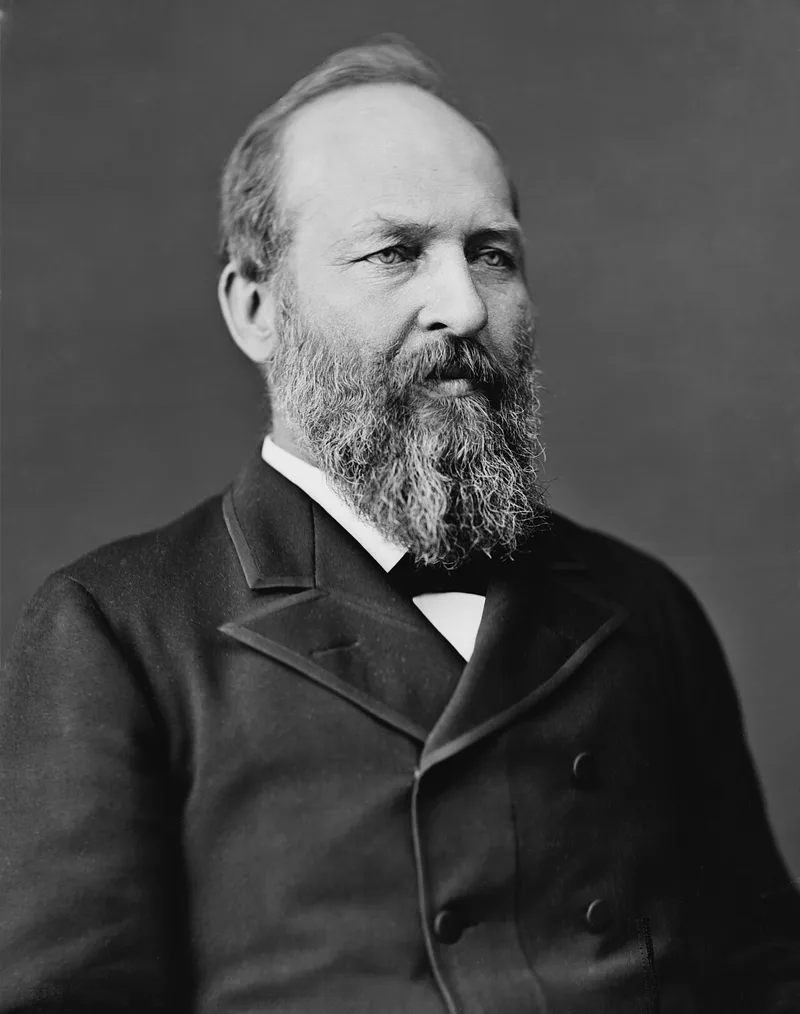
15Garfield won a narrow 1880 election and began pushing civil-service reform before being shot after only months in office. His brief tenure showed promise of cleaning up patronage but ended in tragedy.
Term: 1881Years Served: 0.5 yrsRe-elected: —Economic Performance: —Overall Legacy: 3/10
- Won clean 1880 election
- Advocated civil-service reform
- Strong orator and organizer
- Assassinated after 200 days
- Accomplished almost nothing in office
- Factional Republican infighting
added by Yourlist Editorialin 4 rankingsJames A. Garfield
7George W. Bush passed major tax cuts and education reform while launching wars in Afghanistan and Iraq after 9/11. His second term was dominated by the financial crisis and prolonged conflicts abroad.
Term: 2001-2009Years Served: 8 yrsRe-elected: ✓Economic Performance: 4/10Overall Legacy: 4/10
- No Child Left Behind law
- Medicare prescription-drug benefit
- Removed Taliban from power
- Iraq War lacked WMDs
- Financial crisis began on his watch
- Added trillions to national debt
added by Yourlist Editorialin 13 rankingsGeorge W. Bush
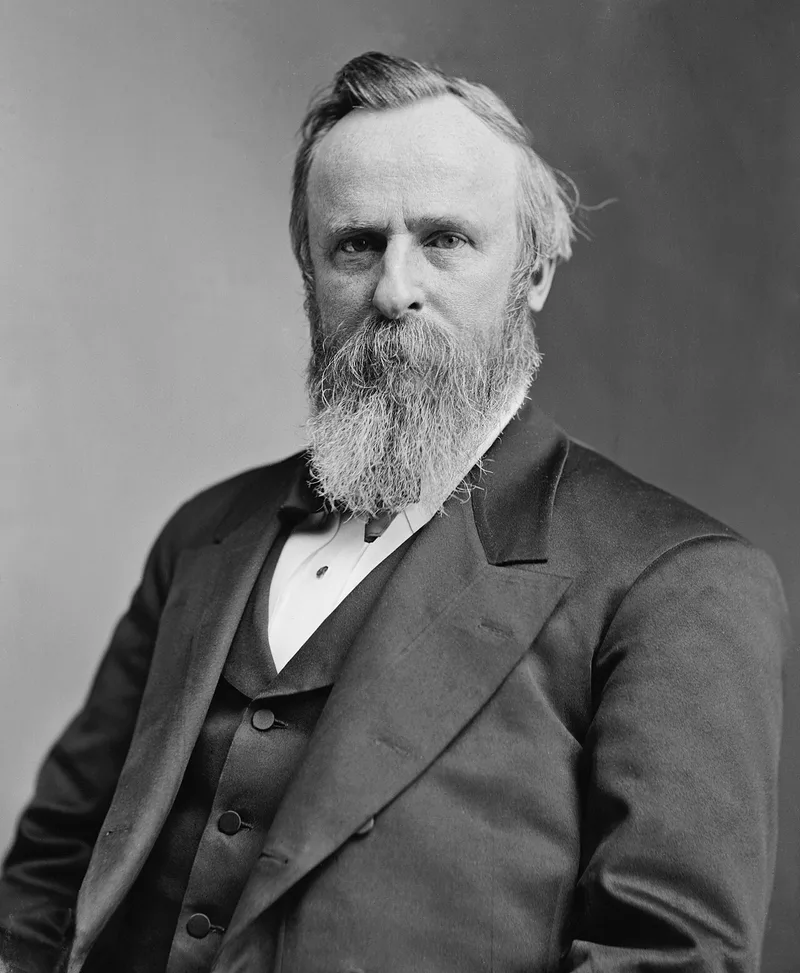
2Hayes ended Reconstruction by withdrawing federal troops from the South and restored honesty to the White House after the Grant scandals. His civil-service reform efforts laid groundwork for later professional government.
Term: 1877-1881Years Served: 4 yrsRe-elected: —Economic Performance: 5/10Overall Legacy: 5/10
- Restored integrity to presidency
- Began civil-service reform
- Withdrew troops from South
- Ended federal protection for Black voters
- Lost popular vote in 1876
- One-term presidency
added by Yourlist Editorialin 6 rankingsRutherford B. Hayes
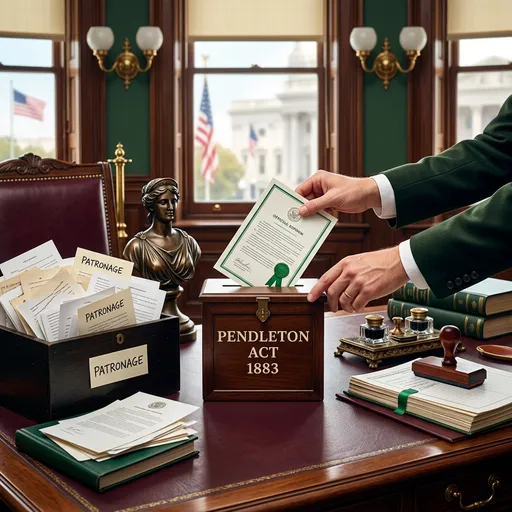
-9Arthur signed the Pendleton Civil Service Act that ended the spoils system and modernized the Navy. He surprised critics by rising above machine politics to support reform after Garfield's assassination.
Term: 1881-1885Years Served: 3.5 yrsRe-elected: —Economic Performance: 5/10Overall Legacy: 5/10
- Passed Pendleton Act
- Rebuilt the Navy
- Vetoed pork-barrel spending
- Limited legislative agenda
- Did not seek re-election
- Tariff policy remained protectionist
added by Yourlist Editorialin 4 rankingsChester A. Arthur
-12Ford restored calm after Watergate and Nixon's resignation, then granted conditional amnesty to draft evaders. His steady hand prevented deeper constitutional crisis even though he lost in 1976.
Term: 1974-1977Years Served: 2.5 yrsRe-elected: —Economic Performance: 4/10Overall Legacy: 5/10
- Stabilized post-Watergate nation
- Signed Helsinki Accords
- Pardoned Vietnam draft evaders
- Pardoned Nixon
- Whip Inflation Now failed
- Lost to Carter in 1976
added by Yourlist Editorialin 7 rankingsGerald Ford's
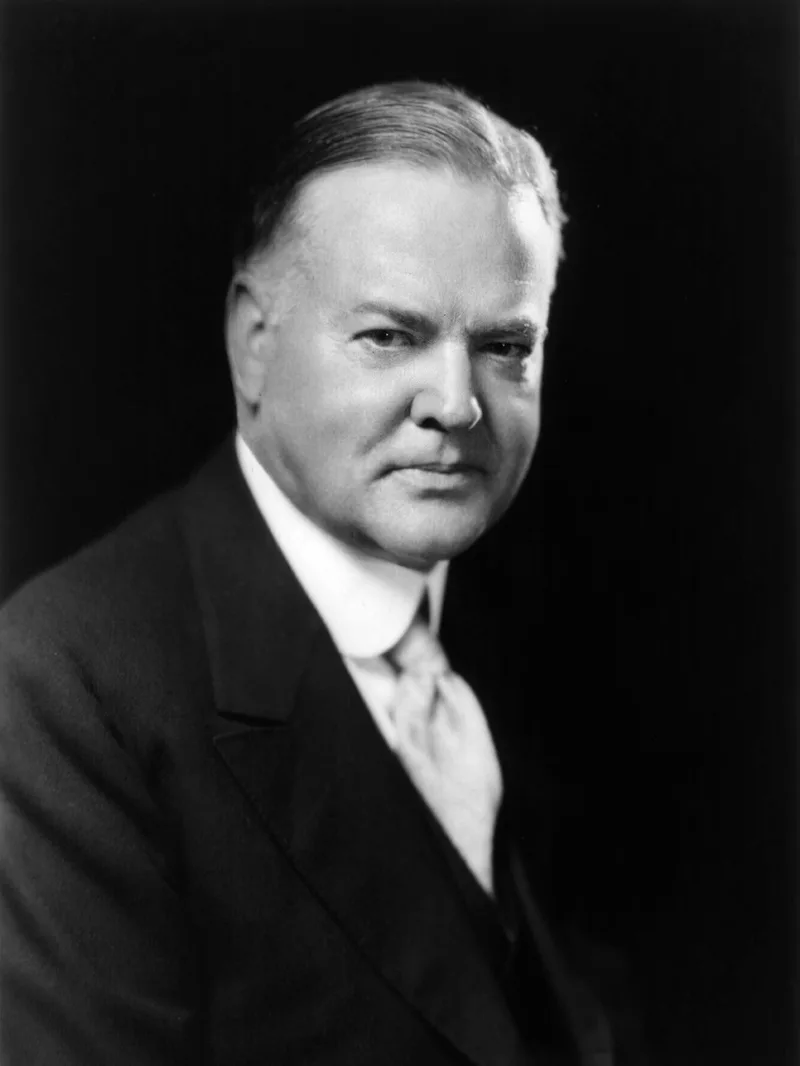
-12Hoover entered office with a reputation as a great engineer and humanitarian yet proved unable to halt the deepening Great Depression. His reluctance to use direct federal relief defined the limits of pre-New Deal governance.
Term: 1929-1933Years Served: 4 yrsRe-elected: —Economic Performance: 1/10Overall Legacy: 2/10
- Organized Great Depression relief efforts
- Signed Federal Home Loan Bank Act
- Advanced public works projects
- Smoot-Hawley tariff worsened Depression
- Bonus Army confrontation
- Lost in 1932 landslide
added by Yourlist Editorialin 10 rankingsHerbert Hoover
-14Harding promised a return to normalcy after World War I and signed the Washington Naval Treaty, but his administration was crippled by the Teapot Dome scandal and personal indiscretions. He died in office before completing a single term.
Term: 1921-1923Years Served: 2.5 yrsRe-elected: —Economic Performance: 6/10Overall Legacy: 2/10
- Signed Washington Naval Treaty
- Lowered wartime taxes
- Released political prisoners
- Teapot Dome bribery scandal
- Multiple cabinet indictments
- Died amid personal controversies
added by Yourlist Editorialin 4 rankingsWarren G. Harding
-17Nixon opened relations with China, created the EPA, and ended the draft, yet his presidency collapsed under the Watergate scandal and resignation. The blend of bold diplomacy and self-inflicted constitutional crisis marks his mixed record.
Term: 1969-1974Years Served: 5.5 yrsRe-elected: ✓Economic Performance: 5/10Overall Legacy: 3/10
- Opened diplomatic ties with China
- Created Environmental Protection Agency
- Ended military draft
- Resigned in disgrace
- Watergate cover-up
- Vietnam War expanded into Cambodia
added by Yourlist Editorialin 18 rankingsRichard Nixon
-25