Best Song Lyrics of All Time

From Dylan's electric wordplay to Cohen's biblical wit, these songs are remembered as much for what they say as how they sound. Vote for the lyrics that hit you hardest and help crown the greatest wordsmith in popular music.
What counts: Ranking reflects a blend of critical consensus, cultural staying power, and lyrical craft (wordplay, imagery, narrative depth). Ratings are subjective and approximate, compiled from decades of critic lists, songwriter polls, and lasting public resonance rather than any single hard metric.
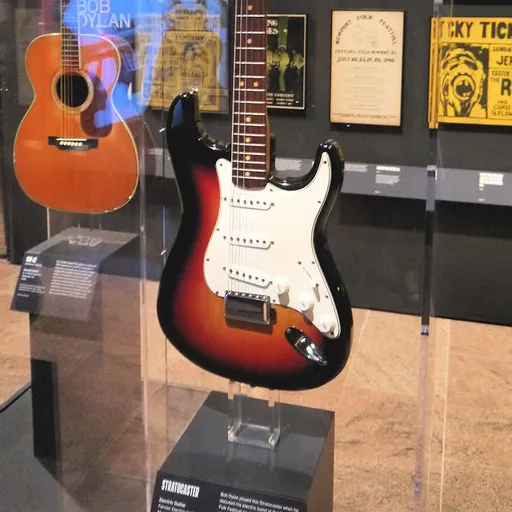
Dylan tears down a fallen socialite with a six-minute barrage of surreal accusation and sneering compassion, and rock lyricism was never the same. 'How does it feel?' became the most quoted question in pop music, turning a single song into a referendum on what lyrics could do. Ro
Year Released: 1965Songwriter(s): Bob DylanLyrical Complexity: 9.5/10Cultural Impact: 9.8/10
added by Yourlist Editorialin 2 rankingsLike a Rolling Stone
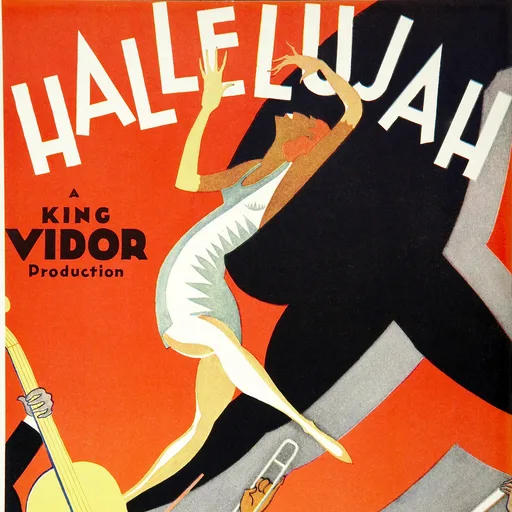
0Cohen spent years and reportedly 80 verses chasing the perfect fusion of sex, faith, and defeat, distilling scripture and heartbreak into a single word repeated like a prayer. It flopped on release in 1984, then slowly became the most covered song of the modern era, proof that gr
Year Released: 1984Songwriter(s): Leonard CohenLyrical Complexity: 9.6/10Cultural Impact: 9.3/10
added by Yourlist Editorialin 3 rankingsHallelujah
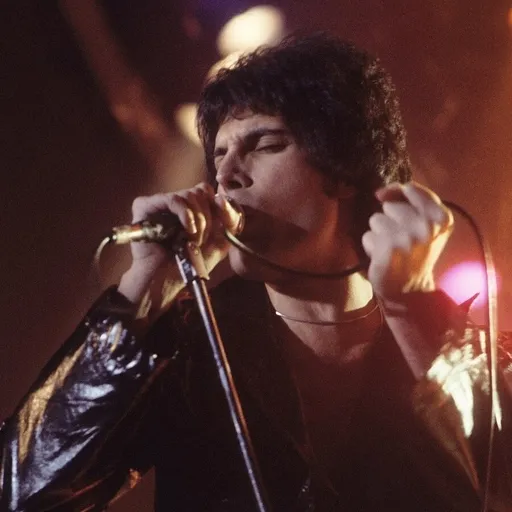
0Freddie Mercury smuggled an operatic confession of guilt and identity into a song radio executives said was too long and too weird to ever be a hit. 'Mama, just killed a man' opens a lyric that shifts from ballad to opera to hard rock without ever losing its narrative thread. Fiv
Year Released: 1975Songwriter(s): Freddie MercuryLyrical Complexity: 9/10Cultural Impact: 9.7/10
added by Yourlist Editorialin 5 rankingsBohemian Rhapsody
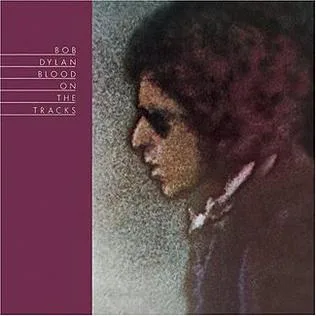
0Dylan rewrote this song's tenses and perspectives for decades, turning a fractured love story into a shifting kaleidoscope where the narrator seems to be multiple people at once. It's often cited by songwriters as the moment Dylan proved lyrics could have the structural ambition
Year Released: 1975Songwriter(s): Bob DylanLyrical Complexity: 9.4/10Cultural Impact: 8.5/10
added by Yourlist EditorialTangled Up in Blue
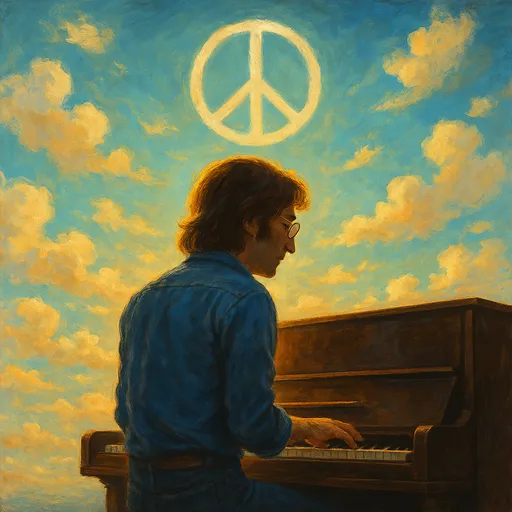
0Lennon stripped his politics down to plain, almost childlike language, asking listeners to picture a world without countries, religion, or possessions. Its simplicity is the point: the lyric works as a lullaby and a manifesto at once, which is why it's been sung at funerals, prot
Year Released: 1971Songwriter(s): John LennonLyrical Complexity: 7.5/10Cultural Impact: 9.5/10
added by Yourlist EditorialImagine
0Lennon's newspaper-fed dread and McCartney's mundane morning routine collide into one of rock's most ambitious lyrical experiments, ending on 'I'd love to turn you on' before that famous crashing chord. It's less a song than a montage, stitching disconnected images into a portrai
Year Released: 1967Songwriter(s): John Lennon, Paul McCartneyLyrical Complexity: 9/10Cultural Impact: 9/10
added by Yourlist Editorialin 2 rankingsA Day in the Life
0Trent Reznor wrote a lyric of pure self-destruction and numbness, but it was Johnny Cash's dying-man cover that turned lines like 'I focus on the pain, the only thing that's real' into one of the most devastating vocal performances ever filmed. Two eras, two meanings, one perfect
Year Released: 1994Songwriter(s): Trent ReznorLyrical Complexity: 8.5/10Cultural Impact: 8.7/10
added by Yourlist Editorialin 2 rankingsHurt
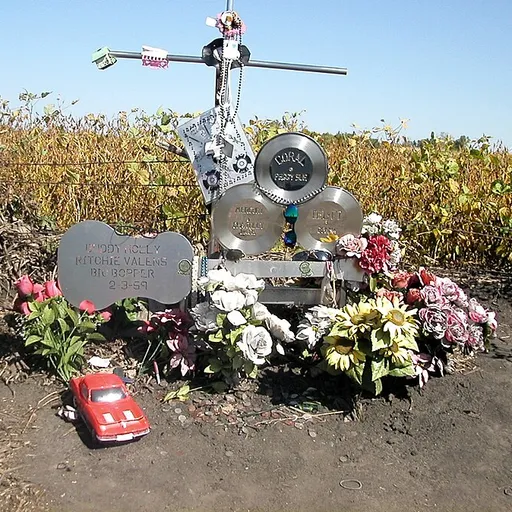
0Don McLean encoded the death of Buddy Holly, the collapse of 1950s innocence, and a decade of cultural upheaval into eight verses of riddle-like allegory that fans still argue over line by line. 'The day the music died' entered the language permanently, a testament to how cryptic
Year Released: 1971Songwriter(s): Don McLeanLyrical Complexity: 9.2/10Cultural Impact: 8.3/10
added by Yourlist EditorialAmerican Pie
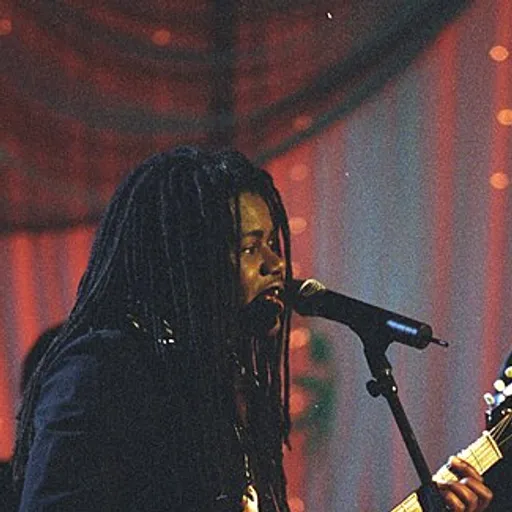
0Tracy Chapman writes working-class escape and disappointment with such plain, devastating clarity that the song feels autobiographical to anyone who's lived it. The lyric's quiet tragedy—dreams of freedom curdling into repeated cycles of poverty—hits harder with every listen, whi
Year Released: 1988Songwriter(s): Tracy ChapmanLyrical Complexity: 8.2/10Cultural Impact: 8/10
added by Yourlist EditorialFast Car
0Eminem's letter-format narrative about an obsessive fan spiraling toward tragedy is a masterclass in voice and structure, building dread through internal rhyme until the twist ending lands like a gut punch. Few rap lyrics have ever built character and suspense this methodically.
Year Released: 2000Songwriter(s): EminemLyrical Complexity: 9/10Cultural Impact: 8.2/10
added by Yourlist Editorialin 3 rankingsStan
0Kendrick Lamar turns grief, police violence, and Black survival into a defiant hook—'we gon' be alright'—that became a literal protest chant sung at marches nationwide. The verses juggle biblical imagery, self-doubt, and righteous anger with a density rarely matched in modern hip
Year Released: 2015Songwriter(s): Kendrick LamarLyrical Complexity: 9.1/10Cultural Impact: 8.8/10
added by Yourlist Editorialin 3 rankingsAlright
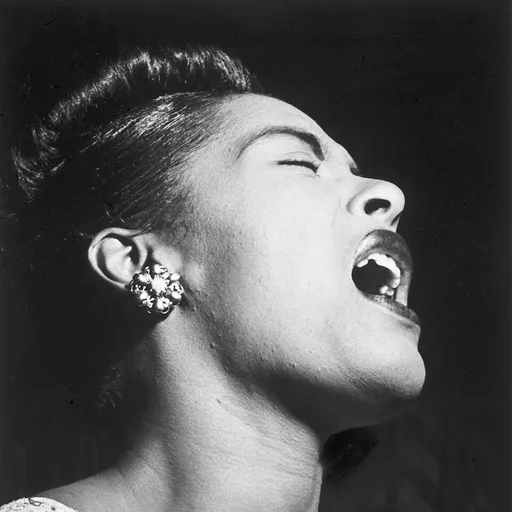
0Written first as a poem protesting lynching, Billie Holiday's delivery of 'blood on the leaves' turned a political statement into a piece of art so uncomfortable that some clubs refused to let her perform it. It remains one of the earliest and most powerful protest lyrics in Amer
Year Released: 1939Songwriter(s): Abel MeeropolLyrical Complexity: 8.8/10Cultural Impact: 9.2/10
added by Yourlist Editorialin 2 rankingsStrange Fruit
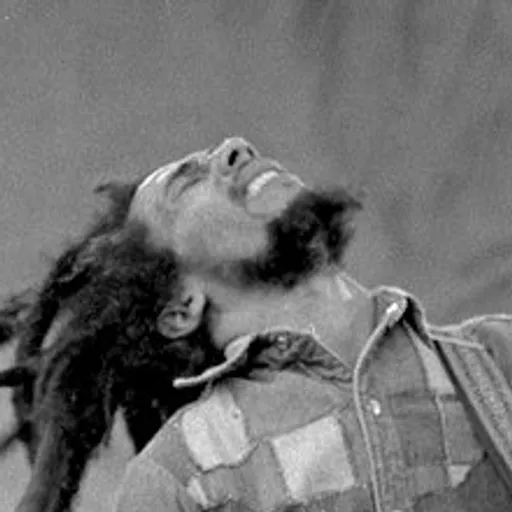
0Marley, already ill with the cancer that would kill him, wrote a stripped-down acoustic hymn about slavery, mental liberation, and mortality that plays like a final testament. 'Emancipate yourselves from mental slavery' has outlived the reggae genre entirely to become a global ra
Year Released: 1980Songwriter(s): Bob MarleyLyrical Complexity: 8.5/10Cultural Impact: 9/10
added by Yourlist EditorialRedemption Song
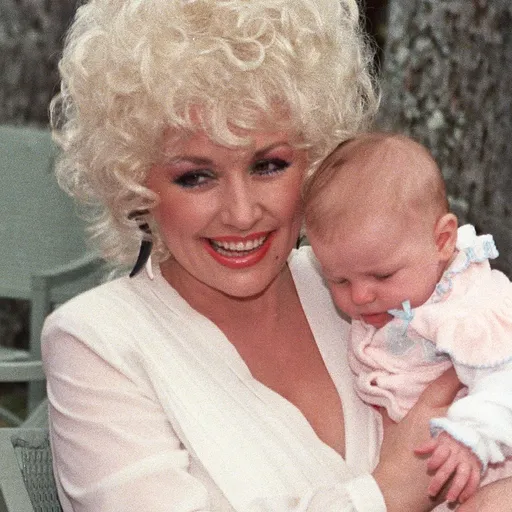
0Dolly Parton begs a woman not to steal her man in a lyric so vivid and desperate it's been called a perfect short story, entirely built on plainspoken vulnerability rather than anger. Its universality has made it one of the most covered country songs ever, from Miley Cyrus to The
Year Released: 1973Songwriter(s): Dolly PartonLyrical Complexity: 7.8/10Cultural Impact: 8.4/10
added by Yourlist Editorialin 2 rankingsJolene
0Springsteen opens his breakout era with a cinematic invitation to Mary to escape a dying town, packing screen-doors, harmonicas, and redemption into a lyric that reads like a short film script. It's the archetypal Springsteen escape narrative, and arguably his most quoted set of
Year Released: 1975Songwriter(s): Bruce SpringsteenLyrical Complexity: 8.6/10Cultural Impact: 8.1/10
added by Yourlist EditorialThunder Road
0The Times They Are A-Changin'
Dylan's generational anthem uses biblical cadence and plain declarative warnings to tell an entire establishment its time is up, becoming an instant protest standard. Its blunt, almost sermon-like structure makes it one of the most quotable political lyrics ever written.
Year Released: 1964Songwriter(s): Bob DylanLyrical Complexity: 8.3/10Cultural Impact: 8.6/10
added by Yourlist Editorial
0Joni Mitchell writes about clouds, love, and life itself from opposing vantage points, arriving at the humbling admission that she 'really don't know' anything at all. The lyric's philosophical maturity, written when Mitchell was barely in her twenties, still astonishes on every
Year Released: 1969Songwriter(s): Joni MitchellLyrical Complexity: 8.7/10Cultural Impact: 7.9/10
added by Yourlist EditorialBoth Sides Now
0