

Best 2000s TV dramas
The 2000s ushered in a golden age of television, where sprawling dramas redefined what the small screen could achieve, blending cinematic ambition with morally complex storytelling that kept audiences hooked week after week. From crime sagas to political thrillers, these shows didn't just entertain—they changed how we talk about TV as an art form. Now it's your turn to settle the debate: cast your vote and help crown the best drama of the decade.
What counts: Seeded with approximate real-world figures — the crowd's votes decide the order from here.
A chemistry teacher cooks up the bluest meth in the Southwest and, somewhere between the pilot and the finale, transforms into Heisenberg — the show's real trick was making you root for a monster and then forcing you to reckon with why. The 'I am the one who knocks' speech is the moment the mask fully comes off, and the series' relentless plotting turned TV into appointment cinema. Its influence on the prestige-drama boom is impossible to overstate; everyone chasing 'peak TV' credibility since owes it a debt.
Premiered: 2008Seasons: 5IMDb: 9.5/10
added by Yourlist Editorialin 12 rankingsBreaking Bad
59David Simon's Baltimore was a novel disguised as a cop show, indicting drug policy, education, journalism, and municipal politics one season at a time without ever raising its voice or slowing down for you. Omar Little strolling through the streets whistling 'The Farmer in the Dell' became iconic precisely because the show never treated its characters as symbols — everyone, cop and corner boy alike, got to be fully human. It's the drama critics point to when they argue TV could be literature, and its low ratings-but-eternal-reverence afterlife is its own legend.
Premiered: 2002Seasons: 5IMDb: 9.3/10
added by Yourlist Editorialin 12 rankingsThe Wire
34Hugh Laurie's misanthropic diagnostician turned 'everybody lies' into a genuine catchphrase and made medical mysteries feel like Sherlock Holmes with a cane and a Vicodin habit. The show's case-of-the-week engine masked a genuinely bleak character study of addiction and loneliness, and its massive ratings proved network TV could still be a cultural monolith in the cable-drama era. It belongs here as the bridge between old-school procedural comfort food and the antihero obsession that was about to take over prestige television.
Premiered: 2004Seasons: 8IMDb: 8.7/10
added by Yourlist Editorialin 4 rankings
21Don Draper pitching the Kodak Carousel as a time machine for nostalgia is the show in miniature: gorgeous surfaces hiding a hollow, reinventing man running from himself. Matthew Weiner's slow-burn study of 1960s Madison Avenue turned smoking, drinking, and existential dread into high art, and its production design changed how prestige TV thought about period detail. It earns its spot for proving a drama could be about advertising and actually be about the lie of the American Dream.
Premiered: 2007Seasons: 7IMDb: 8.7/10
added by Yourlist Editorialin 8 rankingsMad Men
20Al Swearengen cursing up a Shakespearean storm in a Dakota mud-pit saloon gave HBO one of its most quotable, profane texts, using frontier lawlessness to dramatize how civilization actually gets built — through commerce, violence, and grudging compromise. Ian McShane's performance turned a pimp and killer into one of TV's great tragic antiheroes, and the show's dense, poetic dialogue rewarded obsessive rewatching. Its criminally early cancellation only cemented its cult status as the prestige drama that got away.
Premiered: 2004Seasons: 3IMDb: 8.6/10
added by Yourlist Editorialin 7 rankingsDeadwood
6A plane crashes on a mysterious island and suddenly the whole country is arguing about smoke monsters, hatches, and numbers at the water cooler every Wednesday morning — Lost basically invented the modern era of communal, theory-obsessed appointment television. The Season 3 finale's flash-forward twist rewired what a season structure could do, even if the show's mythology-heavy ambitions eventually outran its answers. It's on this list for changing how audiences watched TV together, for better and for frustrating worse.
Premiered: 2004Seasons: 6IMDb: 8.3/10
added by Yourlist Editorialin 5 rankingsLost
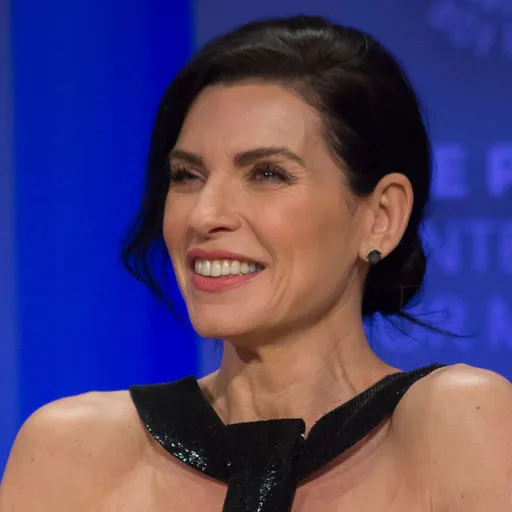
-17Alicia Florrick standing by her disgraced husband in the pilot's opening tableau became the launchpad for one of network TV's smartest, most morally complex legal dramas, using ripped-from-the-headlines cases to interrogate power, gender, and compromise week after week. Julianna Margulies anchored a show that kept reinventing itself — new firms, new alliances, new betrayals — without ever losing its procedural spine. It's the argument that broadcast television could still produce prestige-level writing in an era when cable got all the credit.
Premiered: 2009Seasons: 7IMDb: 8.3/10
added by Yourlist Editorialin 2 rankingsThe Good Wife
-22Meredith Grey's 'pick me, choose me, love me' plea became a cultural shorthand for melodramatic TV romance, and the show's bombastic disasters — bombs in chest cavities, ferry crashes, shooters in the hospital — proved soap opera could still dominate network ratings in the antihero age. Shonda Rhimes built a diverse, emotionally maximalist world that turned Seattle Grace into a genuine phenomenon and launched a media empire. Its sheer longevity and cultural saturation earn it a place among 2000s dramas that actually moved the needle.
Premiered: 2005Seasons: 21IMDb: 7.6/10
added by Yourlist Editorialin 6 rankingsGrey's Anatomy
-31