Best World Capitals to Visit
World capitals are more than seats of government—they're living museums of culture, history, and architecture that showcase the very best a nation has to offer. From ancient monuments to cutting-edge skylines, these cities pack centuries of stories into their streets, museums, and markets. Which capital city would top your travel bucket list? Cast your vote and help settle the debate!
What counts: Best is judged by cultural richness, historical significance, walkability/tourism infrastructure, and overall visitor experience. Figures such as population, founding era, and daily budget are approximate and meant for rough comparison only.
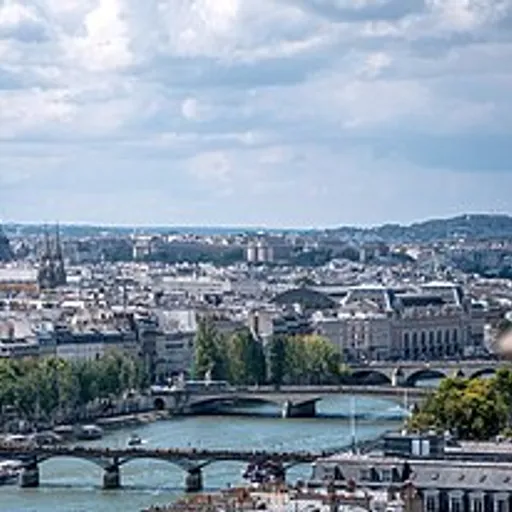
Paris, France
The city that turned the Eiffel Tower from a temporary eyesore into the world's most photographed silhouette, Paris rewired the very idea of urban beauty with Haussmann's boulevards and then spent a century exporting its aesthetic via the Louvre, haute couture, and a hundred New Wave films. Every café table doubles as a stage, every arrondissement a different mood, which is why it remains the gold standard against which every other capital gets measured.'
Metro Population: 11,000,000 peopleFounded/Established: 3rd century BCVisitor Appeal: 9.5/10Approx. Daily Budget: $150Iconic Landmark: Eiffel Tower
added by IJRin 3 rankings
0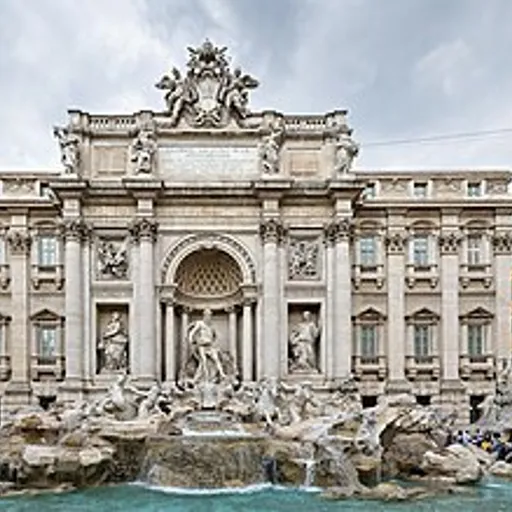
Rome, Italy
This is the city where an empire wrote the rulebook for Western civilization and then left the receipts scattered everywhere, from the Colosseum's blood-soaked sand to the Pantheon's still-standing dome that engineers can't quite believe. Walking from ancient ruins to Renaissance chapels to a espresso bar in the span of one block, Rome doesn't just show history, it makes you trip over it, which is exactly why it belongs near the top of any serious list.'
Metro Population: 4,300,000 peopleFounded/Established: 753 BCVisitor Appeal: 9.4/10Approx. Daily Budget: $120Iconic Landmark: Colosseum
added by IJRin 3 rankings
0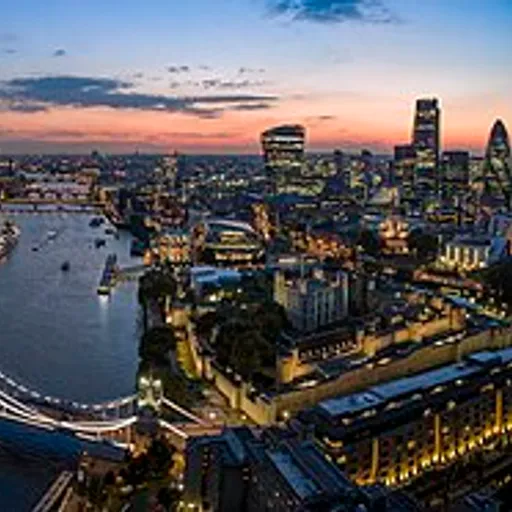
London, United Kingdom
From the Great Fire that rebuilt it in stone to the Blitz that it survived with tea and stubbornness, London has absorbed centuries of catastrophe and turned itself into the most linguistically and culturally diverse capital on earth. The British Museum alone holds enough looted and gifted history to justify a week's visit, and the fact that you can go from Shakespeare's Globe to a Bangladeshi curry house to Buckingham Palace in an afternoon is the whole argument.'
Metro Population: 9,500,000 peopleFounded/Established: 43 ADVisitor Appeal: 9.2/10Approx. Daily Budget: $160Iconic Landmark: Big Ben
added by IJR
0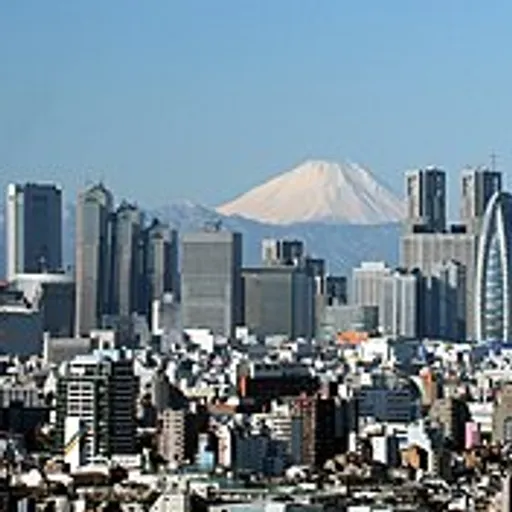
Tokyo, Japan
Flattened by firebombs in 1945 and rebuilt into the densest, most efficient megacity on the planet, Tokyo is the proof that tradition and hyper-modernity can share a train platform without either one blinking. Where else can you bow before a centuries-old shrine in Asakusa and then eat the world's best sushi standing up at a counter that seats six, all before finding a robot café? It's the future and the past holding hands, and that tension is precisely why it's unmissable.'
Metro Population: 14,000,000 peopleFounded/Established: 1457 (as Edo)Visitor Appeal: 9.3/10Approx. Daily Budget: $130Iconic Landmark: Tokyo Tower
added by IJRin 2 rankings
0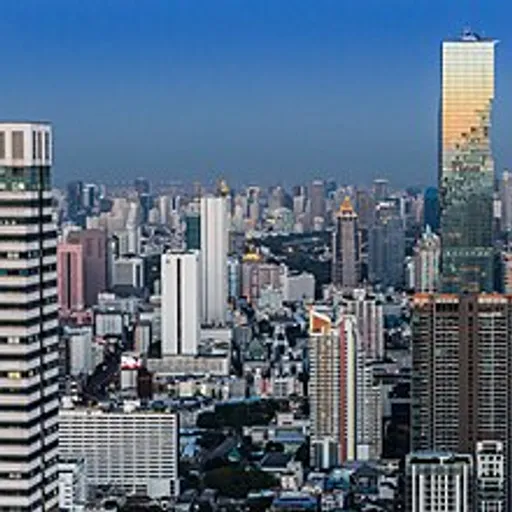
Bangkok, Thailand
Bangkok turned a swampy trading outpost into Southeast Asia's most electric capital, where gilded temples like Wat Arun sit blocks from street vendors serving som tam that puts Michelin stars to shame. Its chaos is the point: tuk-tuks, night markets, and the Chao Phraya River all colliding into an experience that never once feels curated for tourists, even when it clearly is.'
Metro Population: 10,500,000 peopleFounded/Established: 1782Visitor Appeal: 8.9/10Approx. Daily Budget: $50Iconic Landmark: Grand Palace
added by IJRin 2 rankings
0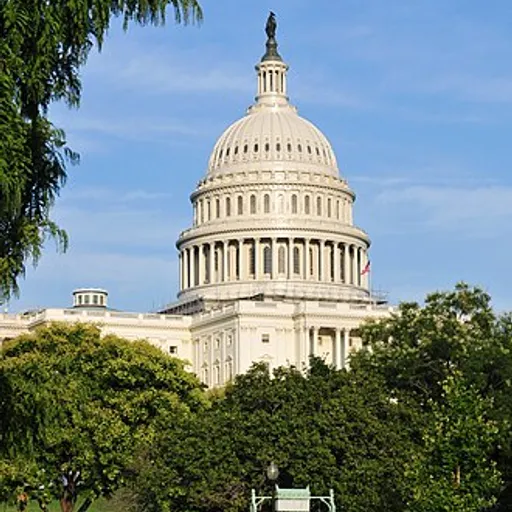
Washington, D.C., United States
Built from a swamp by design, not accident, Washington is the rare capital that was engineered from scratch to project power, with L'Enfant's grid and the Mall's marble monuments turning democracy itself into architecture. Standing at the Lincoln Memorial where King delivered 'I Have a Dream' or wandering the free Smithsonian museums, you feel the weight of a nation constantly arguing with its own ideals, which is a strange but compelling kind of tourism.'
Metro Population: 6,300,000 peopleFounded/Established: 1790Visitor Appeal: 8.5/10Approx. Daily Budget: $140Iconic Landmark: Lincoln Memorial
added by IJR
0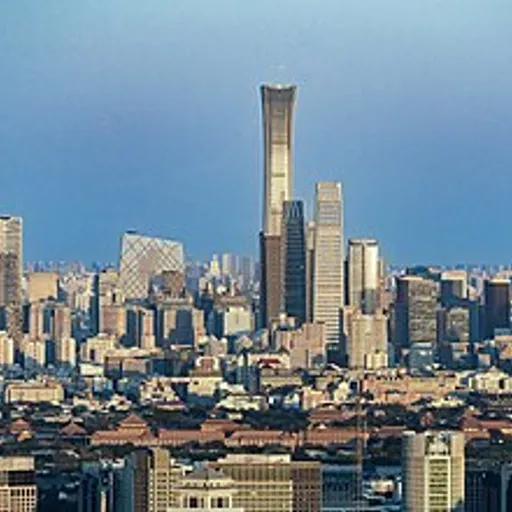
Beijing, China
The Forbidden City alone, nearly a thousand rooms deep and off-limits to commoners for five centuries, tells you everything about how Beijing has always operated on a scale meant to awe. Add the Great Wall's nearby sprawl and Tiananmen Square's more recent, heavier history, and you get a capital where imperial grandeur and modern political weight sit uncomfortably, unforgettably close together.'
Metro Population: 21,500,000 peopleFounded/Established: 1045 BCVisitor Appeal: 8.7/10Approx. Daily Budget: $80Iconic Landmark: Forbidden City
added by IJR
0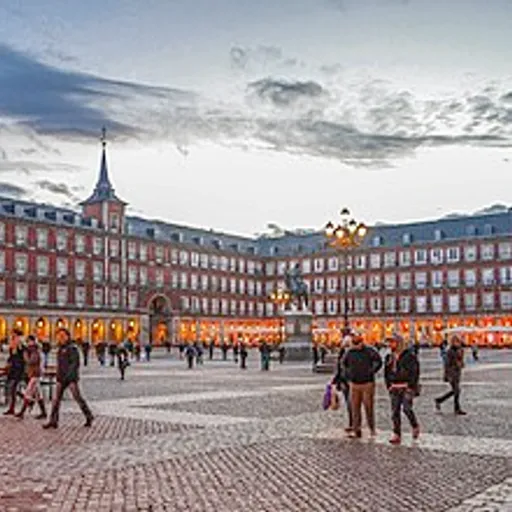
Madrid, Spain
Madrid doesn't have Barcelona's beach or Seville's flamenco cliché, and that's exactly its charm, a capital built for locals first that happens to house the Prado's staggering Velázquez and Goya collection almost as an afterthought. Its late-night culture, where dinner starts at ten and the streets stay loud past two, makes it the rare capital that feels alive on its own terms rather than performing for visitors.'
Metro Population: 6,700,000 peopleFounded/Established: 9th centuryVisitor Appeal: 8.6/10Approx. Daily Budget: $110Iconic Landmark: Royal Palace
added by IJR
0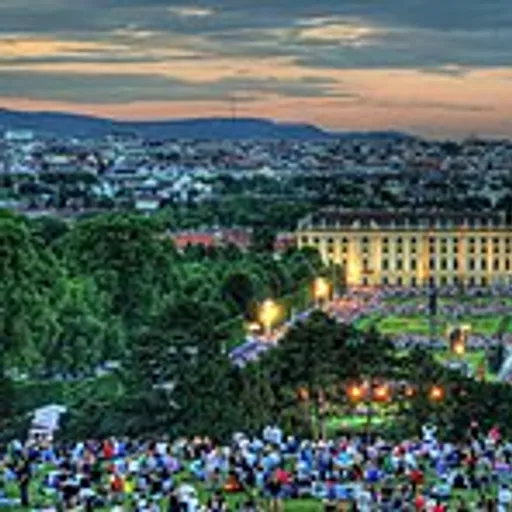
Vienna, Austria
Once the seat of the Habsburg empire that ruled half of Europe, Vienna converted its imperial excess into something even better: free-flowing coffeehouse culture where Freud and Klimt once argued philosophy over pastries. The Schönbrunn Palace and State Opera still carry that old-world weight, but it's the city's obsessive, ongoing devotion to classical music and civic beauty that keeps it timeless rather than fossilized.'
Metro Population: 1,900,000 peopleFounded/Established: 500 BCVisitor Appeal: 8.8/10Approx. Daily Budget: $120Iconic Landmark: Schönbrunn Palace
added by IJRin 3 rankings
0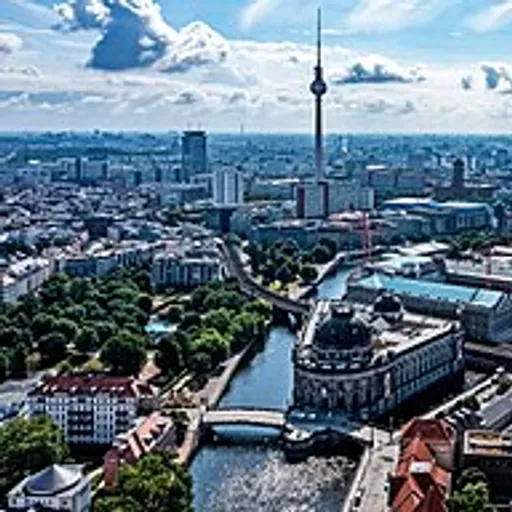
Berlin, Germany
Split by a wall for 28 years and reunified in a single euphoric night in 1989, Berlin turned its scars into its identity, filling former death strips with street art, techno clubs, and a museum culture that refuses to look away from the 20th century's darkest chapters. No capital wears its history so openly or turns that honesty into such a magnetic, unpretentious nightlife scene.'
Metro Population: 3,700,000 peopleFounded/Established: 1237Visitor Appeal: 8.4/10Approx. Daily Budget: $100Iconic Landmark: Brandenburg Gate
added by IJR
0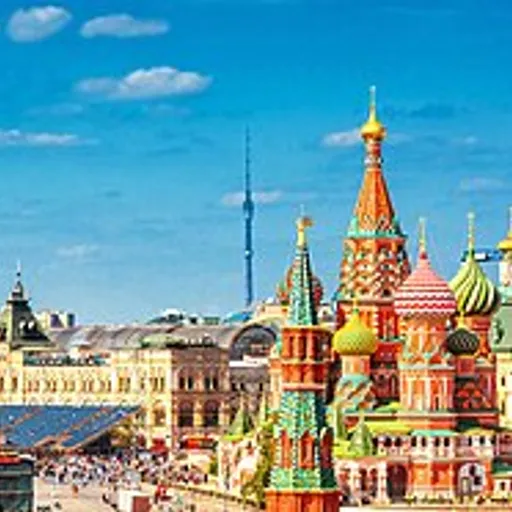
Moscow, Russia
Red Square's candy-colored domes at St. Basil's Cathedral and the Kremlin's blood-red walls make Moscow one of the most visually arresting capitals on earth, a city that survived Napoleon, revolution, and Stalin to remain the beating, imposing heart of the largest country on the planet. The opulence of the Bolshoi and the metro stations built like underground palaces prove that even Soviet austerity couldn't fully suppress Russian grandeur.'
Metro Population: 12,600,000 peopleFounded/Established: 1147Visitor Appeal: 8/10Approx. Daily Budget: $90Iconic Landmark: Red Square
added by IJR
0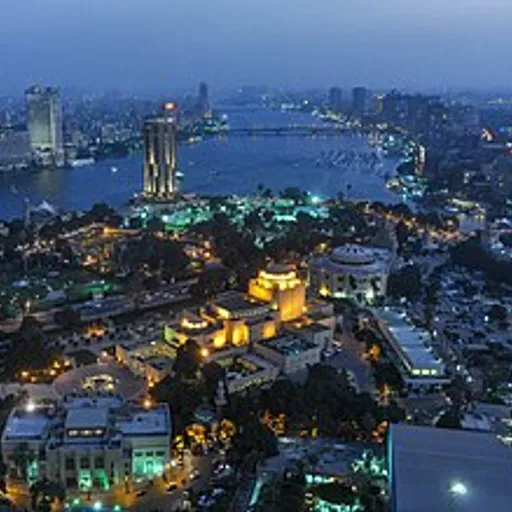
Cairo, Egypt
Technically a newer city than its neighbors, Cairo earns its spot purely by proximity: the Pyramids of Giza and the Sphinx sit practically in its backyard, a four-thousand-year-old exclamation point that no other capital on this list can match for sheer age. Add the chaos of Khan el-Khalili bazaar and the Nile at sunset, and you get a city whose messiness is inseparable from its monumental weight.'
Metro Population: 21,300,000 peopleFounded/Established: 969 ADVisitor Appeal: 8.3/10Approx. Daily Budget: $45Iconic Landmark: Pyramids of Giza
added by IJRin 2 rankings
0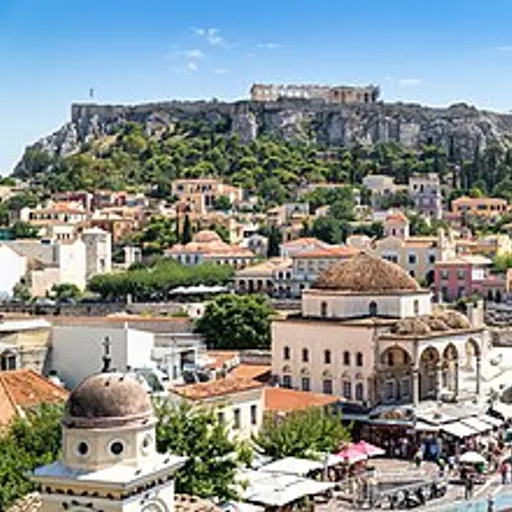
Athens, Greece
The Parthenon still stands, battered but unbroken, on the Acropolis where democracy itself was essentially invented, making Athens less a tourist stop than a pilgrimage site for anyone who cares where Western political thought actually started. Modern Athens can be gritty and sun-baked, but that only makes the ancient ruins hit harder against the contemporary grit surrounding them.'
Metro Population: 3,200,000 peopleFounded/Established: 3000 BCVisitor Appeal: 8.5/10Approx. Daily Budget: $95Iconic Landmark: Acropolis
added by IJR
0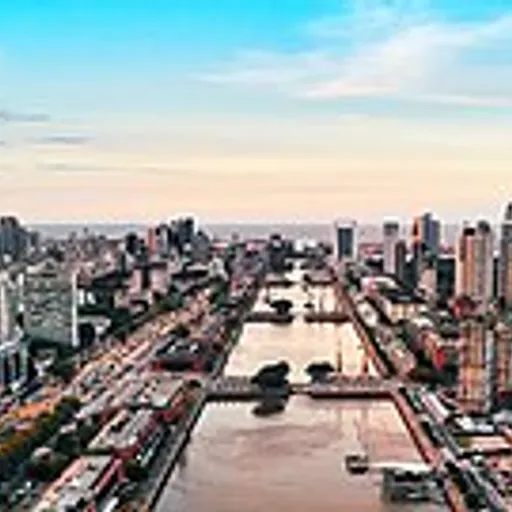
Buenos Aires, Argentina
Buenos Aires built itself as South America's Paris, all wide boulevards and Beaux-Arts facades, then filled it with tango born in immigrant dance halls and a football fervor that turns La Bombonera into a cathedral every match day. Its European bones and Latin American soul make it feel like nowhere else on the continent, which is the whole case for including it here.'
Metro Population: 15,200,000 peopleFounded/Established: 1580Visitor Appeal: 8.2/10Approx. Daily Budget: $60Iconic Landmark: Casa Rosada
added by IJR
0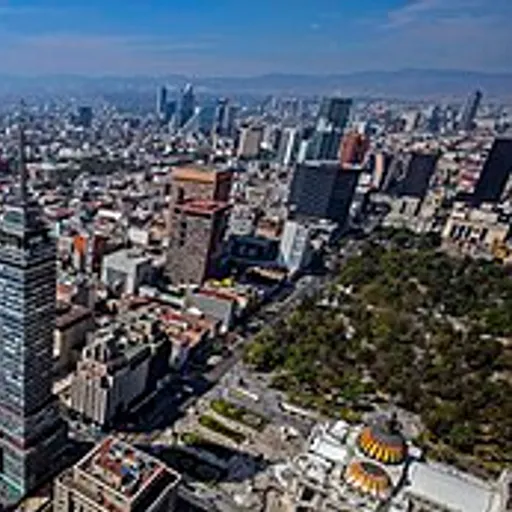
Mexico City, Mexico
Built literally on top of the Aztec capital Tenochtitlan, with the Templo Mayor's ruins still emerging from beneath colonial cathedrals, Mexico City is a layered time capsule where pre-Columbian, Spanish colonial, and modern muralist history collide in a single walkable center. Frida Kahlo's blue house and the world's largest collection of Diego Rivera murals make its art scene as essential as its archaeology.'
Metro Population: 22,000,000 peopleFounded/Established: 1325Visitor Appeal: 8.4/10Approx. Daily Budget: $70Iconic Landmark: Zócalo
added by IJRin 2 rankings
0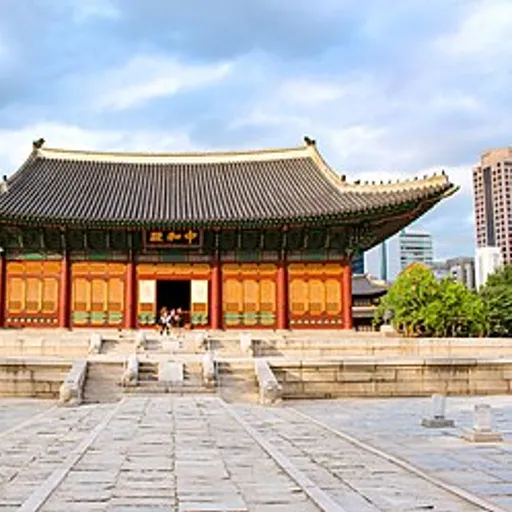
Seoul, South Korea
Reduced to rubble by the Korean War in the 1950s, Seoul rebuilt itself into a hyper-modern capital that now exports pop culture worldwide, all while preserving Joseon-era palaces like Gyeongbokgung within sight of glass skyscrapers. Its late-night food markets and obsessive infrastructure investment make it a masterclass in how fast a capital can reinvent itself without erasing what came before.'
Metro Population: 9,700,000 peopleFounded/Established: 18 BCVisitor Appeal: 8.6/10Approx. Daily Budget: $100Iconic Landmark: Gyeongbokgung Palace
added by IJRin 2 rankings
0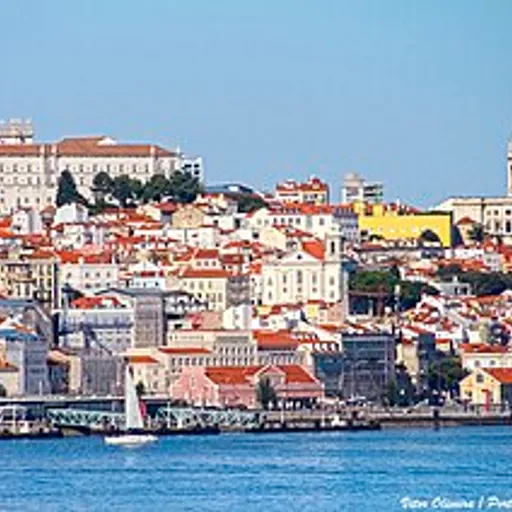
Lisbon, Portugal
Lisbon sent explorers out to map the known world during the Age of Discovery and got flattened by an earthquake and tsunami in 1755 for its trouble, yet its pastel hillside neighborhoods and rattling yellow trams still carry that old maritime swagger. Cheap, sun-drenched, and criminally underrated compared to its Western European peers, it's the capital that rewards visitors who actually bother to climb its hills.'
Metro Population: 2,900,000 peopleFounded/Established: 1200 BCVisitor Appeal: 8.7/10Approx. Daily Budget: $85Iconic Landmark: Belém Tower
added by IJRin 3 rankings
0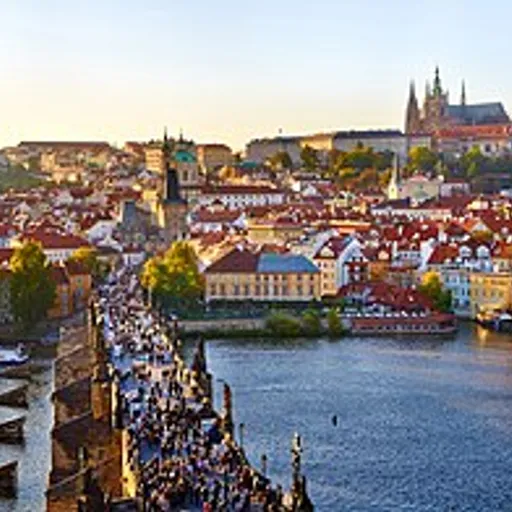
Prague, Czech Republic
Spared major bombing in World War II, Prague kept its medieval core almost entirely intact, meaning the Astronomical Clock, Charles Bridge, and Prague Castle all look essentially as they did centuries ago. It's the rare capital where fairy-tale architecture isn't a marketing exaggeration, and the Velvet Revolution's peaceful 1989 overthrow of communism only adds a modern layer of quiet triumph to the cobblestones.'
Metro Population: 1,300,000 peopleFounded/Established: 9th centuryVisitor Appeal: 8.6/10Approx. Daily Budget: $70Iconic Landmark: Charles Bridge
added by IJRin 3 rankings
0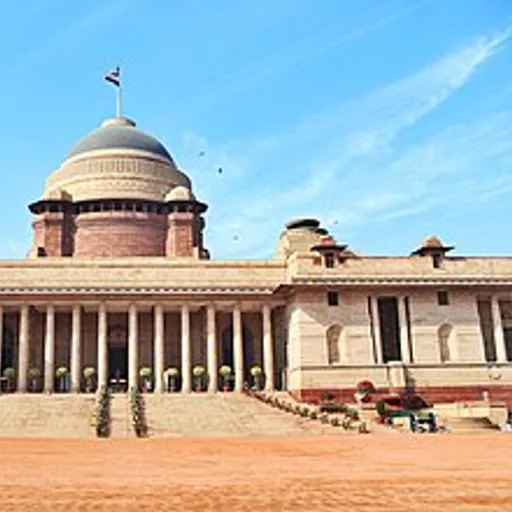
New Delhi, India
Built by the British as an imperial capital in 1911 right beside the ruins of seven older Delhis, New Delhi is a city where Mughal tombs, colonial government buildings, and Sikh temples all coexist within a few miles of each other. The sheer density of empires layered on top of empires, capped by India Gate's memorial to soldiers of a war fought for a crown that would soon be gone, makes it a masterclass in imperial irony.'
Metro Population: 32,900,000 peopleFounded/Established: 1911Visitor Appeal: 7.9/10Approx. Daily Budget: $40Iconic Landmark: India Gate
added by IJR
0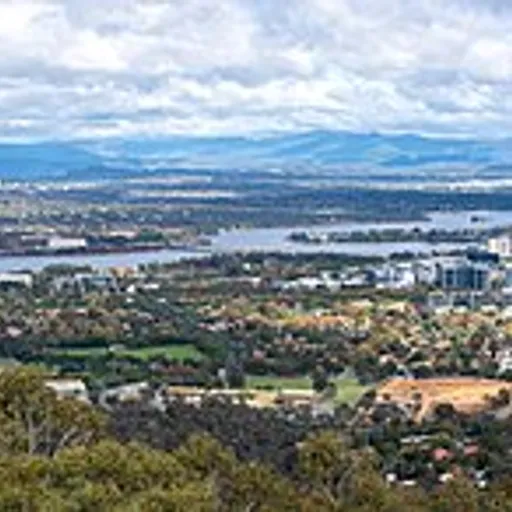
Canberra, Australia
Purpose-built in 1913 as a political compromise between rival cities Sydney and Melbourne, Canberra is the planned capital that critics love to call sterile, and to be fair, it lacks the organic chaos that makes other entries on this list sing. Its saving graces are the excellent, free national museums and gallery clustered around Lake Burley Griffin, which make it worth a day trip even if nobody's rushing back for a second one.'
Metro Population: 460,000 peopleFounded/Established: 1913Visitor Appeal: 6.8/10Approx. Daily Budget: $130Iconic Landmark: Parliament House
added by IJR
0
Keep ranking
Comments
Free account · your comment posts right after signup