
Greatest comebacks in history

From underdog athletes to fallen empires, history is full of stunning turnarounds where defeat seemed certain right up until it wasn't. These comebacks captivate us because they prove that resilience, timing, and sheer will can rewrite what looked like a done deal. Which comeback do you think deserves the top spot? Cast your vote and help settle the debate.
What counts: Seeded with approximate figures where shown — the crowd's votes decide the order.
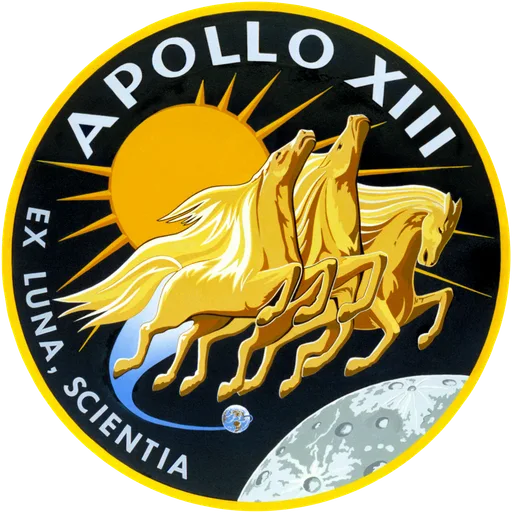
An oxygen tank rupture 200,000 miles from home turned a moon landing into a desperate lifeboat drill, with a crippled command module and a lunar lander stretched far past its design limits. NASA engineers on the ground jury-rigged carbon dioxide scrubbers from duct tape and cardboard while the crew shivered through freezing temperatures, and the safe splashdown turned a mission remembered as a failure into 'a successful failure' and arguably NASA's finest hour. It belongs here because the comeback wasn't from behind in a game—it was from the edge of death itself.},{
Era: 1970
added by Yourlist Editorialin 5 rankingsApollo 13
49Britain after Dunkirk
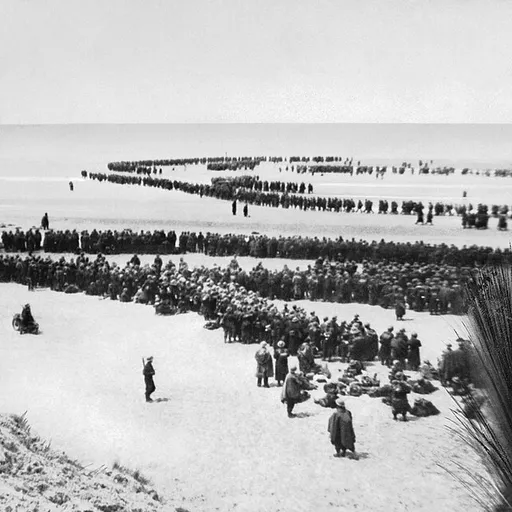
Nearly 340,000 troops were plucked off French beaches in a chaotic evacuation that by any military logic should have been a death knell, leaving Britain alone, under-armed, and staring down a channel at a triumphant Wehrmacht. Instead Churchill's defiance, the Battle of Britain's RAF pilots, and a nation that turned factories and fishing boats into instruments of survival transformed retreat into resolve. It's the ultimate underdog pivot: the moment the war could have ended in surrender became the moment it became unwinnable for the other side.},{
Era: 1940
added by Yourlist Editorial
30Japan's postwar rise
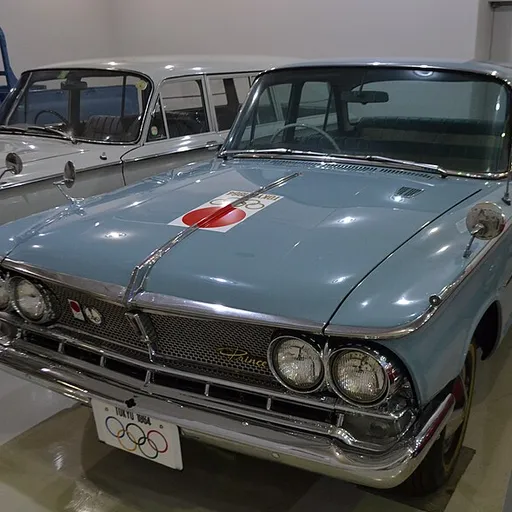
In 1945 Japan was a firebombed, atom-bombed, occupied nation with its industry in ruins and its empire erased, yet within a generation it was building the world's best cars and consumer electronics and challenging America for economic supremacy. The Toyota production system, MITI's industrial strategy, and a workforce that rebuilt from literal ashes turned defeat into the world's second-largest economy by the 1960s. Few nations have engineered a more complete inversion of fortune in so short a time.},{
Era: 1950s
added by Yourlist Editorial
29Rome after Cannae
Hannibal's Carthaginians annihilated as many as 50,000 Roman soldiers in a single afternoon at Cannae in 216 BC, one of the worst military disasters in ancient history, leaving Rome's manpower gutted and its allies wavering. Rather than sue for peace, the Senate refused to negotiate, raised new legions, adopted Fabian delaying tactics, and ground Hannibal down over sixteen more years until Rome won the war and eventually erased Carthage from the map entirely. It's the granddaddy of comeback stories, the template for 'we do not negotiate, we do not quit.'},{
Era: 216 BC
added by Yourlist Editorial
10Steve Jobs returns to Apple
In 1997 Apple was 90 days from bankruptcy, a punchline next to Microsoft, with a bloated product line and no clear identity, when the co-founder it had fired 12 years earlier walked back through the door. Jobs slashed the product lineup to four computers, struck a stunning truce with Microsoft, and within four years launched the iMac, then the iPod, setting up the iPhone that would make Apple the most valuable company on earth. Few corporate turnarounds have so thoroughly rewritten a company's DNA and the world's relationship with technology.},{
Era: 1997
added by Yourlist Editorial
1The Marshall Plan recovery
Postwar Europe in 1947 was a continent of rationing, rubble, and political instability so severe that communism looked like a real threat to spread west, prompting America to gamble $13 billion on rebuilding the economies it had just helped bomb. The influx of aid rebuilt infrastructure, revived trade, and stabilized democracies across sixteen countries within four years, setting the stage for decades of European prosperity and integration. It's the comeback engineered not by a single hero but by deliberate policy—proof that recovery can be designed, not just willed.}]}
Era: 1948
added by Yourlist Editorial
-14West Germany's Wirtschaftswunder
A country flattened by Allied bombing, partitioned, and stripped of industry emerged from 1948's currency reform and Ludwig Erhard's free-market gamble to become Europe's economic engine within a decade. Rubble was cleared by Trümmerfrauen, factories were rebuilt, and by the 1950s West Germany was exporting cars and machinery to the very nations that had bombed it flat. The 'economic miracle' is the definitive proof that total devastation doesn't have to mean permanent decline.},{
Era: 1950s
added by Yourlist Editorial
-16Ford at Le Mans
After Ferrari humiliated Ford by reneging on a buyout deal in 1963, Henry Ford II poured a fortune into building a car purely to beat Ferrari at its own game, and early GT40 attempts were plagued by embarrassing failures and crashes. By 1966 Ford didn't just win Le Mans—it swept the podium 1-2-3, ending Ferrari's six-year stranglehold on the race and turning corporate revenge into one of motorsport's most satisfying underdog stories. It's a comeback built entirely on spite, engineering, and a grudge that paid off spectacularly.},{
Era: 1966
added by Yourlist Editorial
-22